

About
Chimanimani National Park, the park is located in eastern Zimbabwe along the border with Mozambique within the rugged Chimanimani Mountains. The park covers approximately 665 square miles (1,723 sq km) and protects one of southern Africa’s most spectacular mountain wilderness areas.
Established as a national park in 2020 through the expansion and upgrading of the former Chimanimani National Reserve, the park forms part of the larger Chimanimani Transfrontier Conservation Area shared between Zimbabwe and Mozambique. It lies southeast of Nyanga National Park and preserves a landscape renowned for its dramatic peaks, deep valleys, and exceptional biodiversity. Today, Chimanimani National Park stands as one of Zimbabwe’s most important mountain conservation areas.
Chimanimani National Park is best known for its rugged mountain scenery, outstanding hiking opportunities, and rich biological diversity. The park attracts adventurers, nature enthusiasts, and photographers seeking to explore one of Africa’s most scenic highland environments. Unlike traditional safari parks centered on large mammals, Chimanimani is celebrated for its wilderness trekking, spectacular viewpoints, waterfalls, and unique plant life.
Visitors can traverse mountain ridges, explore hidden valleys, and discover landscapes that have remained largely untouched for centuries. The park’s remote setting and dramatic terrain create a sense of exploration that distinguishes it from many other protected areas in southern Africa.
The geography of Chimanimani National Park is dominated by the Chimanimani Mountains, a range of ancient quartzite peaks that rise sharply above the surrounding lowlands. The highest summit within the range, Mount Binga, reaches approximately 8,041 feet (2,450 meters), making it the highest mountain in Zimbabwe. The landscape consists of rugged cliffs, narrow gorges, fast-flowing rivers, waterfalls, and expansive plateaus.
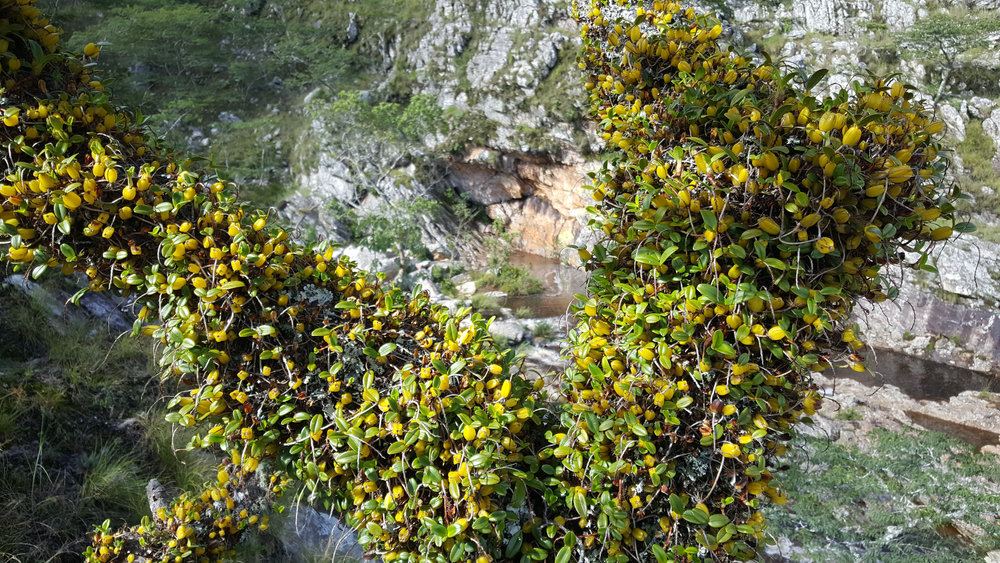
Frequent rainfall supports a variety of habitats, including montane grasslands, heathlands, evergreen forests, and riverine woodlands. The park’s quartzite geology creates nutrient-poor soils that have contributed to the evolution of many unique plant species found nowhere else in the world. These diverse ecosystems support a remarkable concentration of endemic flora and fauna.
Wildlife within Chimanimani National Park is less conspicuous than in Zimbabwe’s major savanna parks but remains ecologically significant. Mammals include blue duiker, bushbuck, samango monkey, leopard, serval, and several smaller forest species. The park is particularly important for birdlife, supporting numerous montane and forest birds, including species endemic to the Eastern Highlands.
Raptors, sunbirds, turacos, and forest warblers thrive within the park’s varied habitats. Amphibians, reptiles, butterflies, and countless invertebrates contribute to the park’s exceptional biodiversity. The combination of isolated mountain habitats and diverse microclimates has resulted in one of the highest levels of endemism in southern Africa.
Chimanimani National Park plays a critical role in protecting one of Africa’s most important centers of mountain biodiversity. The park safeguards rare ecosystems, endemic species, and vital watersheds that support both wildlife and local communities. Its conservation significance is often compared to mountain protected areas such as Drakensberg uKhahlamba Park and Nyungwe Forest National Park, where isolated highland environments have fostered extraordinary biological diversity.
However, Chimanimani’s unique quartzite mountains and remarkable concentration of endemic species give it a distinctive ecological identity. Today, the park remains a sanctuary for rare wildlife, pristine landscapes, and one of Zimbabwe’s most treasured natural wonders.
Things to See
Things To Do
Engaging Chimanimani National Park
