About

Gonarezhou National Park, the park is located in southeastern Zimbabwe along the borders of Mozambique and South Africa. The park covers approximately 1,957 square miles (5,070 sq km) and is the second-largest national park in Zimbabwe after Hwange National Park.

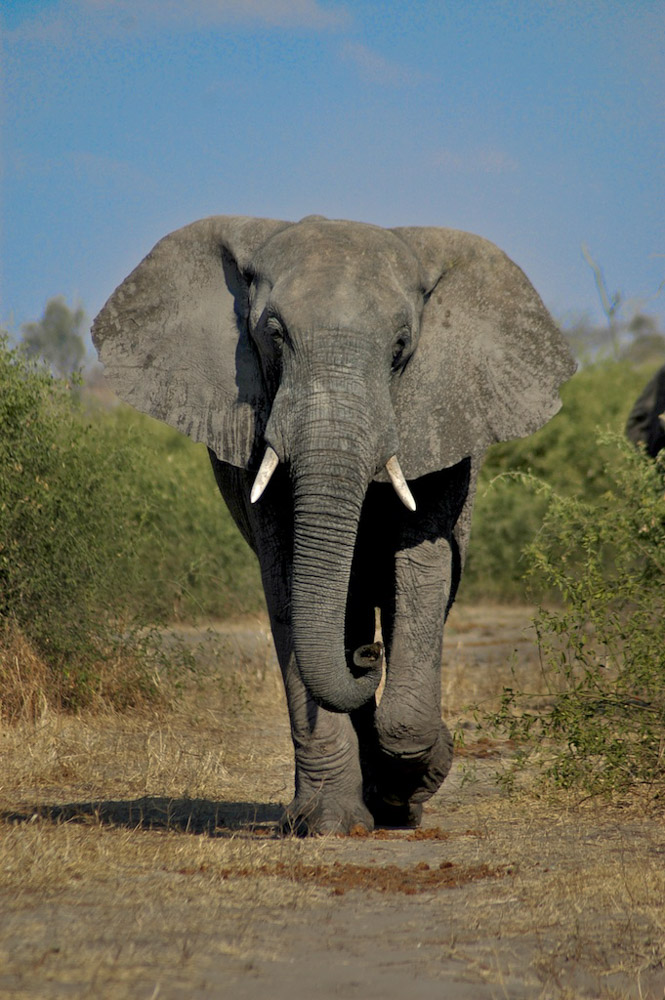
Established as a national park in 1975, Gonarezhou forms a key component of the vast Great Limpopo Transfrontier Park, which connects protected areas across Zimbabwe, Mozambique, and South Africa. Its name means “Place of Elephants” in the local Shangaan language, reflecting the park’s long-standing association with one of Africa’s most iconic animals. Remote, rugged, and largely untouched, Gonarezhou is widely regarded as one of southern Africa’s last great wilderness areas.

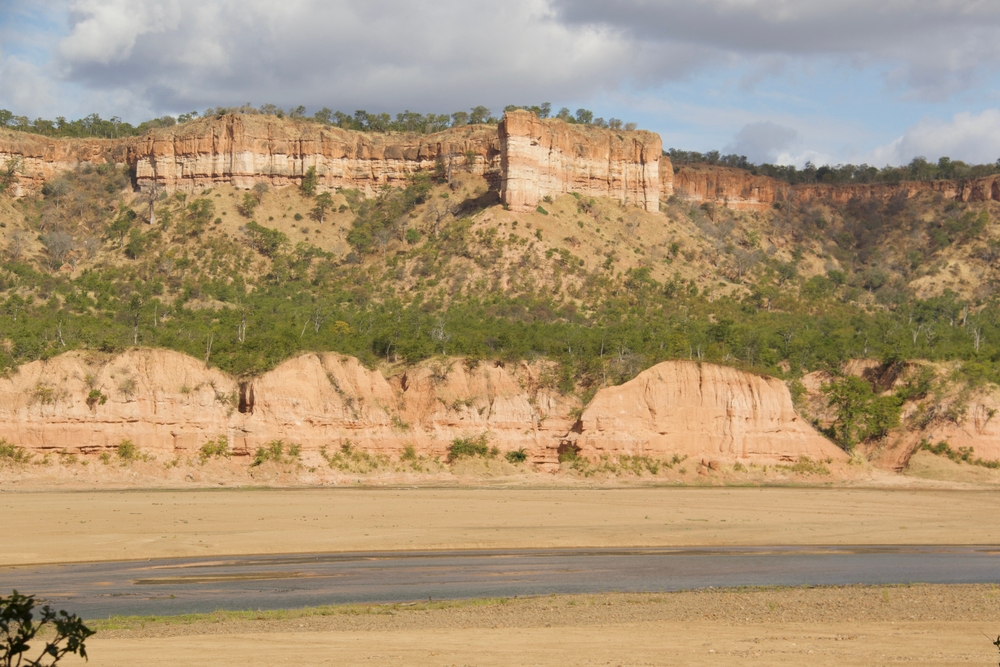
Gonarezhou National Park is best known for its immense elephant herds, dramatic sandstone cliffs, and authentic wilderness experiences. Unlike some of Africa’s more heavily visited safari destinations, Gonarezhou offers visitors vast landscapes where wildlife can be observed in relative solitude. One of the park’s most famous attractions is the Chilojo Cliffs, towering red sandstone formations that rise above the Runde River Valley and create one of Zimbabwe’s most spectacular natural landmarks.

Visitors are drawn by opportunities for game drives, photography, birdwatching, and exploration of a landscape that remains remarkably wild. The sense of remoteness and discovery is a defining feature of the Gonarezhou experience.

The geography of Gonarezhou National Park is characterized by broad river valleys, sandstone cliffs, baobab-dotted plains, woodlands, and seasonal wetlands. Three major rivers—the Runde, Save, and Mwenezi—flow through the park, creating important water sources that sustain wildlife throughout the year.

The famous Chilojo Cliffs dominate portions of the landscape, while rolling savannas and mopane woodlands extend across much of the park. The varied terrain supports a rich diversity of habitats ranging from riverine forests and floodplains to dry woodland ecosystems. These contrasting environments contribute significantly to the park’s ecological richness and scenic beauty.

Wildlife within Gonarezhou National Park is among the most impressive in southern Africa. The park supports large populations of elephants, buffalo, giraffe, zebra, wildebeest, kudu, nyala, and numerous other antelope species. Predators include lion, leopard, cheetah, spotted hyena, and African wild dog. Gonarezhou is particularly important for elephant conservation and contains one of the largest elephant populations in the region.

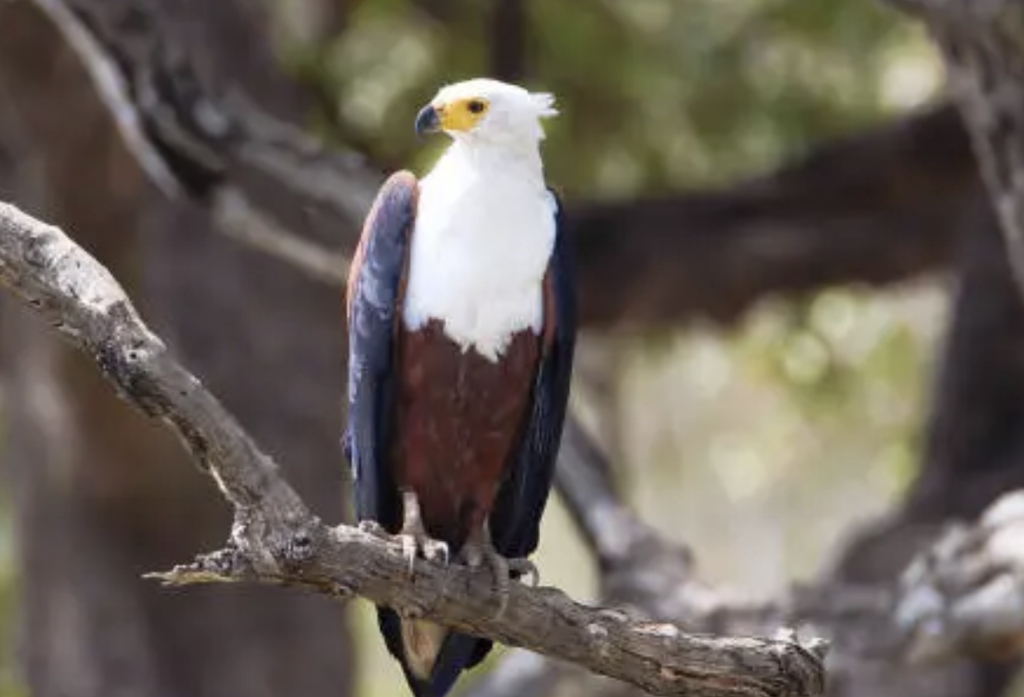
The river systems also support hippopotamuses and Nile crocodiles, while more than 450 bird species have been recorded throughout the park. African fish eagles, saddle-billed storks, kingfishers, hornbills, and numerous raptors thrive within the park’s varied habitats. The diversity of wildlife and relatively low visitor numbers create exceptional opportunities for observation.

Gonarezhou National Park plays a critical role in conserving one of southern Africa’s largest remaining wilderness ecosystems. The park protects extensive wildlife corridors, river systems, and habitats that support large mammal populations across international boundaries. Its participation in the Great Limpopo Transfrontier Park allows wildlife to move freely across a landscape spanning three countries, enhancing ecological resilience and biodiversity conservation.

The park’s conservation significance is often compared to renowned wilderness areas such as Kruger National Park and Kafue National Park. Yet Gonarezhou’s rugged landscapes, iconic cliffs, and remote character give it a unique identity. Today, the park stands as one of Africa’s most important conservation strongholds and a remarkable refuge for wildlife and wilderness.

Things to See
Predators

Predators

Gonarezhou National Park, part of the Great Limpopo Transfrontier Park in Zimbabwe, is a predator-rich wilderness where apex hunters thrive amidst rugged terrain and abundant prey.

Lion
Known for their powerful roars that echo across the park, lions dominate the savannah as apex predators, often seen in prides hunting large herbivores.

Leopard
Solitary and stealthy, leopards are masters of camouflage, frequently sighted resting in trees or prowling under the cover of darkness.

Cheetah
Relying on speed and agility, cheetahs prefer the park’s open plains where they can pursue antelope in high-speed chases.

African Wild Dog
This highly endangered species roams Gonarezhou in packs, showcasing extraordinary teamwork and persistence during hunts.

Spotted Hyena
Spotted hyenas patrol the park’s landscapes, known for their scavenging abilities and bone-crushing jaws.

Brown Hyena
Less common than their spotted counterparts, brown hyenas are nocturnal scavengers that play a vital role in cleaning up carcasses.

Side-striped Jackal
A medium-sized predator, the side-striped jackal preys on rodents and small mammals while scavenging opportunistically.

Honey Badger
Fearless and resourceful, honey badgers are proficient hunters of small mammals, insects, and reptiles.

Serval
This small wild cat thrives in the park’s wetlands, using its long legs and acute hearing to pounce on rodents and birds.

Crocodile
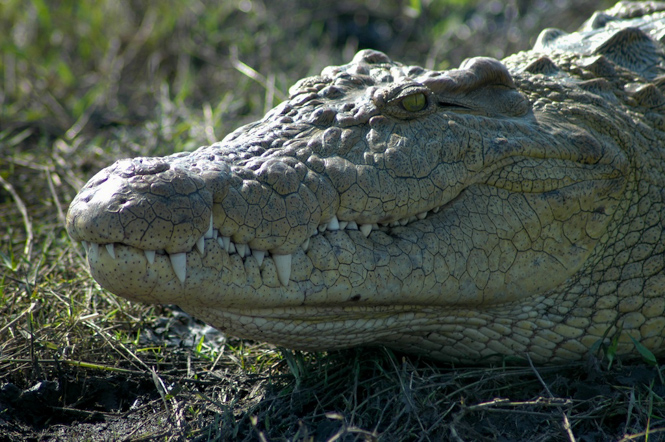
Nile crocodiles lurk in the park’s rivers, using their ambush tactics to capture unsuspecting prey at the water’s edge.

Popular

Popular

Gonarezhou National Park is home to an incredible variety of herbivores and other non-predatory species that thrive in its diverse ecosystems.

African Elephant
Gonarezhou, meaning “Place of Elephants,” is known for its large elephant population, often seen near the park’s iconic rivers.

Cape Buffalo
These formidable herbivores move in large herds, creating dramatic scenes as they graze and drink along riverbanks.

Plains Zebra
With their striking stripes, zebras roam the park’s open grasslands, forming cohesive herds for safety from predators.

Giraffe
Giraffes tower over the park’s landscapes, browsing on leaves from the tallest trees in the park’s woodlands.

Eland
The world’s largest antelope, eland are a rare but remarkable sight as they move gracefully across Gonarezhou’s plains.

Impala
This agile antelope is a keystone species in the park, providing sustenance for many of its predators.

Warthog
Known for their tusks and endearing quirks, warthogs forage across the park’s grasslands, often seen near waterholes.

Waterbuck
These shaggy-coated antelopes are commonly found near water sources, identifiable by the distinctive white ring on their rumps.

Kudu
With their spiraling horns and graceful movements, kudus inhabit the park’s bushy areas, feeding on leaves and shoots.

Hippo
Spending their days submerged in rivers and emerging at night to graze, hippos are a hallmark of Gonarezhou’s aquatic life.

Birds

Birds

Gonarezhou National Park is a birdwatcher’s paradise, with its rivers, cliffs, and woodlands providing vital habitats for an impressive array of avian species.

Pel’s Fishing Owl
This elusive and nocturnal bird is often found along rivers, preying on fish with its powerful talons.

African Fish Eagle
With its piercing call and iconic appearance, the African fish eagle is frequently spotted near the park’s waterways.

Southern Ground Hornbill
A charismatic ground-dwelling bird, the southern ground hornbill forages across Gonarezhou’s grasslands in family groups.

Lilac-breasted Roller
Its vibrant plumage and acrobatic flight make the lilac-breasted roller a highlight for birdwatchers.

Yellow-billed Stork
This striking wading bird frequents the park’s rivers and pans, feeding on fish and small aquatic creatures.

Goliath Heron
As the largest heron species, the Goliath heron is a regal presence along the park’s riverbanks and wetlands.

Secretary Bird
With its unique appearance and hunting skills, the secretary bird is often seen stalking prey on the ground in the park’s open areas.

White-backed Vulture
Essential scavengers, white-backed vultures soar above the park, cleaning up carrion and maintaining ecological balance.

Crested Francolin
A ground-dwelling bird, the crested francolin is frequently heard calling from the undergrowth in the park’s savannahs.

Helmeted Guineafowl
These social birds move in flocks across the park, foraging for seeds and insects in the grasslands.

Things To Do

Engaging Gonarezhou National Park

placeholder

Game Drives

Game drives in Gonarezhou National Park offer an unparalleled way to explore its diverse landscapes and observe its abundant wildlife. Guided by experienced rangers, these drives traverse open grasslands, riverine woodlands, and rugged cliffs, providing opportunities to spot elephants, lions, and giraffes.

The iconic Chilojo Cliffs are a must-see, offering breathtaking views of the Runde River and the surrounding plains. Early morning and late afternoon drives are especially rewarding, as wildlife is most active during these times.

Guides enhance the experience with fascinating insights into animal behaviors, conservation efforts, and the park’s ecological significance, making game drives an unforgettable adventure.

placeholder

Walking Safaris

Walking safaris provide a deeply immersive way to experience Gonarezhou, allowing visitors to connect with its wilderness on foot. Accompanied by skilled guides, participants can explore areas along the Runde River, where they may encounter wildlife like impalas, waterbucks, or even elephants.

Walks often focus on the smaller details of the ecosystem, such as animal tracks, plant life, and insects, which are easily overlooked during vehicle safaris. Safety and environmental stewardship are emphasized, ensuring a respectful and thrilling encounter with nature.

The serenity of walking through the park’s untouched landscapes creates a profound sense of connection to its beauty.

placeholder

Birdwatching

Gonarezhou’s rivers and wetlands are a haven for birdwatchers, offering opportunities to spot rare and endemic species. Guided birdwatching tours take visitors to key locations like the Runde and Save Rivers, where Pel’s fishing owl, African fish eagles, and yellow-billed storks can be observed.

Early mornings are ideal for these excursions, as the park comes alive with birdsong and activity. Guides provide binoculars and expertise, helping visitors identify species and understand their ecological roles.

The tranquil setting of the riverine habitats, combined with the thrill of spotting elusive birds, makes this activity a peaceful and rewarding experience for nature enthusiasts.