About

Kaboré Tambi National Park (French: Parc National Kaboré Tambi), formerly known as Pô National Park, is located in southern Burkina Faso along the border with Ghana. Established in 1976 and renamed in honor of former President Thomas Sankara’s close associate Kaboré Tambi, the park covers approximately 600 square miles (1,550 sq km).

It is the largest national park in Burkina Faso and occupies an important position within the Volta River Basin. The park lies south of the capital city of Ouagadougou and serves as one of the country’s most significant protected areas for wildlife and ecosystem conservation.

The park is best known for its expansive savanna landscapes and its role as a refuge for some of West Africa’s remaining large wildlife populations. Although less famous internationally than parks within the W-Arly-Pendjari Complex, Kaboré Tambi offers visitors an opportunity to experience authentic West African wilderness.

The park’s open grasslands, wooded savannas, and riverine habitats provide excellent opportunities for wildlife observation, birdwatching, and ecological exploration. Its relatively remote setting contributes to a sense of solitude and natural beauty that appeals to conservationists and adventurous travelers alike.

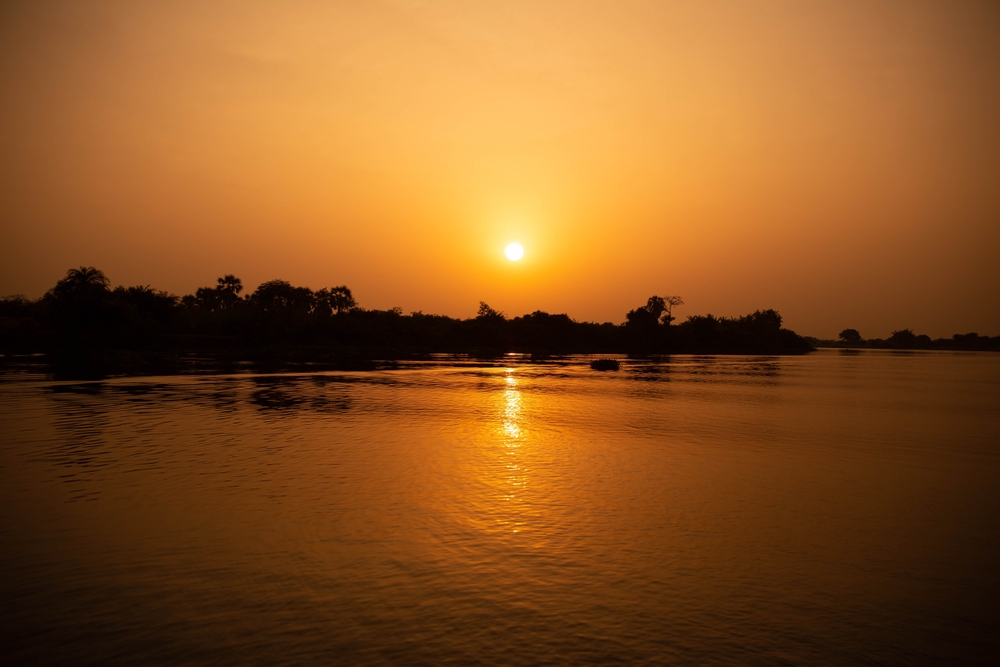
Geographically, Kaboré Tambi National Park is characterized by gently rolling plains, wooded savannas, gallery forests, and seasonal wetlands. The Nazinon River, also known as the White Volta, flows through the park and serves as a vital water source for wildlife.

During the rainy season, the landscape becomes lush and green, while the dry season transforms much of the park into golden grasslands punctuated by acacia trees and scattered woodlands. Gallery forests lining rivers and streams provide important habitat diversity and help sustain wildlife throughout the year. These varied ecosystems support a rich array of plant and animal species adapted to the region’s tropical savanna climate.

Wildlife remains one of the park’s greatest conservation assets. Mammals found within Kaboré Tambi include African elephants, buffalo, warthogs, bushbuck, waterbuck, kob, and several smaller antelope species. Primates such as baboons and patas monkeys are also present. Predators including leopards, spotted hyenas, and smaller carnivores inhabit the park, though they are rarely observed.

Birdlife is particularly impressive, with hundreds of species recorded. Eagles, hornbills, kingfishers, bee-eaters, storks, herons, and numerous migratory birds thrive in the park’s savannas and wetlands. Reptiles and amphibians are also abundant, especially near rivers and seasonal water bodies.

Kaboré Tambi National Park plays a crucial role in preserving one of Burkina Faso’s largest remaining natural ecosystems. The park protects wildlife habitats, safeguards important watersheds, and provides ecological connectivity between protected areas in Burkina Faso and neighboring Ghana. Its conservation mission is increasingly important as human development and land conversion place growing pressure on West Africa’s natural landscapes.

Ecologically, the park shares similarities with protected savanna reserves such as Mole National Park and Niokolo-Koba National Park, where large mammals and diverse birdlife persist within expansive savanna ecosystems. Through its wildlife, river systems, and extensive grasslands, Kaboré Tambi National Park remains one of Burkina Faso’s most valuable conservation areas and a vital sanctuary for West African biodiversity.

Things to See

Popular

Kaboré Tambi National Park, located in southern Burkina Faso along the Nazinon River, is a vital haven for an array of wildlife uniquely adapted to its savannah and riverine habitats.

African Elephant
These iconic giants traverse the park in small herds, utilizing the river’s resources for drinking and bathing during the dry season.

Roan Antelope
This robust antelope is easily identified by its large size and distinct facial markings, often spotted grazing in open savannah areas.

Patas Monkey
Known for their incredible speed and agility, patas monkeys are frequently seen darting across the grasslands in search of food.

Warthog
With their characteristic tusks and stout build, warthogs forage across the park’s plains, kneeling to dig for roots and bulbs.

Bushbuck
A shy and solitary antelope, the bushbuck stays close to the dense woodlands, where it feeds on leaves and shoots.

Spotted Hyena
This skilled predator and scavenger roams the park at night, contributing to ecological balance by consuming carrion.

Oribi
This small and elegant antelope is often seen in pairs, gracefully moving through the park’s grassy areas.

Aardvark
A nocturnal insectivore, the aardvark uses its powerful claws to dig into termite mounds, leaving behind signs of its nighttime activities.

Striped Hyena
Known for their distinctive striped coats, these scavengers patrol the park, cleaning up remains and keeping the ecosystem in check.

Cane Rat
This large rodent thrives near the park’s waterways, providing an essential food source for predators like hyenas.

Birds

Kaboré Tambi National Park’s blend of riparian and savannah habitats creates a sanctuary for a wide variety of bird species, offering endless opportunities for avian observation.

Abyssinian Roller
With its brilliant blue and turquoise feathers, the Abyssinian roller adds a burst of color to the park’s skies.

Northern Carmine Bee-eater
A stunning bird with vivid red plumage, the northern carmine bee-eater is often seen hunting insects in mid-flight.

Grey Crowned Crane
This regal bird, with its golden crest and graceful demeanor, is a striking presence in the park’s wetlands.

Senegal Coucal
A secretive bird, the Senegal coucal is often heard calling from dense vegetation before it is spotted.

Yellow-billed Stork
A large wading bird, the yellow-billed stork uses its long beak to sweep through shallow water for fish and small creatures.

African Fish Eagle
This majestic raptor, known for its unmistakable call, often perches near water, scanning for fish.

Bearded Vulture
With its dramatic appearance and unique diet of bones, the bearded vulture is an uncommon but impressive sight in the park.

Woodland Kingfisher
This small, brightly colored bird is frequently seen near the river, where it dives for small fish and insects.

Black-headed Weaver
A social bird, the black-headed weaver builds intricate nests in colonies, adding a lively dynamic to the park’s trees.

Martial Eagle
One of Africa’s most powerful birds of prey, the martial eagle commands the skies above the park’s open savannahs.

Things To Do

Engaging Kaboré Tambi National Park

placeholder

Game Drives

Safari drives through Kaboré Tambi National Park’s expansive savannahs provide thrilling encounters with its diverse wildlife. Guided tours in open 4×4 vehicles take visitors through key habitats, where animals like elephants, roan antelopes, and patas monkeys are commonly sighted.

Early morning and late afternoon drives offer the best opportunities to observe wildlife during their most active periods. Guides share fascinating details about animal behavior, local ecosystems, and conservation efforts, enriching the experience.

The breathtaking scenery, ranging from open plains to shaded woodlands, enhances the adventure, making every moment a chance to connect with nature.

placeholder

Nature Walks

Guided nature walks immerse visitors in the park’s flora and fauna while offering insights into the region’s cultural heritage. These walks traverse diverse terrains, from grassy savannahs to shady woodlands, with opportunities to observe smaller animals and unique plant species.

Visitors can also engage with local communities, learning about traditional practices and the cultural significance of the park’s resources. Some tours include demonstrations of sustainable crafts or storytelling sessions about the region’s history.

This blend of nature and culture provides a holistic experience, deepening appreciation for the park’s ecological and cultural richness.

placeholder

Birdwatching

The Nazinon River is a lifeline for both wildlife and birdlife in Kaboré Tambi National Park, offering excellent opportunities for birdwatching. Guided walks along the riverbanks allow visitors to spot an array of species, including Abyssinian rollers, grey crowned cranes, and yellow-billed storks.

Mornings and evenings are particularly rewarding, as the soft light illuminates the vibrant colors of the birds. Knowledgeable guides help identify both resident and migratory species, providing binoculars and insights into their habits.

This serene activity combines the thrill of discovery with the peaceful ambiance of the park’s riparian areas.