

About
Ruvubu National Park, known locally as Parc National de la Ruvubu in French, is located in northeastern Burundi and follows the course of the Ruvubu River, the country’s longest river. The park covers approximately 196 square miles (508 sq km) and stretches across several provinces, creating the largest protected area in Burundi.
Established in 1980, Ruvubu National Park protects a vital riverine ecosystem and serves as one of the nation’s most important conservation areas. The park lies east of Kibira National Park and preserves a diverse landscape of wetlands, grasslands, forests, and savannas. Its size and ecological importance make it a cornerstone of biodiversity conservation in Burundi.
Ruvubu National Park is best known for its extensive river system, abundant wildlife, and scenic natural landscapes. Unlike the mountainous forests that characterize much of Burundi, Ruvubu offers visitors expansive floodplains, winding waterways, and open savannas that support a wide variety of species.
The park provides opportunities for wildlife viewing, birdwatching, nature photography, and ecological exploration. Its relatively undeveloped character allows visitors to experience a landscape that remains largely shaped by natural processes. The meandering Ruvubu River forms the heart of the park and creates habitats that sustain wildlife throughout the year.
The geography of Ruvubu National Park is dominated by the Ruvubu River and its associated floodplains. The river winds through broad valleys bordered by rolling hills and grass-covered landscapes. Seasonal flooding enriches soils and supports productive wetlands that are essential for both wildlife and vegetation.
The park contains a mosaic of habitats, including riverine forests, papyrus swamps, savannas, woodlands, and open grasslands. These ecosystems provide important ecological functions and contribute to the park’s remarkable biodiversity. The combination of permanent water sources and varied terrain creates favorable conditions for wildlife and helps distinguish Ruvubu from many other protected areas in the region.
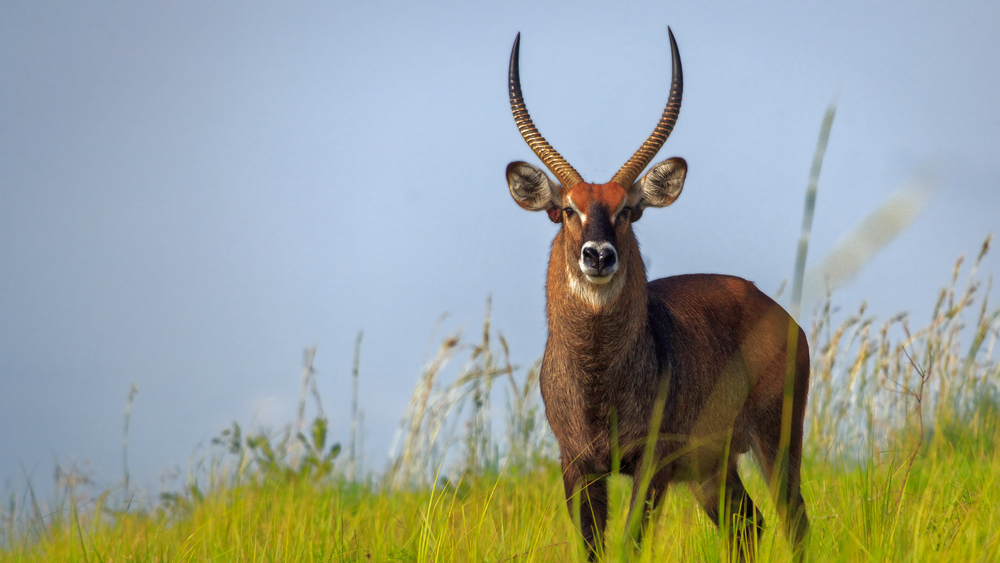
Wildlife within Ruvubu National Park includes some of Burundi’s most significant remaining populations of large mammals. Hippopotamuses are among the park’s most iconic species and are commonly found along the river and in associated wetlands. Other mammals include African buffalo, bushbuck, waterbuck, reedbuck, warthog, vervet monkey, olive baboon, and several small carnivores. Although large predators have declined over time, the park continues to provide important habitat for a variety of wildlife.
Birdlife is especially impressive, with more than 400 recorded species. Herons, storks, kingfishers, fish eagles, bee-eaters, and numerous migratory birds utilize the riverine habitats and wetlands. The diversity of birdlife makes the park one of the premier birdwatching destinations in Burundi.
Ruvubu National Park plays a critical role in protecting Burundi’s largest remaining riverine ecosystem and preserving habitats that support both resident and migratory wildlife. The park safeguards wetlands, floodplains, and forests that contribute to regional biodiversity and help maintain water quality throughout the watershed. Its ecological significance can be compared to other major river conservation areas in Africa, where waterways serve as lifelines for both wildlife and human communities.
While smaller than famous river systems such as those found in South Luangwa National Park or Selous Game Reserve, Ruvubu fulfills a similarly important role within Burundi. Today, the park remains one of the nation’s most valuable natural treasures, preserving biodiversity, protecting vital habitats, and offering visitors a glimpse into one of East Africa’s most important river landscapes.
Things to See
Things To Do
Engaging Ruvubu National Park

FAQ’s
What is the main reason people visit Ruvubu National Park?
Ruvubu National Park is the largest national park in Burundi and is primarily visited for its wildlife viewing, scenic river landscapes, and relatively untouched savanna ecosystem.
Unlike Kibira National Park’s rainforest environment, Ruvubu offers open grasslands, riverine forests, wetlands, and the opportunity to see large mammals such as buffalo, antelope, hippopotamus, and crocodiles.
Visitors come to experience one of the few places in Burundi where traditional African savanna wildlife can still be observed in a natural setting.
What animals can visitors hope to see in Ruvubu National Park?
Ruvubu National Park supports approximately 70 mammal species and more than 20 reptile species. The park’s combination of savanna, woodland, wetlands, and river habitats provides refuge for many of Burundi’s largest remaining populations of mammals.
Some of the most popular animals found in Ruvubu National Park include:
- African Buffalo
- Hippopotamus
- Nile Crocodile
- Leopard
- Spotted Hyena
- Side-striped Jackal
- Serval
- African Civet
- Large-spotted Genet
- Small-spotted Genet
- White-tailed Mongoose
- Egyptian Mongoose
- Marsh Mongoose
- Slender Mongoose
- Bushbuck
- Common Reedbuck
- Bohor Reedbuck
- Waterbuck
- Roan Antelope
- Sable Antelope
- Eland
- Impala
- Oribi
- Common Duiker
- Red Duiker
- Bush Pig
- Warthog
- Sitatunga
- Defassa Waterbuck
- Blue Monkey
- Vervet Monkey
- Olive Baboon
- Red-tailed Monkey
- Chimpanzee (rare in forested sections)
- Tree Hyrax
- African Hare
- Cane Rat
- Porcupine
- Giant Pouched Rat
- African Clawless Otter
- Congo Clawless Otter
- African Wildcat
- Caracal
- Honey Badger
- Ground Pangolin
- Bush Squirrel
- Sun Squirrel
- Dormouse Species
- Fruit Bat Species
- Insectivorous Bat Species
What birds can visitors hope to see in Ruvubu National Park?
Ruvubu National Park is one of Burundi’s premier birdwatching destinations, with more than 425 recorded bird species. The park hosts a mixture of resident savanna birds, wetland specialists, raptors, and migratory species that travel through East Africa. The Ruvubu River and its floodplains provide particularly important habitat for waterbirds.
Some of the most popular birds seen in Ruvubu National Park include:
- African Fish Eagle
- Grey Crowned Crane
- Saddle-billed Stork
- Marabou Stork
- Yellow-billed Stork
- African Openbill
- Goliath Heron
- Purple Heron
- Grey Heron
- Black-headed Heron
- Great Egret
- Intermediate Egret
- Little Egret
- Hamerkop
- Shoebill (rare visitor)
- Sacred Ibis
- Hadada Ibis
- Glossy Ibis
- Spur-winged Goose
- Egyptian Goose
- Knob-billed Duck
- White-faced Whistling Duck
- African Jacana
- Black Crake
- Common Moorhen
- Allen’s Gallinule
- Pied Kingfisher
- Malachite Kingfisher
- Giant Kingfisher
- Woodland Kingfisher
- Lilac-breasted Roller
- European Roller
- Abyssinian Ground Hornbill
- African Grey Hornbill
- Black-and-White-Casqued Hornbill
- Secretarybird
- Martial Eagle
- Bateleur
- African Hawk-Eagle
- Wahlberg’s Eagle
- Tawny Eagle
- African Harrier-Hawk
- Augur Buzzard
- White-backed Vulture
- Lappet-faced Vulture
- Rüppell’s Vulture
- Red-billed Oxpecker
- Yellow-billed Oxpecker
- Village Weaver
- Southern Red Bishop
Is Ruvubu National Park worth visiting?
Yes, Ruvubu National Park is worth visiting for travelers seeking an authentic and little-visited African wildlife experience. It is Burundi’s largest protected area and offers opportunities to see large mammals, diverse birdlife, scenic rivers, and open savanna landscapes.
The primary limitation is that tourism infrastructure is still developing. Visitors should not expect the extensive safari facilities found in famous parks such as the Serengeti National Park or Kruger National Park. Those seeking remote wilderness and fewer tourists, however, often find Ruvubu especially rewarding.
What is the best time to visit Ruvubu National Park?
The best time to visit Ruvubu National Park is during the dry season from June through September.
During this period:
- Wildlife is easier to spot around rivers and water sources.
- Roads are generally more accessible.
- Birdwatching remains excellent.
- Temperatures are comfortable for game viewing.
The wet season from October through May brings lush vegetation and excellent bird activity, although wildlife can be harder to locate.
How many days do you need to visit Ruvubu National Park?
Most visitors should plan for 2 to 3 days.
- 1 day: Basic wildlife viewing and river exploration.
- 2 days: Comprehensive game viewing and birdwatching.
- 3 days: Full exploration of multiple habitats, photography, and birding opportunities.
Wildlife enthusiasts may wish to spend additional time due to the park’s large size.
How do you get to Ruvubu National Park?
Ruvubu National Park is located in eastern Burundi near the border with Tanzania.
Most visitors:
- Fly into Melchior Ndadaye International Airport in Bujumbura.
- Travel by road to the park.
The drive typically takes between 4 and 6 hours depending on the chosen entrance and road conditions. Many visitors arrange transportation through local tour operators or guides familiar with the region.
Is Ruvubu National Park safe for tourists?
Ruvubu National Park is generally safe for tourists when visited with authorized guides and operators.
Visitors should:
- Travel with local guides.
- Follow park regulations.
- Avoid approaching wildlife.
- Stay informed about current travel advisories.
- Use established transportation providers.
As with travel anywhere in Burundi, checking current security conditions before travel is advisable.
Who is involved in protecting and supporting Ruvubu National Park?
Several organizations contribute to the protection of Ruvubu National Park:
- Institut National pour l’Environnement et la Conservation de la Nature (INECN) – the government agency responsible for managing Burundi’s protected areas.
- Association Burundaise pour la Protection de la Nature (ABN) – supports conservation awareness and environmental protection initiatives.
- Association pour la Protection des Ressources Naturelles pour le Bien-Être de la Population au Burundi (APRN-BEPB) – works on natural resource conservation and community engagement.
- Local communities surrounding the park who participate in conservation efforts, habitat protection, and sustainable land-use initiatives.
Is Ruvubu National Park the largest national park in Burundi?
Yes. Ruvubu National Park is Burundi’s largest protected area, covering approximately 508 square kilometers (196 square miles). It protects a significant portion of the Ruvubu River ecosystem and contains some of the country’s most important wildlife habitat.
What makes Ruvubu National Park different from Kibira National Park?
The two parks protect very different ecosystems. Kibira National Park is a montane rainforest known for chimpanzees, forest primates, and Albertine Rift birds. Ruvubu National Park is a savanna and river ecosystem known for buffalo, antelope, hippopotamus, crocodiles, and wetland birdlife. Together, they represent Burundi’s two most important and contrasting protected landscapes.