

About
Akagera National Park, known locally as Parc National de l’Akagera in French and Pariki y’Igihugu y’Akagera in Kinyarwanda, is located in eastern Rwanda along the border with Tanzania. The park covers approximately 433 square miles (1,122 sq km) and is Rwanda’s largest protected area.
Established in 1934, the park stretches along the Akagera River and encompasses an extensive network of lakes, wetlands, savannas, and woodlands. It lies east of Kigali and complements Rwanda’s other major protected areas, including Volcanoes National Park and Nyungwe Forest National Park. Together, these parks protect a remarkable range of ecosystems that make Rwanda one of Africa’s most biodiverse countries.
Akagera National Park is best known for offering Rwanda’s premier savanna safari experience. Unlike the country’s mountain and rainforest parks, Akagera features sweeping grasslands, open plains, and abundant large mammals that create classic African safari landscapes. Visitors are drawn by opportunities to observe the Big Five, including lion, leopard, elephant, buffalo, and rhinoceros.
Boat safaris on Lake Ihema provide close views of hippos, crocodiles, and waterbirds, while game drives reveal wildlife across the park’s diverse habitats. The park’s successful conservation story, which includes the reintroduction of lions and black rhinos, has transformed Akagera into one of Africa’s leading examples of wildlife restoration and protected area management.
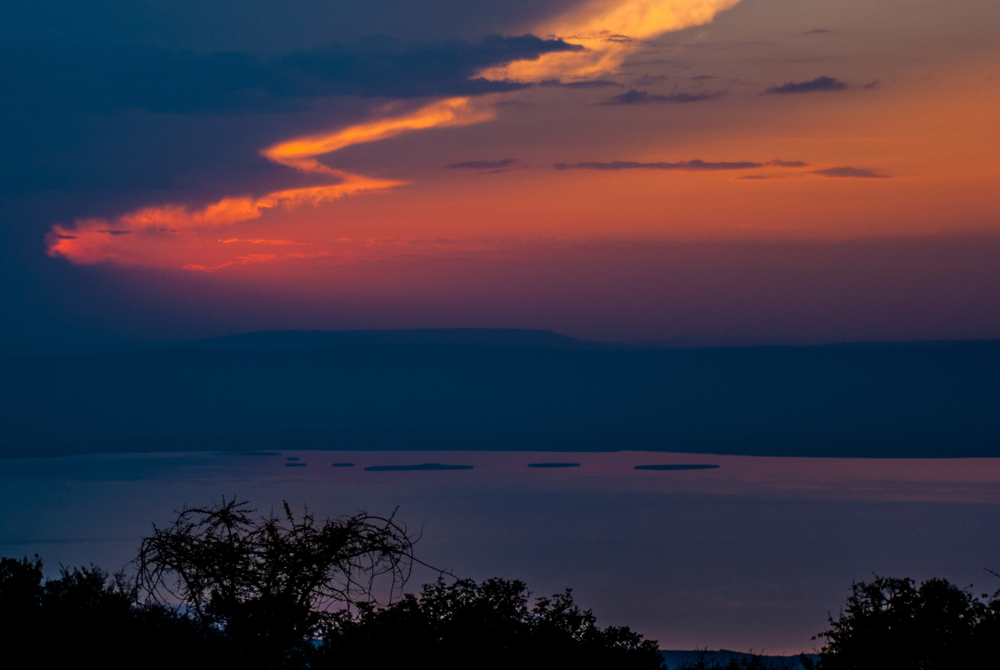
The geography of Akagera National Park is shaped by the Akagera River system and a chain of interconnected lakes that form part of the upper Nile watershed. The landscape consists of rolling savannas, acacia woodlands, papyrus wetlands, seasonal floodplains, and forested hills. More than ten lakes occur within the park, including Lake Ihema, the second-largest lake in Rwanda.
The wetlands provide critical habitat for aquatic species, while grasslands and woodlands support large herbivores and predators. This remarkable variety of ecosystems creates a dynamic landscape where wildlife thrives throughout the year and contributes significantly to the park’s ecological richness.
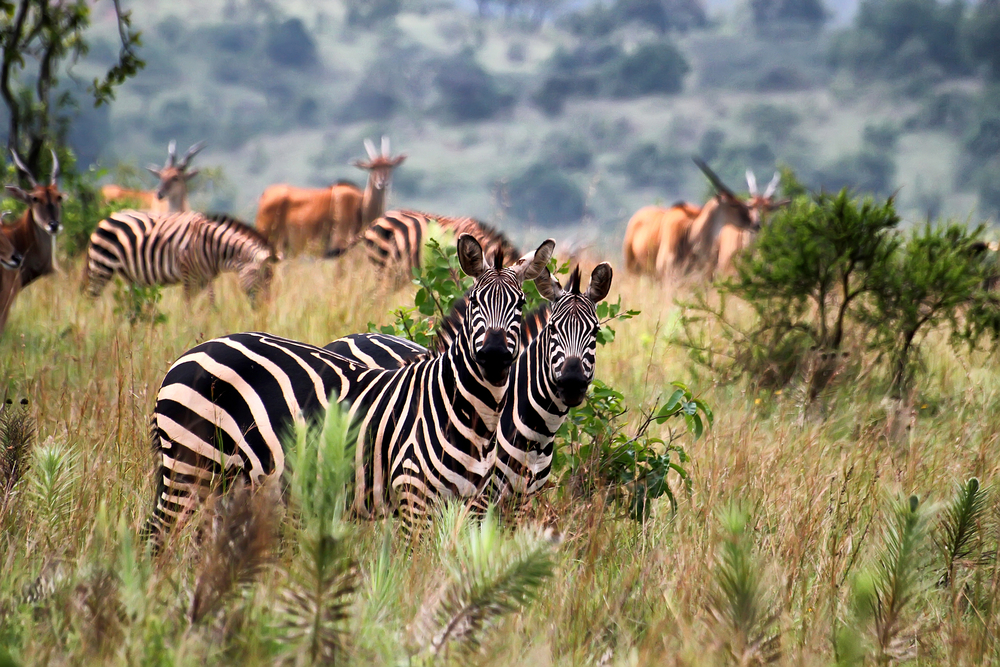
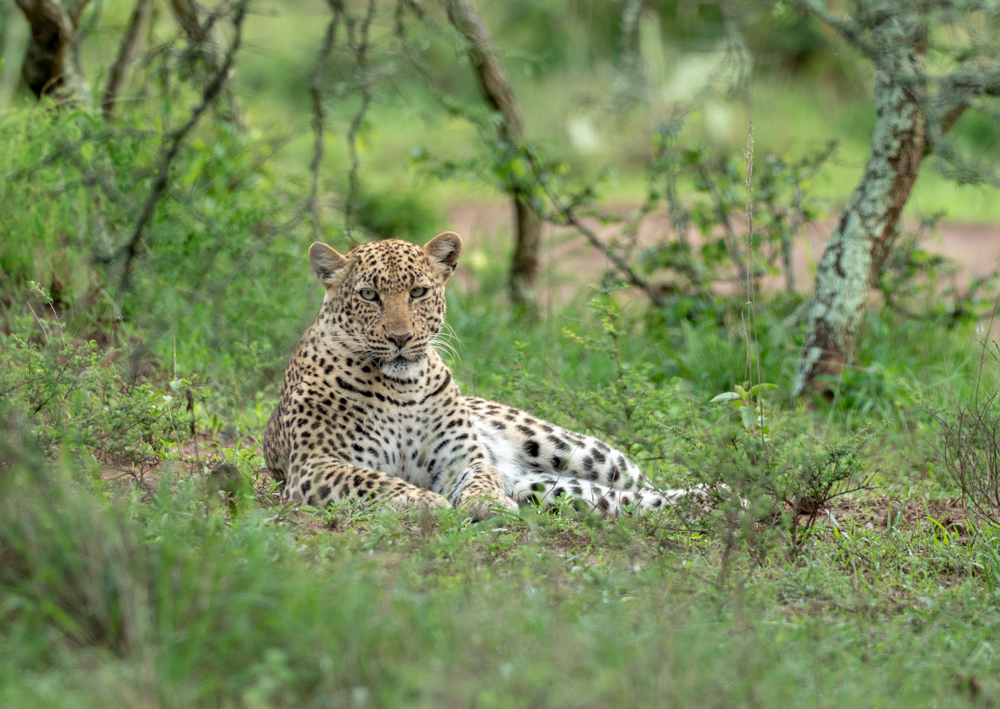
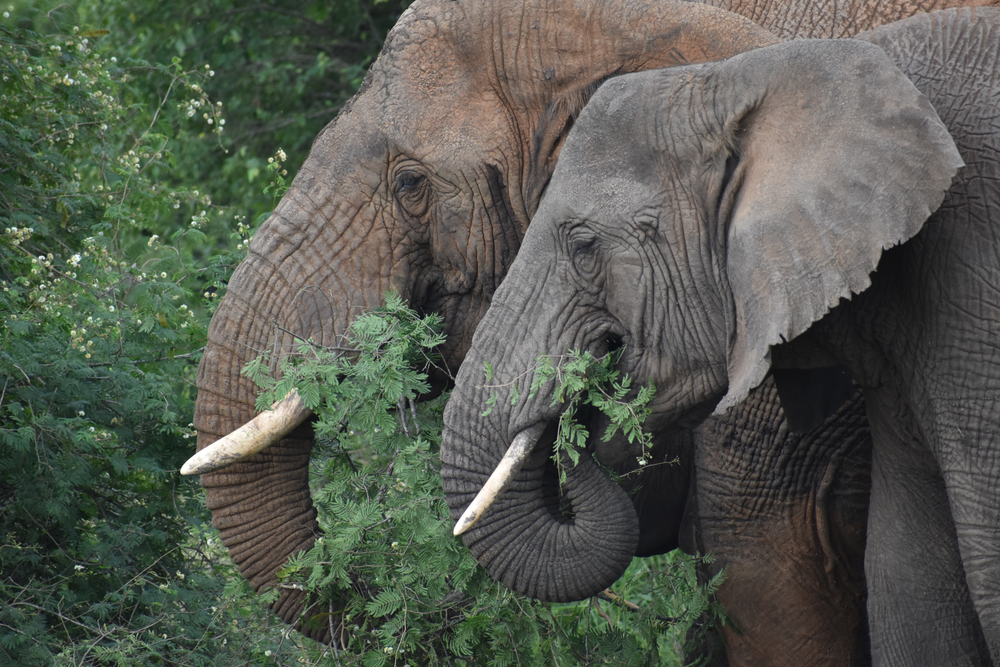
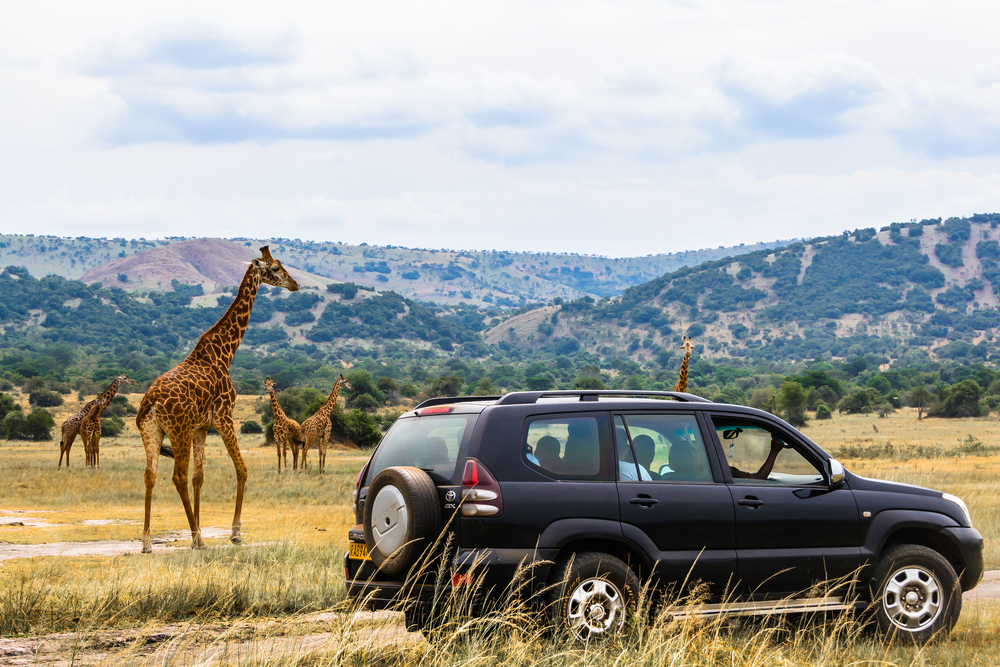
Wildlife is one of Akagera National Park’s greatest attractions. The park supports healthy populations of elephant, buffalo, giraffe, zebra, topi, eland, impala, waterbuck, and numerous other antelope species. Following successful reintroduction efforts, lions and black rhinos once again roam the park, restoring the complete Big Five experience. Leopards remain elusive but are regularly recorded throughout the protected area.
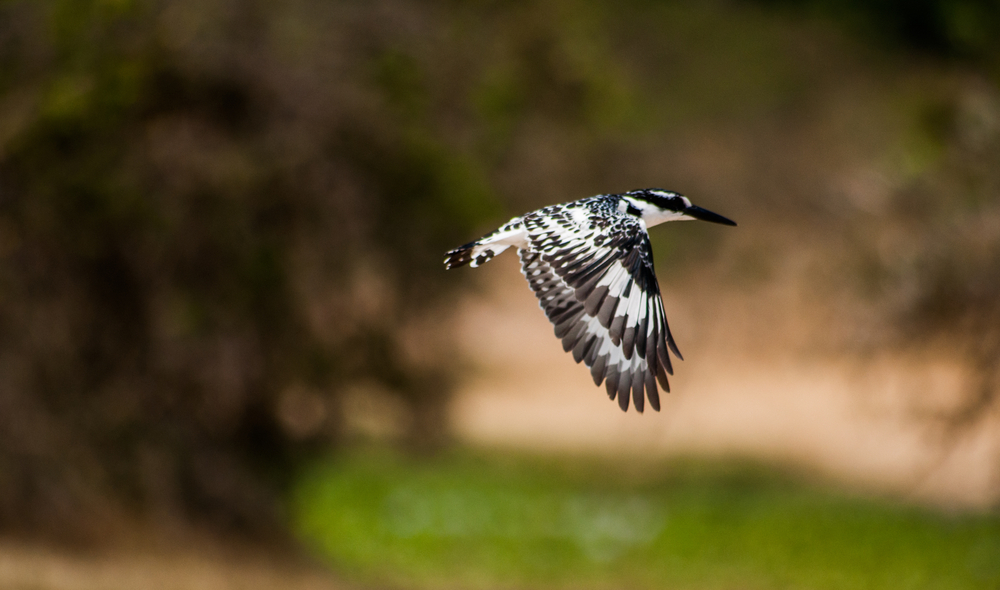
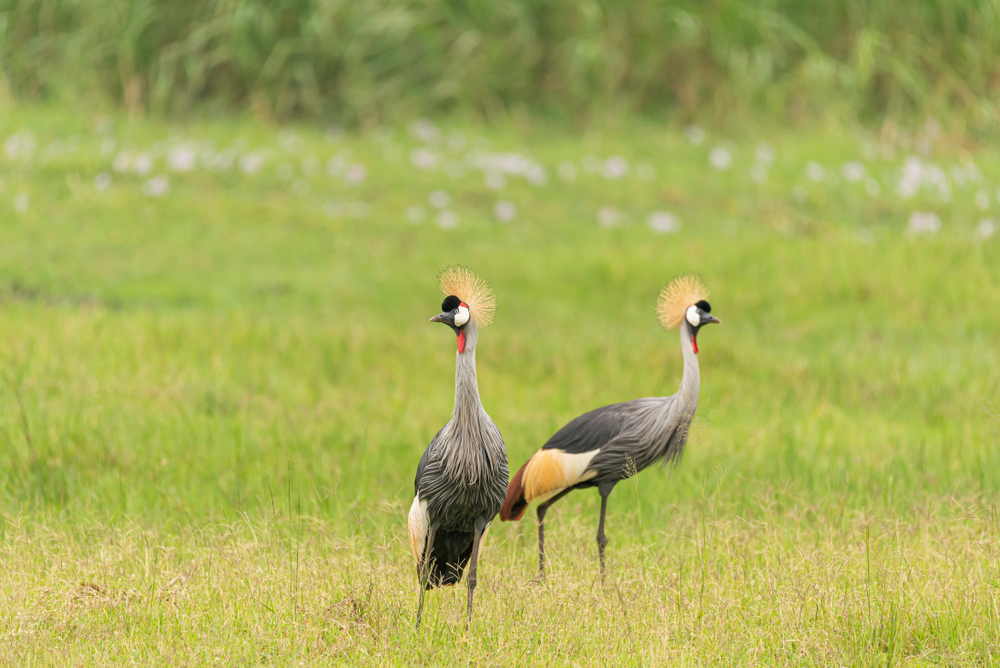
Hippopotamuses and Nile crocodiles inhabit the lakes and wetlands, while more than 500 bird species have been documented within the park. Notable birds include the rare shoebill, African fish eagle, papyrus gonolek, kingfishers, herons, and numerous migratory species. This diversity makes Akagera one of East Africa’s finest destinations for both wildlife viewing and birdwatching.
Akagera National Park plays a critical role in conserving Rwanda’s largest savanna ecosystem and one of the most important wetland complexes in the region. The park protects vital habitats for endangered species, safeguards important watersheds, and preserves ecological processes that support biodiversity across eastern Rwanda.
Its conservation success is often compared to restoration efforts in parks such as Gorongosa National Park, where long-term management has helped wildlife populations recover dramatically. Today, Akagera stands as a symbol of Rwanda’s commitment to conservation, offering visitors an extraordinary blend of wildlife, landscapes, and ecological resilience while protecting one of Africa’s most inspiring conservation success stories.
Things to See
Things To Do
Engaging Akagera National Park
Sources
Africa Parks, Akagera National Park, https://www.africanparks.org/the-parks/akagera, retrieved August 2024.
Park Site, Akagera National Park, https://www.akageranationalpark.org/, retrieved August 2024.
Park site, Akagera National Park, https://www.akageranationalparkrwanda.org/, retrieved August 2024.
Visit Akagera, Akagera National Park, https://visitakageranationalpark.com/, retrieved August 2024.
Visit Rwanda, Akagera National Park, https://visitrwanda.com/destinations/akagera-national-park/, August 2024.