

About
Matobo National Park, the park is located in southwestern Zimbabwe approximately 22 miles (35 km) south of the city of Bulawayo. The park covers approximately 164 square miles (424 sq km) and forms the core of the larger Matobo Hills region, a UNESCO World Heritage Site.
Established in 1926, Matobo is the oldest national park in Zimbabwe and protects one of Africa’s most distinctive cultural and geological landscapes. The park lies southeast of Hwange National Park and preserves a remarkable combination of granite hills, wildlife habitats, and archaeological treasures. Its unique scenery and rich cultural heritage make it one of Zimbabwe’s most significant protected areas.
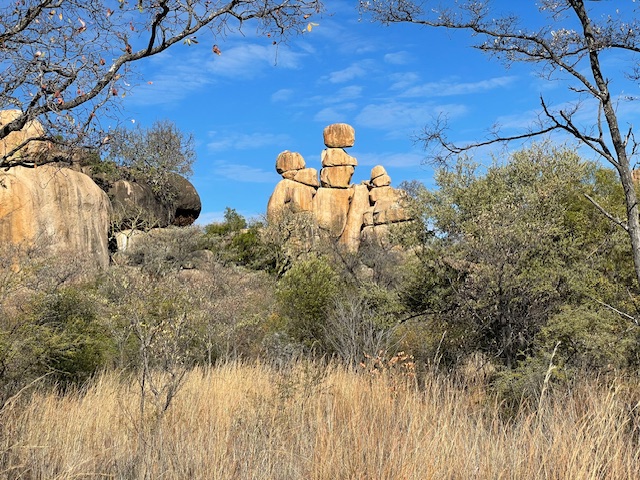
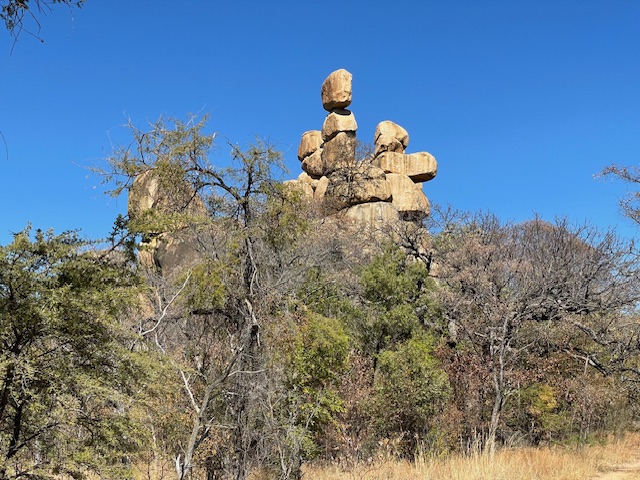
Matobo National Park is best known for its spectacular granite rock formations, ancient rock art, and exceptional concentrations of rhinoceroses. The landscape is dominated by balancing rock formations, massive granite domes, and weathered hills known locally as “kopjes.” These dramatic features have inspired generations of visitors and hold deep spiritual significance for local communities.
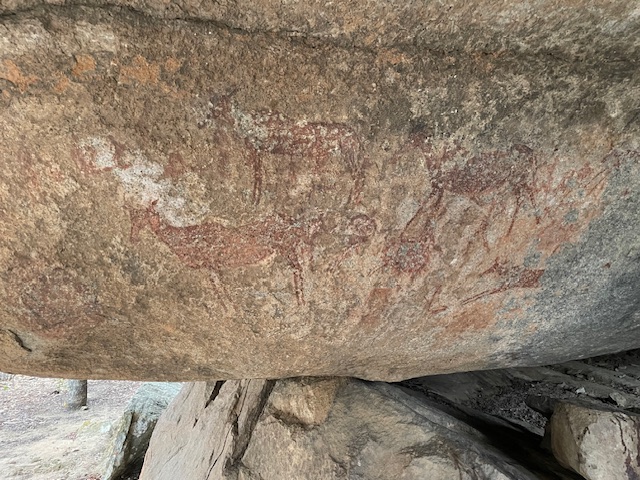
The park is also famous for its archaeological sites, which contain thousands of years of human history preserved in rock paintings created by the San people. Visitors come to explore scenic viewpoints, cultural heritage sites, wildlife habitats, and one of southern Africa’s most visually distinctive landscapes.
The geography of Matobo National Park is unlike any other in Africa. The region consists of ancient granite formations that were created more than two billion years ago and later sculpted by erosion into rounded hills, caves, and striking balancing rocks. Valleys, seasonal streams, grasslands, and woodlands weave through the rocky terrain, creating a mosaic of habitats.
Vegetation includes savanna grasslands, acacia woodlands, riverine forests, and patches of shrubland. The rugged topography provides shelter for wildlife while creating scenic vistas that stretch across the surrounding countryside. These geological formations have also created numerous caves and overhangs that contain important archaeological and cultural sites.
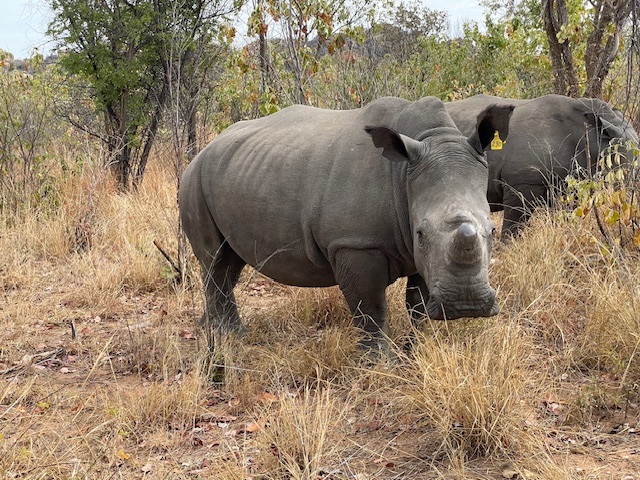
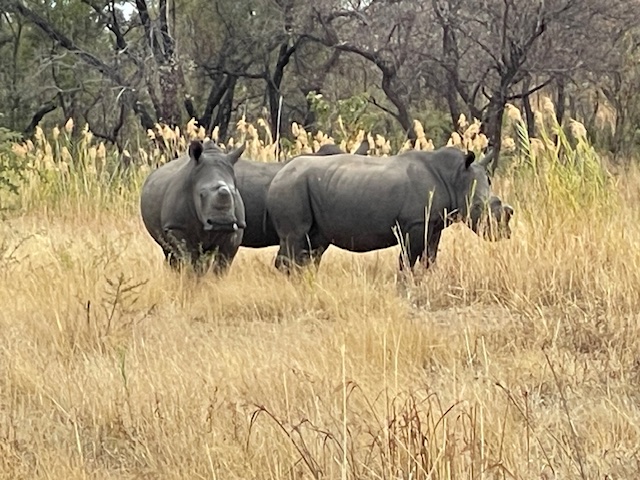
Wildlife within Matobo National Park is both diverse and conservation-focused. The park is internationally recognized as one of the best places in Africa to observe both black and white rhinoceroses. Other large mammals include leopard, giraffe, zebra, sable antelope, impala, kudu, and warthog. Although lions and elephants are absent from the park, Matobo supports one of the highest densities of leopards in Africa.
Birdlife is equally impressive, with more than 300 recorded species. The park is particularly renowned for its raptors, including Verreaux’s eagle, which nests among the granite cliffs. Vultures, falcons, hornbills, kingfishers, and numerous woodland birds further enrich the park’s biodiversity.
Matobo National Park plays a vital role in protecting both natural and cultural heritage. The park safeguards endangered rhinoceroses, important bird populations, and one of Africa’s most significant collections of prehistoric rock art. Its conservation value extends beyond wildlife to include sacred cultural landscapes and archaeological sites that provide insight into thousands of years of human history.
The park’s significance is often compared to places such as Tsodilo Hillsand Twyfelfontein, where natural beauty and cultural heritage are inseparably linked. Today, Matobo National Park stands as one of Zimbabwe’s most treasured protected areas, preserving a landscape where geology, wildlife, history, and culture come together in a truly extraordinary setting.
Things to See
Things To Do
Engaging Matobo National Park
FAQ’s
What is Matobo National Park known for?
Matobo National Park, located in Zimbabwe, is renowned for several distinctive features that make it a unique and captivating destination:
- Stunning Rock Formations: The park is famous for its dramatic granite kopjes and balancing rocks, which create a breathtaking and rugged landscape. These ancient geological formations are among the oldest on Earth, dating back over two billion years.
- Rich Wildlife: The park is home to diverse wildlife, including significant populations of white and black rhinoceroses, leopards, giraffes, zebras, and various antelope species. Bird enthusiasts can also find a variety of bird species, including the majestic Verreaux’s eagle.
- Ancient Rock Art: Matobo National Park boasts some of the most well-preserved and extensive rock art sites in southern Africa. The rock paintings, created by the San (Bushmen) people, date back over 13,000 years and depict scenes of hunting, daily life, and spiritual rituals.
- Cultural and Spiritual Significance: The Matobo Hills are considered sacred by the local Ndebele people and are believed to be the dwelling place of spirits. This spiritual connection adds a profound cultural dimension to the park’s natural beauty.
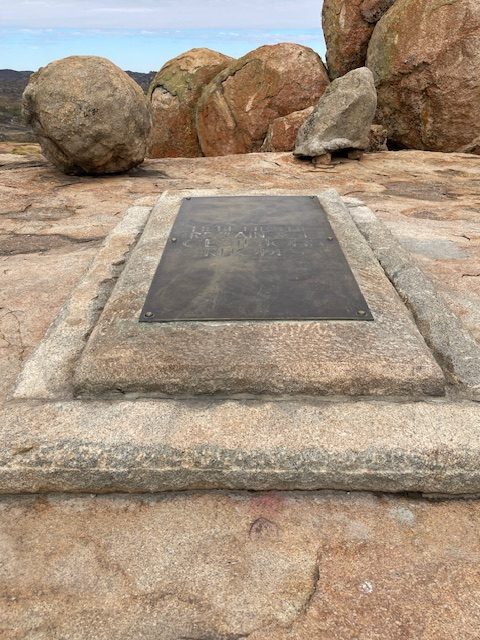
- Cecil Rhodes’ Grave: The grave of British colonialist Cecil Rhodes is located at a site known as “World’s View” within the park. This spot offers stunning panoramic views of the surrounding landscape and is a popular viewpoint for visitors.
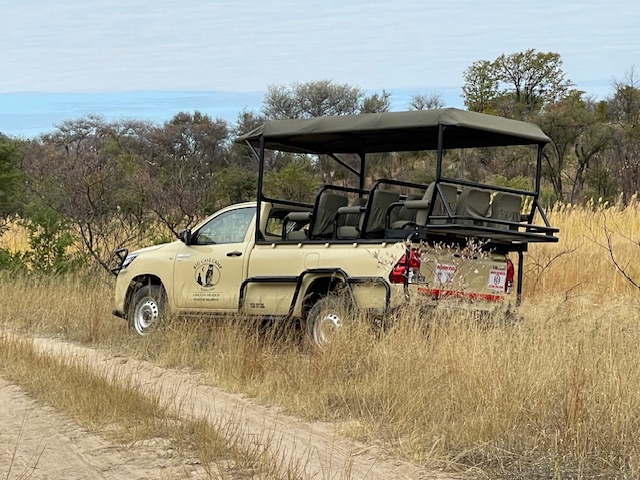
- Rhino Walks and Game Drives: The park offers unique wildlife experiences such as guided rhino walks and game drives, allowing visitors to observe and learn about the park’s diverse fauna in their natural habitat.
Matobo National Park’s combination of geological wonders, rich biodiversity, ancient art, and cultural heritage makes it a must-visit destination for anyone traveling to Zimbabwe.
How big is Matobo National Park?
Matobo National Park, located in Zimbabwe, covers an area of 164 square miles (424 square kilometers). This expansive park is known for its unique and dramatic landscapes, rich biodiversity, and cultural significance. The park’s size allows for the preservation of its diverse ecosystems, which include granite kopjes, wooded valleys, and open grasslands, providing a habitat for a wide range of wildlife and plant species.
Sources
Expert Africa, Matobo National Park, https://www.expertafrica.com/zimbabwe/matobo-national-park, retrieved July 2024.
UNESCO, Matobo Hills, https://whc.unesco.org/en/list/306/, retrieved July 2024.
Zimbabwe Connections, Rhodes Matopas National Park, http://www.zimbabweconnections.com/matopas-np/, retrieved July 2024.
Zimbabwe Tourism Authority, Matobo National Park, https://zimbabwetourism.net/portfolios/matobo-hills/, retrieved July 2024.