

About
Isalo National Park (Malagasy: Parc National de l’Isalo) is located in southwestern Madagascar near the town of Ranohira in the Ihorombe Region. Established in 1962, the park covers approximately 315 square miles (815 sq km) and protects one of Madagascar’s most iconic and visually striking landscapes.
Isalo lies within a transition zone between the island’s humid eastern forests and arid southern regions, creating a unique blend of ecosystems and scenery. The park is often considered Madagascar’s premier destination for dramatic desert-like landscapes, deep canyons, and unusual rock formations.
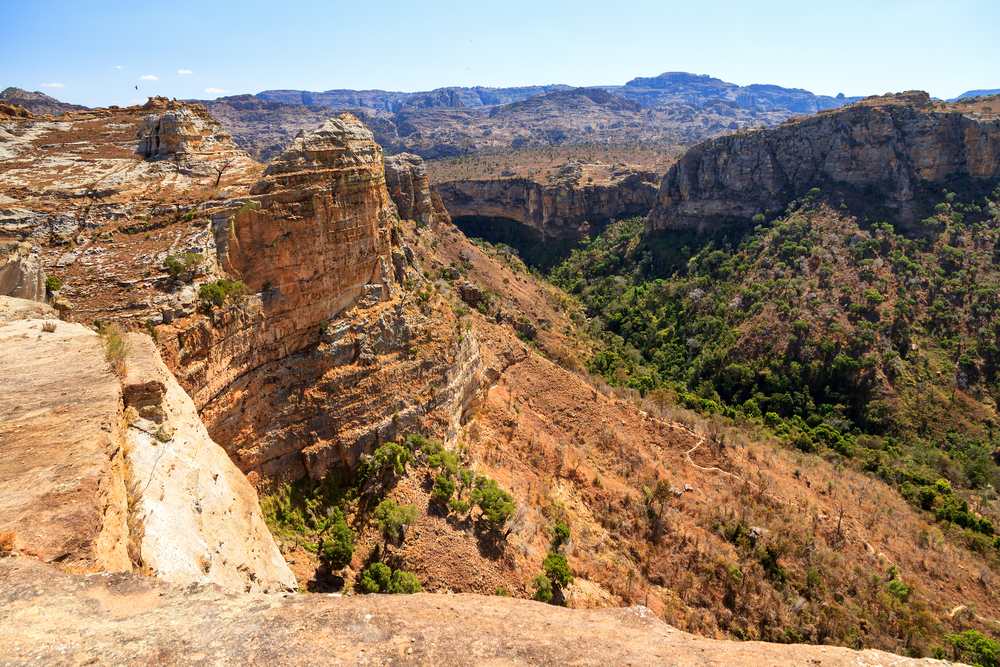
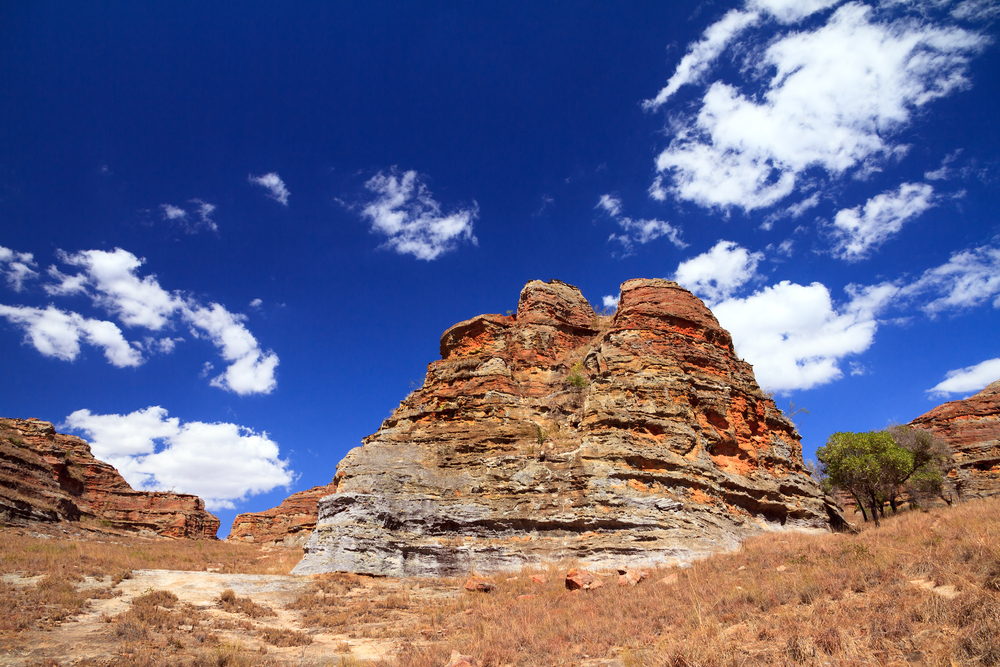
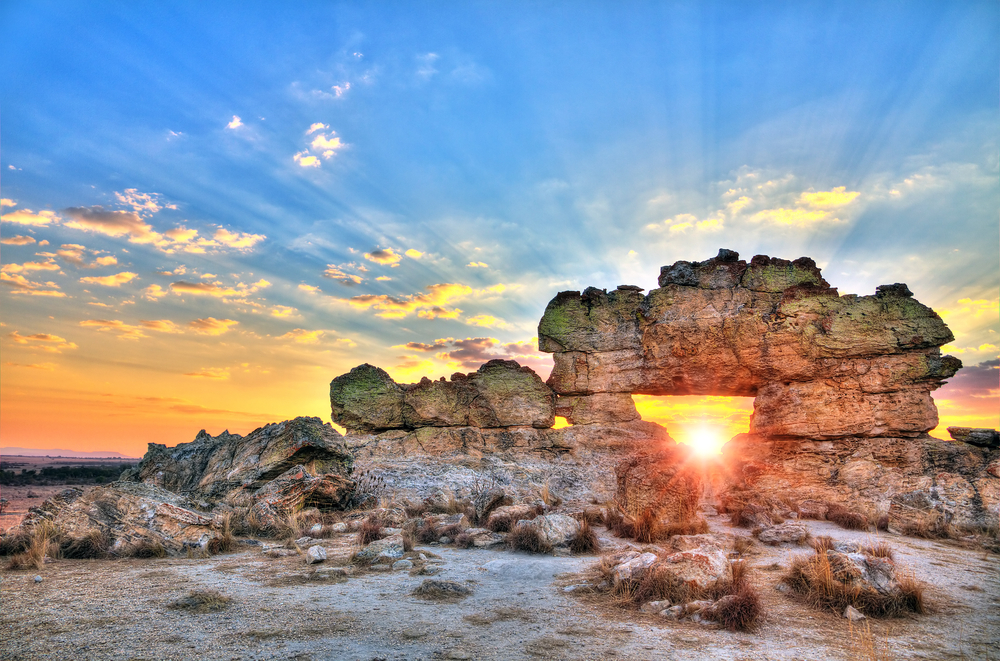
The park is best known for its spectacular sandstone formations that have been sculpted over millions of years by wind and water erosion. Towering cliffs, narrow canyons, natural arches, rocky pinnacles, and vast plateaus create landscapes often compared to the American Southwest.
Visitors are drawn to Isalo for its scenic hiking trails that lead through hidden oases, palm-lined pools, waterfalls, and panoramic overlooks. Popular attractions include the Canyon des Singes, Piscine Naturelle, and the breathtaking sunset viewpoints where the sandstone glows in shades of gold, orange, and red. The park’s striking scenery makes it one of the most photographed locations in Madagascar.
Geographically, Isalo National Park is dominated by a massive sandstone massif that rises above surrounding grasslands and savannas. Over time, erosion carved intricate canyons and valleys into the plateau, producing a maze-like landscape filled with hidden streams and sheltered habitats.
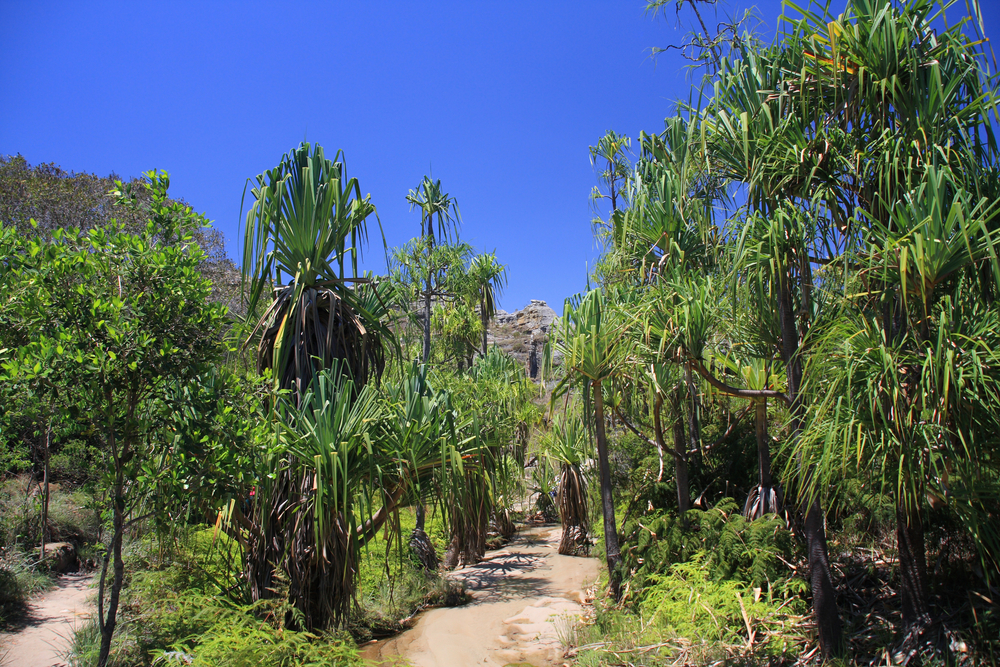
The vegetation reflects the region’s dry climate but varies significantly depending on elevation and water availability. Grasslands cover open areas, while canyon bottoms support lush gallery forests with pandanus, palms, ferns, and endemic plants nourished by permanent water sources. These isolated green refuges provide essential habitat for wildlife in an otherwise harsh environment.
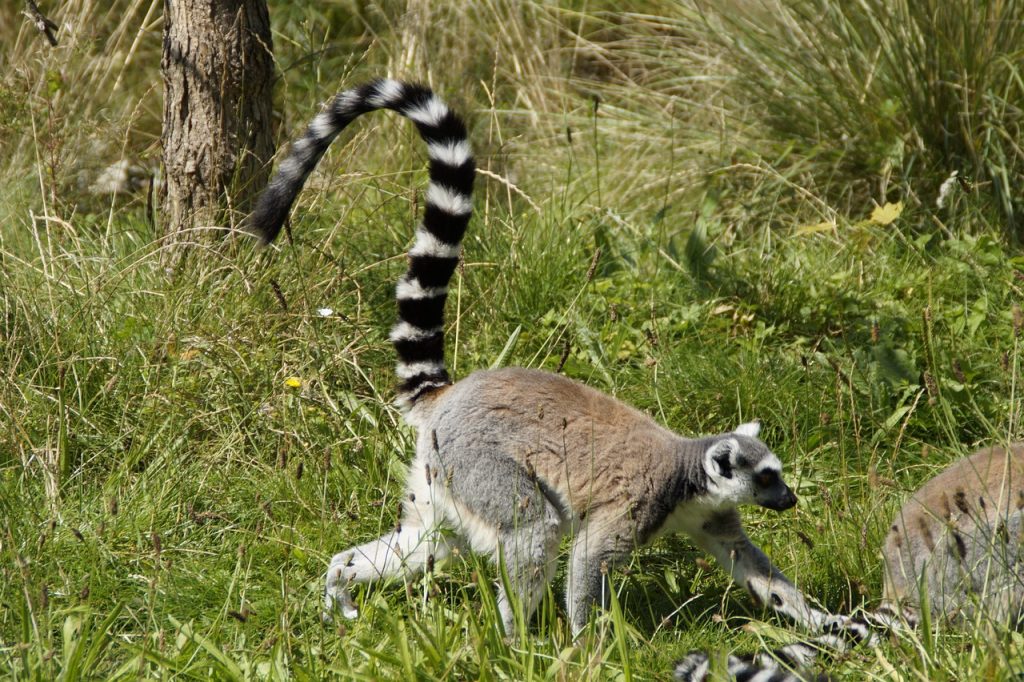
Wildlife within the park is uniquely adapted to the dry and rugged conditions. Several species of lemurs inhabit Isalo, including ring-tailed lemurs, Verreaux’s sifakas, and red-fronted brown lemurs. Birdlife is diverse, with species such as Benson’s rock thrush, Madagascar kestrels, couas, and numerous endemic birds commonly observed.
Reptiles thrive in the warm climate and include colorful chameleons, geckos, and lizards. The park also supports rare plants specially adapted to drought and rocky terrain, many of which are found nowhere else on Earth. This high level of endemism reflects Madagascar’s long isolation and extraordinary evolutionary history.
Isalo National Park plays an important role in protecting Madagascar’s unique dry ecosystems and endemic wildlife. The park preserves fragile habitats increasingly threatened by deforestation, fire, and overgrazing in surrounding areas. It also safeguards important cultural sites, including sacred burial grounds used by the local Bara people for generations.
Ecologically and visually, Isalo is often compared to famous desert and canyon parks such as Zion National Park and Wadi Rum Protected Area because of its towering rock formations and dramatic landscapes. Yet Isalo stands apart through its combination of endemic wildlife, tropical canyon oases, and Malagasy cultural heritage. Through its rugged beauty, rare biodiversity, and geological wonder, Isalo National Park remains one of Madagascar’s most extraordinary protected areas and one of Africa’s most unforgettable natural destinations.
Things to See

Things To Do
Engaging Isalo
Sources
All Trails, Isalo National Park, https://www.alltrails.com/parks/madagascar/ihorombe/isalo-national-park, retrieved March 2024.
Curious Travel Bug, Isalo National Park, https://curioustravelbug.com/isalo-national-park-madagascar/, retrieved March 2024.
Travelers of Madagascar, Isalo National Park, https://www.travelersofmadagascar.com/isalo/, retrieved March 2024.