About

West Lunga National Park, known locally as Paki ya West Lunga, is a remote and pristine wilderness located in the northwest corner of Zambia, within the North-Western Province. Covering approximately 1,684 square kilometers (650 square miles), this lesser-known park is nestled between the West Lunga and Kabompo Rivers. Its isolation and limited development make it one of Zambia’s most untouched natural sanctuaries, offering a truly wild and unspoiled experience for intrepid travelers and conservation enthusiasts.

The park’s terrain is characterized by lush miombo woodlands, swampy dambos, and riverine forests, creating a mosaic of diverse habitats. While West Lunga National Park does not feature mountains or towering waterfalls, its wetlands, rivers, and forested landscapes provide unique beauty and a haven for wildlife. The park is home to the crystal-clear West Lunga River, a vital lifeline for the ecosystem, meandering through dense forests and grassy plains.

West Lunga National Park is known for its rare and elusive wildlife. It harbors species such as the sitatunga, a semi-aquatic antelope that thrives in swampy areas, as well as bushbucks, duikers, and reedbucks. Larger mammals like buffalo, elephants, and leopards occasionally roam the park, while primates such as vervet monkeys and yellow baboons inhabit the riverine forests. Birdlife is exceptional, with over 400 recorded species, including the African pitta, Ross’s turaco, and the rare black-faced rufous warbler, making the park a hotspot for birdwatching enthusiasts.

Despite its natural wealth, West Lunga National Park has faced significant challenges, including poaching and habitat degradation. Efforts to conserve the park’s biodiversity are ongoing, with increased focus on community involvement, anti-poaching initiatives, and habitat restoration. The park is a critical part of Zambia’s conservation strategy, serving as a refuge for species that rely on its diverse and delicate ecosystems.

Visitors to West Lunga National Park can enjoy activities such as walking safaris and birdwatching, providing opportunities to experience the park’s rich biodiversity up close. The West Lunga River is ideal for canoeing and fishing, offering serene encounters with nature. While infrastructure remains limited, the park’s untouched wilderness and lack of crowds appeal to adventurers seeking a remote and tranquil escape.

In summary, West Lunga National Park is a hidden gem in Zambia, offering an extraordinary blend of lush landscapes, rare wildlife, and peaceful seclusion. Its remote location and ongoing conservation efforts make it an essential part of Zambia’s natural heritage and an ideal destination for those who value exploration and unspoiled wilderness.

Things to See

Popular

West Lunga National Park, located in the northwestern region of Zambia, is a lesser-known wilderness teeming with unique wildlife that thrives in its miombo woodlands, riverine forests, and seasonal floodplains.

Bush Elephant
These gentle giants navigate the park’s dense woodlands and open plains, leaving behind pathways and clearings as they forage.

Sitatunga
This semi-aquatic antelope, adapted to marshy environments, is often seen wading through the park’s wetland areas, with its splayed hooves aiding in its movement.

Puku
A striking antelope, the puku is often found grazing near floodplains, its golden coat blending beautifully with the grasses.

Bushbuck
This shy species is commonly seen in the park’s riverine forests, emerging at dawn and dusk to browse on vegetation.

Duiker
Small and elusive, duikers dart through the undergrowth, feeding on leaves, fruits, and shoots in the park’s wooded areas.

Warthog
These robust mammals, easily recognized by their tusks, forage across open plains and woodlands, often seen kneeling to dig for roots and bulbs.

Yellow-backed Duiker
Distinctive for its yellow patch, this rare duiker species prefers the cover of thick vegetation, feeding on forest fruits and plants.

Civet
A nocturnal predator, the civet prowls the park’s forest floors, hunting for insects, small mammals, and fallen fruits.

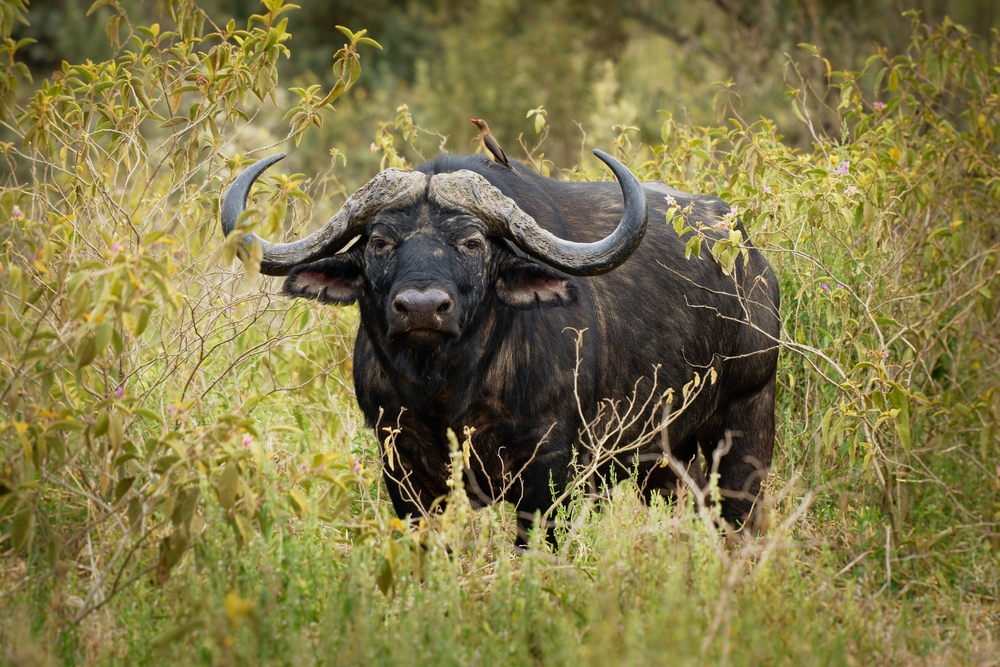
African Buffalo
Large herds of buffalo graze across the park’s savannahs and wetlands, often congregating near water sources to drink and cool off.

Side-striped Jackal
This opportunistic carnivore scavenges and hunts small mammals, often seen during twilight hours along forest edges and clearings.

Birds

The diverse habitats of West Lunga National Park attract a remarkable variety of birds, offering birdwatchers opportunities to spot rare and endemic species in their natural settings.

Ross’s Turaco
This striking bird, with its vivid green and crimson feathers, moves through the park’s forests with an elegant and deliberate grace.

African Pitta
A seasonal visitor, the African pitta is a colorful and elusive bird, its vibrant plumage making it a prized sight for bird enthusiasts.

Crowned Hornbill
Known for its large, curved bill, the crowned hornbill thrives in West Lunga’s woodlands, calling loudly from treetops.

African Finfoot
A rare waterbird, the African finfoot glides through slow-moving rivers, using its webbed feet to move swiftly and silently.

Giant Kingfisher
This impressive kingfisher is often seen perched along rivers, diving with precision to catch fish from the water’s surface.

White-bellied Go-away-bird
Its distinctive call and striking appearance make the white-bellied go-away-bird a memorable find for birdwatchers.

Black-collared Barbet
Easily identified by its black-and-red throat markings, this barbet’s melodic call resonates through the park’s forests.

Blue-breasted Bee-eater
This colorful bird adds vibrancy to the park’s open areas, catching insects mid-flight with impressive agility.

Yellow-rumped Tinkerbird
A small but lively forest bird, the tinkerbird’s rhythmic calls punctuate the calm of West Lunga’s woodlands.

Southern Ground Hornbill
Seen walking through the park’s grasslands, this large bird’s deep calls and striking red face make it easy to identify.

Things To Do

Engaging West Lunga National Park

placeholder

Safaris

placeholder

Nature Walks

placeholder

Birdwatching