


About

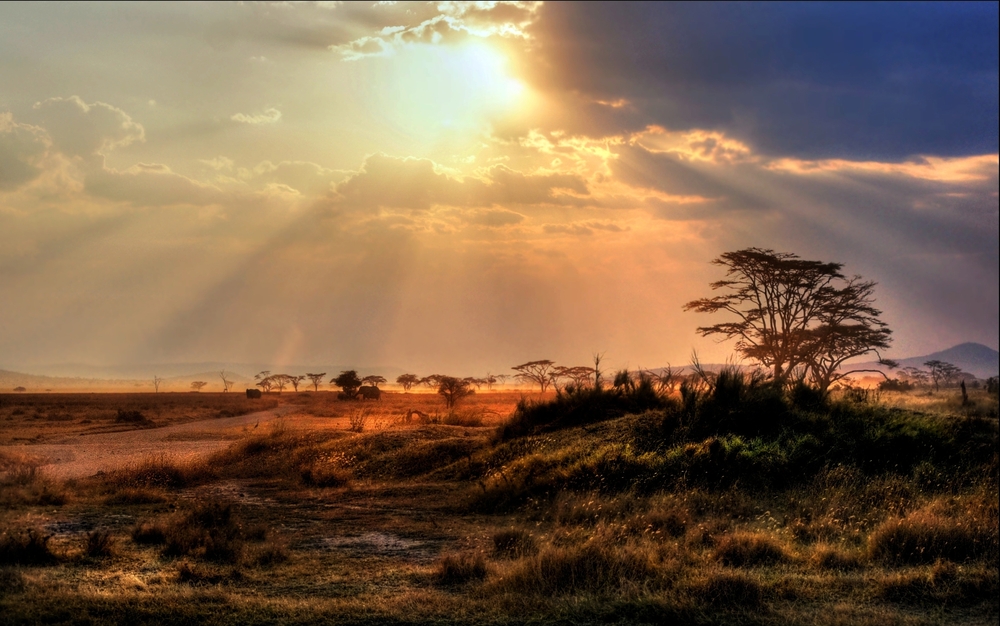
Situated in eastern Zambia, near the borders of Malawi and Mozambique, South Luangwa National Park is widely regarded as one of Africa’s most pristine and wildlife-rich safari destinations. The park encompasses approximately 9,050 square kilometers (3,495 square miles) of protected land within the Luangwa Valley, a vast rift basin shaped by the seasonal rhythms of the Luangwa River. This powerful river system sustains a diverse network of floodplains, oxbow lagoons, mopane woodland, and open savanna, creating ideal conditions for exceptional biodiversity.
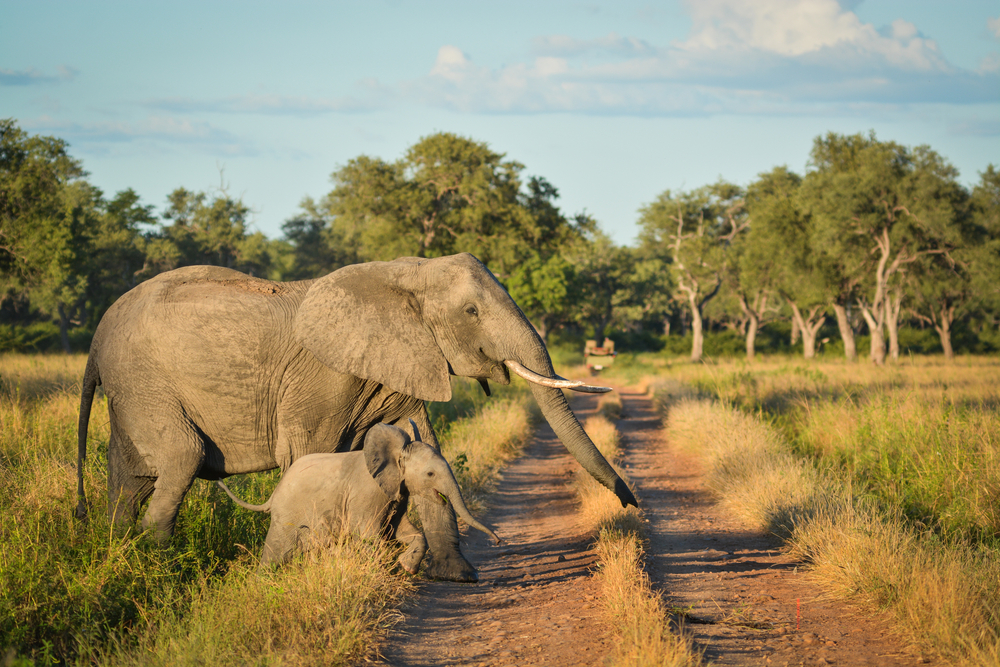
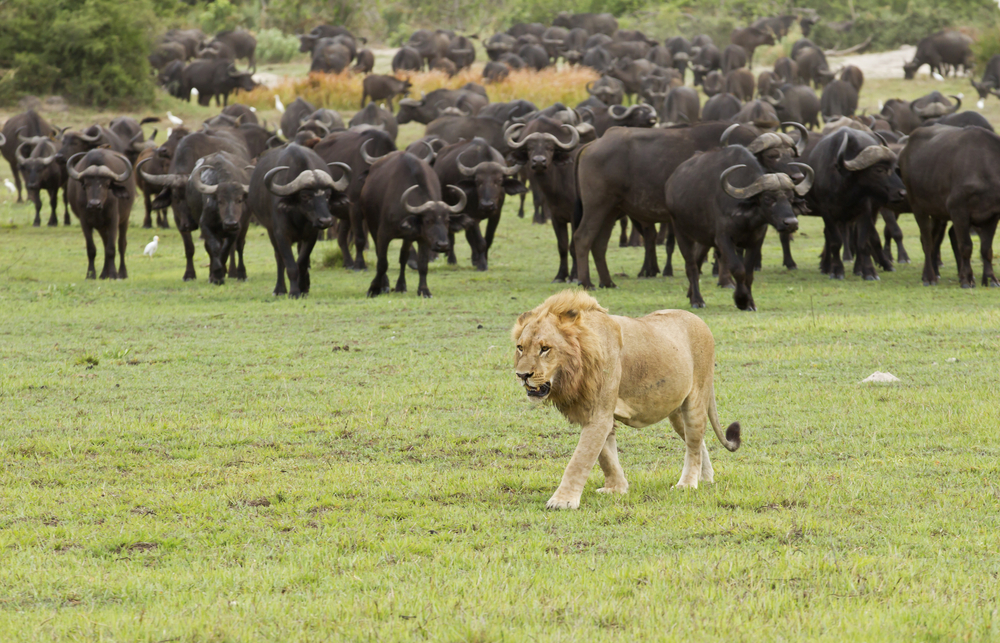
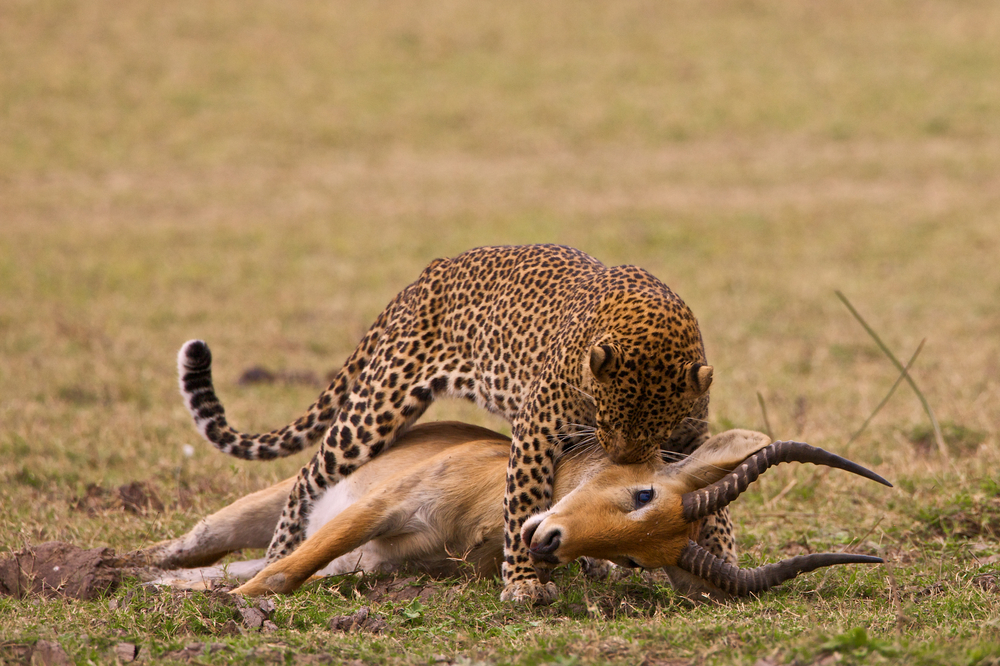
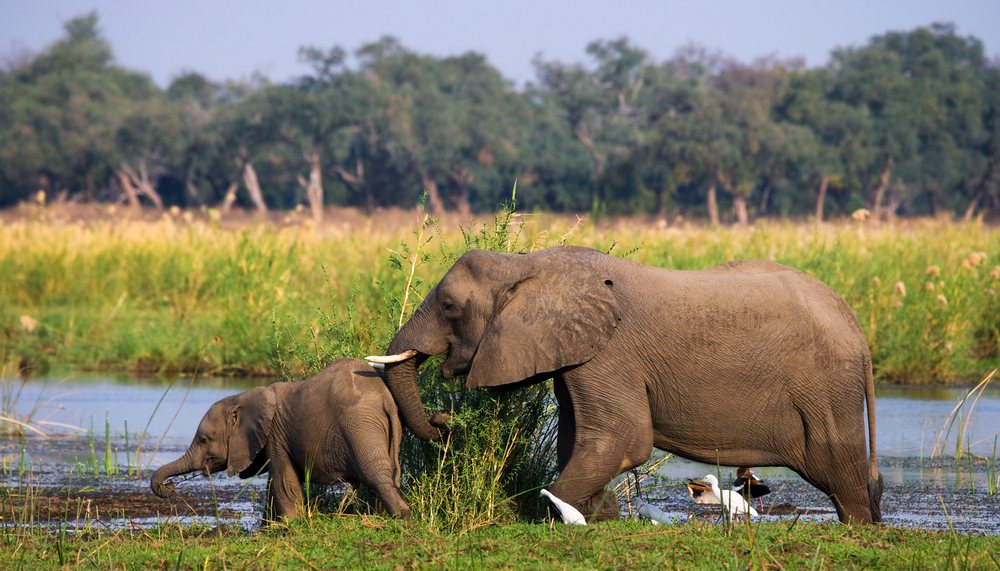
 South Luangwa is renowned for its extraordinary concentration of wildlife and its reputation as one of Africa’s premier game-viewing areas. During the dry season, water sources shrink and wildlife congregates along the riverbanks, producing remarkable opportunities to observe animals at close range. Visitors commonly encounter large herds of elephants and buffalo, towering giraffes, zebras, hippos, and a wide range of antelope species. The park is especially famous for its predators, with lions and African wild dogs regularly sighted. South Luangwa is internationally celebrated for having one of the highest densities of leopards in Africa, offering some of the continent’s most reliable sightings of this elusive big cat.
Beyond its wildlife appeal, South Luangwa plays a vital role in conservation. The park protects essential riverine ecosystems and serves as a sanctuary for endemic species such as Thornicroft’s giraffe and Cookson’s wildebeest, which exist nowhere else in the world. Its conservation success is closely linked to sustainable tourism, which funds anti-poaching initiatives, habitat protection, and community development programs that benefit local populations living alongside the park.
South Luangwa is also historically significant as the birthplace of the modern walking safari, an experience that allows visitors to engage deeply with the landscape, learn animal tracking skills, and gain a greater appreciation for the smaller details of the ecosystem. For travelers seeking an authentic, immersive, and conservation-driven safari, South Luangwa National Park offers an unforgettable journey into one of Africa’s most important wilderness areas.
Photos
Things to See
Accommodations
Things To Do
Park Protection
South Luangwa is managed and protected by Zambia’s National Parks & Wildlife. The purpose of DNPW is to promote the appreciation and sustainable use of wildlife resources. The national park protects both endangered and endemic species of which some are found no where else in the world.
FAQ’s
How big is South Luangwa National Park?
South Luangwa National Park covers approximately:
9,050 square kilometers
3,495 square miles
This makes it one of the largest and most important protected wildlife areas in Zambia, safeguarding a vast stretch of the Luangwa Valley and the ecosystems shaped by the Luangwa River.
What is South Luangwa National Park known for?
South Luangwa National Park is known for several standout features that place it among Africa’s most respected safari destinations:
Exceptional Leopard Sightings
South Luangwa is internationally famous for having one of the highest densities of leopards in Africa. The park’s riverine forests and open floodplains provide ideal habitat, making sightings—especially at dusk and during night drives—remarkably frequent.Birthplace of the Walking Safari
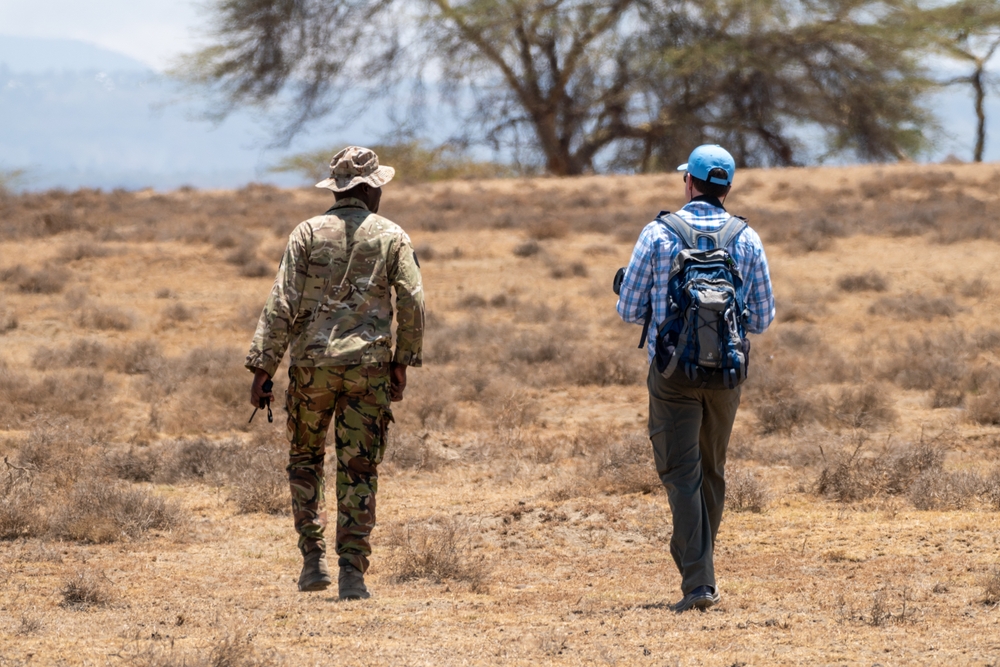
The park pioneered the modern walking safari, allowing visitors to explore the bush on foot with expert guides and armed scouts. This experience emphasizes tracking, ecology, and close-range encounters with nature rather than vehicle-based viewing alone.The Luangwa River Ecosystem
The Luangwa River is the park’s lifeline, shaping seasonal floodplains and lagoons that attract dense concentrations of wildlife. During the dry season, animals gather along the riverbanks, creating some of the best game viewing in southern Africa.High Wildlife Density & Predator Activity
South Luangwa is known for abundant elephants, buffalo, hippos, giraffes, zebras, and antelope, along with strong populations of lions and African wild dogs. The balance between predators and prey reflects a healthy, functioning ecosystem.Endemic & Rare Species
The park protects species found nowhere else, including Thornicroft’s giraffe and Cookson’s wildebeest, highlighting its global conservation importance.Outstanding Night Safaris
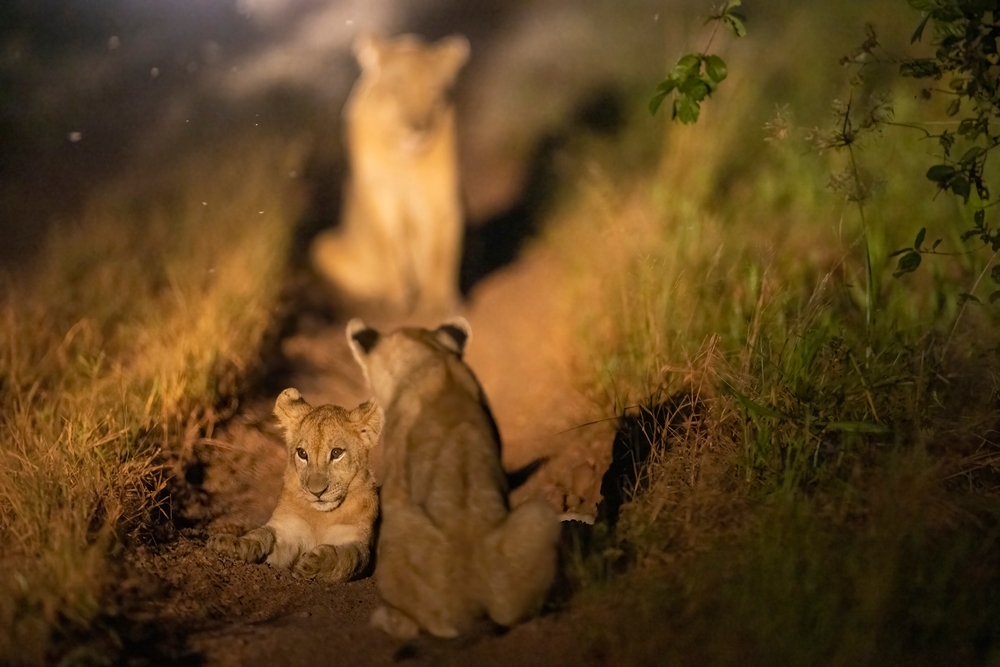
Unlike many African parks, South Luangwa allows night drives, offering rare opportunities to see nocturnal animals such as leopards, hyenas, genets, and civets in action.Authentic, Low-Impact Safari Experience
Known for its relatively low crowds and minimal overdevelopment, South Luangwa delivers a raw, immersive wilderness experience that appeals to serious wildlife enthusiasts and photographers.
Together, these qualities make South Luangwa National Park one of Zambia’s most iconic and conservation-significant protected areas.
Are there any other close national parks?
North Luangwa National Park (Zambia)
Distance: ~150 km (93 miles) north
North Luangwa is the closest neighboring park and shares the same valley ecosystem, but it is far more remote and lightly visited. Travel typically requires a chartered flight or long 4×4 journey, often arranged through safari operators. This pairing appeals to experienced travelers seeking extreme wilderness, conservation-focused safaris, and minimal crowds.
Lower Zambezi National Park (Zambia)
Distance: ~400 km (250 miles) southwest
Lower Zambezi is one of the most popular extensions to South Luangwa. The two parks are commonly linked via short charter flights, making the combination logistically smooth. Lower Zambezi offers a contrasting experience with canoe safaris, riverfront lodges, and dramatic escarpment scenery along the Zambezi River.
Liwonde National Park (Malawi)
Distance: ~200 km (125 miles) east
Liwonde lies just across the Malawi border and is one of the most feasible cross-border extensions. Travel can be done by road (with border formalities) or charter flight. Liwonde is known for elephants, hippos, birdlife, and Shire River boat safaris, offering a different landscape from South Luangwa’s floodplains.
Kasungu National Park (Malawi)
Distance: ~180 km (112 miles) southeast
Kasungu is geographically close but less developed for tourism. Access is primarily by road, and facilities are limited. This option suits travelers interested in emerging conservation areas rather than classic lodge-based safaris.
What endangered and endemic species does South Luangwa protect?
Endemic Species (Found Nowhere Else)
Thornicroft’s Giraffe
Often considered a subspecies or distinct population of the Masai giraffe, Thornicroft’s giraffe is endemic to the Luangwa Valley. South Luangwa provides its most important refuge, protecting riverine woodland habitats essential for feeding and breeding. Conservation here is critical, as the entire global population exists within this limited geographic range.
Cookson’s Wildebeest
This rare wildebeest subspecies is also restricted to the Luangwa Valley. South Luangwa safeguards key grassland and floodplain habitats that support its survival. Without protection of this landscape, Cookson’s wildebeest would face severe risk of extinction.
Endangered & Threatened Species
African Wild Dog (Endangered)
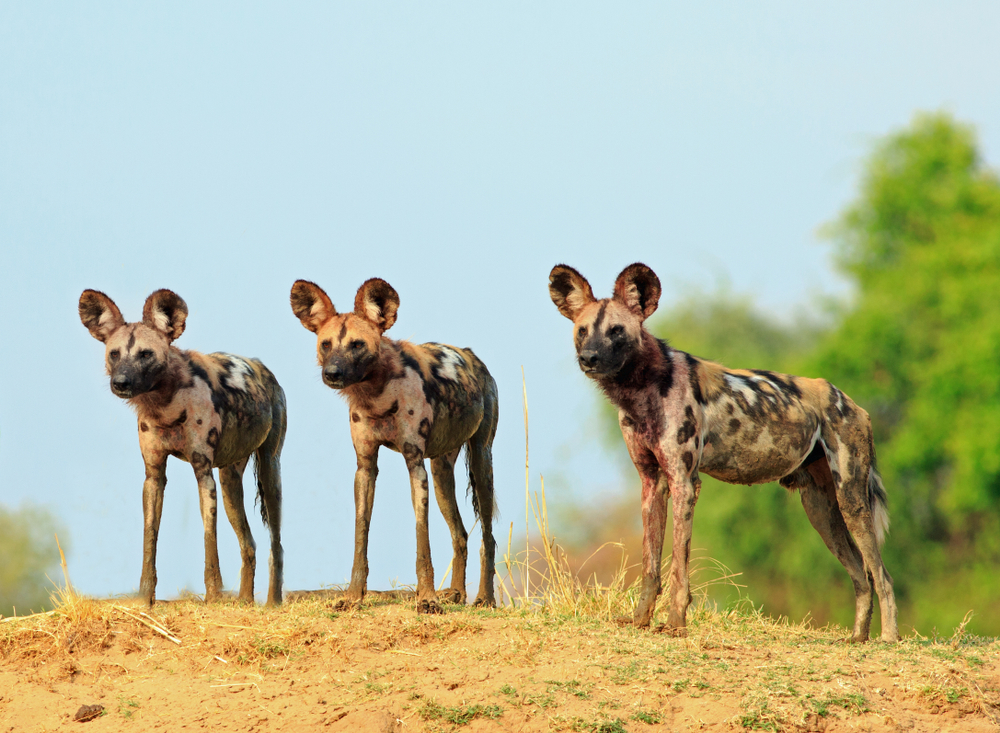
South Luangwa supports one of Zambia’s most significant populations of African wild dogs. These highly social predators require vast, undisturbed territories, and the park’s size and low development make it ideal habitat.
African Savanna Elephant (Endangered)
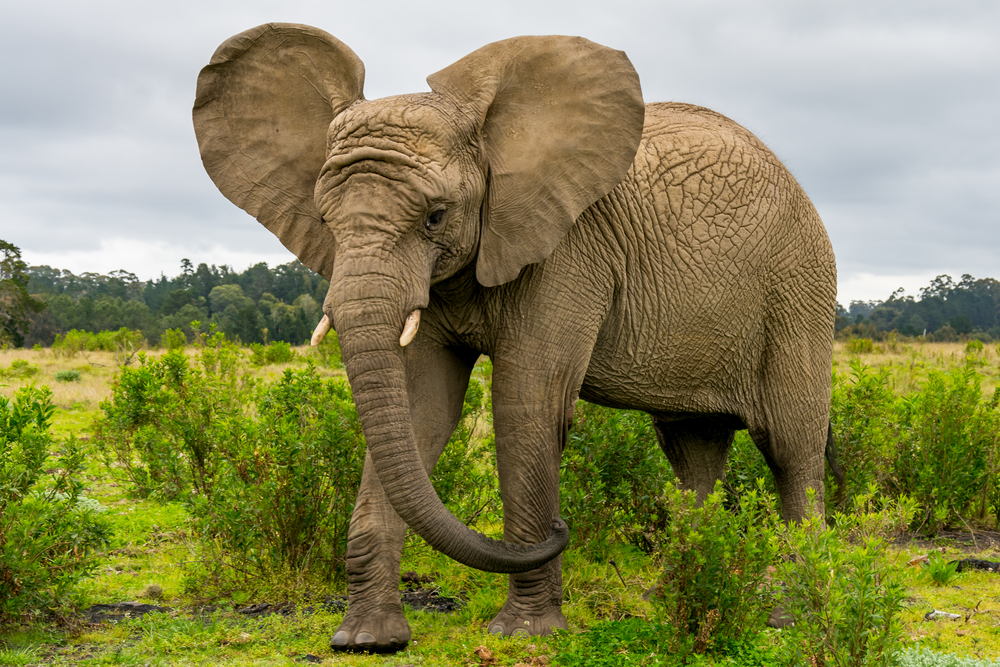
Elephants are a cornerstone species in the park, shaping vegetation and maintaining ecological balance. South Luangwa’s protection helps combat threats from poaching and habitat loss while preserving critical migration corridors along the Luangwa River.
Lion (Vulnerable)
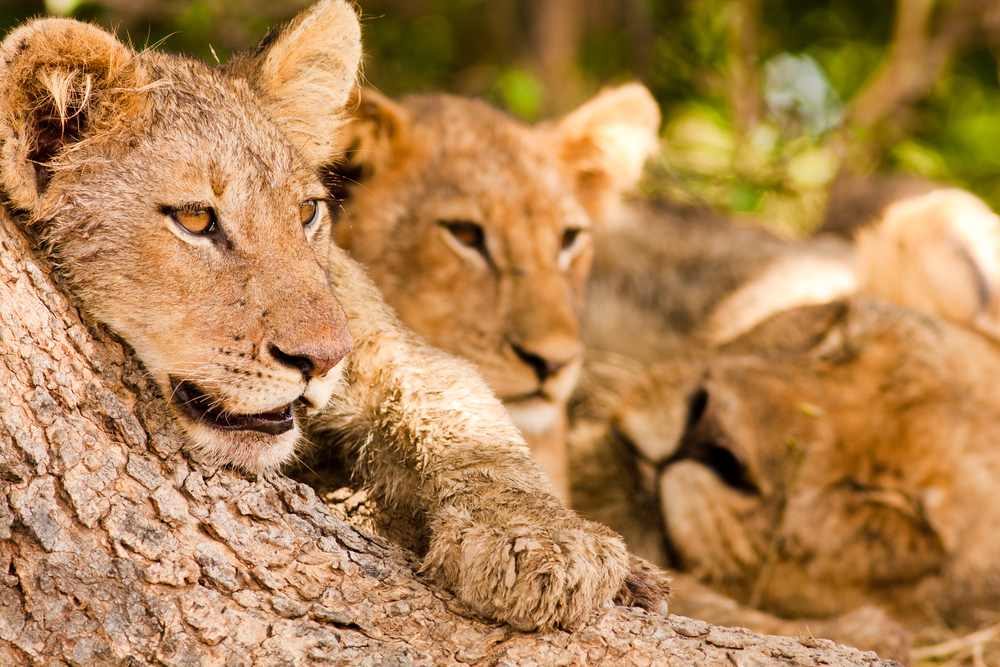
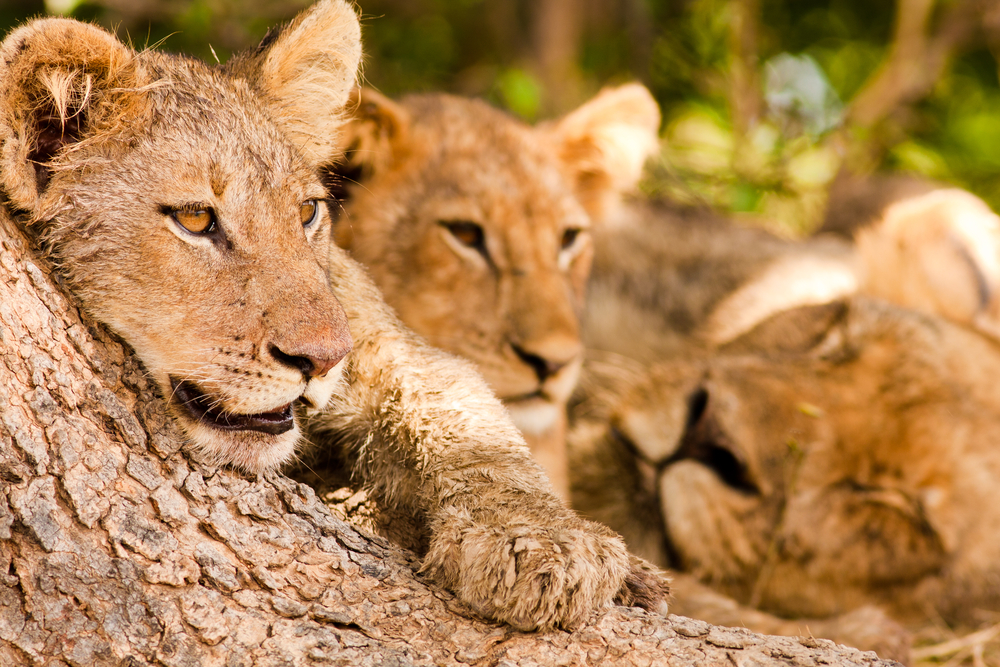
The park sustains a healthy lion population that benefits from abundant prey and relatively low human pressure. Protecting large predators like lions ensures the stability of the entire ecosystem.
Leopard (Vulnerable)
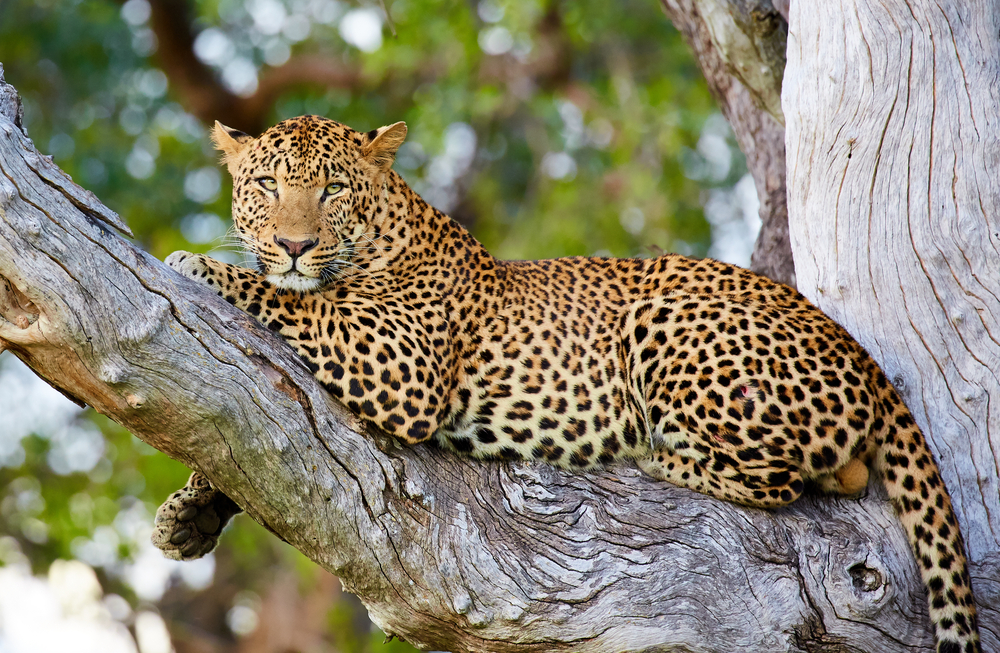
South Luangwa is famous for its leopards, which thrive in the park’s riverine forests. Their strong presence reflects the success of long-term habitat and prey protection.