

About
Lukusuzi National Park, known locally as Paki ya Lukusuzi, is a rugged and remote wilderness located in Zambia’s Eastern Province, nestled between the Luangwa Valley and the Chipata plateau. Covering approximately 2,720 square kilometers (1,050 square miles), it forms part of the larger Luangwa ecosystem, one of Africa’s most important wildlife conservation areas. Despite its ecological significance, Lukusuzi remains one of Zambia’s least-visited and most untouched national parks, offering travelers a pristine experience of Africa’s wild landscapes.
The park’s terrain is defined by deep, dramatic escarpments, steep valleys, and sprawling miombo woodlands, creating a diverse and striking landscape. The Lukusuzi River, from which the park derives its name, carves through the park’s rocky terrain, forming seasonal pools and providing a critical water source for wildlife. Though Lukusuzi does not feature towering mountains or waterfalls, its rugged cliffs and scenic river valleys are perfect for exploration, photography, and quiet reflection.
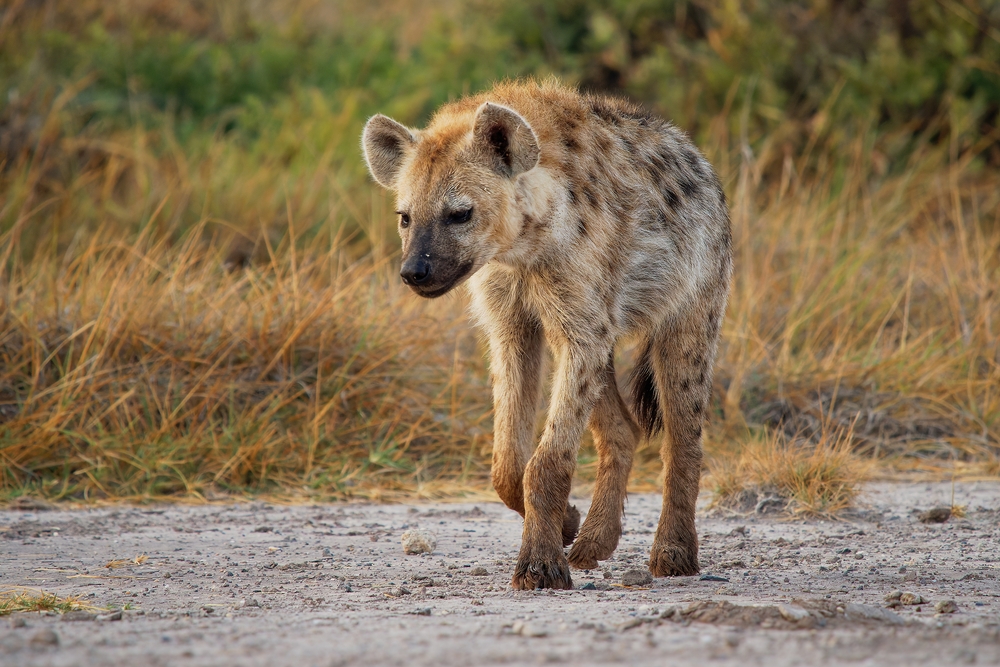
Lukusuzi National Park is renowned for its role as a sanctuary for the African wild dog, one of the continent’s most endangered predators. The park’s remote setting provides an ideal refuge for these elusive creatures, as well as other large mammals such as elephants, leopards, and spotted hyenas. Antelope species, including greater kudu, eland, and bushbuck, roam the open woodlands, while smaller animals like warthogs and baboons can also be encountered. The park’s birdlife is equally impressive, with over 300 species recorded, including the crested guinea fowl, African fish eagle, and brown-hooded kingfisher, making it a haven for birdwatchers.
Despite its ecological richness, Lukusuzi National Park faces significant conservation challenges, including poaching and a lack of infrastructure. However, ongoing efforts are working to address these issues. Partnerships between Zambia’s Department of National Parks and Wildlife and international conservation organizations are focused on improving anti-poaching measures, monitoring the wild dog population, and promoting sustainable eco-tourism. Community engagement initiatives aim to educate and involve local populations in conservation efforts, ensuring that both people and wildlife benefit from the park’s preservation.
Visitors to Lukusuzi National Park can enjoy guided nature walks, birdwatching excursions, and self-driven safaris. The park’s rugged beauty and isolation make it particularly appealing to adventurous travelers seeking a unique and authentic African wilderness experience. While accommodation is minimal and camping facilities are basic, this lack of development adds to the park’s charm, offering a truly off-the-beaten-path adventure.
In summary, Lukusuzi National Park is a hidden gem within Zambia’s protected area network. Its dramatic landscapes, thriving populations of African wild dogs, and remote, untouched wilderness make it a vital conservation area and an alluring destination for eco-tourists and wildlife enthusiasts. For those looking to explore Zambia’s less-traveled corners, Lukusuzi offers solitude, biodiversity, and a glimpse into Africa’s wild heart.
Things to See
Things To Do
Engaging Lukusuzi National Park
