About

Ba Vì National Park (Vietnamese: Vườn Quốc gia Ba Vì) is located approximately 30 miles (50 km) west of Hanoi in northern Vietnam. Established as a national park in 1991, the park covers approximately 42 square miles (109 sq km) and protects the Ba Vì Mountain Range, one of northern Vietnam’s most significant natural landmarks.

Rising dramatically above the surrounding Red River Delta, the park serves as an important refuge for biodiversity while providing a popular escape from the bustling capital city. Its proximity to Hanoi makes it one of the most accessible and frequently visited national parks in Vietnam.

The park is best known for its mist-covered mountains, cool climate, and scenic forest landscapes. Visitors are attracted by mountain trails, panoramic viewpoints, waterfalls, and historical sites scattered throughout the park. One of the most iconic attractions is the summit area of Ba Vi Mountain, where visitors can enjoy sweeping views of the surrounding countryside and, on clear days, portions of the Red River Delta.

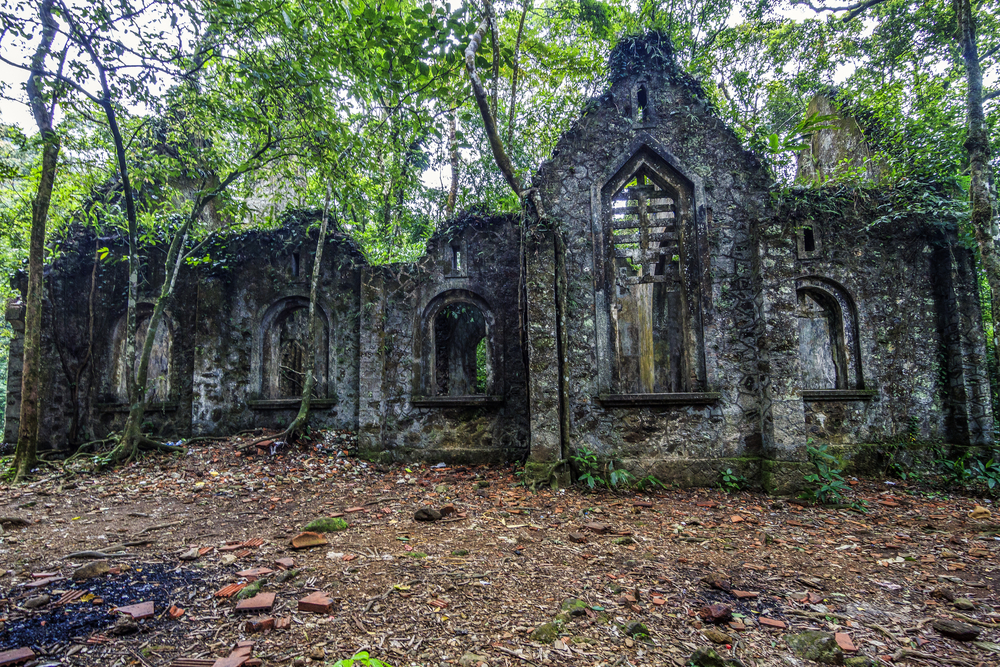
The park also contains remnants of French colonial-era buildings hidden within the forest, creating a unique blend of natural and historical attractions. During cooler months, clouds and fog often drift through the mountains, creating a mystical atmosphere that has made the park a favorite destination for photographers and hikers.

Geographically, Ba Vì National Park is dominated by three prominent mountain peaks: Vua Peak, Tan Vien Peak, and Ngoc Hoa Peak. The highest summit rises to approximately 4,281 feet (1,304 m), creating a range of climatic zones within the park. Lower elevations support tropical forests, while higher elevations contain subtropical and montane ecosystems.

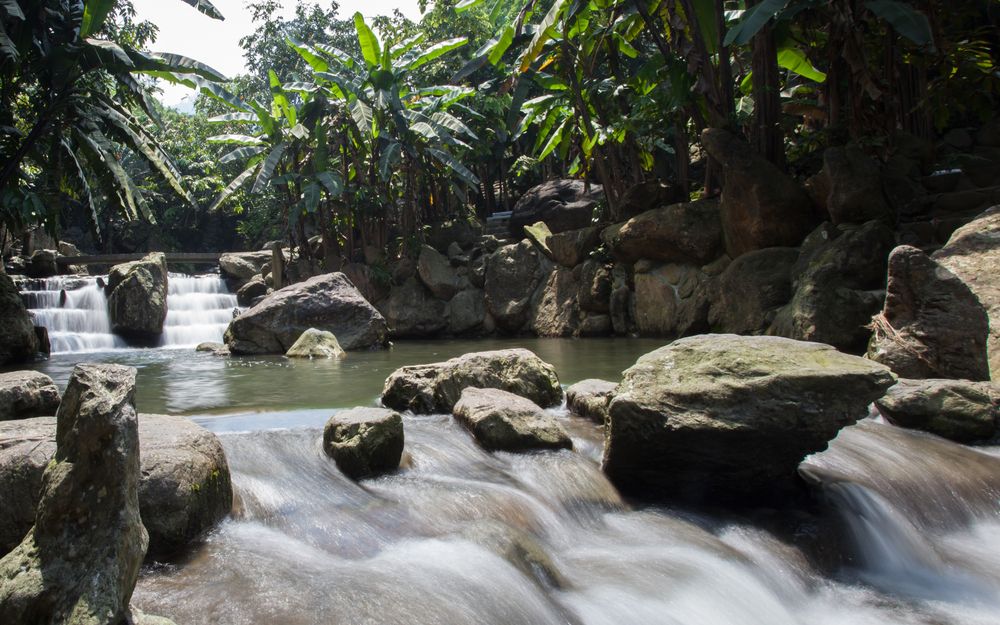
Numerous streams, waterfalls, and springs flow down the mountain slopes, supporting lush vegetation and contributing to the park’s ecological diversity. The varied elevations and climates allow a remarkable range of plant communities to thrive within a relatively compact area.

Wildlife within Ba Vì National Park is diverse and includes many species native to northern Vietnam. Mammals found in the park include civets, squirrels, bats, macaques, and several small carnivores. The forests support a rich variety of birdlife, with more than 200 recorded species including pheasants, barbets, drongos, kingfishers, and numerous migratory birds.

Reptiles, amphibians, and insects are abundant, while the park’s botanical diversity is particularly noteworthy. Thousands of plant species have been documented, including orchids, medicinal plants, ferns, and rare forest trees that contribute to the park’s scientific and conservation value.

Ba Vì National Park plays a crucial role in protecting one of northern Vietnam’s most important mountain ecosystems. The park safeguards watersheds that supply water to surrounding communities, preserves habitat for native wildlife, and protects significant botanical resources.

Its conservation importance is often compared to Tam Dao National Park and Bach Ma National Park because of its mountain forests, biodiversity, and accessibility. Through its cloud-covered peaks, rich forests, diverse wildlife, and cultural significance, Ba Vì National Park stands as one of Vietnam’s most beloved protected areas and a vital sanctuary for the natural heritage of the Red River region.

Things to See
Popular

Popular

Ba Vi National Park’s wildlife captivates with its diversity, including rare species and vibrant ecosystems.

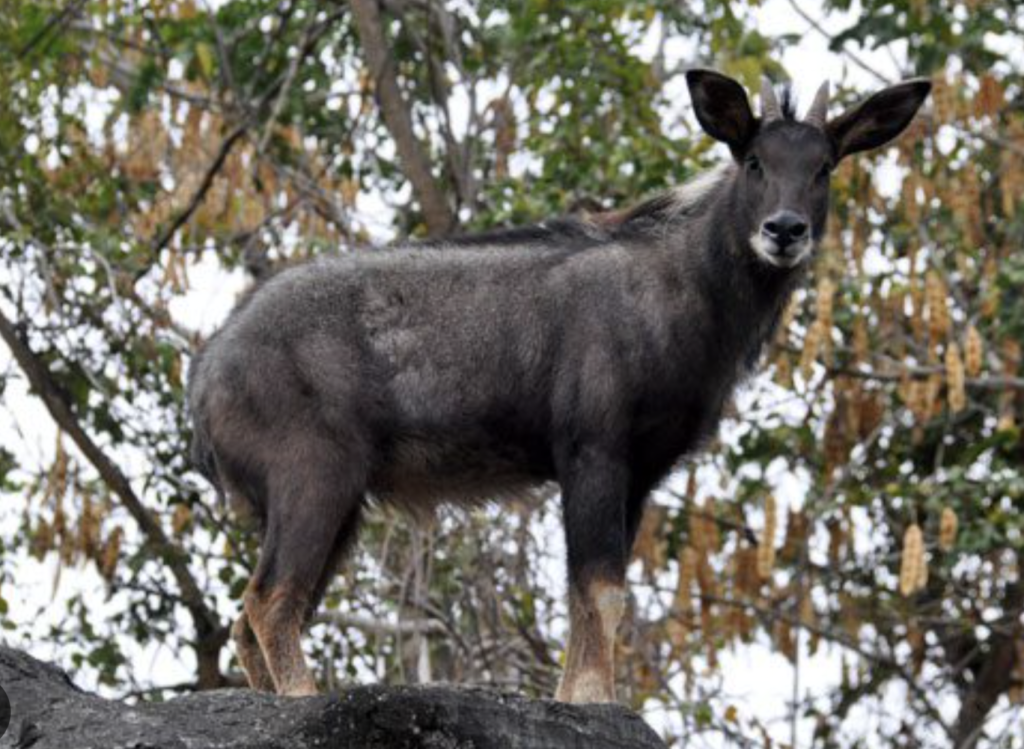
Indochinese Serow
This elusive, goat-like mammal is adept at navigating the steep, rocky terrains of Ba Vi, with a rugged coat to blend into the forest backdrop.

Red Junglefowl
The wild ancestor of domestic chickens, this bird flaunts a magnificent red and gold plumage, with a distinctive, powerful crow at dawn.

Silver Pheasant
Easily recognized by its white and black coloring, the Silver Pheasant adds a touch of elegance to the forest with its long, flowing tail.

Barking Deer
Small yet resilient, the Barking Deer emits a dog-like bark as an alarm. It thrives in dense underbrush, feeding on fruits and leaves.

Asian Black Bear
With its distinctive white chest patch and shaggy black fur, this bear is a formidable omnivore, foraging for fruits, nuts, and occasionally meat.

Rhesus Macaque
A common sight, these adaptable primates are known for their expressive faces and social structures, often seen grooming each other in the trees.

King Cobra
The king of snakes, its imposing presence is highlighted by its ability to “stand” and hood, making it a respected figure in the forest.

Leopard Cat
Smaller than its big cat relatives, the Leopard Cat sports a striking spotted coat, hunting at night for rodents and birds in the dense underbrush.

Oriental Pied Hornbill
Characterized by its large, casqued bill, this bird is vital for seed dispersal, ensuring the health and growth of the forest.

Gibbon
With their melodious calls and acrobatic brachiation, gibbons are a symbol of the park’s vibrant canopy, living in close-knit family groups.

Creepy Crawly

Creepy Crawly

Ba Vi National Park is a haven for entomologists, offering a glimpse into the vibrant world of insects, each species playing a crucial role in the ecosystem.

Giant Atlas Moth
As one of the largest moths in the world, the Giant Atlas Moth is renowned for its stunning wing patterns, mimicking snakes to deter predators.

Jewel Beetle
These beetles dazzle with their iridescent exoskeleton, often seen on flowers and leaves, contributing to the park’s natural mosaic of colors.

Stick Insect
Masters of camouflage, Stick Insects blend seamlessly with twigs and foliage, a fascinating example of nature’s adaptability and survival strategies.

Rhino Beetle
Characterized by their large, horn-like projections on the males’ heads, Rhino Beetles are a symbol of strength and are popular in local folklore.

Firefly
Illuminating the night with their bioluminescent glow, fireflies create a magical atmosphere in the park, signaling to mates in a twinkling display.

Butterfly (Blue Glassy Tiger)
With translucent wings that seem to shimmer in the sunlight, the Blue Glassy Tiger Butterfly adds a splash of delicate beauty to the floral landscape.

Dragonfly (Common Green Darner)
Fast and agile, the Common Green Darner is a marvel of aerodynamics, patrolling waterways and controlling mosquito populations with its voracious appetite.

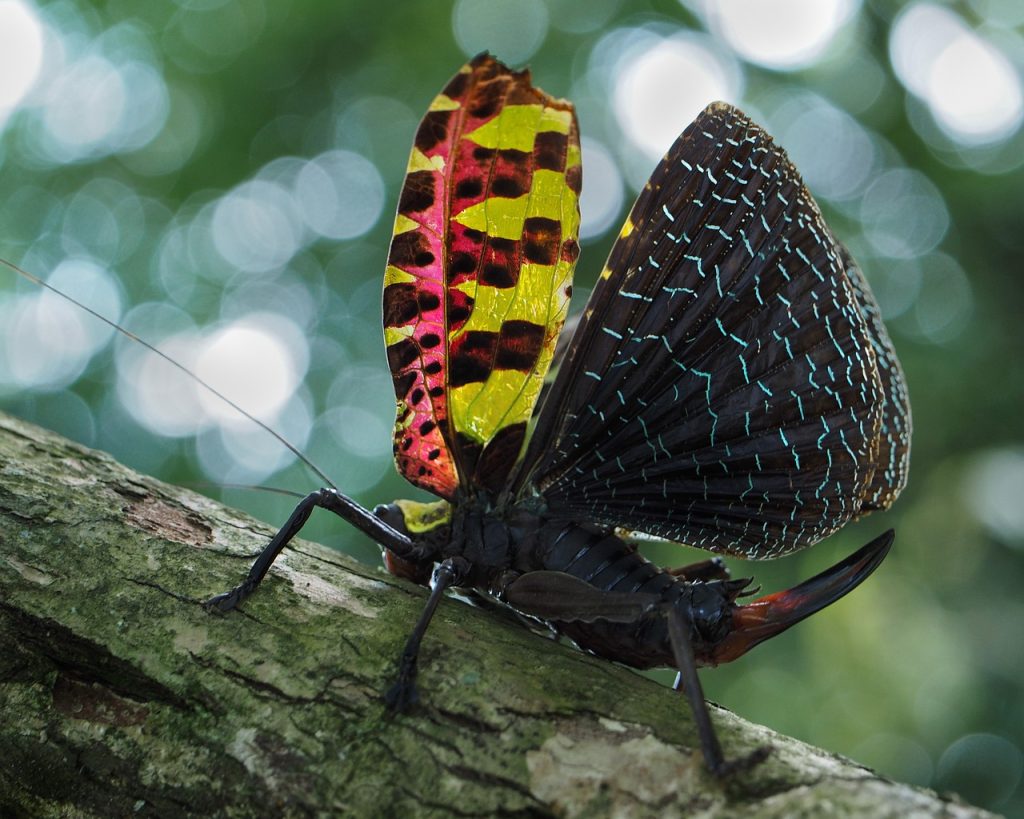
Painted Grasshopper
The Painted Grasshopper, with its vivid colors and patterns, stands out among the grasses and foliage, serving as both a visual treat and a reminder of the park’s diverse insect life.

Leaf-cutter Ant
These industrious ants form complex societies, cutting leaves to cultivate fungus, an incredible example of mutualism and advanced social organization.

Red Weaver Ant
Famous for their architectural prowess, Red Weaver Ants construct elaborate nests by weaving leaves together, showcasing the collaborative strength of the colony.

Ba Vi Pagoda

Ba Vi Pagoda

Perched atop Ba Vi Mountain within Ba Vi National Park, Ba Vi Pagoda is a historical and cultural landmark dating back to the 11th century. This ancient Buddhist temple complex offers visitors a glimpse into Vietnam’s religious heritage and serves as a tranquil retreat amidst the park’s natural beauty.

The pagoda features traditional Vietnamese architecture, with ornate pagodas, intricate carvings, and colorful decorations. Visitors can explore the temple grounds, wandering among the stone statues, serene courtyards, and peaceful gardens.

Ba Vi Pagoda also offers stunning panoramic views of the surrounding countryside, providing a serene setting for meditation and contemplation.

Uncle Ho's Temple

Uncle Ho's Temple

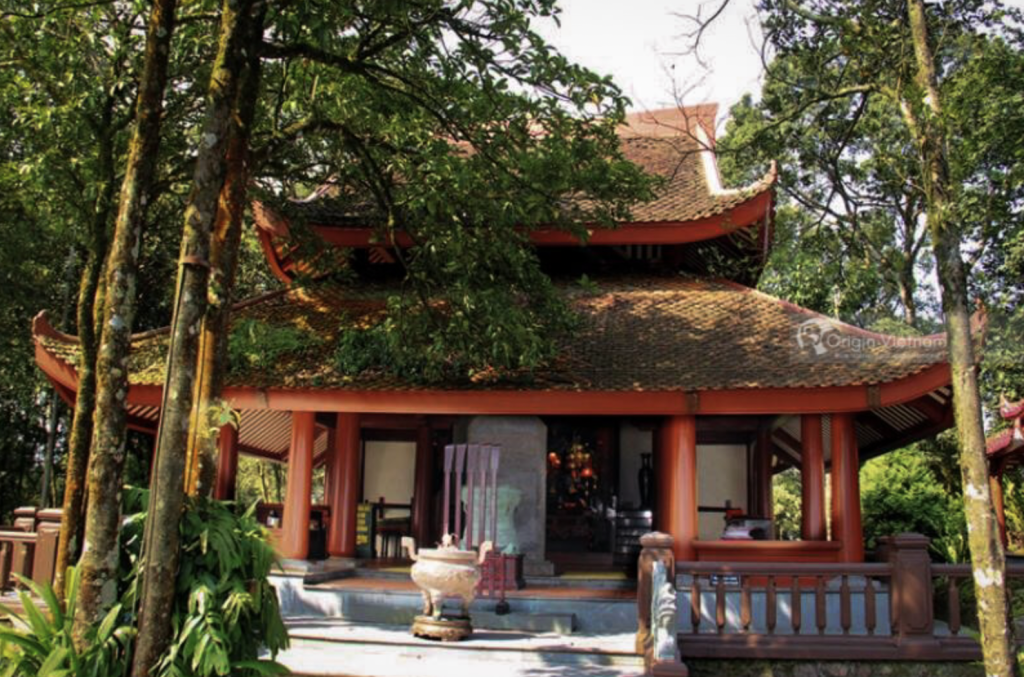
Located within Ba Vi National Park, Uncle Ho’s Temple, also known as Ho Chi Minh’s Temple, is a historical and cultural landmark dedicated to Vietnam’s beloved revolutionary leader, Ho Chi Minh.

The temple is situated amidst the lush greenery of the park, offering a serene and picturesque setting for visitors to pay their respects to “Uncle Ho.” The temple complex features traditional Vietnamese architecture, with a central pavilion housing an altar dedicated to Ho Chi Minh.

Visitors can explore the temple grounds, which include landscaped gardens, tranquil ponds, and shaded pathways. Uncle Ho’s Temple serves as a place of pilgrimage for Vietnamese people and tourists alike, providing an opportunity to learn about Ho Chi Minh’s legacy and his contributions to Vietnam’s struggle for independence and reunification.

Thien Son-Suoi Nga Eco-Tourism Area

Thien Son-Suoi Nga Eco-Tourism Area

Thien Son-Suoi Nga Eco-Tourism Area is a cultural and historical attraction located within Ba Vi National Park. This scenic area is renowned for its picturesque landscapes, tranquil streams, and lush forests, as well as its rich history and cultural heritage.

Visitors can explore ancient caves and rock formations, including Thien Son Cave, which features impressive stalactites and stalagmites. The area is also home to several historical sites, including the remains of ancient villages and stone relics dating back to the prehistoric period.

Visitors can learn about the area’s history and culture through guided tours and interpretive signage, gaining insights into the lives of the people who once inhabited this beautiful landscape.

Things To Do

Engaging Ba Vi National Park
Hiking

Ba Vi National Park offers numerous hiking trails that wind through its lush tropical forests, offering visitors the chance to immerse themselves in the park’s stunning natural beauty. Trails vary in difficulty, from easy walks suitable for families to more challenging treks leading to the summit of Ba Vi Mountain. Along the way, hikers can encounter diverse flora and fauna, hidden waterfalls, and panoramic viewpoints, providing a memorable outdoor experience.

Visiting Ba Vi Pagoda

Take a cultural excursion to Ba Vi Pagoda, a historic Buddhist temple located at the summit of Ba Vi Mountain. Dating back to the 11th century, the pagoda offers a glimpse into Vietnam’s religious heritage and provides a peaceful retreat amidst the park’s natural beauty.

Visitors can explore the temple complex, admire its traditional architecture, and soak in the serene atmosphere while enjoying panoramic views of the surrounding countryside.

Picnicking & Relaxing

Enjoy a relaxing day in nature by packing a picnic and heading to one of the designated picnic areas in Ba Vi National Park. Set up your picnic blanket amidst the park’s scenic landscapes, whether by a tranquil stream, beside a serene lake, or in a shaded grove of trees. Listen to the sounds of nature, savoring your meal surrounded by the sights and sounds of the park.

FAQ’s

What is Ba Vi National Park known for?

Ba Vi National Park is known for its lush tropical forests, diverse flora and fauna, and scenic landscapes. The park encompasses Ba Vi Mountain, a prominent landmark in the region, which rises to an elevation of 1,296 meters (4,252 feet) above sea level.

One of the main attractions of Ba Vi National Park is its rich biodiversity. The park is home to a variety of plant and animal species, including rare and endangered species such as the Delacour’s langur, a type of leaf-eating monkey found only in northern Vietnam.

Another highlight of Ba Vi National Park is its stunning landscapes and panoramic views. From the summit of Ba Vi Mountain, visitors can enjoy sweeping vistas of the surrounding countryside, rice paddies, and distant mountain ranges.

In addition to its natural beauty, Ba Vi National Park also holds cultural significance. At the summit of Ba Vi Mountain, visitors can visit the historic Ba Vi Pagoda, a Buddhist temple dating back to the 11th century. The pagoda offers a peaceful retreat and a chance to learn about Vietnam’s rich religious heritage.

Overall, Ba Vi National Park offers visitors a chance to escape the hustle and bustle of city life and immerse themselves in the tranquility and natural beauty of Vietnam’s countryside. Whether hiking through the forest, admiring the views from the mountain summit, or exploring ancient temples, Ba Vi National Park provides a memorable and enriching experience for nature lovers and cultural enthusiasts alike.

Sources

All Trails, Ba Vi Nation Park, https://www.alltrails.com/parks/vietnam/hanoi/ba-vi-national-park, retrieved April 2024.

Origin Vietnam, Ba Vi National Park, https://www.originvietnam.com/destination/vietnam/hanoi/ba-vi-national-park.html, retrieved April 2024.

Vietnam Travel, Ba Vi National Park, https://vietnamtravel.com/ba-vi-national-park/, retrieved April 2024.

Vinpearl, Ba Vi National Park, https://vinpearl.com/en/ba-vi-national-park-in-hanoi-a-not-to-be-missed-location-for-nature-lovers, retrieved April 2024.

VinWonders, Ba Vi National Park, https://vinwonders.com/en/news/ba-vi-national-park-an-ideal-site-in-a-hanoi-suburb-for-your-getaway/, retrieved April 2024.