

About
Olympic National Park is located on the Olympic Peninsula in northwestern Washington State in the United States and covers approximately 1,442 square miles (3,734 sq km). Established in 1938, the park protects one of the most diverse landscapes in North America.
It lies west of Seattle and is bordered by the Pacific Ocean to the west. Nearby protected areas include Mount Rainier National Park to the southeast and extensive sections of the Olympic National Forest. Recognized as both a UNESCO World Heritage Site and an International Biosphere Reserve, Olympic National Park preserves an extraordinary combination of glacier-capped mountains, temperate rainforests, wild rivers, and rugged Pacific coastline within a single protected area.
Olympic National Park is best known for its remarkable ecological diversity. Few national parks in the world contain such a wide range of landscapes within one boundary. Visitors can explore alpine mountain environments, walk through lush rainforests, and stand on windswept beaches all in the same day.
Popular destinations include the Hoh Rain Forest, Hurricane Ridge, Rialto Beach, and Lake Crescent. Hiking, wildlife viewing, kayaking, camping, photography, and backpacking are among the park’s most popular activities. The park’s ability to showcase dramatically different ecosystems creates an unforgettable experience that draws visitors from around the globe.
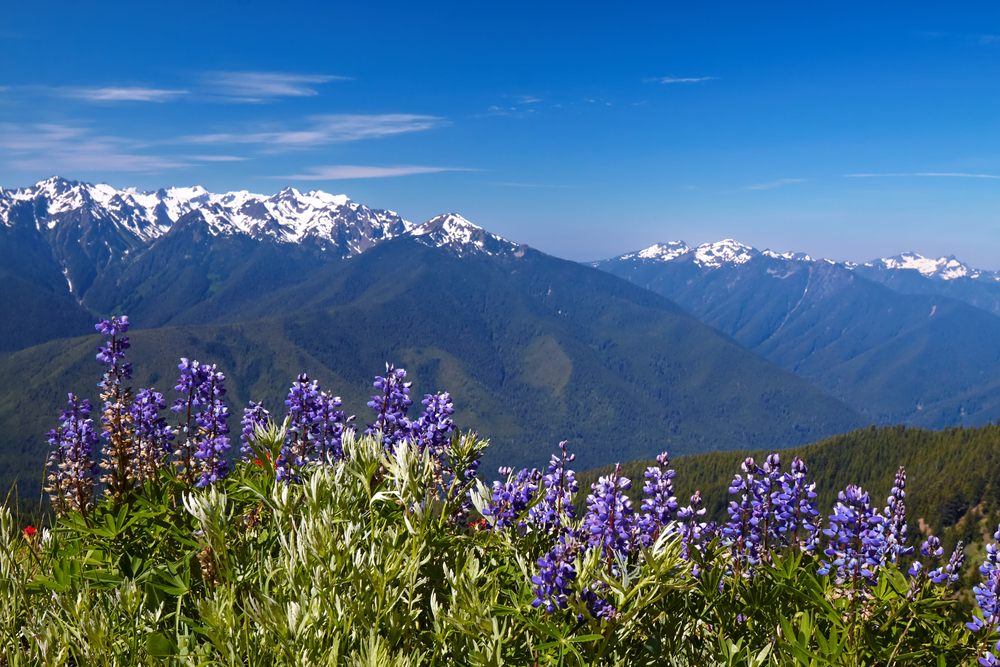
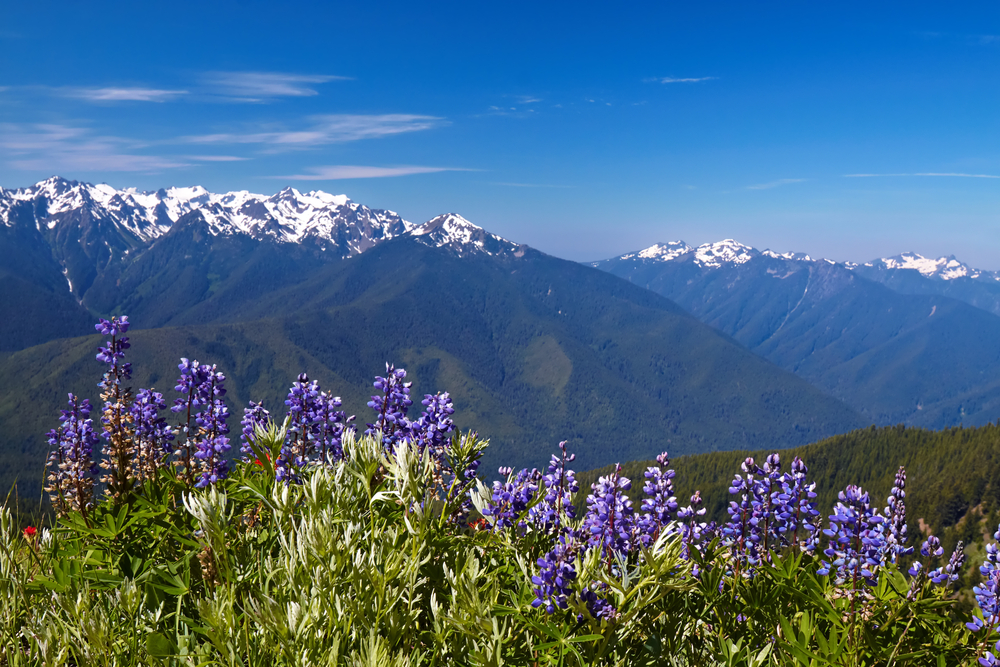
The geography of Olympic National Park is dominated by the Olympic Mountains, which rise sharply from the surrounding lowlands. More than sixty glaciers occupy the higher elevations, feeding rivers that flow outward toward the Pacific Ocean and Puget Sound. Elevations range from sea level along the coast to 7,980 feet (2,432 meters) at the summit of Mount Olympus.
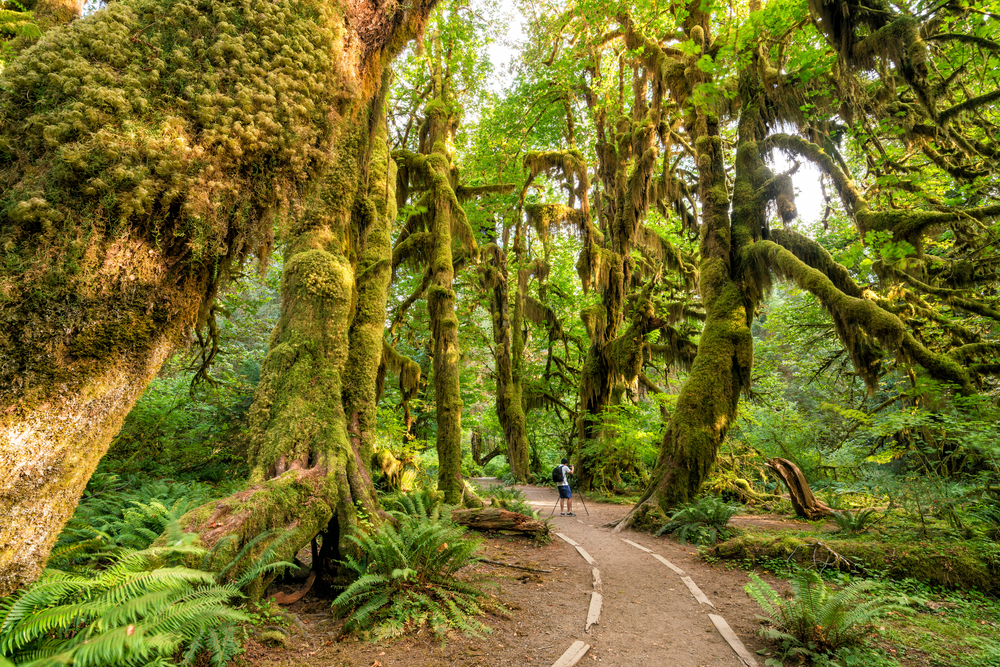
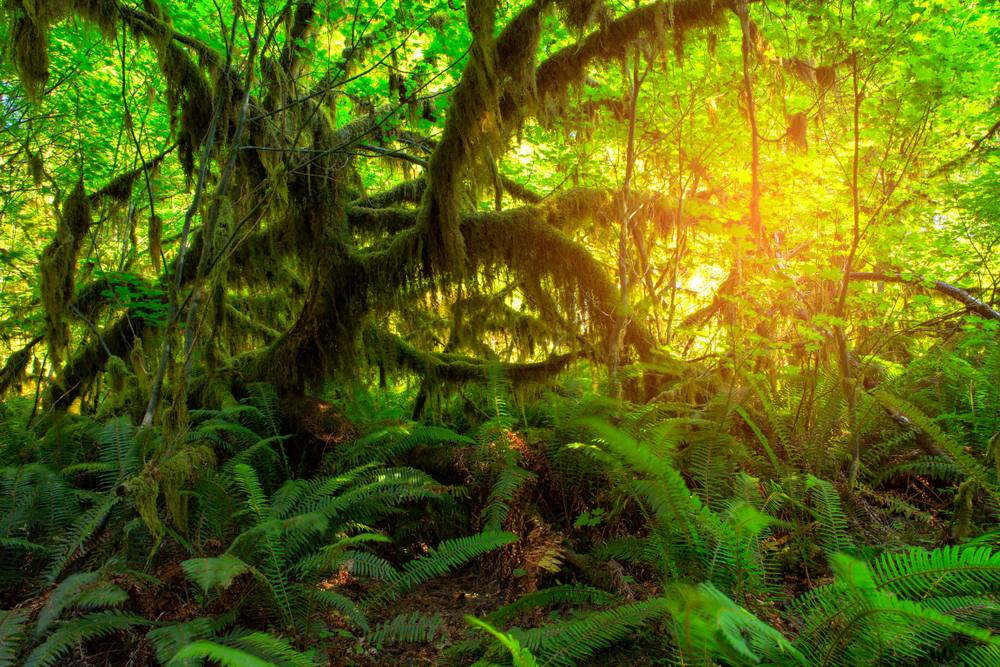
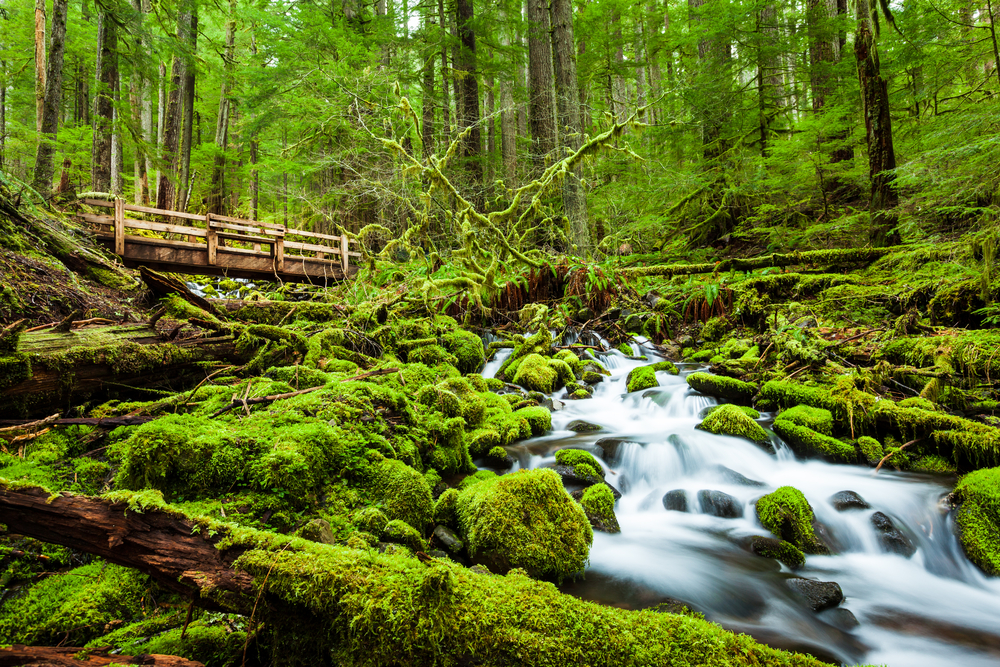
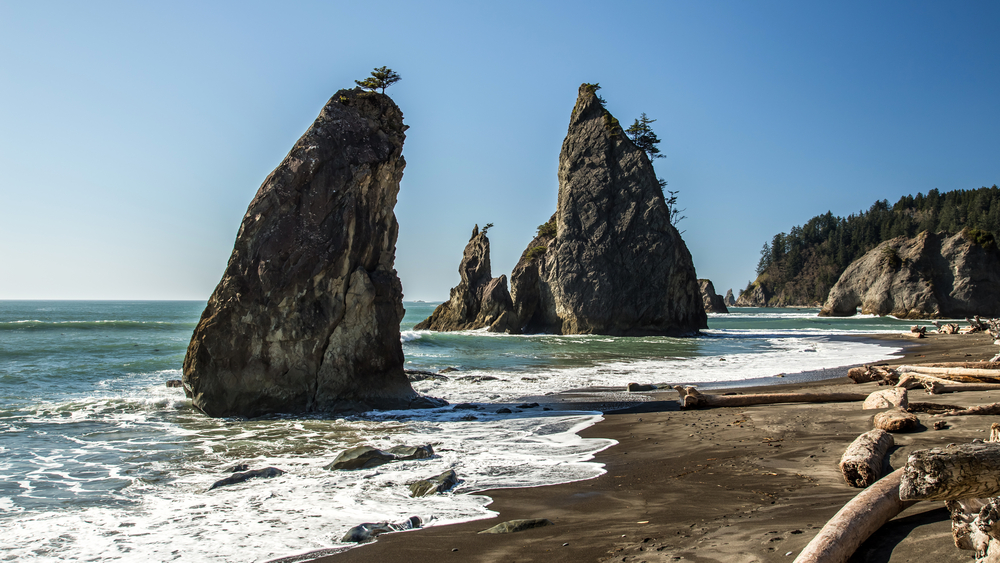
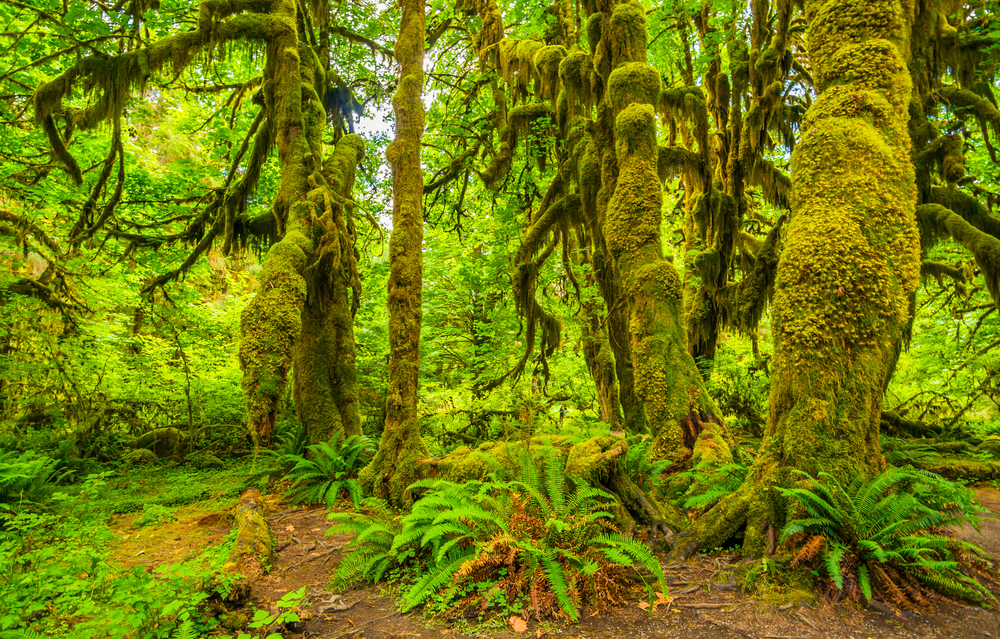
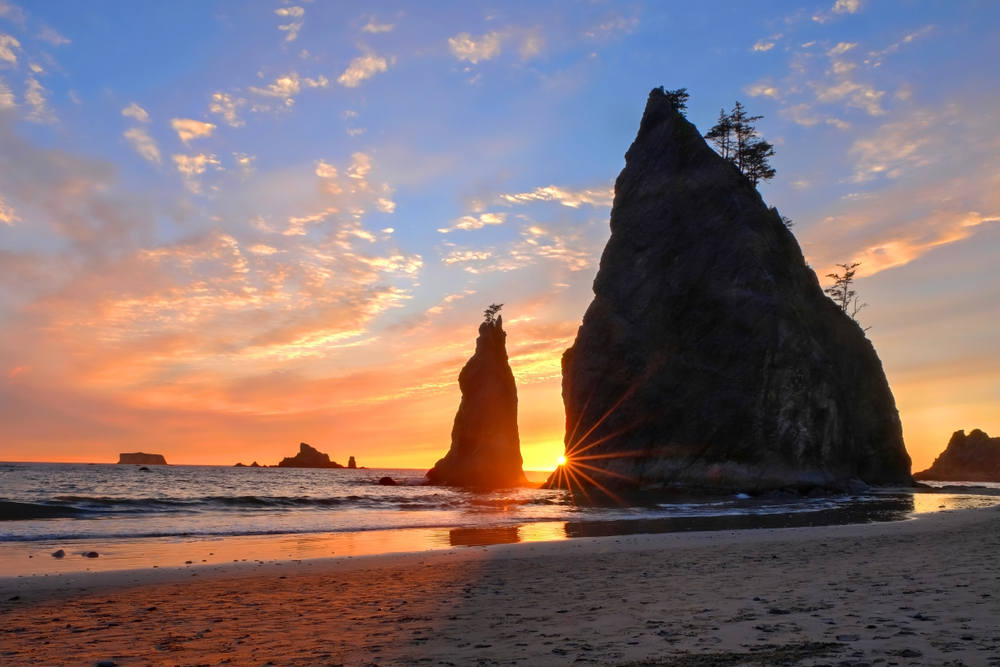
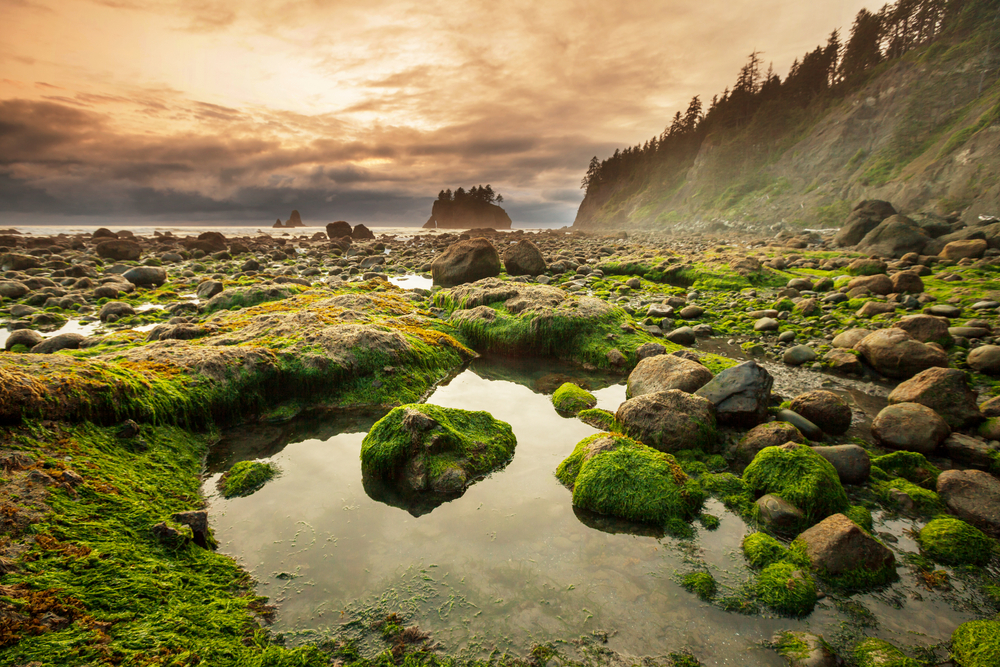
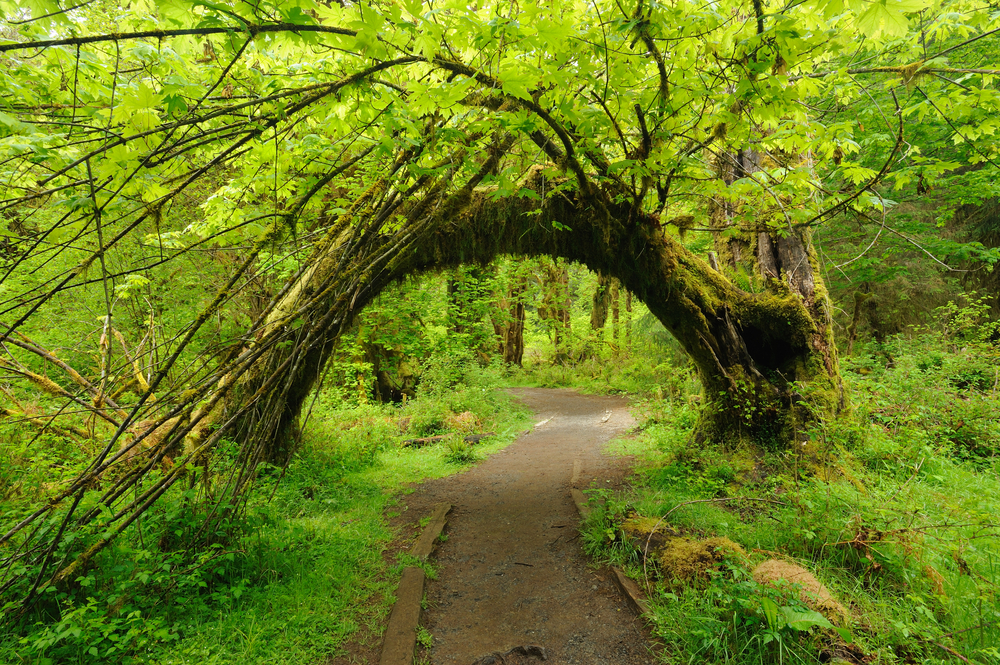
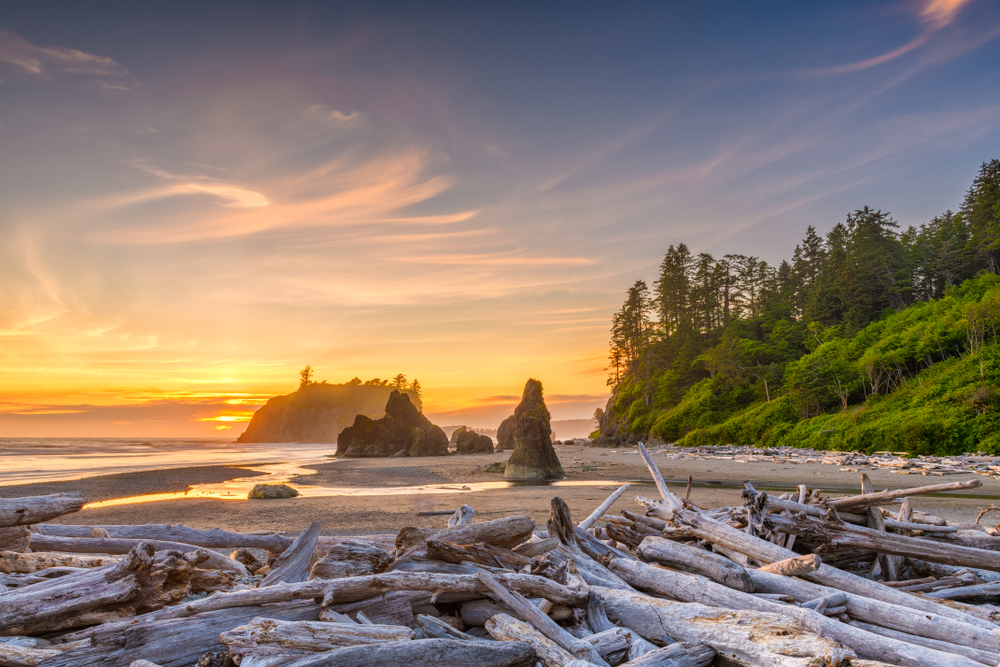
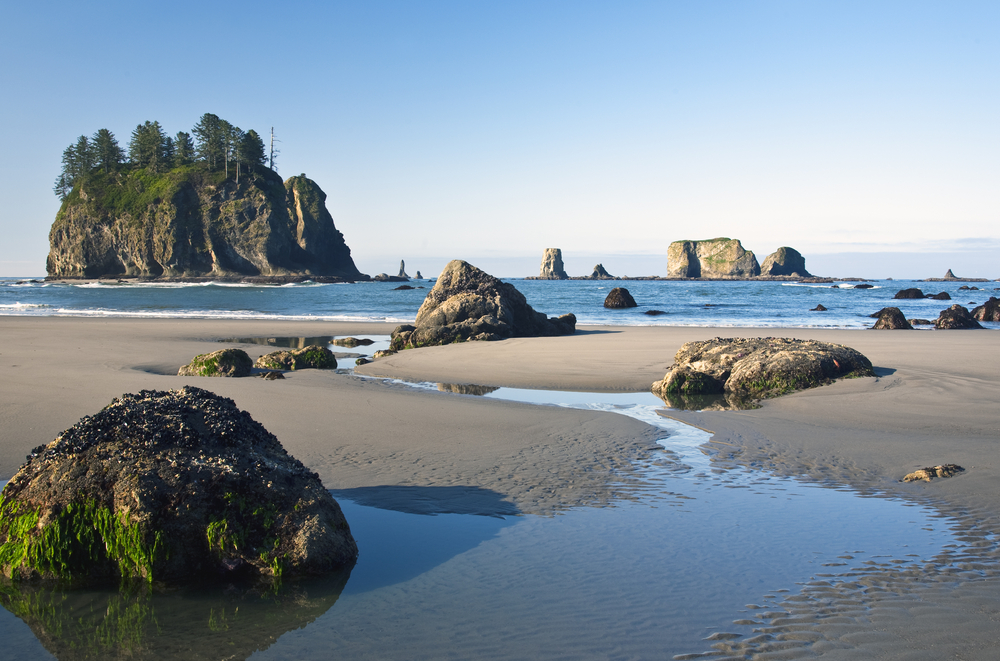
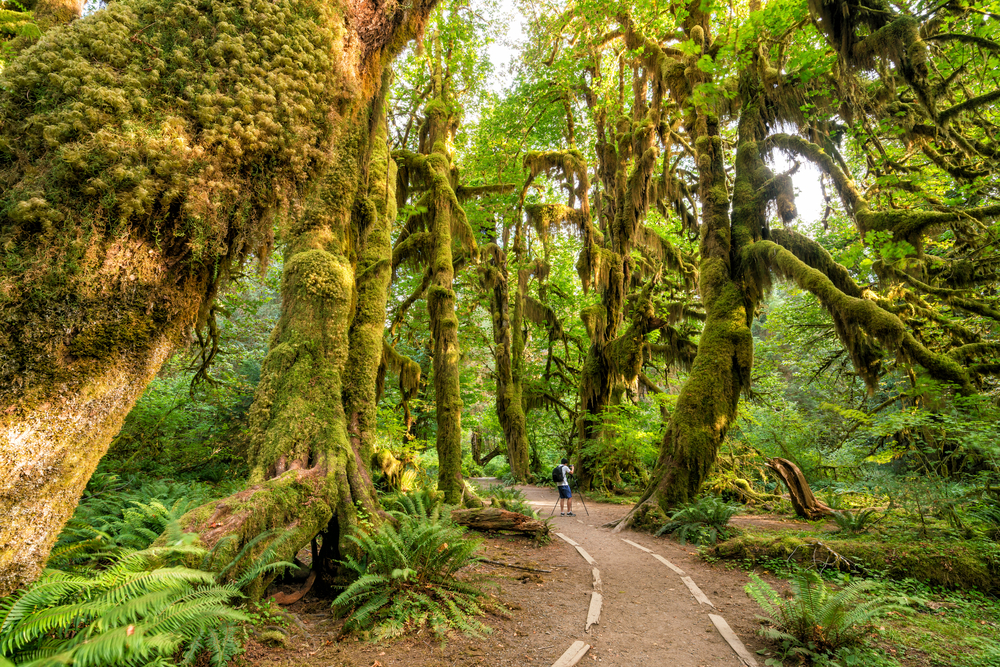
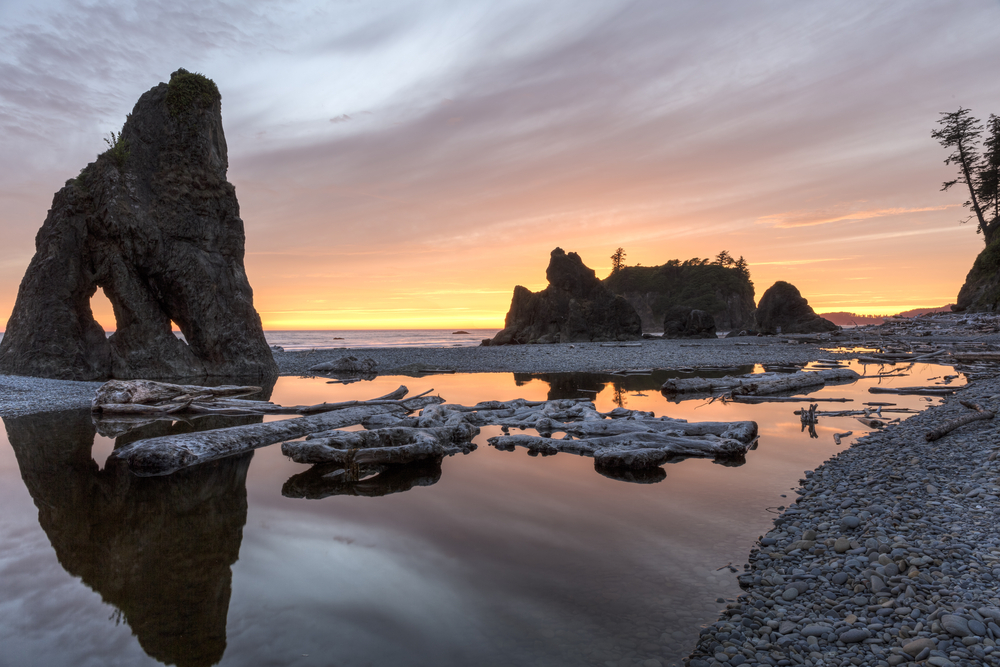
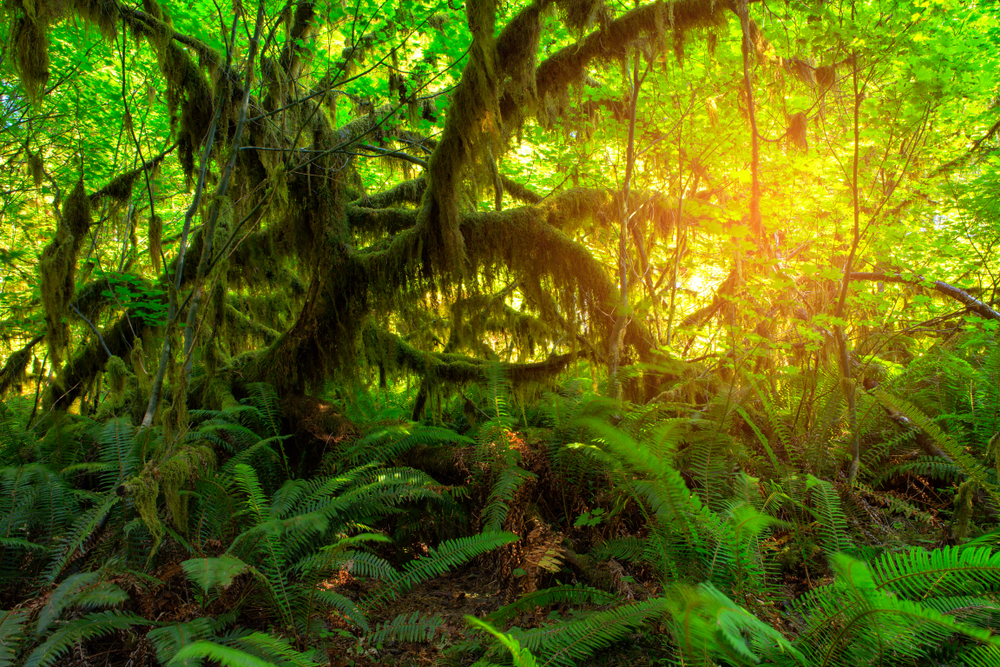
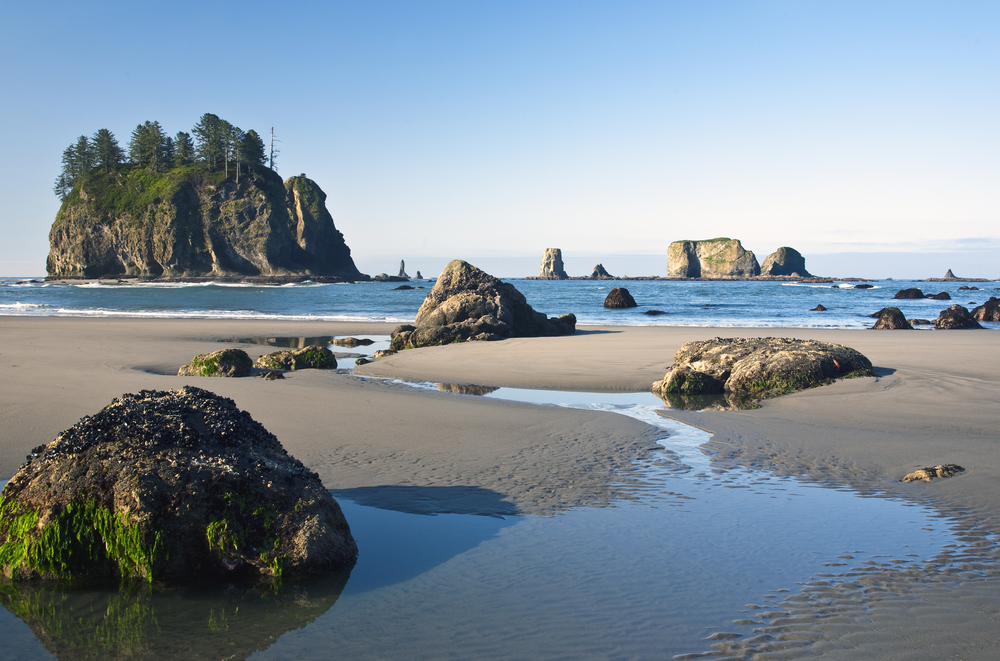
The western slopes receive some of the highest annual rainfall totals in the continental United States, supporting dense temperate rainforests filled with towering Sitka spruce, western hemlock, and Douglas-fir. The coastline features sea stacks, driftwood-covered beaches, and rocky headlands, while alpine meadows and subalpine forests dominate the higher elevations.
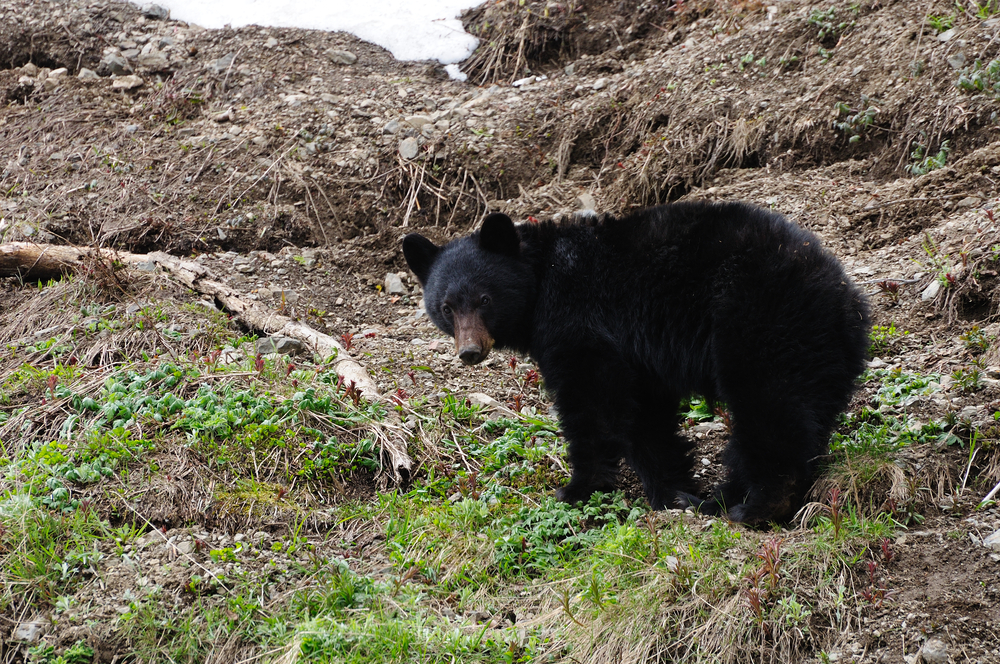
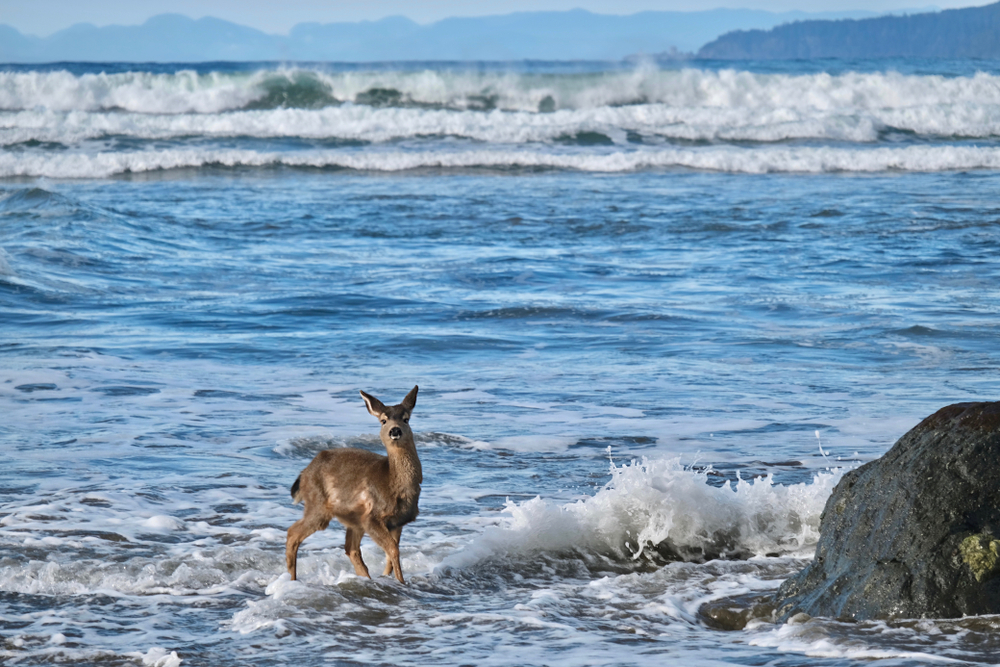
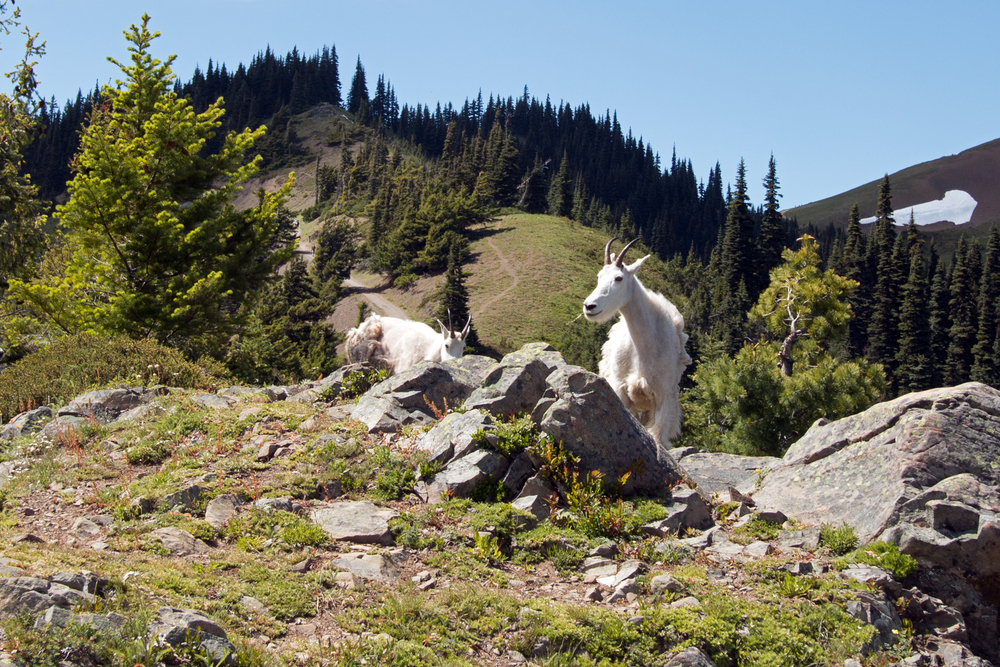
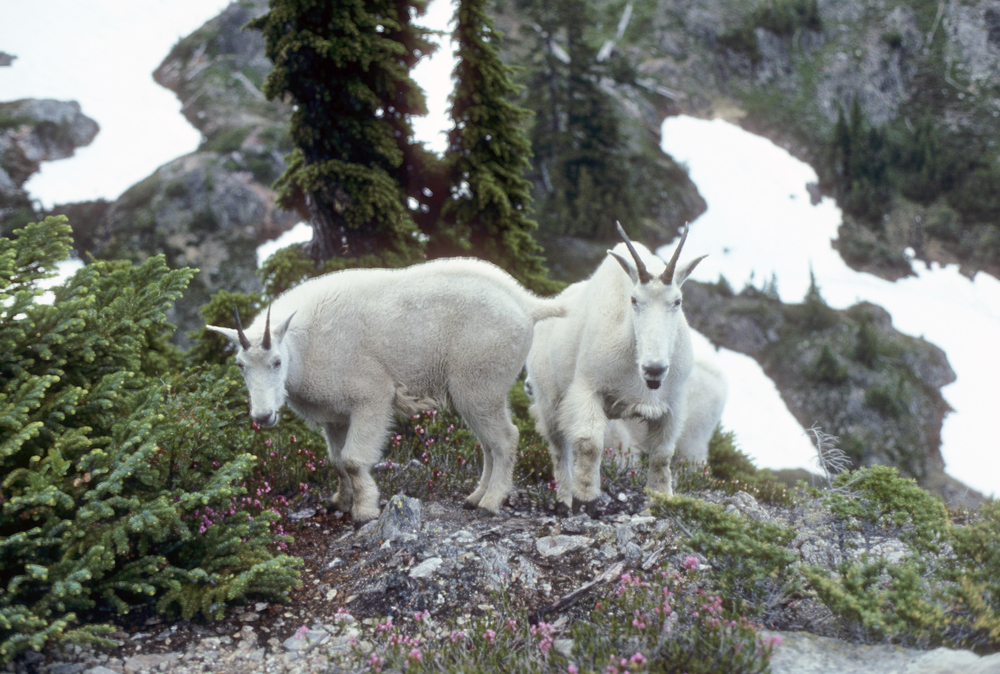
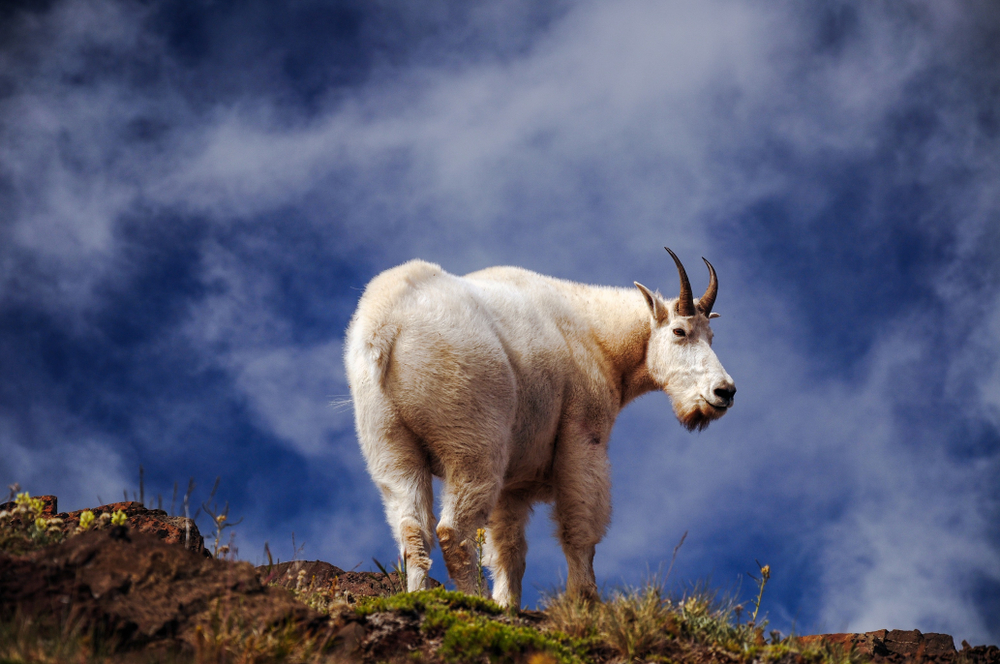
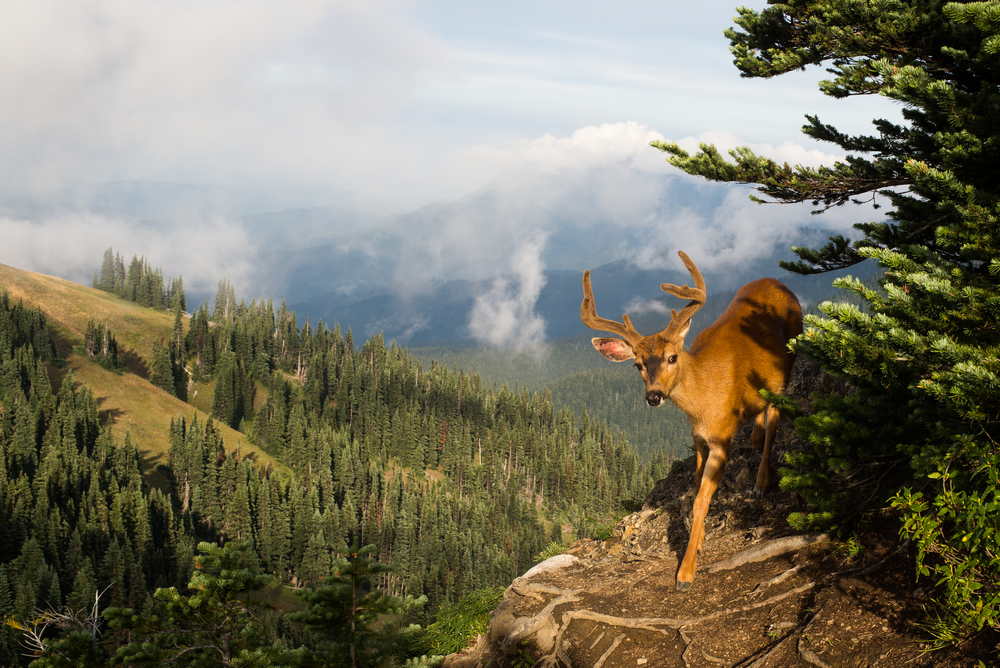
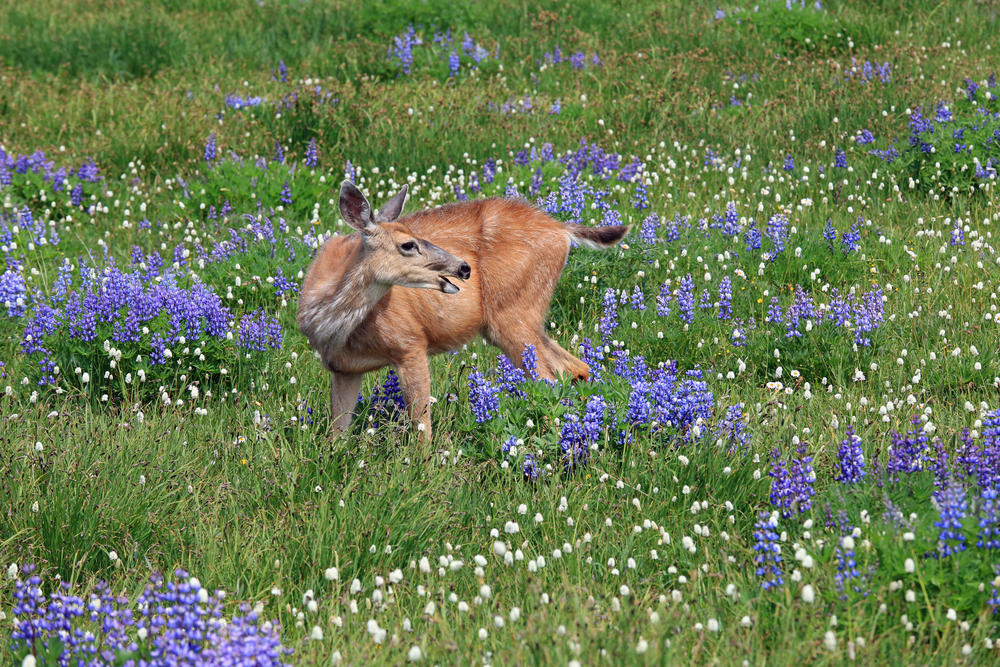
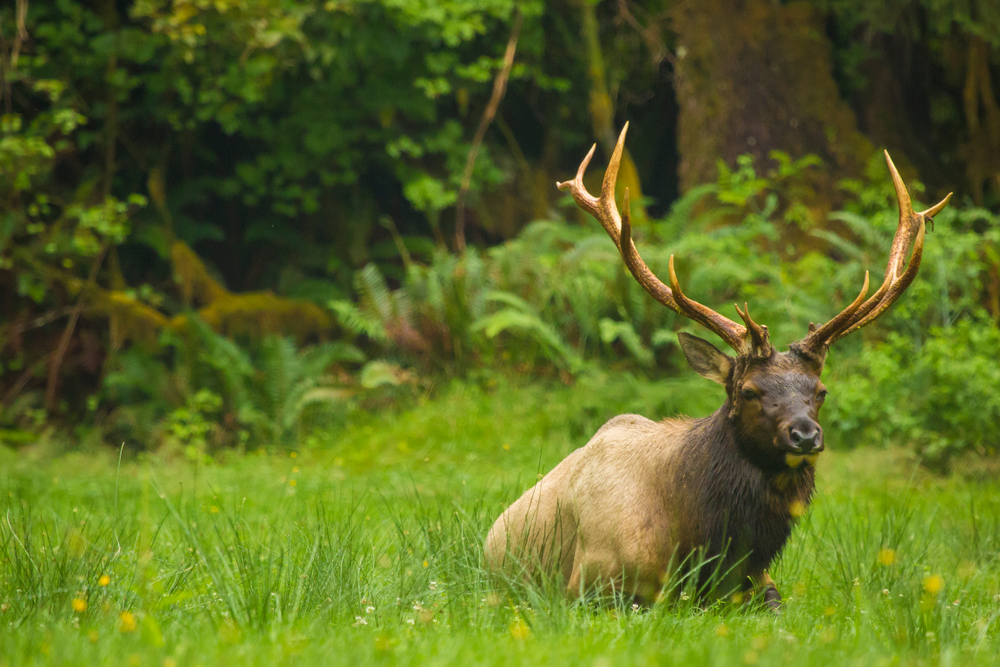
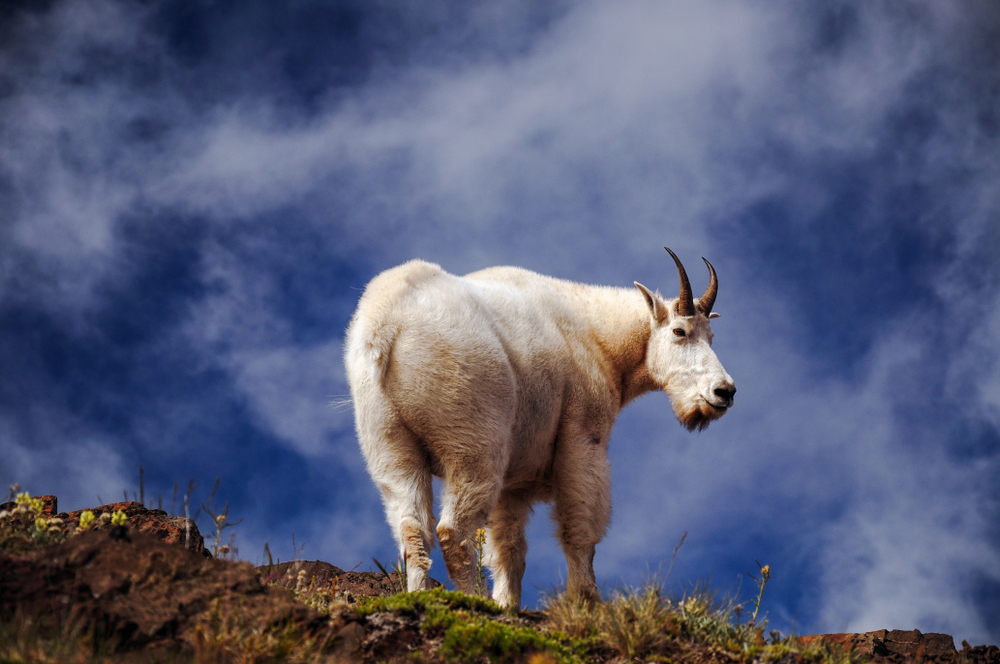
Wildlife within Olympic National Park is exceptionally diverse. Large mammals include Roosevelt elk, black bears, black-tailed deer, mountain goats, river otters, and cougars. Roosevelt elk are especially significant, as the park protects one of the largest populations of this iconic subspecies. Birdlife is abundant throughout the park, with bald eagles, northern spotted owls, marbled murrelets, peregrine falcons, and numerous migratory species inhabiting its varied ecosystems.
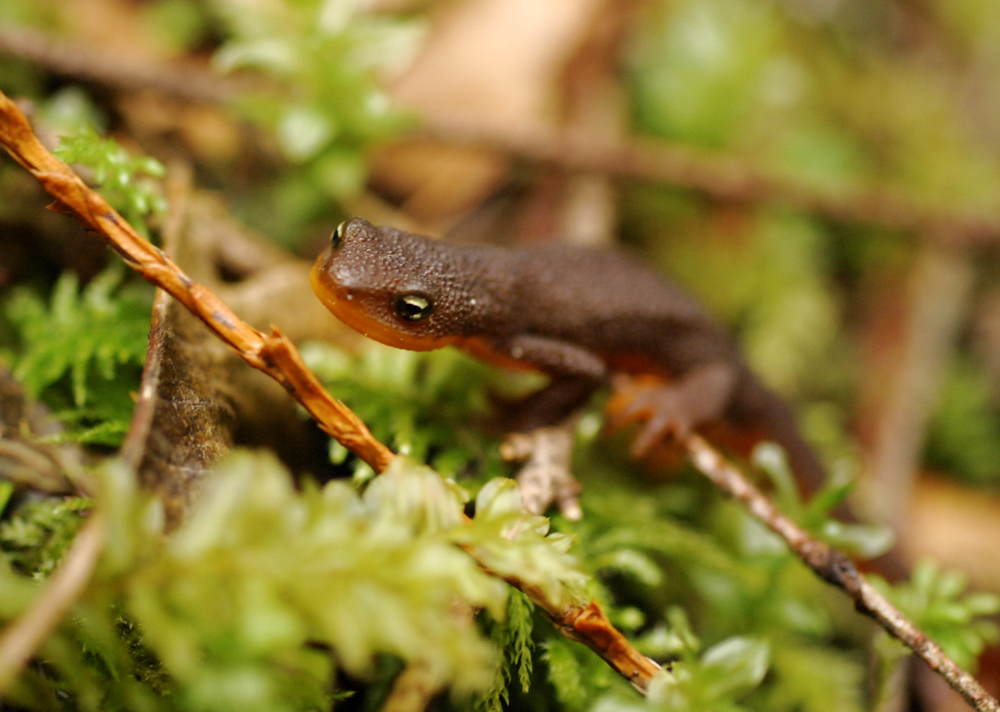
Coastal waters support harbor seals, sea otters, gray whales, and orcas. Rivers provide critical habitat for salmon and trout, linking marine and terrestrial ecosystems in a way that supports wildlife throughout the region. The park’s isolation has also allowed several plant and animal species to evolve uniquely within the Olympic Peninsula.
Olympic National Park plays a critical role in protecting one of North America’s most intact and diverse ecosystems. The park safeguards old-growth forests, rare temperate rainforests, glacier-fed rivers, coastal habitats, and numerous endemic species found nowhere else in the world. Conservation efforts focus on preserving biodiversity, restoring native habitats, and protecting species such as the northern spotted owl and marbled murrelet.
Olympic is often compared to Fiordland National Park and Great Bear Rainforest because of its combination of rainforests, mountains, and coastal wilderness. Yet its unique convergence of ecosystems within a single national park makes it truly exceptional. Today, Olympic National Park stands as one of America’s greatest natural treasures, preserving a landscape where glaciers, forests, rivers, and ocean meet in remarkable harmony.
Photos

Things to See
Things To Do
Engaging Olympic National Park
Olympic National Park Trails
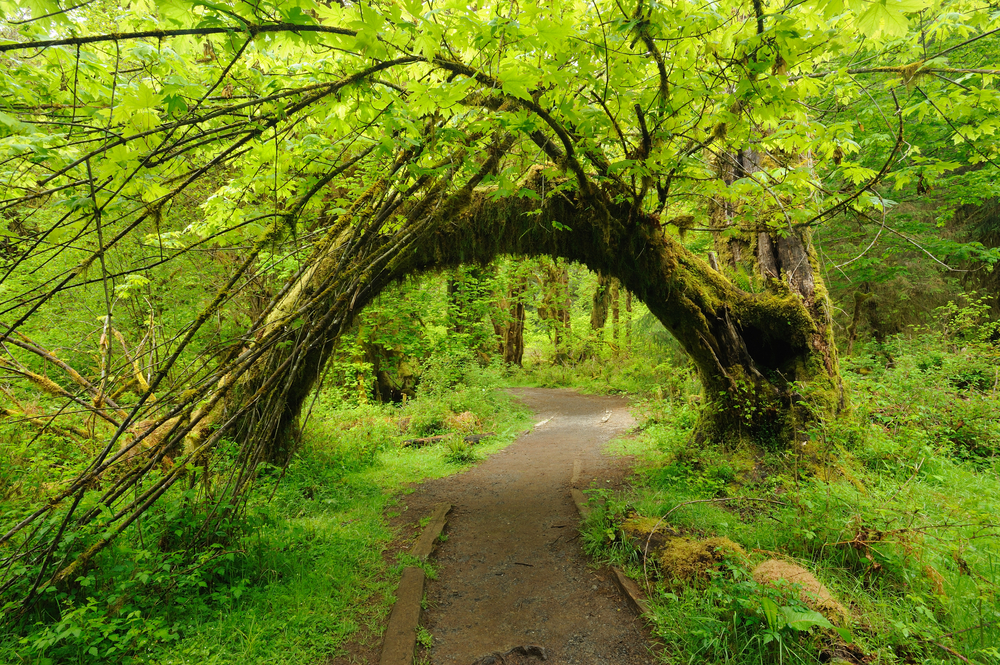
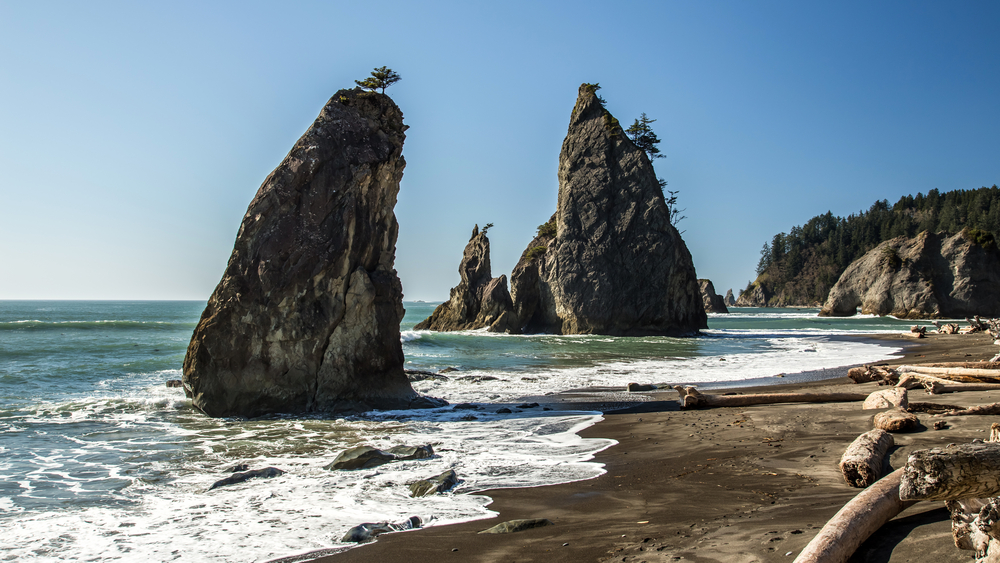
Olympic National Park has at least 175 different trails that allow visitors to hike and explore the rainforest, the mountains, and the varied ecosystems in the park. The trails range from short to long and from easy to difficult providing something for everyone.

Park Protection
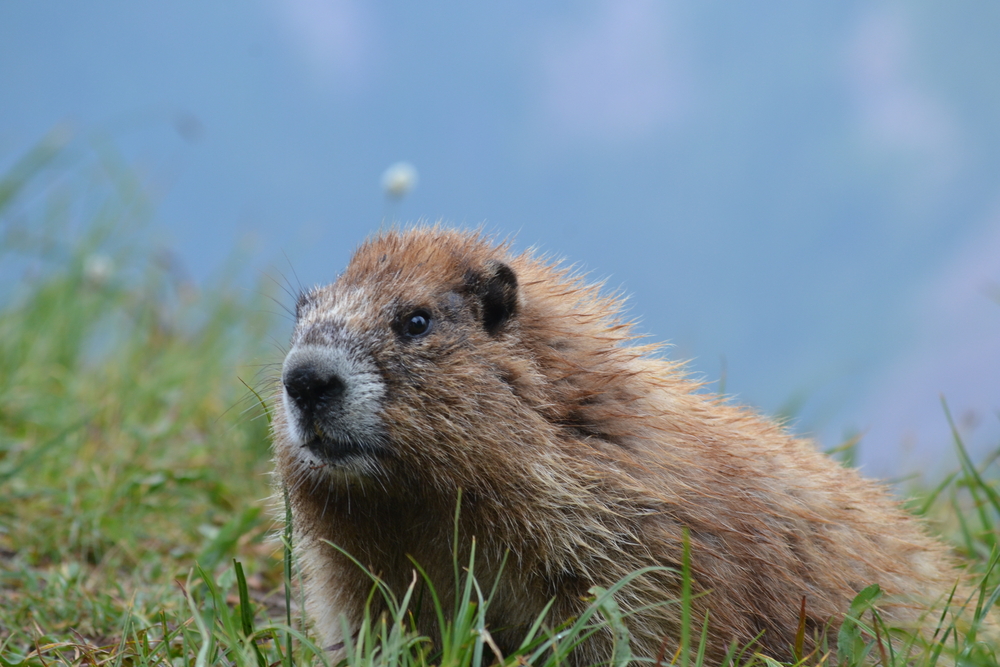
 Olympic National Park was created to protect an extraordinary diversity of ecosystems, including temperate rainforests, rugged Pacific coastline, alpine mountains, and old-growth forests on Washington’s Olympic Peninsula. The park provides habitat for several species of conservation concern, including the northern spotted owl, marbled murrelet, and Olympic marmot, which is found only on the Olympic Peninsula. Its rivers also support important salmon runs that sustain wildlife throughout the region.
The park is particularly significant for its high level of endemism resulting from millions of years of geographic isolation. Numerous plant and animal species occur nowhere else in the world. Olympic also protects some of the finest remaining temperate rainforests in North America. Together, Olympic National Park safeguards rare endemic species, ancient forests, productive river systems, and one of the most diverse collections of ecosystems found within a single national park.
FAQ’s
What is Olympic National Park known for?
Olympic National Park is most renowned for its incredible diversity of ecosystems, ranging from rugged coastline to temperate rainforest, alpine meadows, and glaciated peaks.
The park’s iconic features include its stunning coastline, which stretches for over 70 miles (113 kilometers) along the Pacific Ocean, featuring pristine sandy beaches, towering sea stacks, and dramatic coastal cliffs.
Olympic National Park is also famous for its lush temperate rainforests, such as the Hoh Rainforest, which receive abundant rainfall and support a rich variety of plant and animal life.
Furthermore, Olympic National Park is known for its impressive alpine landscapes, including the glaciated peaks of the Olympic Mountains, which rise to heights of over 7,000 feet (2,134 meters).
Visitors to the park can explore a network of hiking trails that lead to breathtaking vistas, serene mountain lakes, and cascading waterfalls.
With its stunning natural beauty, diverse ecosystems, and opportunities for outdoor recreation and wildlife viewing, Olympic National Park stands as a crown jewel of the Pacific Northwest and a UNESCO World Heritage Site.
What is the main reason people visit Olympic National Park?
Olympic National Park is primarily visited for its incredible diversity of ecosystems, including rugged Pacific coastline, temperate rainforests, glacier-covered mountains, alpine meadows, and pristine lakes. Located on Washington’s Olympic Peninsula, the park protects nearly one million acres of wilderness and is one of the most ecologically diverse national parks in the United States.
Visitors come to hike through lush rainforests, explore wild beaches, view snow-capped peaks, observe wildlife, discover waterfalls, and experience several dramatically different environments within a single national park.
What animals can visitors hope to see in Olympic National Park?
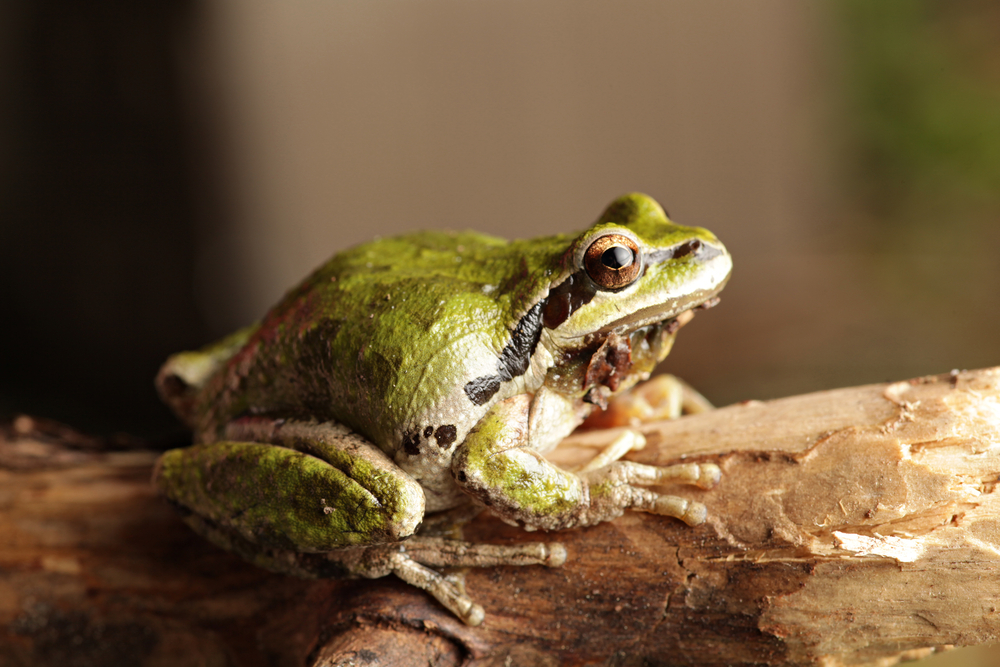
Olympic National Park supports approximately 65 mammal species and a wide variety of reptiles, amphibians, and aquatic species. Its isolated geography has allowed several species to evolve uniquely on the Olympic Peninsula.
Some of the most notable animals found in Olympic National Park include:
- Roosevelt Elk
- Black Bear
- Cougar
- Bobcat
- Coyote
- River Otter
- American Beaver
- Raccoon
- Mink
- Long-tailed Weasel
- Short-tailed Weasel
- American Marten
- Fisher
- Striped Skunk
- Porcupine
- Black-tailed Deer
- Mountain Goat
- Olympic Marmot
- Hoary Marmot
- Douglas Squirrel
- Northern Flying Squirrel
- Townsend’s Chipmunk
- Deer Mouse
- Pacific Jumping Mouse
- Western Red-backed Vole
- Long-tailed Vole
- Meadow Vole
- Water Shrew
- Vagrant Shrew
- Snowshoe Hare
- Mountain Beaver
- Big Brown Bat
- Hoary Bat
- Silver-haired Bat
- Little Brown Bat
- California Myotis
- Long-legged Myotis
- Keen’s Myotis
- Townsend’s Big-eared Bat
- Yuma Myotis
- Harbor Seal
- California Sea Lion
- Steller Sea Lion
- Sea Otter
- Harbor Porpoise
- Dall’s Porpoise
- Gray Whale
- Humpback Whale
- Killer Whale (Orca)
- Various Salmon Species
What birds can visitors hope to see in Olympic National Park?
Olympic National Park is home to more than 300 bird species. Its coastal habitats, rainforests, alpine environments, and wetlands provide exceptional birdwatching opportunities.
Some of the most popular birds seen in Olympic National Park include:
- Bald Eagle
- Golden Eagle
- Peregrine Falcon
- Osprey
- Cooper’s Hawk
- Sharp-shinned Hawk
- Northern Goshawk
- Great Horned Owl
- Barred Owl
- Northern Pygmy Owl
- Northern Saw-whet Owl
- Common Raven
- Gray Jay
- Steller’s Jay
- Clark’s Nutcracker
- Chestnut-backed Chickadee
- Mountain Chickadee
- Red-breasted Nuthatch
- Brown Creeper
- Pacific Wren
- Winter Wren
- American Dipper
- Hermit Thrush
- Varied Thrush
- American Robin
- Townsend’s Solitaire
- Cedar Waxwing
- Pine Grosbeak
- Evening Grosbeak
- Pine Siskin
- Red Crossbill
- White-winged Crossbill
- Dark-eyed Junco
- Fox Sparrow
- White-crowned Sparrow
- Savannah Sparrow
- Yellow Warbler
- Wilson’s Warbler
- MacGillivray’s Warbler
- Western Tanager
- Black-headed Grosbeak
- Hairy Woodpecker
- Downy Woodpecker
- Northern Flicker
- Pileated Woodpecker
- Tufted Puffin
- Rhinoceros Auklet
- Common Murre
- Black Oystercatcher
- Harlequin Duck
Is Olympic National Park worth visiting?
Yes, Olympic National Park is absolutely worth visiting and is widely considered one of the most diverse and beautiful national parks in the United States.
The park offers glacier-covered mountains, ancient rainforests, rugged Pacific beaches, alpine lakes, waterfalls, wildlife viewing, and extensive hiking opportunities. Few national parks allow visitors to explore snowy mountain peaks, lush temperate rainforests, and wild ocean coastlines all within the same day.
The primary hesitation is that the park is very large, and major attractions are spread across different regions, requiring considerable driving time.
What is the best time to visit Olympic National Park?
The best time to visit Olympic National Park is from June through September.
Typical conditions include:
- June: 45–70°F (7–21°C)
- July: 50–75°F (10–24°C)
- August: 50–75°F (10–24°C)
- September: 45–70°F (7–21°C)
During this period:
- Most roads and trails are accessible.
- Mountain areas are largely snow-free.
- Wildlife viewing is excellent.
- Rainfall is typically lower.
- Coastal exploration conditions are favorable.
July and August generally provide the best weather and access throughout the park.
How many days do you need to visit Olympic National Park?
Most visitors should plan for 3 to 5 days.
- 1 day: Hurricane Ridge or a rainforest visit.
- 2 days: Mountains and coastline.
- 3–4 days: Mountains, rainforests, beaches, and waterfalls.
- 5+ days: Extensive hiking and exploration of remote regions.
Because attractions are spread across the Olympic Peninsula, longer visits are highly recommended.
How do you get to Olympic National Park?
Olympic National Park is located on Washington’s Olympic Peninsula, west of Seattle.
The closest major airport is:
- Seattle-Tacoma International Airport
Most visitors follow this route:
- Fly into Seattle.
- Rent a vehicle.
- Travel by ferry or highway to the Olympic Peninsula.
- Access the park through one of several major entrance areas.
Getting to the Olympic Peninsula
Visitors can reach the peninsula by:
- Driving around the southern end of Puget Sound.
- Taking a ferry from the Seattle area to communities on the peninsula.
- Driving west from Tacoma via U.S. Highway 101.
Hurricane Ridge
The park’s most famous mountain destination is:
- Hurricane Ridge
Highlights include:
- Panoramic mountain views.
- Alpine meadows.
- Wildlife viewing.
- Hiking trails.
- Views of Olympic peaks and glaciers.
Located approximately 30 minutes from Port Angeles.
Hoh Rain Forest
One of the most famous temperate rainforests in the world is:
- Hoh Rain Forest
Visitors can experience:
- Massive moss-covered trees.
- Lush vegetation.
- Easy interpretive trails.
- Unique rainforest ecosystems.
Pacific Coast Beaches
The park protects over 70 miles (113 km) of wild Pacific coastline, including:
- Rialto Beach
- Ruby Beach
- Kalaloch Beach
- Second Beach
These beaches are known for:
- Sea stacks.
- Tide pools.
- Coastal wildlife.
- Spectacular sunsets.
Lake Crescent
Another major attraction is:
- Lake Crescent
Known for:
- Crystal-clear water.
- Scenic drives.
- Kayaking.
- Hiking trails.
- Waterfall access.
Travel Times
Typical travel times include:
- Seattle to Port Angeles: approximately 2.5–3 hours.
- Seattle to Hurricane Ridge: approximately 3–3.5 hours.
- Seattle to Hoh Rain Forest: approximately 4–5 hours.
- Port Angeles to Hoh Rain Forest: approximately 2 hours.
- Port Angeles to Rialto Beach: approximately 1.5 hours.
Because the park surrounds much of the Olympic Peninsula, visitors should expect significant driving between major attractions.
Who is involved in protecting and supporting Olympic National Park?
Several organizations help protect and support Olympic National Park:
- National Park Service – manages Olympic National Park.
- Washington’s National Park Fund – supports Olympic, Mount Rainier, and North Cascades National Parks.
- Olympic Park Associates – supports education and conservation initiatives.
- National Park Foundation – supports projects throughout the National Park System.
- Indigenous communities including the Makah Tribe, Quileute Tribe, Hoh Tribe, and Jamestown S’Klallam Tribe, who maintain deep cultural connections to the region.
Sources
- All Trails, Best Trails in Olympic National Park, https://www.alltrails.com/parks/us/washington/olympic-national-park, retrieved July 2020.
- Britannica, Olympic National Park, https://www.britannica.com/place/Olympic-National-Park, retrieved September 2019.
- National Geographic, Everything to know about Olympic National Park, https://www.nationalgeographic.com/travel/national-parks/olympic-national-park/, retrieved September 2019.
- National Geographic, Complete National Parks of the United States, National Geographic Publishing, Washington DC.
- National Geographic, Guide to the National Parks of the United States, National Geographic Society, 2003.
- National Geographic, National Parks of North America, Canada-United States-Mexico, National Geographic Society, 1995.
- National Park Foundation, Pacific Wilderness, https://www.nationalparks.org/explore-parks/olympic-national-park, retrieved September 2019.
- National Park Service, Olympic, https://www.nps.gov/olym/index.htm, retrieved September 2019.
- UNESCO, Olympic National Park, https://whc.unesco.org/en/list/151/, retrieved September 2019.