

About
Mesa Verde National Park, the park is located in southwestern Colorado in the United States near the Four Corners region where Colorado, Utah, Arizona, and New Mexico meet. Covering approximately 81 square miles (210 sq km), the park protects one of the most significant archaeological landscapes in North America.
Established in 1906 by President Theodore Roosevelt, Mesa Verde became the first U.S. national park created specifically to preserve cultural heritage rather than natural scenery. The park safeguards thousands of archaeological sites associated with the Ancestral Pueblo people, who inhabited the region for more than 700 years. In 1978, Mesa Verde was designated a UNESCO World Heritage Site, recognizing its global importance as a cultural treasure.
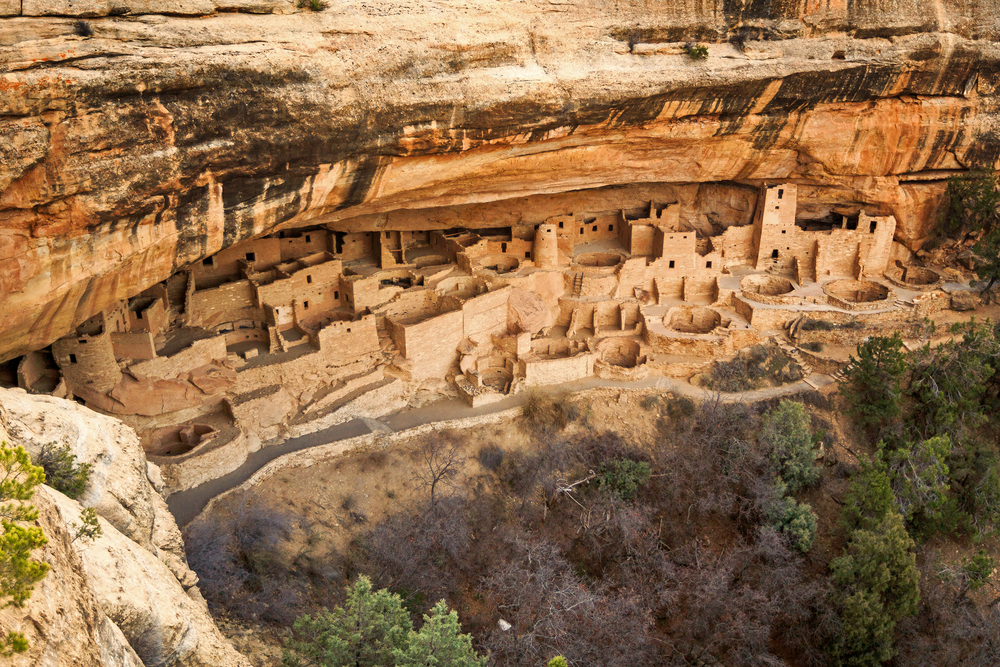
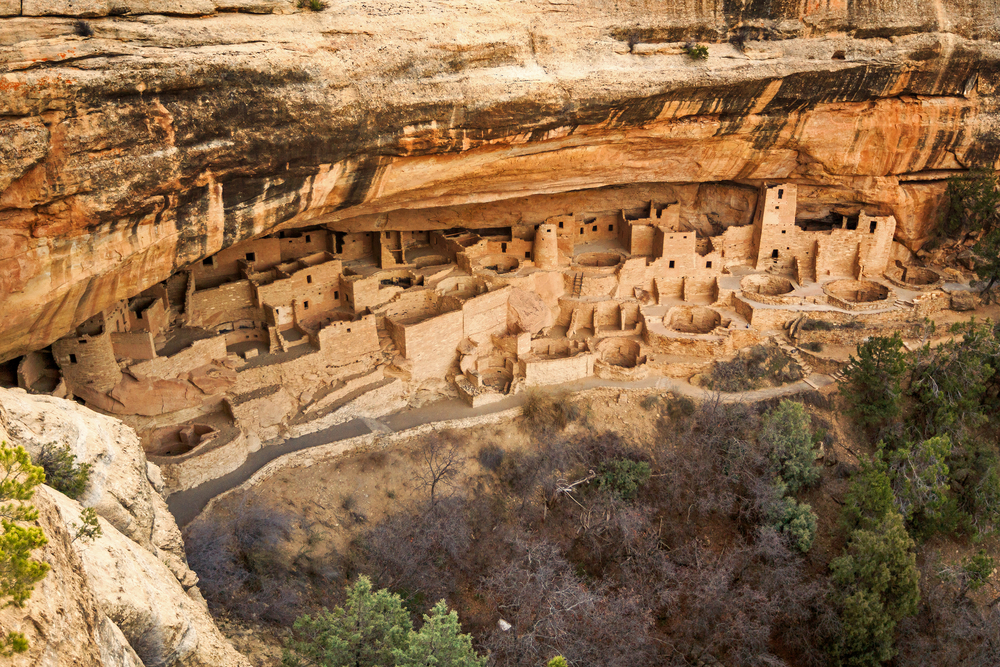
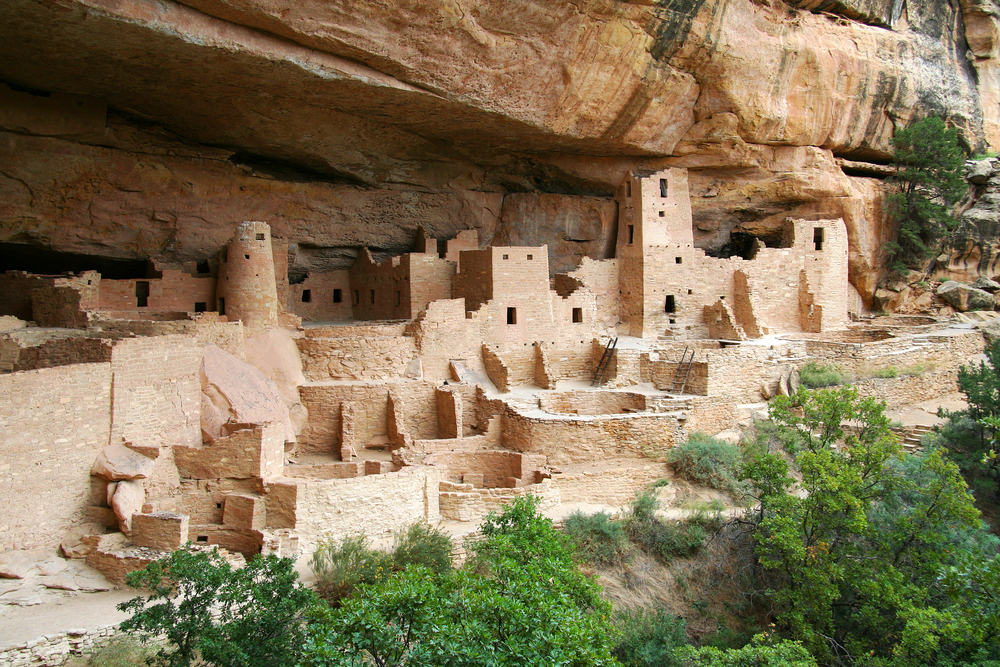
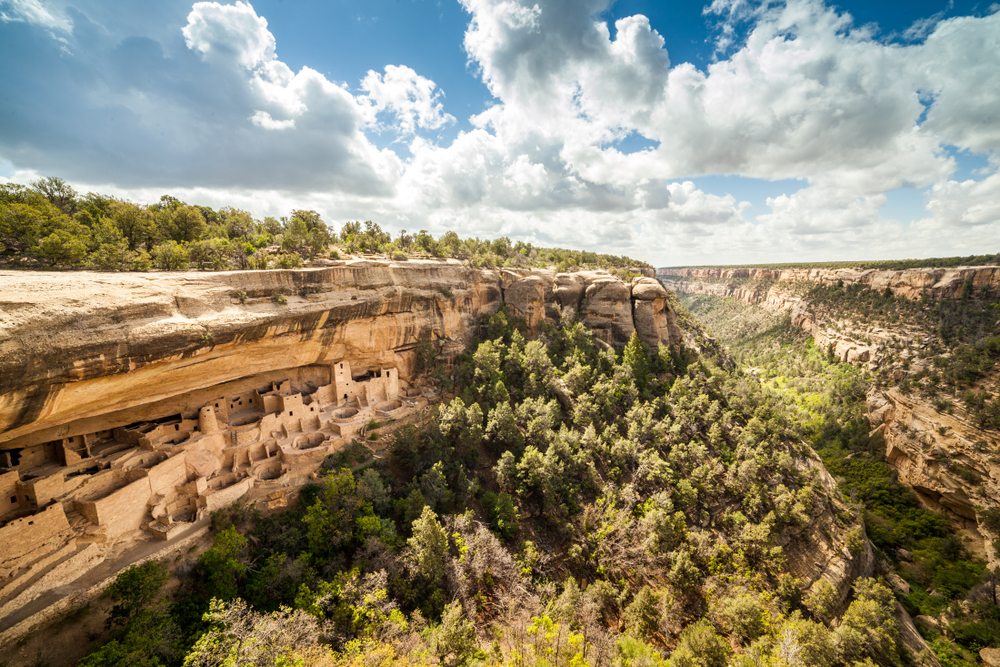
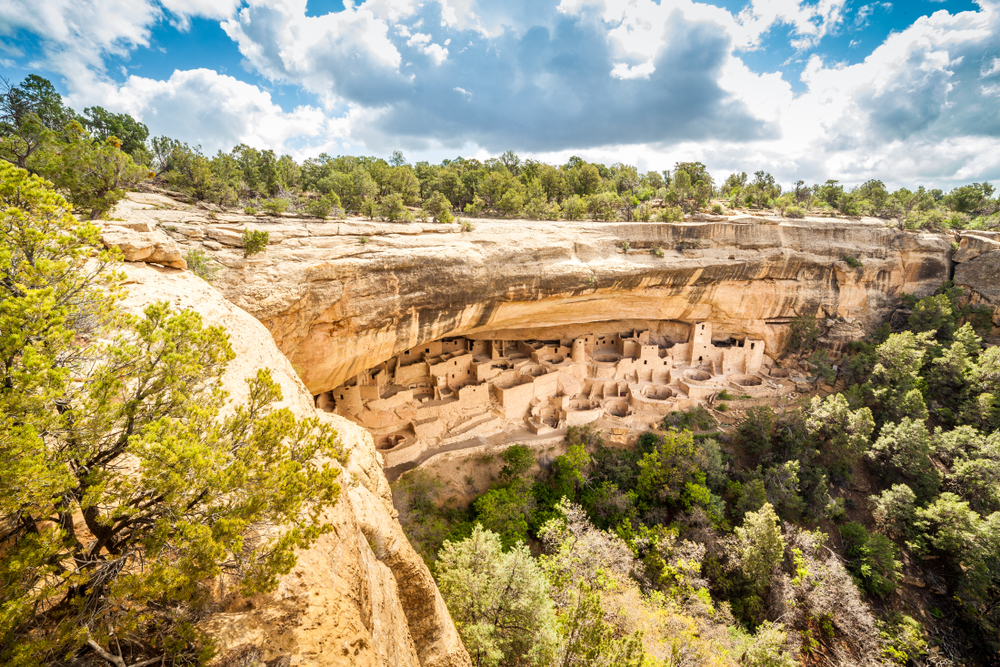
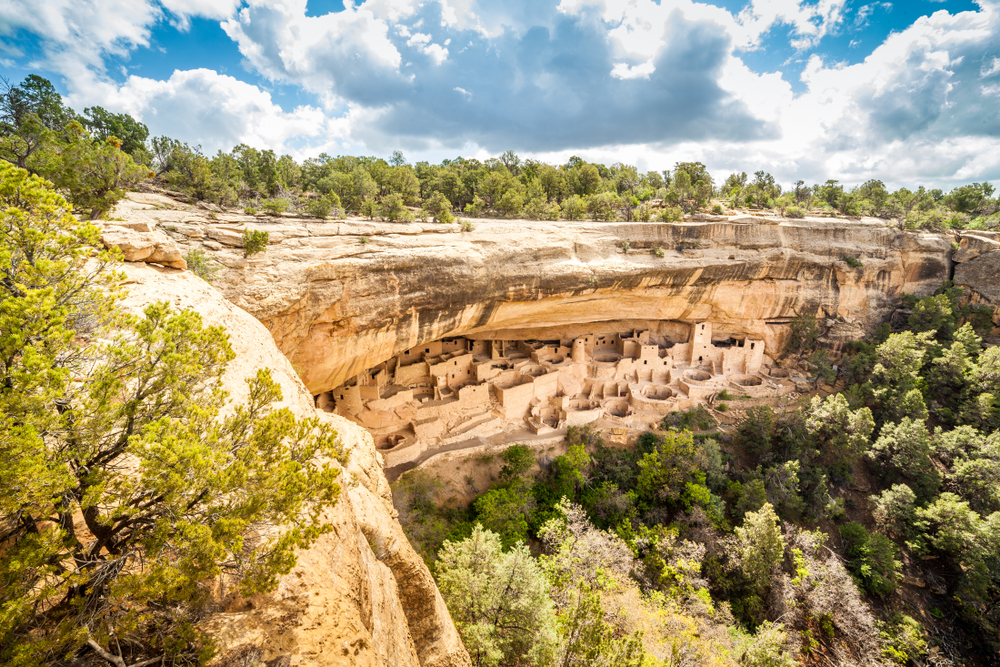
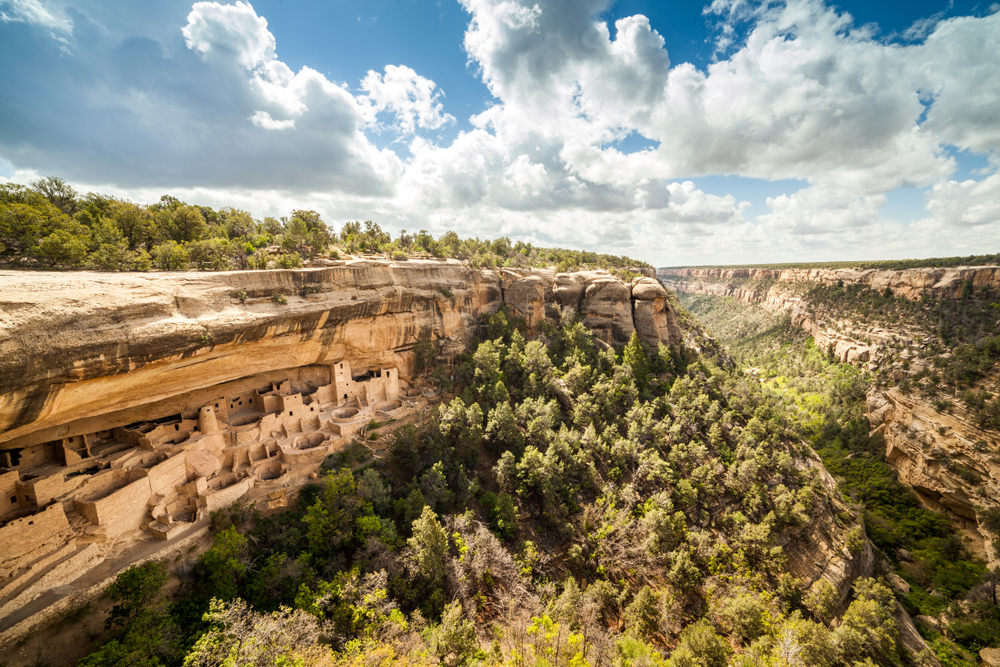
Mesa Verde National Park is best known for its extraordinary cliff dwellings, some of the best-preserved ancient structures in North America. Visitors are drawn to remarkable sites such as Cliff Palace, Balcony House, and Long House, where multi-story stone communities were constructed beneath natural sandstone overhangs more than 700 years ago.
The park offers guided tours, scenic drives, archaeological exhibits, hiking trails, and cultural interpretation programs that provide insight into the lives of the Ancestral Pueblo people. Few places in North America offer such a direct and well-preserved connection to an ancient civilization.
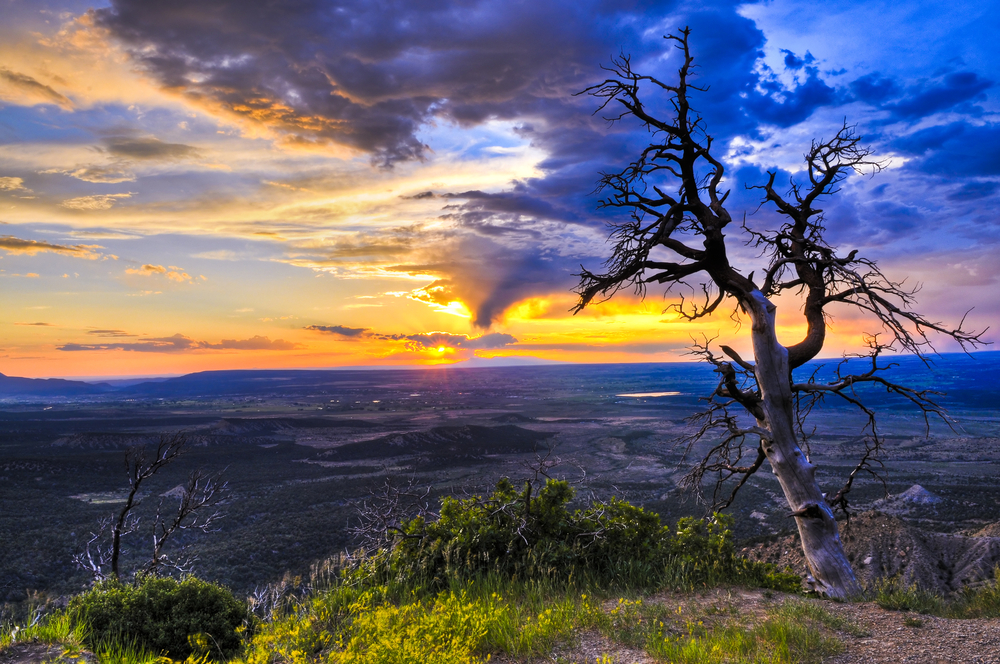
The geography of Mesa Verde National Park is characterized by broad mesas, deep canyons, sandstone cliffs, and elevated plateaus. The name “Mesa Verde,” meaning “green table” in Spanish, reflects the forested flat-topped mesas that dominate the landscape. Elevations range from approximately 6,000 to over 8,500 feet (1,830–2,590 meters), creating a variety of ecological zones.
Over thousands of years, erosion carved numerous canyons into the plateau, exposing sandstone alcoves that later became ideal locations for cliff dwellings. The region’s semi-arid climate and rugged terrain influenced both the settlement patterns of the Ancestral Pueblo people and the ecosystems that exist today.
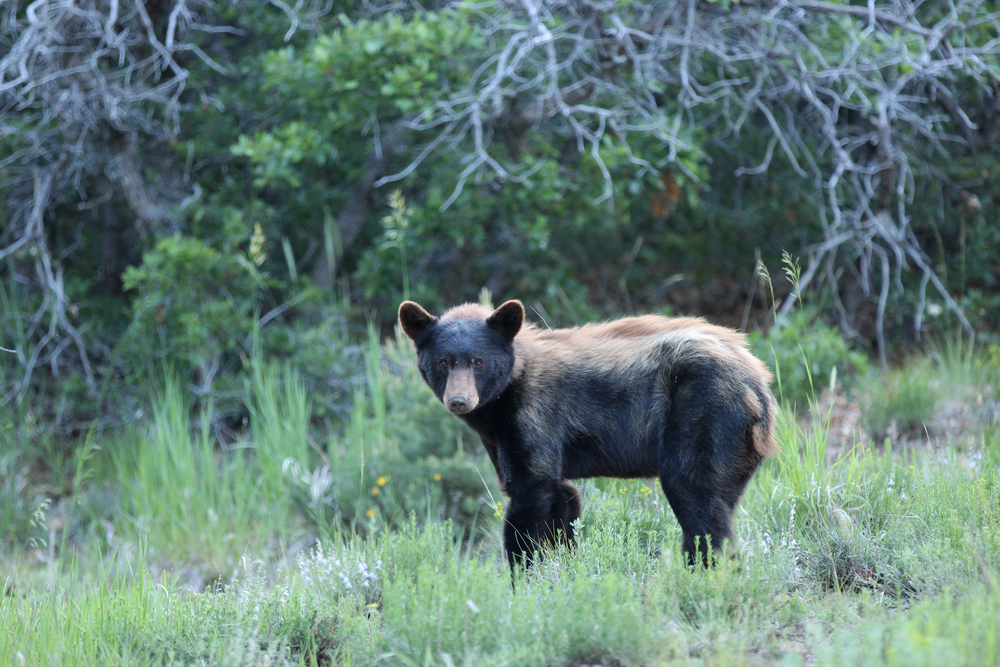
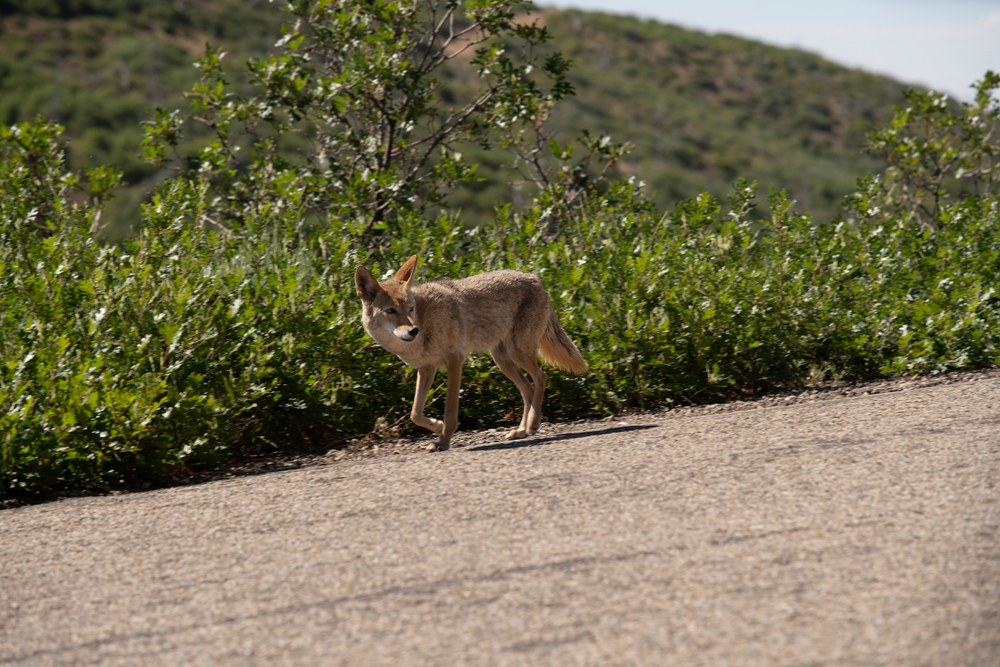
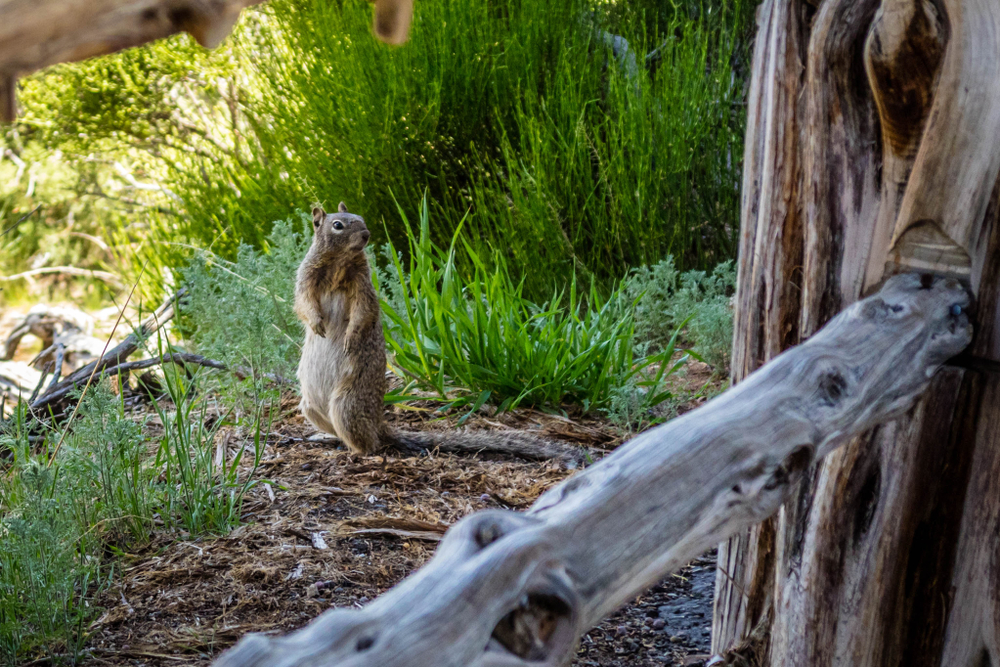
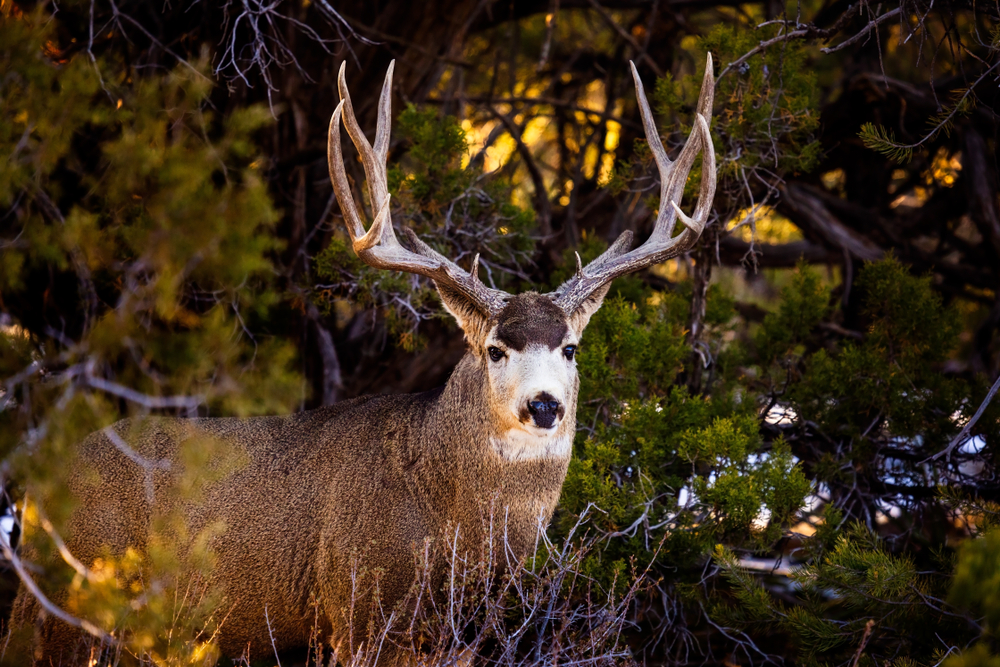
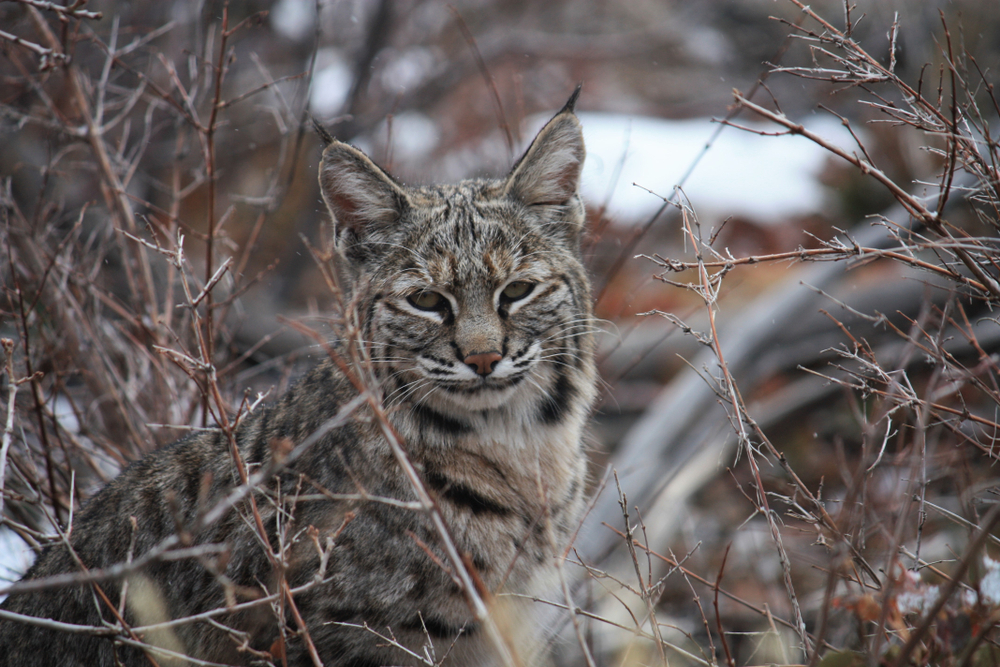
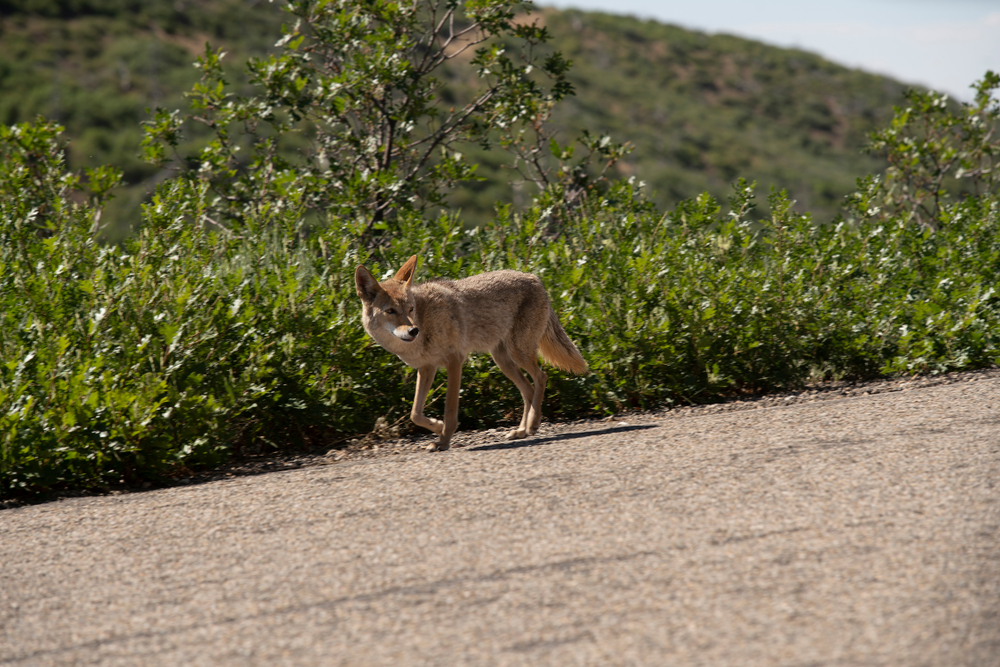
Wildlife within Mesa Verde National Park includes a variety of species adapted to the high-desert and woodland environments of the American Southwest. Mammals include mule deer, black bears, coyotes, bobcats, mountain lions, elk, and numerous smaller mammals.
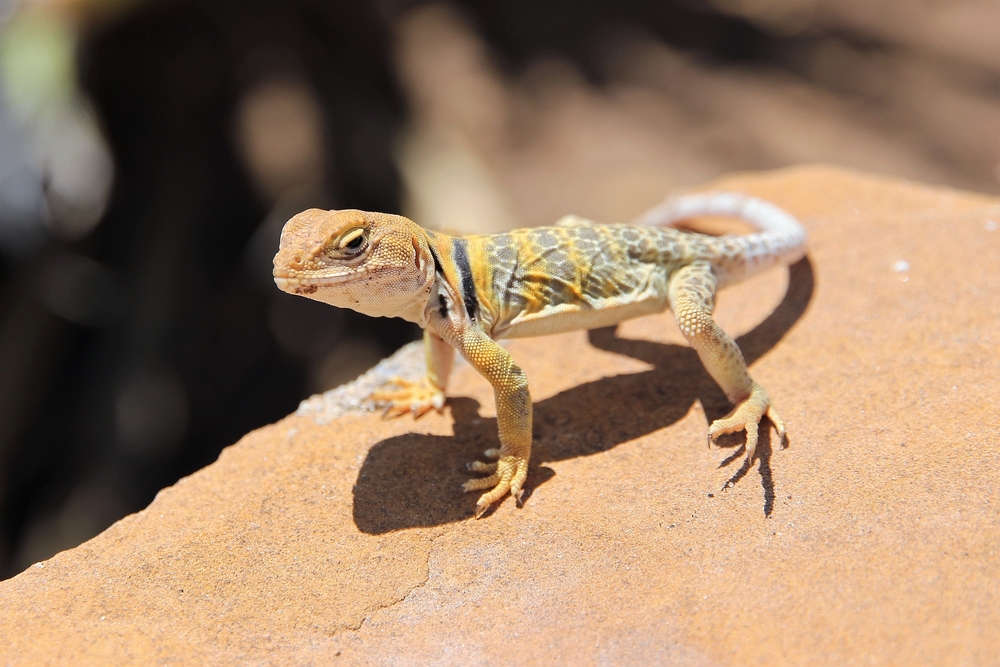
Birdlife is abundant, with species such as golden eagles, peregrine falcons, pinyon jays, turkey vultures, and western bluebirds inhabiting the park. Reptiles, amphibians, and diverse insect populations contribute to the ecological richness of the region. The park’s pinyon-juniper woodlands, shrublands, and canyon ecosystems support a surprising diversity of wildlife despite the area’s relatively dry conditions.
Mesa Verde National Park plays a critical role in preserving the cultural legacy of the Ancestral Pueblo people and protecting one of the world’s most significant archaeological landscapes. The park contains more than 5,000 known archaeological sites, including nearly 600 cliff dwellings, offering invaluable insights into pre-Columbian history in North America.
Its cultural significance is often compared to Chaco Culture National Historical Park and Canyon de Chelly National Monument because of its importance to Indigenous history and archaeology. However, Mesa Verde’s concentration of preserved cliff dwellings and its status as the first cultural national park in the United States make it uniquely important. Today, the park remains one of America’s greatest cultural treasures, preserving a remarkable record of human ingenuity, adaptation, and community in the ancient Southwest.
Photos
Things to See
 Mesa Verde is the largest and most well-protected archaeological site in North America. Significant efforts were engaged in the early 1900s to restore, stabilize, and protect this cultural and historical treasure. Universities and colleges often schedule educational trips to the national park to explore the anthropology of the area.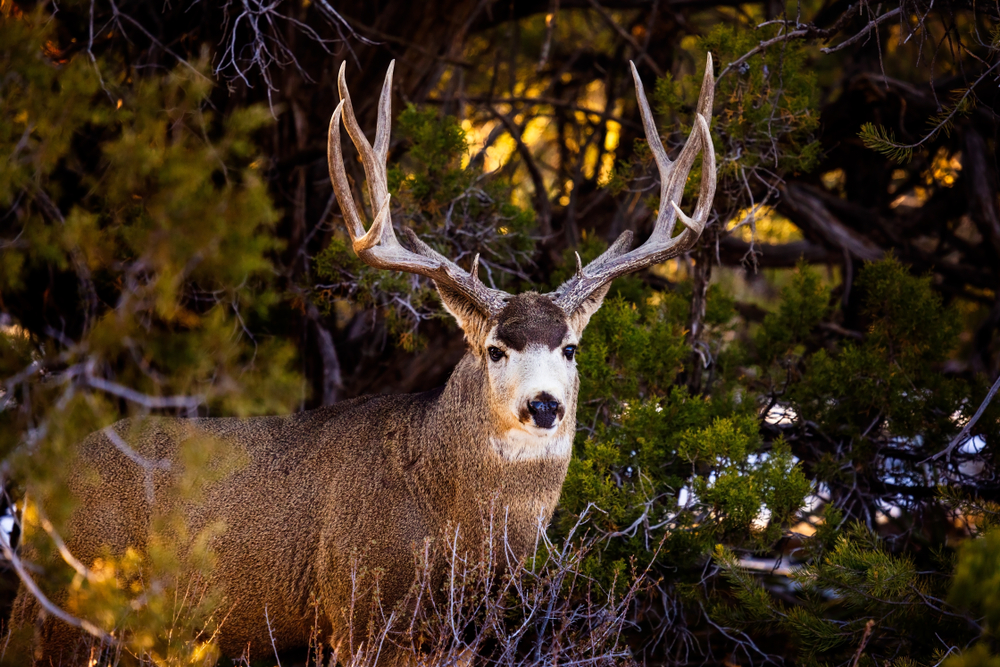
Things To Do
Engaging Mesa Verde
Mesa Verde National Park Trails
Hiking amongst the cliff dwellings and archaeological sites is a must. In addition to the exploration of these dwellings, there are nature trails for discovering nature as well.

Park Protection
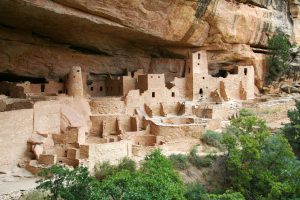 Mesa Verde National Park was created to protect some of the most significant archaeological and cultural resources in North America. The park preserves thousands of ancestral Puebloan archaeological sites, including cliff dwellings, villages, and ceremonial structures built between approximately A.D. 600 and 1300. In addition to its cultural treasures, the park provides habitat for wildlife such as mule deer, black bears, mountain lions, and numerous bird species within its pinyon-juniper woodlands and canyon ecosystems.
The park is especially renowned for protecting over 5,000 known archaeological sites, including more than 600 cliff dwellings. These exceptionally preserved structures provide a unique window into the lives, culture, and achievements of the Ancestral Pueblo people. Together, Mesa Verde National Park safeguards an irreplaceable cultural landscape, important wildlife habitats, and one of the world’s most remarkable collections of prehistoric archaeological resources.
FAQ’s
When did the Pueblo people live in the Mesa Verde area?
The Pueblo people inhabited the Mesa Verde area in what is now southwestern Colorado from approximately 600 to 1300 AD. They built elaborate cliff dwellings and other structures in the region, including Mesa Verde National Park, which is renowned for its well-preserved archaeological sites dating back to this period.
The peak of Pueblo occupation in Mesa Verde occurred between 1200 and 1300 AD, after which the area was gradually abandoned for reasons that are still debated among archaeologists.
Today, Mesa Verde National Park stands as a testament to the ingenuity and cultural achievements of the ancient Puebloans, offering visitors a glimpse into their rich history and architectural legacy.
What is the main reason people visit Mesa Verde National Park?
Mesa Verde National Park is primarily visited for its remarkably preserved ancestral Puebloan cliff dwellings, archaeological sites, and rich cultural history. Located in southwestern Colorado, the park protects nearly 5,000 known archaeological sites, including more than 600 cliff dwellings built by the Ancestral Pueblo people between approximately A.D. 550 and 1300.
Visitors come to explore ancient communities carved into canyon walls, learn about Native American history, enjoy scenic drives, observe wildlife, and experience one of the most important archaeological preserves in North America.
What animals can visitors hope to see in Mesa Verde National Park?
Mesa Verde National Park supports approximately 75 mammal species and more than 30 reptile species. The park’s pinyon-juniper woodlands, shrublands, canyons, and mesas provide habitat for a wide variety of wildlife.
Some of the most notable animals found in Mesa Verde National Park include:
- Mule Deer
- Elk
- Black Bear
- Mountain Lion
- Bobcat
- Coyote
- Gray Fox
- Red Fox
- Ringtail
- Raccoon
- American Badger
- Striped Skunk
- Long-tailed Weasel
- Porcupine
- Desert Cottontail
- Black-tailed Jackrabbit
- Rock Squirrel
- Cliff Chipmunk
- Hopi Chipmunk
- Golden-mantled Ground Squirrel
- White-tailed Antelope Squirrel
- Deer Mouse
- Pinyon Mouse
- Brush Mouse
- Pocket Mouse
- Kangaroo Rat
- Woodrat
- Pocket Gopher
- Meadow Vole
- Long-tailed Vole
- Northern Grasshopper Mouse
- Desert Shrew
- Big Brown Bat
- Hoary Bat
- Silver-haired Bat
- Pallid Bat
- Townsend’s Big-eared Bat
- California Myotis
- Long-legged Myotis
- Fringed Myotis
- Yuma Myotis
- Western Small-footed Myotis
- Mexican Free-tailed Bat
- Spotted Bat
- Western Red Bat
- Rocky Mountain Elk
- Mountain Cottontail
- Prairie Dog Species
- Various Rodent Species
- Various Small Mammals
What birds can visitors hope to see in Mesa Verde National Park?
Mesa Verde National Park is home to more than 200 bird species. Its mesa-top forests, canyons, and desert habitats make it an excellent birdwatching destination in the Four Corners region.
Some of the most popular birds seen in Mesa Verde National Park include:
- Golden Eagle
- Bald Eagle
- Red-tailed Hawk
- Cooper’s Hawk
- Sharp-shinned Hawk
- Northern Goshawk
- Prairie Falcon
- Peregrine Falcon
- American Kestrel
- Great Horned Owl
- Western Screech-Owl
- Northern Pygmy Owl
- Common Raven
- Clark’s Nutcracker
- Pinyon Jay
- Woodhouse’s Scrub-Jay
- Steller’s Jay
- Mountain Chickadee
- Juniper Titmouse
- Black-capped Chickadee
- White-breasted Nuthatch
- Red-breasted Nuthatch
- Brown Creeper
- Canyon Wren
- Rock Wren
- Bewick’s Wren
- Mountain Bluebird
- Western Bluebird
- Townsend’s Solitaire
- American Robin
- Hermit Thrush
- Cedar Waxwing
- Black-throated Gray Warbler
- Yellow Warbler
- Virginia’s Warbler
- MacGillivray’s Warbler
- Western Tanager
- Black-headed Grosbeak
- Green-tailed Towhee
- Spotted Towhee
- Chipping Sparrow
- White-crowned Sparrow
- Dark-eyed Junco
- Western Meadowlark
- Red-winged Blackbird
- Bullock’s Oriole
- Hairy Woodpecker
- Downy Woodpecker
- Northern Flicker
- Lewis’s Woodpecker
Is Mesa Verde National Park worth visiting?
Yes, Mesa Verde National Park is absolutely worth visiting and is one of the most culturally significant national parks in the United States.
The park offers visitors an extraordinary opportunity to see some of the best-preserved ancestral Puebloan dwellings in North America. Combined with scenic canyon landscapes, archaeological sites, ranger-led tours, and Native American history, Mesa Verde provides a unique experience unlike any other national park.
The primary hesitation is that visitors expecting dramatic mountain scenery may not realize the park’s primary focus is cultural and archaeological heritage rather than wilderness recreation.
What is the best time to visit Mesa Verde National Park?
The best time to visit Mesa Verde National Park is from April through October.
Typical conditions include:
- Spring: 35–75°F (2–24°C)
- Summer: 55–90°F (13–32°C)
- Fall: 35–80°F (2–27°C)
- Winter: 10–50°F (-12–10°C)
During these months:
- Archaeological sites are fully accessible.
- Ranger-led tours operate regularly.
- Hiking conditions are favorable.
- Wildlife viewing opportunities are excellent.
May, June, September, and October often provide the most comfortable temperatures.
How many days do you need to visit Mesa Verde National Park?
Most visitors should plan for the day and extend possibly up to 3 days.
- Half day: Cliff Palace and scenic overlooks.
- 1 day: Major archaeological sites and visitor centers.
- 2 days: Cliff dwellings, museums, hikes, and ranger programs.
- 3+ days: In-depth archaeological exploration and regional attractions.
Two days generally provides more than enough time to experience the park’s most important cultural sites.
How do you get to Mesa Verde National Park?
Mesa Verde National Park is located in southwestern Colorado near the Four Corners region.
The closest airports include:
- Durango-La Plata County Airport – approximately 1 hour away.
- Cortez Municipal Airport – approximately 20 minutes away.
- Albuquerque International Sunport – approximately 4.5 hours away.
Most visitors follow this route:
- Fly into Durango or Cortez.
- Rent a vehicle.
- Drive to the park via U.S. Highway 160.
- Enter through the park’s main entrance east of Cortez.
Park Entrance and Scenic Drive
Unlike many national parks, Mesa Verde’s main attractions are located well inside the park.
After entering, visitors travel along the scenic Mesa Top Road and the park’s main mountain road, which climbs approximately 2,000 feet (610 meters) from the entrance to the mesa top.
The drive offers:
- Canyon overlooks.
- Archaeological viewpoints.
- Wildlife viewing opportunities.
- Access to major cliff dwelling areas.
Cliff Palace Area
The most famous destination is:
- Cliff Palace
This spectacular cliff dwelling contains approximately 150 rooms and 23 kivas and is considered the largest cliff dwelling in North America.
Other Major Attractions
Visitors commonly explore:
- Balcony House
- Spruce Tree House
- Long House
- Mesa Verde Visitor and Research Center
- Chapin Mesa Archaeological Museum
Travel Times
Typical travel times include:
- Cortez to park entrance: approximately 15–20 minutes.
- Durango to park entrance: approximately 1 hour.
- Albuquerque to park entrance: approximately 4.5 hours.
- Park entrance to Cliff Palace area: approximately 45 minutes.
Visitors should allow extra time because distances within the park are greater than many expect.
Who is involved in protecting and supporting Mesa Verde National Park?
Several organizations help protect and support Mesa Verde National Park:
- National Park Service – manages Mesa Verde National Park.
- Mesa Verde Museum Association – supports education, research, and interpretation programs.
- National Park Foundation – supports projects throughout the National Park System.
- Crow Canyon Archaeological Center – supports archaeological research and education.
- Numerous Native American tribes, including the Hopi Tribe, Pueblo Peoples, and Ute Mountain Ute Tribe, who maintain ancestral and cultural connections to the region.
Sources
- Britannica, Mesa Verde National Park, https://www.britannica.com/place/Mesa-Verde-National-Park, retrieved June 2020.
- Colorado, Mesa Verde National Park, https://www.colorado.com/articles/mesa-verde-national-park-itinerary, retrieved June 2020.
- Live Science, Mesa Verde: Cliff Dwellings of the Anasazi, https://www.livescience.com/27360-mesa-verde.html, retrieved June 2020.
- Mesa Verde Country, Mesa Verde National Park By the Numbers, https://www.mesaverdecountry.com/see-do/archaeology/mesa-verde-national-park/, retrieved June 2020.
- Mesa Verde Museum Association, Mesa Verde, https://www.mesaverde.org/, retrieved June 2020.
- National Geographic, Complete National Parks of the United States, National Geographic Publishing, Washington DC.
- National Geographic, Guide to the National Parks of the United States, National Geographic Society, 2003.
- National Geographic, National Parks of North America, Canada-United States-Mexico, National Geographic Society, 1995.
- National Park Service, Mesa Verde, https://www.nps.gov/meve/index.htm, retrieved June 2020.
- UNESCO, Mesa Verde National Park, https://whc.unesco.org/en/list/27/, retrieved June 2020.