

About
Great Smoky Mountains National Park is located along the border of Tennessee and North Carolina in the southeastern United States. Covering approximately 816 square miles (2,114 sq km), it is the most visited national park in the United States and one of the most biologically diverse protected areas in North America.
Established in 1934, the park protects a vast landscape of ancient mountains, dense forests, cascading streams, and rich cultural heritage. In 1983, it was designated a UNESCO World Heritage Site in recognition of its exceptional biodiversity and ecological significance. Situated between Knoxville and Asheville, the park preserves a large portion of the Appalachian Mountains and serves as one of America’s premier natural treasures.
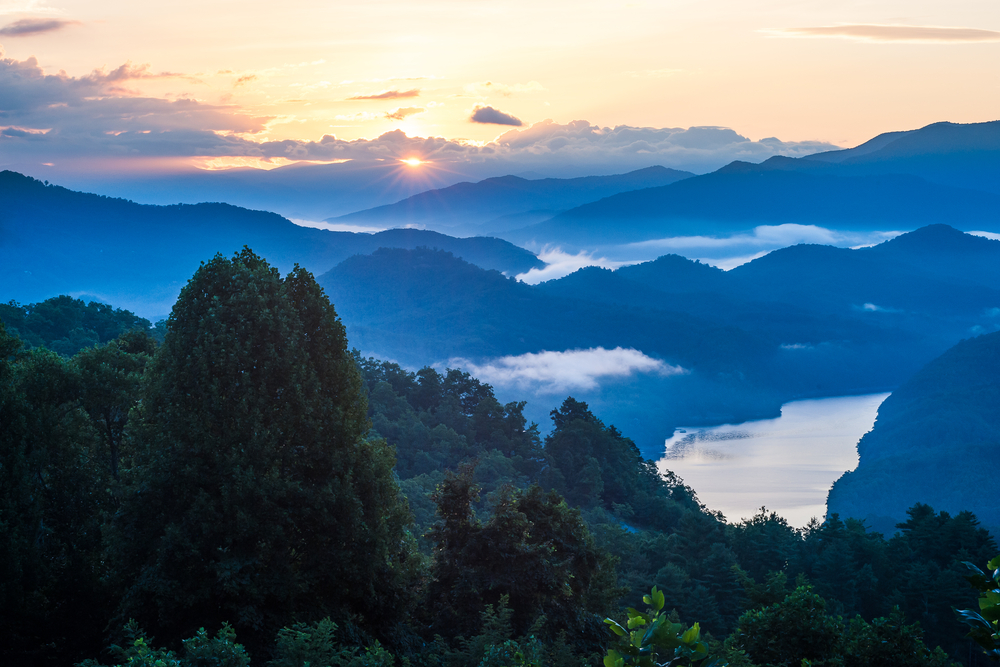
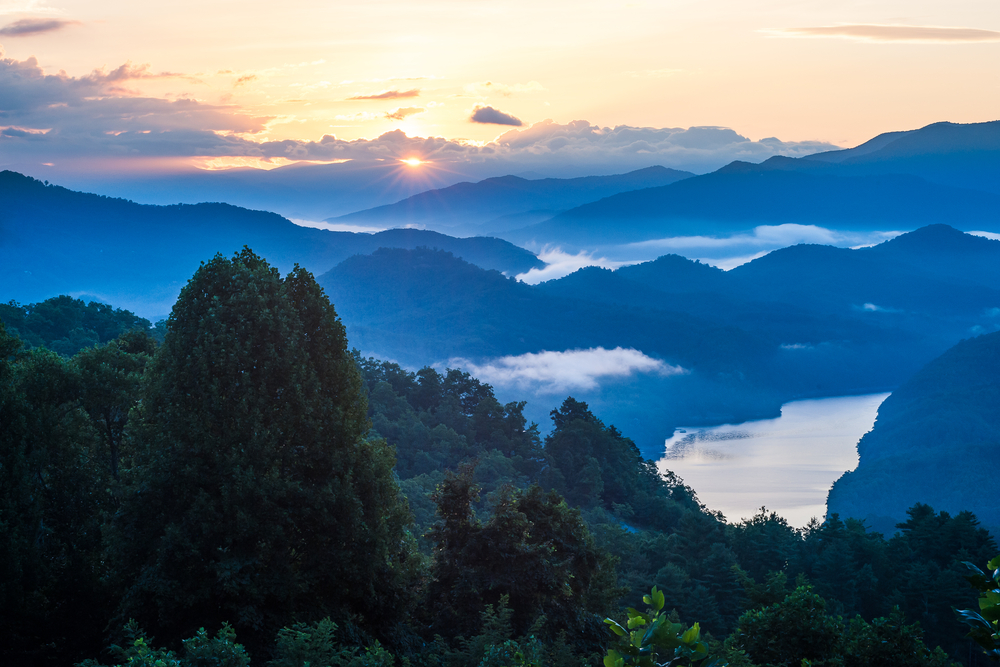
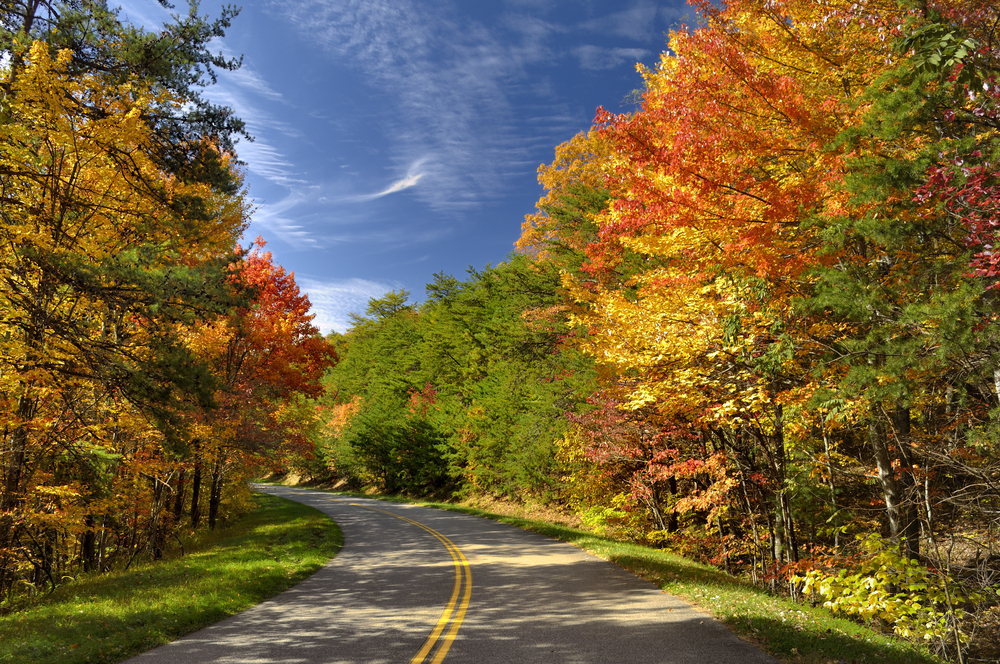
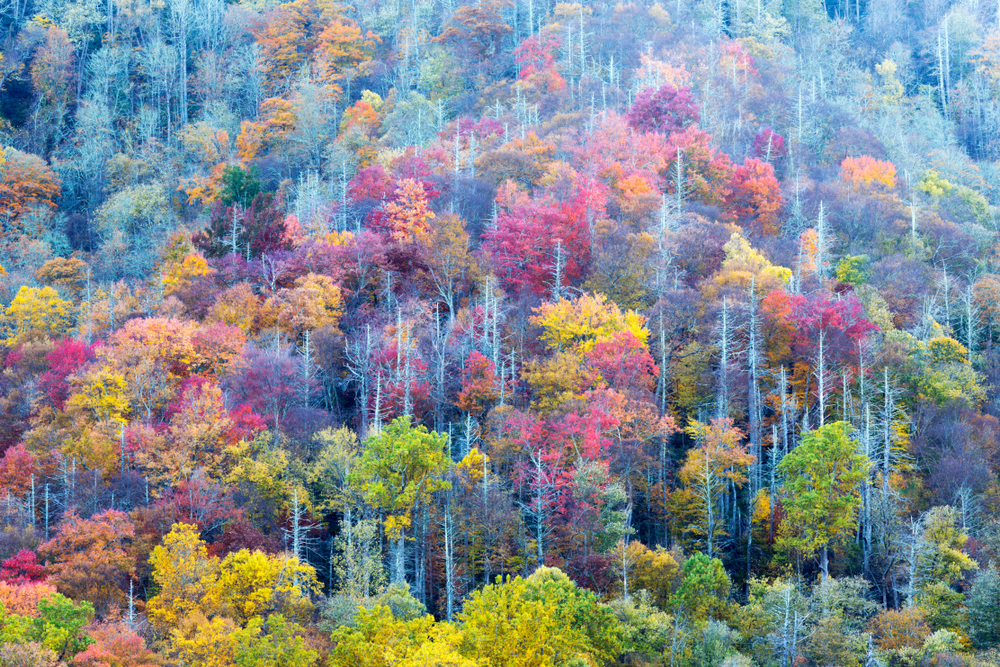
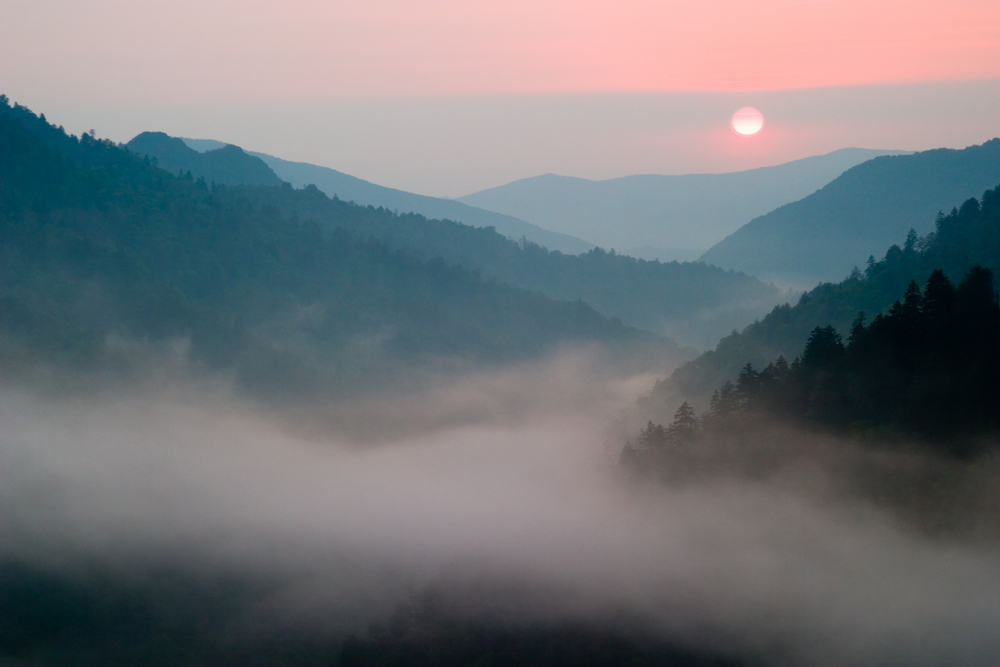
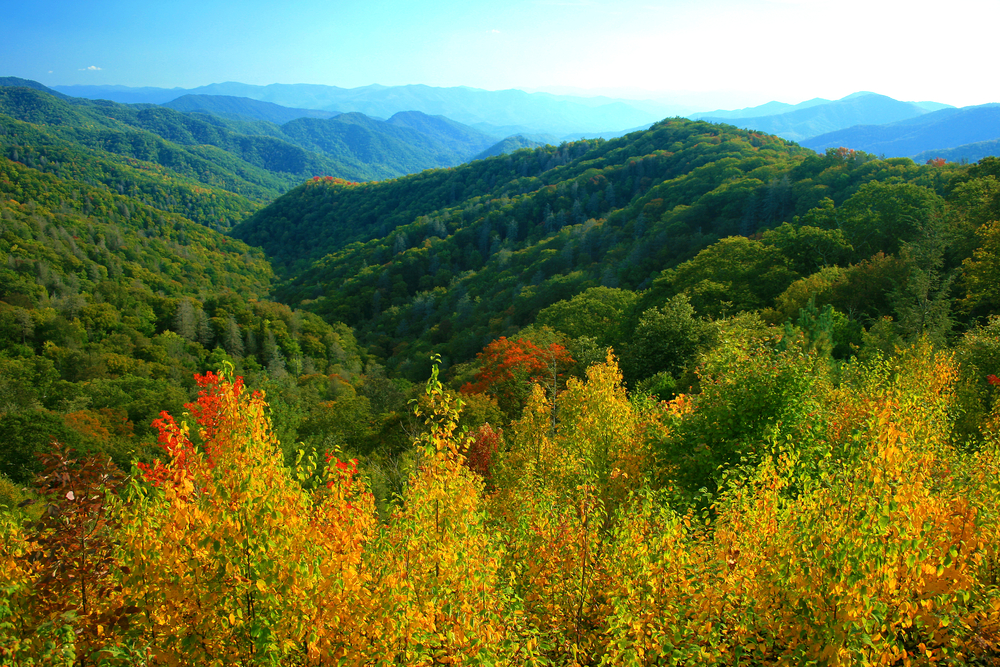
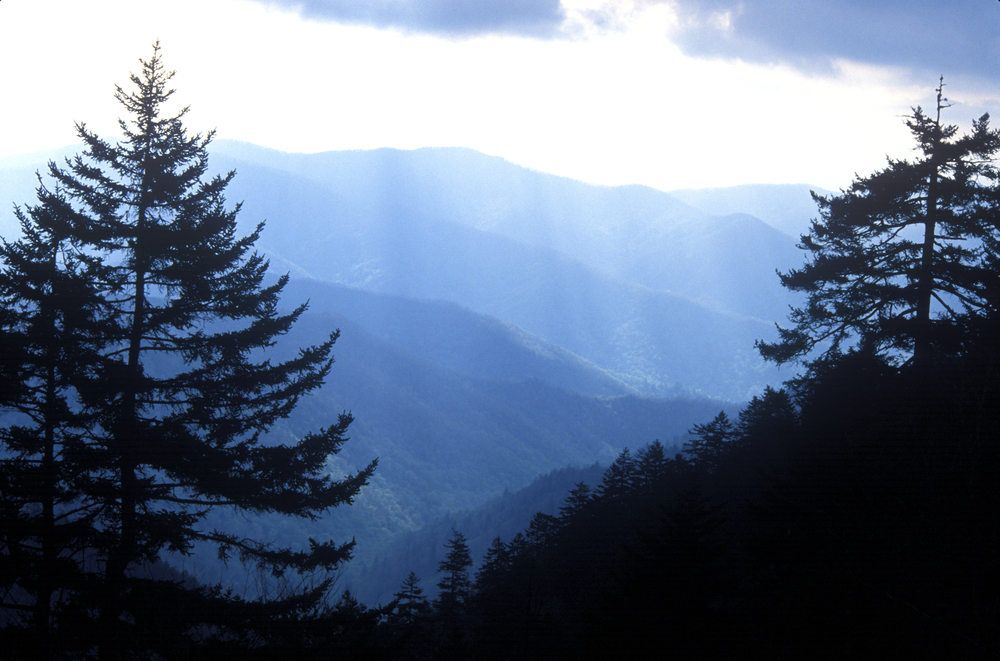
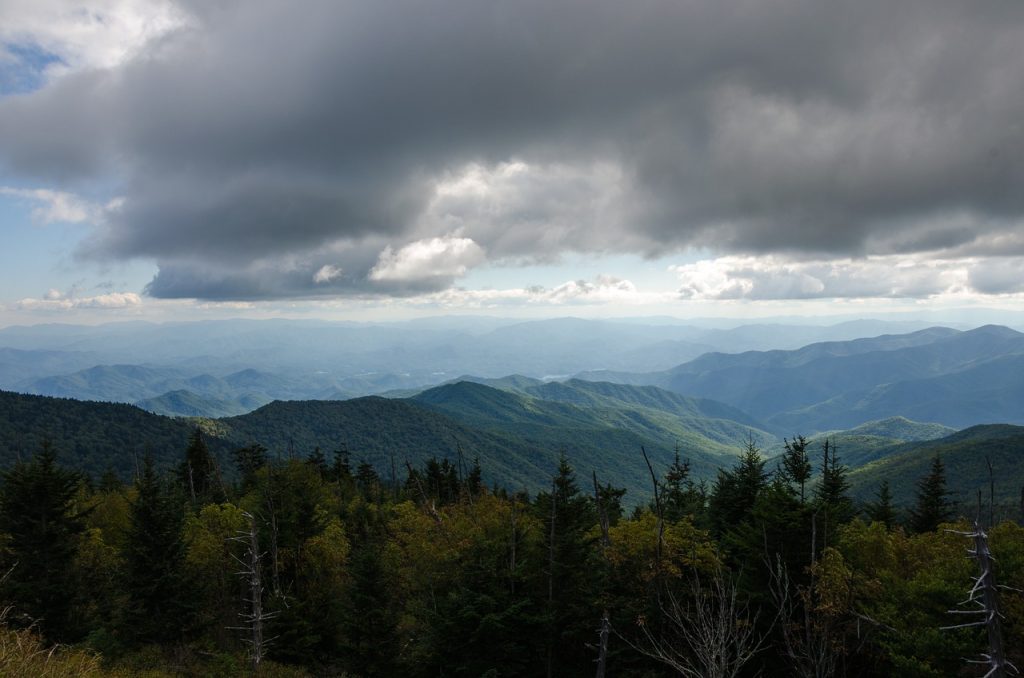
Great Smoky Mountains National Park is best known for its mist-covered mountain ridges, spectacular autumn colors, and extraordinary biodiversity. The name “Smoky” comes from the natural blue haze that frequently blankets the mountains, creating an ethereal appearance that has captivated visitors for generations.
Millions of people visit the park annually to enjoy hiking, wildlife viewing, camping, fishing, scenic drives, photography, and historic preservation sites. Popular destinations include Clingmans Dome, the highest point in the park, Cades Cove, and the scenic Roaring Fork Motor Nature Trail. The park’s combination of natural beauty and accessibility has made it one of the most beloved outdoor destinations in the United States.
The geography of Great Smoky Mountains National Park is defined by rugged mountain ridges, deep valleys, forested slopes, and thousands of miles of streams. Elevations range from approximately 875 feet (267 meters) to 6,643 feet (2,025 meters) at Clingmans Dome. This dramatic variation in elevation creates a wide range of climatic conditions and ecological communities.
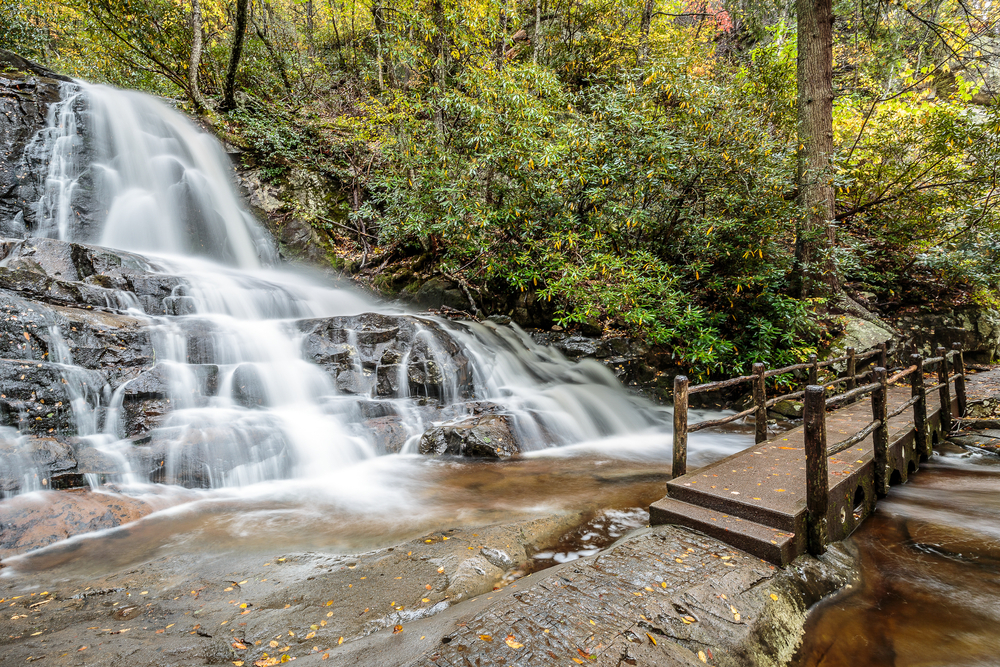
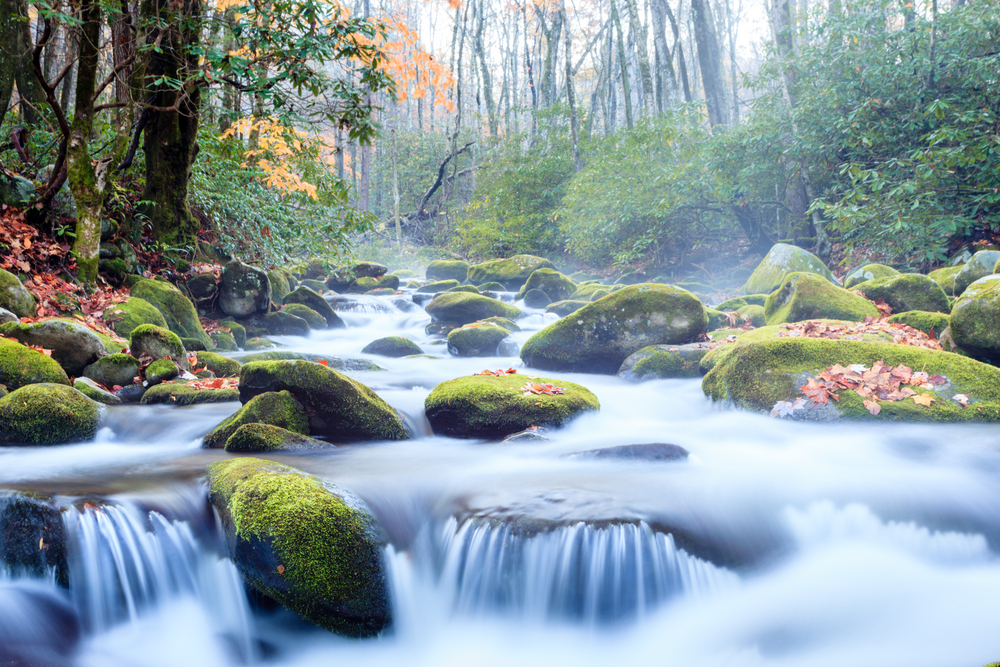
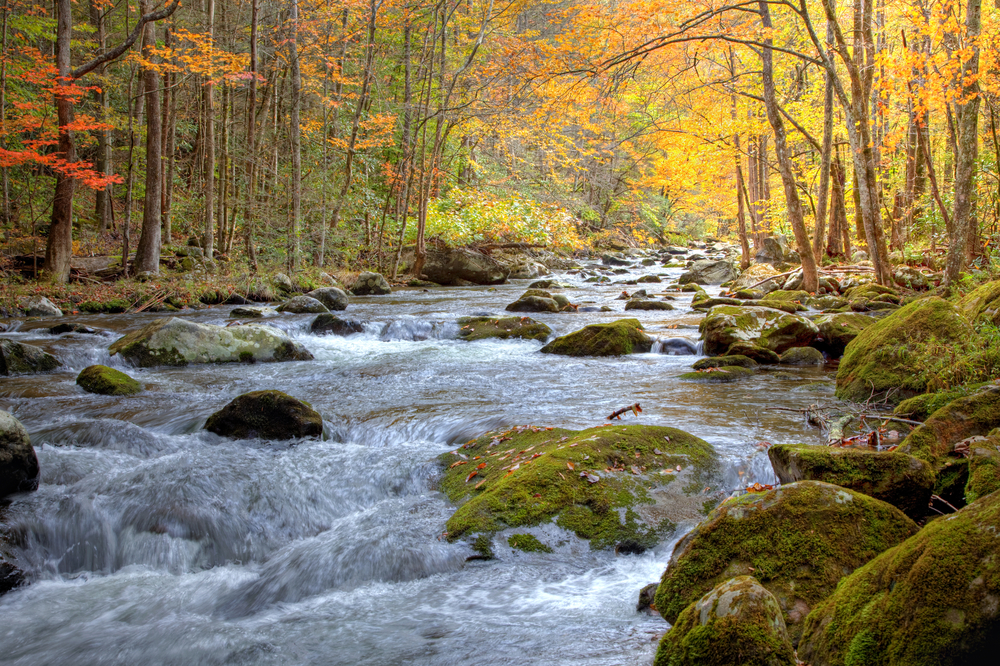
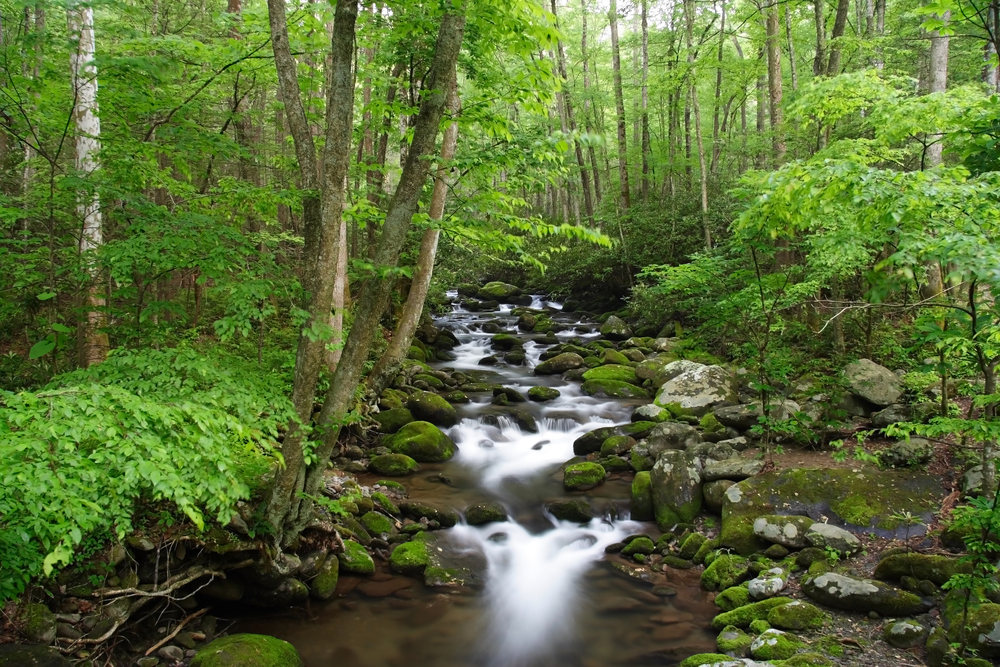
The park contains some of the oldest mountains on Earth, shaped by hundreds of millions of years of geological activity and erosion. Dense hardwood forests dominate lower elevations, while spruce-fir forests found near the highest peaks resemble ecosystems more commonly associated with Canada. More than 2,900 miles of streams flow through the park, supporting healthy aquatic habitats and contributing to its ecological richness.
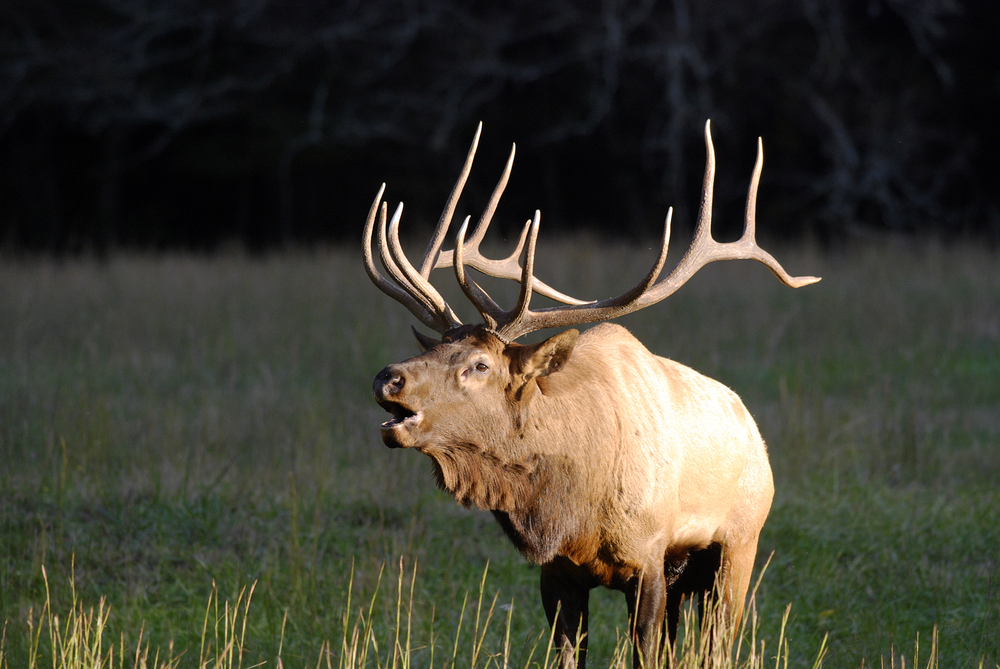
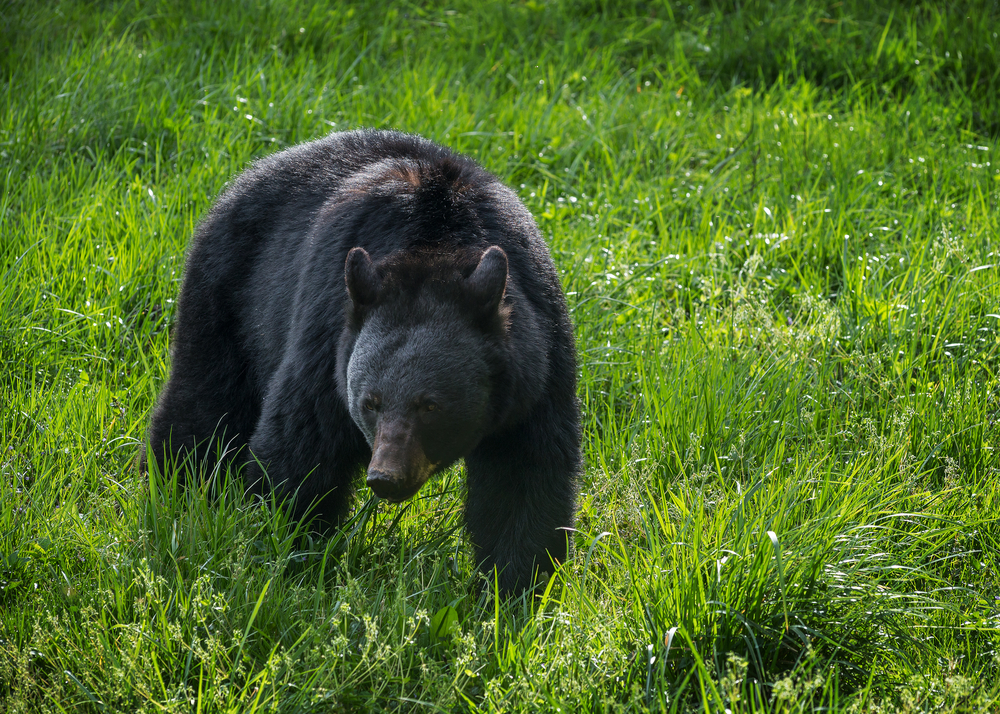
Wildlife within Great Smoky Mountains National Park is among the most diverse in the United States. The park supports approximately 65 species of mammals, including black bears, white-tailed deer, elk, bobcats, coyotes, foxes, and river otters. Black bears have become one of the park’s most iconic animals, with an estimated population of more than 1,500 individuals.
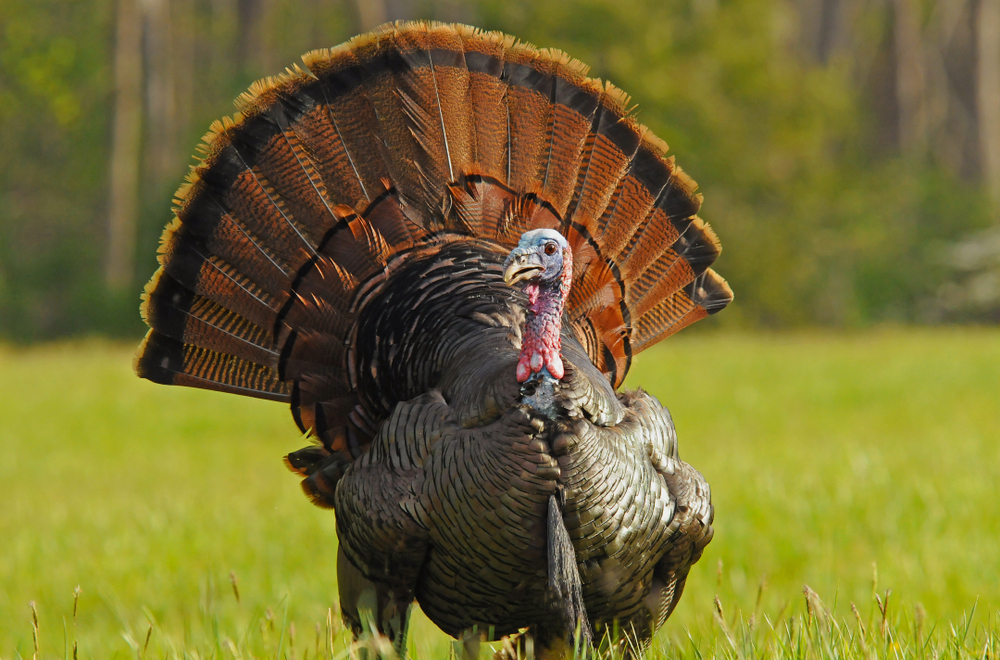
Birdlife is exceptional, with over 240 recorded species including wild turkeys, pileated woodpeckers, peregrine falcons, warblers, and barred owls. The park is also renowned for its salamander diversity and is often called the “Salamander Capital of the World.” Thousands of plant species, insects, fungi, and aquatic organisms contribute to one of the richest ecosystems in North America.
Great Smoky Mountains National Park plays a critical role in conserving the biodiversity and cultural heritage of the Appalachian region. The park protects one of the largest remaining tracts of old-growth forest in eastern North America, preserves historic Appalachian communities, and safeguards watersheds that support countless species. Its conservation significance is often compared to Shenandoah National Park and Blue Ridge Parkway because of its ecological value and scenic beauty.
However, the Smokies’ unmatched biodiversity, ancient forests, and cultural history give it a distinctive place among the world’s protected areas. Today, Great Smoky Mountains National Park remains one of America’s most treasured landscapes, preserving a remarkable environment where mountains, wildlife, forests, and human history continue to coexist.
Photos



Things to See
Things To Do
Engaging Great Smoky Mountains
Great Smoky Mountains National Park Trails
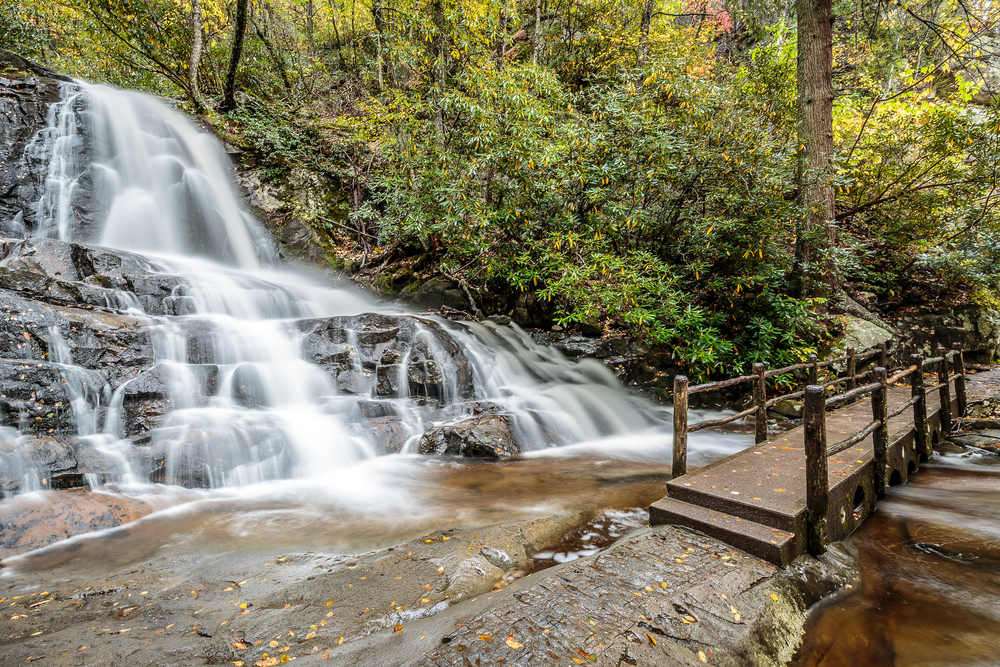
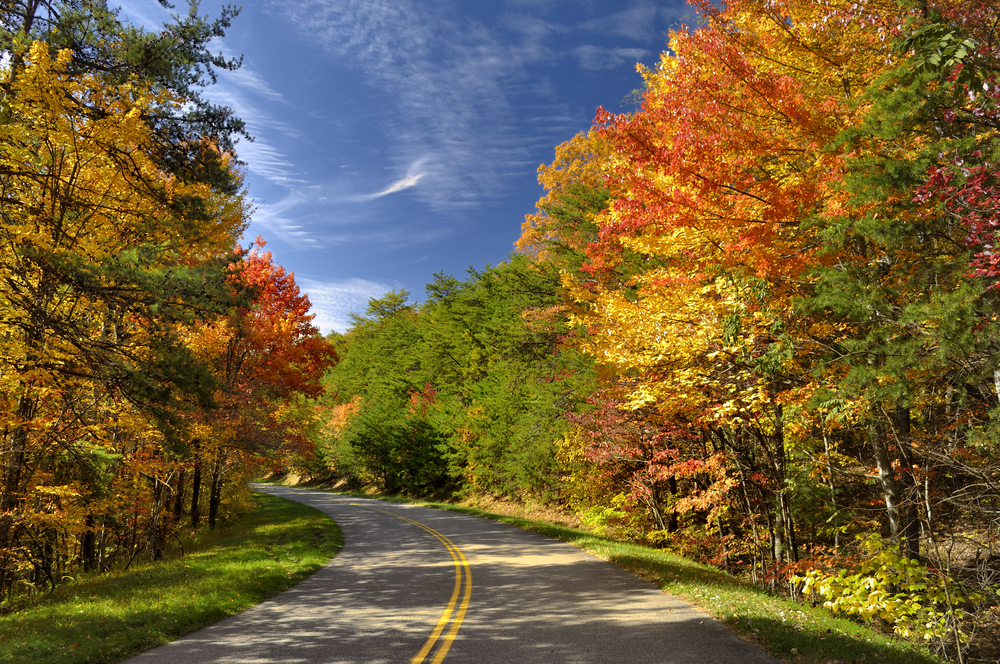
The Great Smokey Mountain National Park is renowned for a place to hike to your heart’s content. There are well over 300 different hiking trails that visitors can trek to explore the national park and the abundant wilderness that awaits. The trails range from easy escape to difficult challenging adventures.

Park Protection
Great Smokey Mountains National Park is a protected area covering one of the most pristine regions of the Appalachian Mountains. The park protects the habitat of bear, elk, bobcat, and many other wildlife species.
This is the most visited national park in the United States. It is imperative that as citizens of the US, we do everything we can to ensure this splendor of nature is available for future generations.
FAQ’s
What is Great Smoky Mountains National Park known for?
Great Smoky Mountains National Park is known for its stunning natural beauty, diverse ecosystems, and rich cultural history.
It is renowned for its vast expanses of old-growth forests, majestic mountain peaks, and abundant wildlife. The park is also famous for the ethereal blue haze that often envelops the mountains, giving them their “smoky” appearance and contributing to its name.
Additionally, Great Smoky Mountains National Park is recognized for its extensive network of hiking trails, including a section of the Appalachian Trail, and its historic structures, such as log cabins and churches, which offer insights into the region’s pioneer heritage.
What is Great Smoky Mountains National Park known for?
Great Smoky Mountains National Park is known for its stunning natural beauty, diverse ecosystems, and rich cultural history.
It is renowned for its vast expanses of old-growth forests, majestic mountain peaks, and abundant wildlife. The park is also famous for the ethereal blue haze that often envelops the mountains, giving them their “smoky” appearance and contributing to its name.
Additionally, Great Smoky Mountains National Park is recognized for its extensive network of hiking trails, including a section of the Appalachian Trail, and its historic structures, such as log cabins and churches, which offer insights into the region’s pioneer heritage.
Sources
- All Trails, Best Trails in Great Smokey Mountain National Park, https://www.alltrails.com/parks/us/tennessee/great-smoky-mountains-national-park, retrieved July 2020.
- Britannica, Great Smoky Mountains National Park, https://www.britannica.com/place/Great-Smoky-Mountains, retrieved September 2019.
- Gatlinburg, Great Smoky Mountains National Park, https://www.gatlinburg.com/explore/national-park/, retrieved September 2019.
- National Geographic, Complete National Parks of the United States, National Geographic Publishing, Washington DC.
- National Geographic, Guide to the National Parks of the United States, National Geographic Society, 2003.
- National Geographic, National Parks of North America, Canada-United States-Mexico, National Geographic Society, 1995.
- National Park Service, Great Smoky Mountains National Park, https://www.nps.gov/grsm/index.htm, retrieved September 2019.
- Smoky Mountains, National Park, https://smokymountains.com/park/, retrieved September 2019.
- UNESCO, Great Smoky Mountains National Park, https://whc.unesco.org/en/list/259/, retrieved September 2019.