

About
Spanning approximately 13,500 acres (52.6 square kilometers or 20.9 square miles) across the islands of Tutuila, Ofu, and Ta‘ū, the National Park of American Samoa is a hidden gem of the South Pacific. This remote park, known locally as “Paka o Amerika Samoa,” is unique as it is the only U.S. national park located in the Southern Hemisphere.
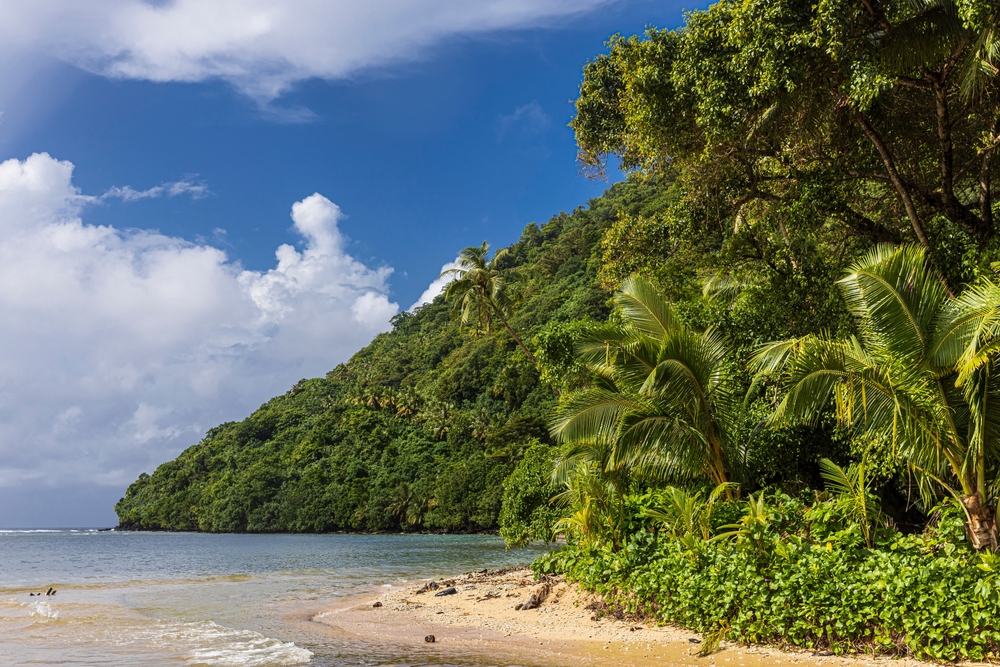
Situated in the heart of Polynesia, it showcases the region’s stunning natural beauty, rich cultural traditions, and diverse ecosystems. The park’s terrain is a striking combination of lush rainforests, rugged volcanic mountains, and pristine coral reefs. On Tutuila, the largest island, visitors encounter towering sea cliffs, deep bays, and rainforest-covered peaks, including Mount Alava, which offers breathtaking panoramic views of Pago Pago Harbor.
The smaller islands of Ofu and Ta‘ū feature some of the most spectacular shorelines, with white sand beaches framed by jagged volcanic outcroppings and dense tropical foliage. Ofu’s beach, in particular, is renowned for its crystal-clear waters and thriving coral reefs teeming with marine life.
The park is home to an extraordinary variety of plant and animal life, both on land and in its surrounding waters. American Samoa’s rainforests are dominated by towering banyan trees, coconut palms, and ferns, while colorful hibiscus flowers and fragrant frangipani bloom in abundance. Among the most notable wildlife species are the native fruit bats, particularly the Samoan flying fox, which plays a crucial role in seed dispersal and forest regeneration.
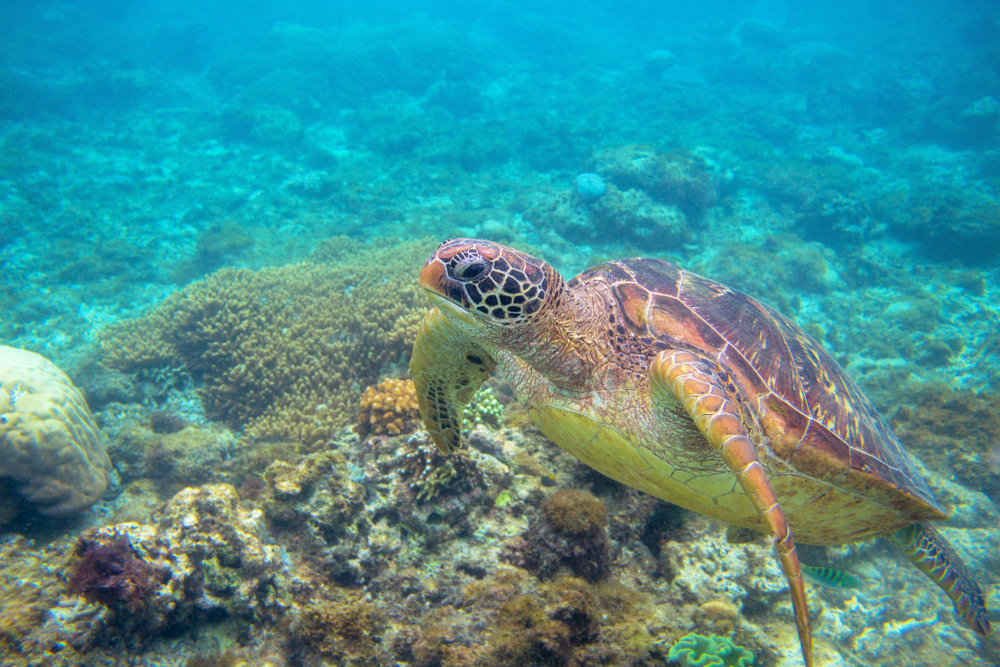
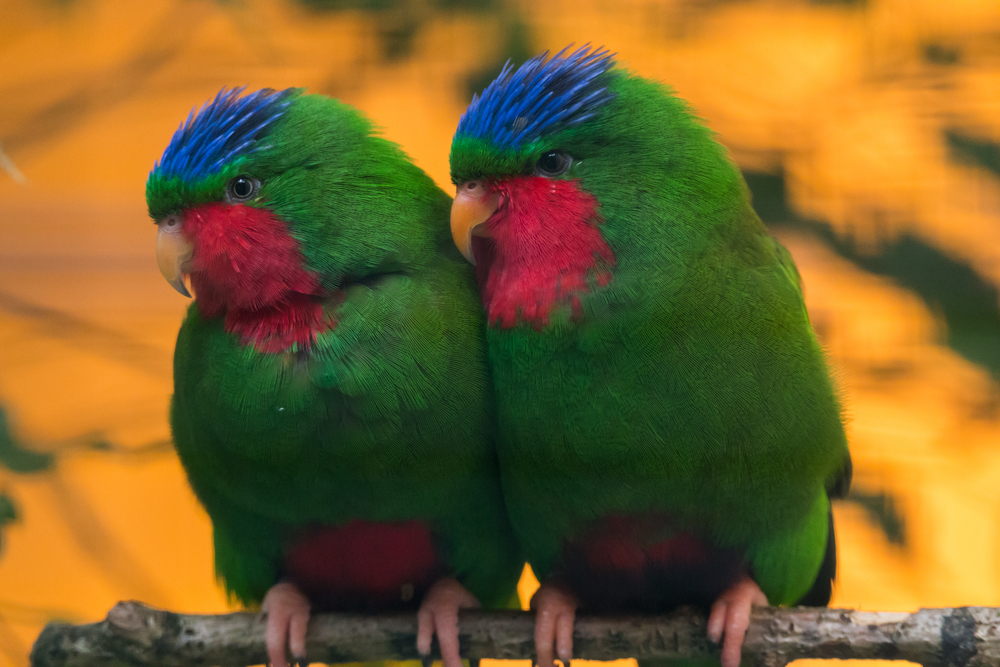
These large bats, with their fox-like faces and wide wingspans, can often be seen gliding through the treetops during daylight hours. The park also shelters rare bird species, including the colorful blue-crowned lorikeet and the friendly Samoan starling. Seabirds such as noddies and tropicbirds nest along the cliffs and remote coastal areas, making the park a haven for birdwatchers. The marine environment is equally rich, with vibrant coral reefs supporting a wide array of tropical fish, sea turtles, and even occasional reef sharks.
Visitors are drawn to the National Park of American Samoa for its unspoiled beauty and opportunities for adventure. Hiking is a popular activity, with trails like the Mount Alava Trail offering sweeping ocean vistas, while the Pola Island Trail provides a short but scenic trek to dramatic coastal rock formations.
Snorkeling and diving in the waters off Ofu Beach allow visitors to explore one of the most pristine coral reef systems in the world, home to over 950 species of fish. Cultural immersion is another key aspect of the park experience, as American Samoa remains deeply connected to its Polynesian heritage.
Local villages within and around the park welcome visitors to experience traditional Samoan customs, such as participating in an ‘ava ceremony or witnessing the craftsmanship of traditional fale (Samoan houses). The strong communal values of Fa‘a Samoa, or “The Samoan Way,” are evident throughout the region, ensuring that culture and conservation go hand in hand.
Managing conservation efforts in such a remote location presents challenges, particularly in protecting the park’s delicate coral reefs from climate change and rising ocean temperatures. However, the park has made significant strides in marine conservation, working closely with local communities to establish sustainable fishing practices and protect the health of the reefs.
Efforts to combat invasive species and promote native plant restoration have also been successful in preserving the island’s biodiversity. By balancing conservation with cultural traditions, the National Park of American Samoa continues to thrive as both a sanctuary for nature and a testament to the resilience of the Samoan people.
Things to See
Park Protection
National Park of American Samoa was created to protect one of the largest remaining tracts of tropical rainforest in the United States, along with coral reefs, volcanic coastlines, and critical island ecosystems across the islands of Tutuila, Ofu, and Ta‘ū. The park provides habitat for several threatened and endangered species, including the hawksbill sea turtle, green sea turtle, and various protected seabirds. It also protects one of the few places in the world where large fruit bats, including the Samoan flying fox and the endangered Pacific sheath-tailed bat, play a vital ecological role as pollinators and seed dispersers.
The park is especially important for conserving species found nowhere else or primarily within Samoa, including numerous endemic plants, birds, and reef organisms. Its coral reefs support remarkable marine biodiversity, while the tropical forests preserve traditional Samoan landscapes that have remained largely intact for centuries. Together, these resources protect a rare blend of tropical rainforest, island wildlife, and Pacific marine ecosystems unique within the U.S. National Park System.
FAQ’s
What is the main reason people visit National Park of American Samoa?
The National Park of American Samoa is primarily visited for its pristine tropical rainforests, volcanic islands, coral reefs, and unique Polynesian culture. Located in the South Pacific Ocean, the park spans three islands—Tutuila, Ofu, and Taʻū—and is the only U.S. National Park located south of the equator.
Visitors come to hike through lush rainforests, relax on secluded beaches, snorkel among vibrant coral reefs, experience traditional Samoan culture, and explore one of the most remote and biologically diverse parks in the U.S. National Park System.
What animals can visitors hope to see in National Park of American Samoa?
The National Park of American Samoa supports approximately 35 native mammal species, most of which are bats, along with numerous reptiles and an extraordinary diversity of marine life. The park is especially famous for its flying foxes and coral reef ecosystems.
Some of the most notable mammals and reptiles found in National Park of American Samoa include:
- Samoan Flying Fox
- Pacific Flying Fox
- Sheath-tailed Bat
- Polynesian Rat
- Pacific Rat
- House Mouse
- Black Rat
- Small Introduced Mammal Species
- Green Sea Turtle
- Hawksbill Sea Turtle
- Loggerhead Sea Turtle (occasional)
- Olive Ridley Sea Turtle (rare)
- Pacific Boa (historically absent; no native snakes)
- Pacific Slender Gecko
- Mourning Gecko
- House Gecko
- Stump-toed Gecko
- Pacific Tree Gecko
- Oceanic Gecko Species
- Blue-tailed Skink
- Pacific Skink
- Copper-tailed Skink
- Littoral Skink Species
- Reef Gecko Species
- Tropical Gecko Species
- Coconut Crab
- Hermit Crab Species
- Land Crab Species
- Reef Crab Species
- Spinner Dolphin
- Bottlenose Dolphin
- Rough-toothed Dolphin
- Humpback Whale (seasonal)
- Sperm Whale (offshore)
- Pilot Whale
- Reef Shark Species
- Blacktip Reef Shark
- Whitetip Reef Shark
- Eagle Ray
- Manta Ray
- Parrotfish Species
- Butterflyfish Species
- Surgeonfish Species
- Triggerfish Species
- Clownfish Species
- Moray Eel Species
- Giant Trevally
- Barracuda Species
- Octopus Species
- Numerous Coral Reef Species
What birds can visitors hope to see in National Park of American Samoa?
The National Park of American Samoa is one of the Pacific’s most important bird habitats, with more than 80 bird species recorded. Many are native or endemic to Samoa and neighboring Pacific islands.
Some of the most popular birds seen in National Park of American Samoa include:
- Blue-crowned Lorikeet
- Samoan Starling
- Polynesian Starling
- Cardinal Honeyeater
- Wattled Honeyeater
- Flat-billed Kingfisher
- Pacific Imperial Pigeon
- Many-colored Fruit Dove
- Pacific Pigeon
- White-throated Pigeon
- Crimson-crowned Fruit Dove
- Friendly Ground Dove
- Pacific Reef Heron
- White Tern
- Brown Noddy
- Black Noddy
- Sooty Tern
- Brown Booby
- Red-footed Booby
- Masked Booby
- Great Frigatebird
- Lesser Frigatebird
- White-tailed Tropicbird
- Red-tailed Tropicbird
- Pacific Golden Plover
- Wandering Tattler
- Bristle-thighed Curlew
- Ruddy Turnstone
- Whimbrel
- Gray-backed Tern
- Black-naped Tern
- Fairy Tern
- White-faced Storm Petrel
- Tahiti Petrel
- Wedge-tailed Shearwater
- Audubon’s Shearwater
- White-rumped Swiftlet
- Barn Owl
- Pacific Swallow
- Jungle Myna
- Polynesian Triller
- Samoan Fantail
- Island Monarch
- Pacific Robin
- Long-tailed Koel
- Sacred Kingfisher
- Pacific Kingfisher
- White-rumped Swift
- Pacific Black Duck
- Spotless Crake
Is National Park of American Samoa worth visiting?
Yes, the National Park of American Samoa is absolutely worth visiting and offers an experience unlike any other U.S. national park.
Visitors can combine rainforest hikes, coral reef exploration, pristine beaches, dramatic volcanic scenery, and authentic Polynesian culture in a single destination. The park’s remote location means it receives far fewer visitors than most U.S. national parks, providing a more peaceful and immersive experience.
The primary challenge is its remoteness, which requires significant travel planning and generally higher transportation costs.
What is the best time to visit National Park of American Samoa?
The best time to visit National Park of American Samoa is during the drier season from May through October.
During these months:
- Humidity is generally lower.
- Rainfall is less frequent.
- Hiking conditions improve.
- Ocean visibility is often better for snorkeling.
The wet season from November through April brings higher rainfall and occasional tropical storms.
How many days do you need to visit National Park of American Samoa?
Most visitors should plan for 3 to 5 days.
- 2 days: Main highlights on Tutuila.
- 3–4 days: Additional hiking, snorkeling, and cultural experiences.
- 5+ days: Exploration of Ofu and Taʻū islands.
Travel between islands can require additional planning and time.
How do you get to National Park of American Samoa?
The National Park of American Samoa is located in the U.S. territory of American Samoa.
Most visitors:
- Fly into Pago Pago via Honolulu or other Pacific destinations.
- Access the Tutuila section by road.
- Reach Ofu and Taʻū by inter-island flights or ferries when available.
The park’s visitor center is located on Tutuila Island.
Who is involved in protecting and supporting National Park of American Samoa?
Several organizations help protect the National Park of American Samoa:
- National Park Service – manages the park in partnership with local communities.
- American Samoa Department of Marine and Wildlife Resources – supports wildlife and marine conservation.
- American Samoa Government – works with federal agencies on conservation and tourism initiatives.
- Village councils and local Samoan communities that lease land to the National Park Service and play a vital role in stewardship.
- Scientific researchers and conservation organizations working to protect coral reefs and native species.