

About
South Downs National Park, located in the southern region of England, is a stunning expanse of natural beauty and cultural heritage. Officially designated as a national park in 2010, it spans an area of approximately 628 square miles (1,627 square kilometers), stretching across the counties of Hampshire, West Sussex, and East Sussex.
The park takes its name from the gently rolling chalk hills known locally as the “South Downs,” which dominate its landscape and provide a scenic backdrop to many picturesque villages and historic landmarks.
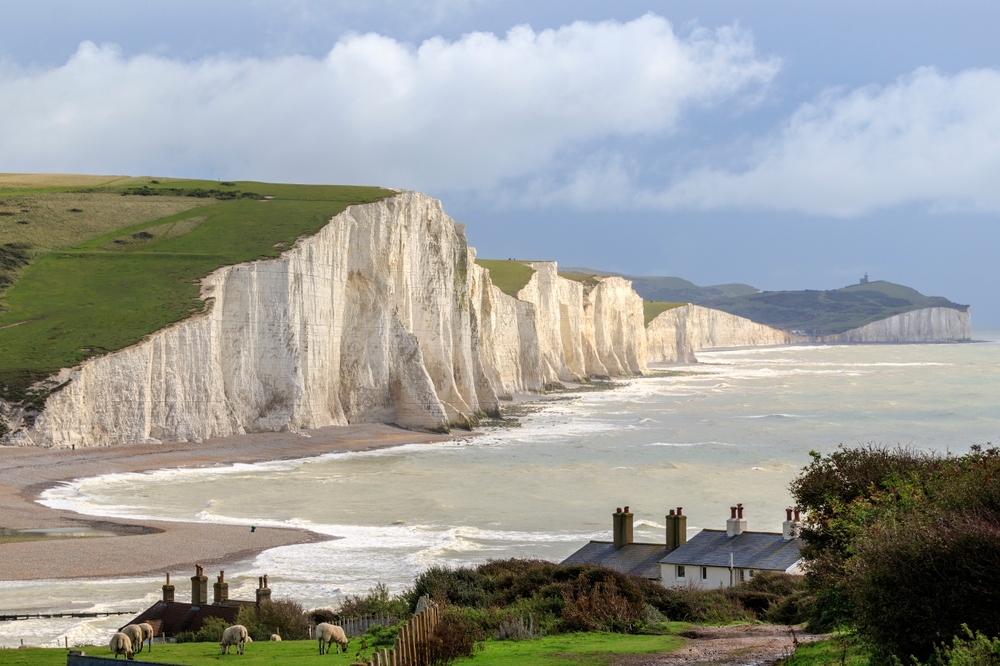
The terrain of South Downs National Park is varied, with sweeping chalk cliffs, rolling hills, wooded valleys, and open heathlands. Among its most iconic features is the dramatic Seven Sisters, a series of white chalk cliffs that rise majestically along the coastline, culminating at Beachy Head, the tallest chalk sea cliff in Britain. The River Arun and River Itchen meander through the park, enhancing its tranquil beauty and supporting a variety of ecosystems.
The ancient Wealden Forest, with its dense woodland and vibrant undergrowth, offers a contrasting environment, while the park’s open landscapes are dotted with wildflowers, including orchids, primroses, and cowslips that thrive on its chalky soils.
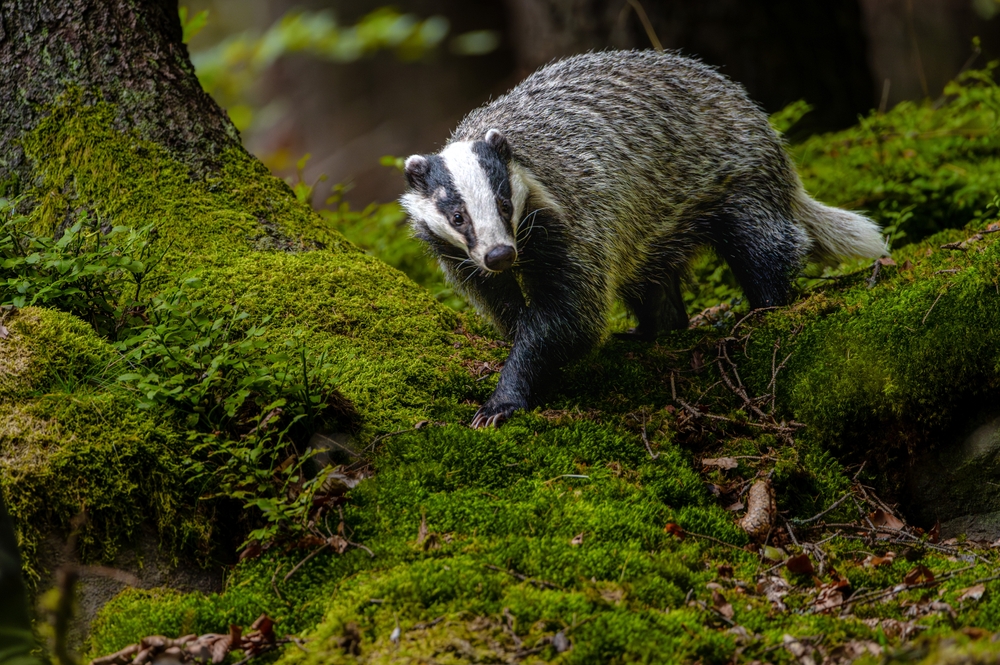
South Downs National Park is a haven for wildlife, with diverse species adapted to its mosaic of habitats. Mammals such as foxes, badgers, and deer roam its woodlands, while rare species like the hazel dormouse can be spotted in certain areas. Birdlife is abundant, with skylarks, nightjars, and the majestic red kite among the species that captivate birdwatchers.
The chalk grasslands, one of the rarest habitats in the UK, support a variety of invertebrates, including butterflies like the Adonis blue and silver-spotted skipper. The park’s rivers and wetlands provide a sanctuary for waterfowl and amphibians, adding to its rich biodiversity.
Visitors to South Downs National Park are drawn to its timeless beauty and wealth of attractions. The park is home to charming villages like Alfriston and Amberley, where traditional thatched cottages and historic inns evoke a sense of stepping back in time.
Popular landmarks include the ancient Long Man of Wilmington, a striking chalk figure etched into the hillside, and the Devil’s Dyke, a stunning valley steeped in local legend.
Outdoor enthusiasts flock to the South Downs Way, a 100-mile-long National Trail that runs the length of the park, offering breathtaking views for walkers, cyclists, and horseback riders. Additionally, the park’s vineyards, such as those in the South Downs Wine Region, invite visitors to enjoy local sparkling wines.
Conservation is a key focus for South Downs National Park. Efforts to protect its fragile ecosystems, such as restoring chalk grasslands and promoting sustainable farming practices, have been successful. However, challenges remain, including habitat loss, climate change, and the need to balance tourism with preserving the park’s natural and cultural heritage.
Collaborative efforts between park authorities, local communities, and conservation organizations continue to make strides in addressing these issues, ensuring the South Downs remains a cherished landscape for future generations.
Things to See
Park Protection
South Downs National Park was created to protect the rolling chalk hills, ancient woodlands, river valleys, heathlands, and traditional farmland landscapes of southern England. The park provides important habitat for several species of conservation concern, including the endangered hazel dormouse, the endangered Barbastelle bat, and the threatened Duke of Burgundy butterfly.
Its mosaic of habitats supports a rich diversity of wildlife, including roe deer, badgers, barn owls, skylarks, and numerous rare wildflowers. The park’s chalk grasslands are among the most species-rich habitats in Europe, supporting hundreds of plant species and a remarkable variety of pollinating insects.
The park is especially significant for protecting one of the largest continuous areas of chalk downland in western Europe. It includes iconic landscapes such as Seven Sisters Cliffs and the ancient woodlands of the Weald, while preserving centuries-old cultural landscapes shaped by traditional farming.
The South Downs also contain important archaeological sites, ancient trackways, and rare chalk streams that support unique aquatic ecosystems. Together, South Downs National Park safeguards endangered species, internationally important chalk grasslands, ancient woodlands, historic landscapes, and one of England’s most distinctive and biodiverse countryside regions.
FAQ’s
What is the main reason people visit South Downs National Park?
South Downs National Park is primarily visited for its rolling chalk hills, scenic countryside, historic villages, ancient landmarks, and extensive walking and cycling opportunities. Located in southern England, the park protects approximately 627 square miles (1,626 square kilometers) across the counties of Hampshire, West Sussex, and East Sussex. Visitors come to enjoy the iconic white cliffs, explore sections of the South Downs Way, visit historic estates and castles, observe wildlife, and experience one of the United Kingdom’s most beautiful protected landscapes.
What animals can visitors hope to see in South Downs National Park?
South Downs National Park supports a rich variety of mammals, reptiles, amphibians, and insects associated with England’s chalk grasslands, woodlands, wetlands, and heathlands.
Some of the most notable animals found in South Downs National Park include:
- Roe Deer
- Fallow Deer
- Red Deer
- Muntjac Deer
- European Badger
- Red Fox
- Stoat
- Weasel
- European Polecat
- Otter
- European Hedgehog
- Brown Hare
- European Rabbit
- Dormouse
- Wood Mouse
- Yellow-necked Mouse
- Harvest Mouse
- Bank Vole
- Field Vole
- Water Vole
- Common Shrew
- Pygmy Shrew
- Mole
- Grey Squirrel
- Red Squirrel (rare nearby populations)
- Daubenton’s Bat
- Brown Long-eared Bat
- Pipistrelle Bat
- Noctule Bat
- Serotine Bat
- Natterer’s Bat
- Common Lizard
- Sand Lizard
- Slow Worm
- Grass Snake
- Adder
- Smooth Newt
- Great Crested Newt
- Common Frog
- Common Toad
- Stag Beetle
- Emperor Dragonfly
- Chalkhill Blue Butterfly
- Adonis Blue Butterfly
- Duke of Burgundy Butterfly
- Silver-spotted Skipper
- Marbled White Butterfly
- White Admiral Butterfly
- Purple Emperor Butterfly
- Numerous Pollinator Species
What birds can visitors hope to see in South Downs National Park?
South Downs National Park is home to more than 200 bird species and is considered one of England’s premier birdwatching destinations.
Some of the most popular birds seen in South Downs National Park include:
- Red Kite
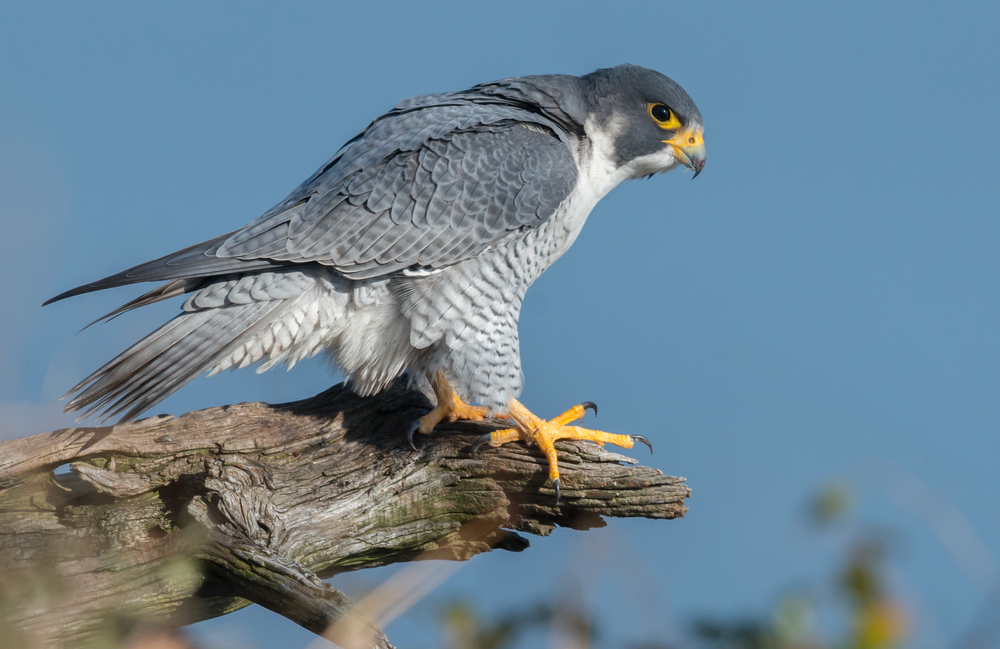
- Peregrine Falcon
- Eurasian Sparrowhawk
- Common Buzzard
- Barn Owl
- Little Owl
- Tawny Owl
- Short-eared Owl
- Eurasian Hobby
- Kestrel
- Skylark
- Yellowhammer
- Corn Bunting
- Linnet
- Goldfinch
- Chaffinch
- Greenfinch
- Bullfinch
- Song Thrush
- Mistle Thrush
- Blackbird
- Robin
- Wren
- Dunnock
- Stonechat
- Whinchat
- Wheatear
- Nightingale
- Cuckoo
- Woodlark
- Treecreeper
- Nuthatch
- Great Spotted Woodpecker
- Green Woodpecker
- Lesser Spotted Woodpecker
- Jay
- Magpie
- Jackdaw
- Rook
- Carrion Crow
- Raven
- Grey Heron
- Little Egret
- Lapwing
- Curlew
- Oystercatcher
- Mediterranean Gull
- Fulmar
- Gannet
- Common Swift
Is South Downs National Park worth visiting?
Yes, South Downs National Park is absolutely worth visiting and is one of England’s most beautiful national parks.
The park offers spectacular countryside scenery, charming villages, excellent hiking and cycling routes, rich wildlife, historic landmarks, and some of Britain’s most iconic landscapes. Visitors enjoy a blend of natural beauty and cultural heritage that is difficult to find elsewhere in the United Kingdom.
The primary hesitation is that visitors seeking dramatic mountains or large wildlife may prefer other destinations. However, for scenic walking, cycling, photography, history, and relaxation, South Downs is outstanding.
What is the best time to visit South Downs National Park?
Weather and Climate
The best time to visit South Downs National Park is from April through October.
Typical conditions include:
- April–May: 45–65°F (7–18°C)
- June–August: 55–80°F (13–27°C)
- September–October: 50–72°F (10–22°C)
- November–March: 35–55°F (2–13°C)
During spring and summer:
- Wildflowers bloom across the chalk grasslands.
- Walking conditions are excellent.
- Wildlife activity increases.
- Longer daylight hours enhance exploration.
- Coastal scenery is particularly beautiful.
Autumn offers colorful woodlands and fewer visitors.
How many days do you need to visit South Downs National Park?
Most visitors should plan for 2 to 4 days in South Downs National Park.
- 1 day: Explore major viewpoints and sections of the South Downs Way.
- 2 days: Hiking, village visits, and historic landmarks.
- 3 days: Comprehensive exploration of the park’s eastern and western regions.
- 4+ days: Cycling, photography, birdwatching, and in-depth exploration of cultural sites.
For most visitors, three days provides the ideal experience. This allows time to hike scenic sections of the South Downs Way, visit the famous Seven Sisters cliffs, explore historic villages, and enjoy the park’s rolling countryside.
Travelers interested in walking long-distance trails, cycling, photography, or history often spend four or more days exploring the park. South Downs contains numerous castles, estates, nature reserves, and cultural landmarks that reward a slower pace of travel.
How do you get to South Downs National Park?
International Access
South Downs National Park is located in southern England.
The closest international airports include:
- London Gatwick Airport
- Heathrow Airport
Most international visitors arrive through London.
Rail Access
Excellent rail connections serve communities throughout the park, including:
- Winchester
- Lewes
- Petersfield
- Midhurst
Visitors can easily reach many trailheads without a vehicle.
Driving Access
Major routes include:
- A27
- A23
- A3
- M27
Driving from central London typically takes:
- Approximately 1.5–2.5 hours
Major Attractions
Popular destinations within the park include:
- Seven Sisters Cliffs
- Beachy Head
- Devil’s Dyke
- South Downs Way
- Butser Hill
Travel Times
Typical travel times include:
- London to South Downs: 1.5–2.5 hours.
- Gatwick Airport to park access points: 30–60 minutes.
- Brighton to Seven Sisters: approximately 30 minutes.
- Winchester to Butser Hill: approximately 45 minutes.
Who is involved in protecting and supporting South Downs National Park?
Several organizations help protect and support South Downs National Park:
- South Downs National Park Authority – manages South Downs National Park.
- National Trust – protects numerous landscapes and historic sites within the park.
- Royal Society for the Protection of Birds – supports bird conservation.
- Sussex Wildlife Trust – supports habitat conservation.
- Local communities, conservation groups, and volunteers throughout the South Downs region.
What is unique about South Downs National Park?
South Downs National Park is unique because it protects England’s largest area of chalk grassland and one of the country’s most iconic landscapes. The park combines rolling hills, dramatic white cliffs, ancient woodlands, historic villages, Iron Age hill forts, and centuries of cultural history. The famous South Downs Way and spectacular Seven Sisters cliffs create one of the most recognizable and beloved landscapes in the United Kingdom.
Are the Seven Sisters clifs part of South Downs National Park?
Yes. Seven Sisters Cliffs are among the most famous features of South Downs National Park and are considered one of the most beautiful coastal landscapes in Britain.