About

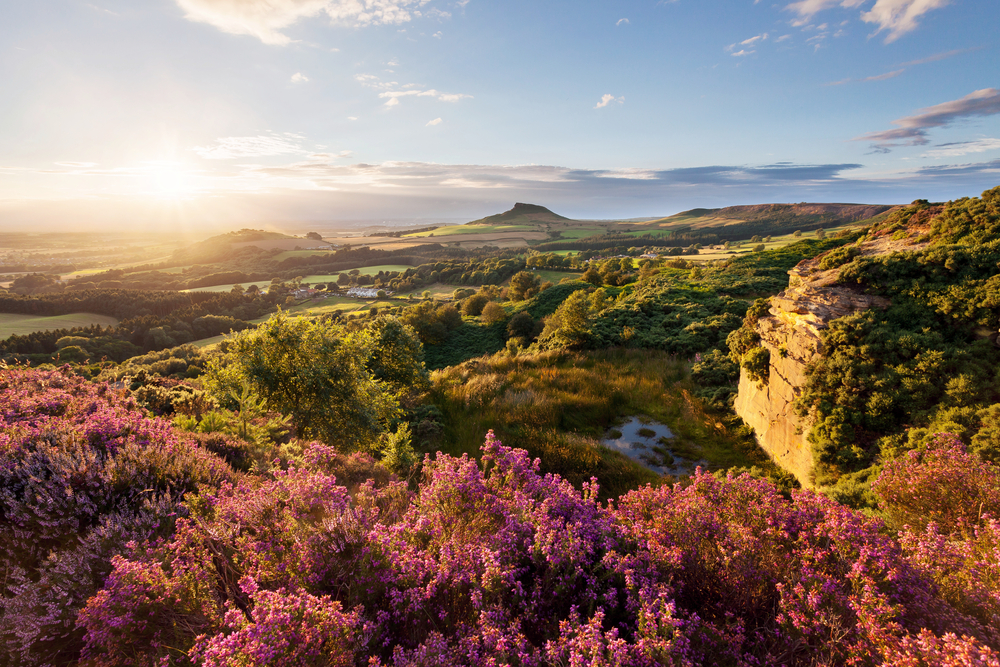
North York Moors National Park, the park is located in northeastern England within the county of North Yorkshire. Covering approximately 554 square miles (1,436 sq km), it protects one of the largest expanses of heather moorland in the United Kingdom.

Established in 1952, North York Moors National Park stretches from the historic city of York toward the North Sea coast and encompasses a remarkable landscape of rolling moorlands, ancient woodlands, river valleys, farmland, and dramatic coastal cliffs. Situated south of Northumberland National Park and northeast of Leeds, the park preserves a rich blend of natural beauty, cultural heritage, and traditional rural landscapes that have evolved over thousands of years.

North York Moors National Park is best known for its vast purple heather moorlands, which burst into vibrant color during late summer and create one of the most iconic landscapes in England. Visitors are drawn to scenic hiking trails, historic villages, steam railways, and spectacular coastal scenery. The park offers outstanding opportunities for walking, cycling, horseback riding, wildlife observation, and photography.

One of its most famous attractions is the North Yorkshire Moors Railway, a heritage railway that passes through picturesque countryside and historic market towns. The combination of open moorland, wooded valleys, and dramatic coastline provides visitors with a diverse and memorable outdoor experience.

The geography of North York Moors National Park is characterized by elevated moorland plateaus dissected by deep valleys known locally as dales. The landscape was shaped by ancient geological processes and later modified by glaciation, resulting in rolling hills, escarpments, river valleys, and rugged coastal features.

Along the eastern edge of the park, the coastline features towering cliffs, secluded coves, and fossil-rich shorelines that form part of England’s famous Jurassic Coast heritage. Inland, extensive heather moorlands dominate the uplands, while forests, grasslands, wetlands, and agricultural landscapes occupy lower elevations. Rivers such as the Esk, Derwent, and Rye contribute to the park’s ecological diversity and scenic appeal.

Wildlife within North York Moors National Park reflects the diversity of its habitats. Mammals include roe deer, red deer, otters, foxes, badgers, and numerous smaller woodland species. Birdlife is particularly notable, with species such as curlews, lapwings, merlins, red grouse, barn owls, and peregrine falcons inhabiting the moorlands and valleys.

The park’s coastal cliffs provide nesting sites for seabirds including puffins, kittiwakes, and guillemots. Rivers and wetlands support fish, amphibians, and aquatic invertebrates, while the heather moorlands sustain a variety of insects and specialized plant communities. The park’s diverse ecosystems make it one of northern England’s most important wildlife areas.

North York Moors National Park plays a vital role in conserving England’s upland landscapes, cultural heritage, and biodiversity. The park protects extensive heather moorlands, ancient woodlands, archaeological sites, and traditional farming communities while supporting sustainable recreation and conservation initiatives. Its ecological and cultural significance is often compared to Yorkshire Dales National Park and Peak District National Park because of its scenic beauty and environmental importance.

However, North York Moors’ unique combination of expansive heather moorlands, dramatic coastline, and historic rural character gives it a distinctive identity. Today, the park remains one of England’s most treasured protected landscapes, preserving a remarkable environment where nature, history, and tradition continue to flourish.

Things to See
Popular Species

Popular Species

North York Moors National Park is home to a wide variety of species that thrive in its heather moorlands, forests, and valleys.

Red deer are the largest land mammals in the park, often seen grazing in open meadows and moorlands, especially during the rutting season.

Roe deer are smaller and more elusive, commonly found in the park’s woodlands and along the forest edges, grazing on leaves, grasses, and shoots.

Badgers are nocturnal creatures that dig burrows in the park’s woodlands, emerging at night to forage for insects, fruits, and small mammals.

Foxes are agile predators found throughout the park, hunting small mammals, birds, and insects, and are frequently spotted during dawn or dusk.

Stoats are small, agile carnivores that inhabit the park’s grasslands and forests, preying on rabbits, rodents, and birds with speed and agility.

Hedgehogs are commonly found in the park’s grasslands and hedgerows, foraging for insects, worms, and small invertebrates, often seen during warmer months.

Adder is the only venomous snake in the park, commonly found basking in sunny spots on the heather moorlands, feeding on small mammals and birds.

Mountain hares are well-adapted to the moorland environment, changing their coat color in winter and feeding on heather, grasses, and shrubs.

Otters are semi-aquatic mammals that inhabit the park’s rivers and streams, hunting for fish and small aquatic creatures, contributing to the aquatic ecosystem.

Pine martens are rare but increasingly sighted, these agile carnivores inhabit the park’s woodlands, hunting small mammals, birds, and fruits.

Bird Species

Bird Species

North York Moors National Park is a birdwatcher’s paradise, with a rich variety of species thriving in its diverse habitats, from moorlands to woodlands and rivers.

Merlins are the smallest birds of prey in the park, often seen darting over the heather moorlands hunting for small birds and insects.

Golden plovers are ground-nesting birds that thrive in the park’s open moorlands, known for their distinctive golden plumage and melodic calls during breeding season.

Red grouse are iconic moorland birds that are commonly seen foraging on heather, blending perfectly with their environment due to their mottled plumage.

Peregrine falcons are fast-flying predators that nest on the park’s cliffs, known for their remarkable speed when diving to catch smaller birds.

Short-eared owls are frequently seen hunting over the park’s moorlands during the day, using their sharp talons to catch small mammals and birds.

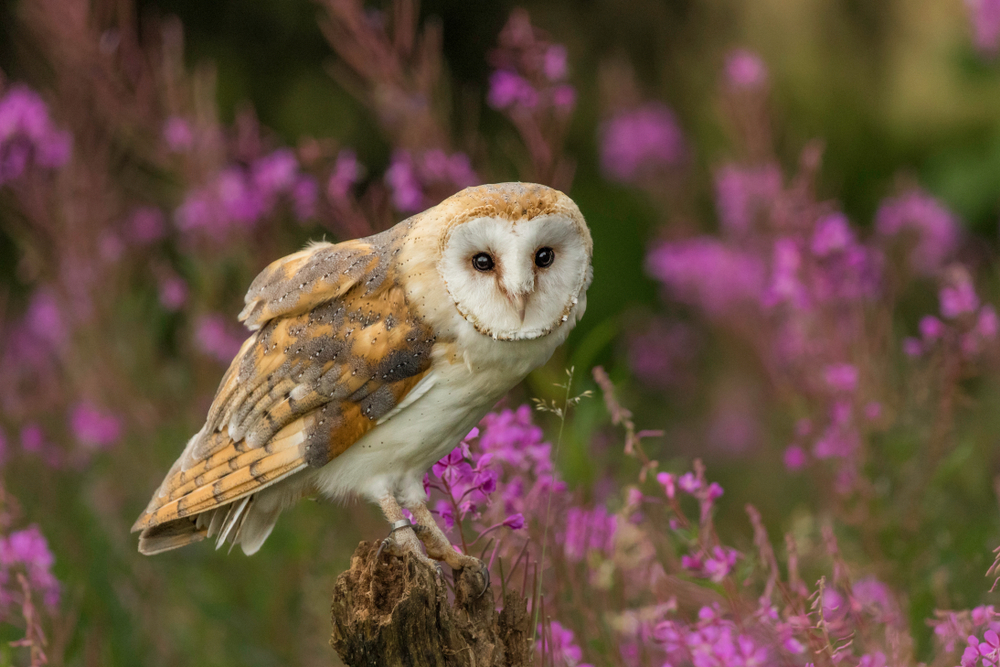
Barn owls are often found in the park’s grasslands and along field edges, hunting for voles, mice, and other small mammals during twilight hours.

Common buzzards are large raptors often seen soaring above the park’s woodlands and moorlands, using their keen eyesight to spot prey below.

Curlews are large wading birds with long, curved bills, often seen in the park’s open moorlands, foraging for insects, worms, and small invertebrates.

Lapwings are distinctive birds with black-and-white plumage and a swooping flight, commonly found in the park’s open fields and wetland areas.

Skylarks are small, melodious birds often seen soaring high above the park’s moorlands, filling the air with their cheerful song as they search for insects and seeds.

White Abbey Ruins

White Abbey Ruins

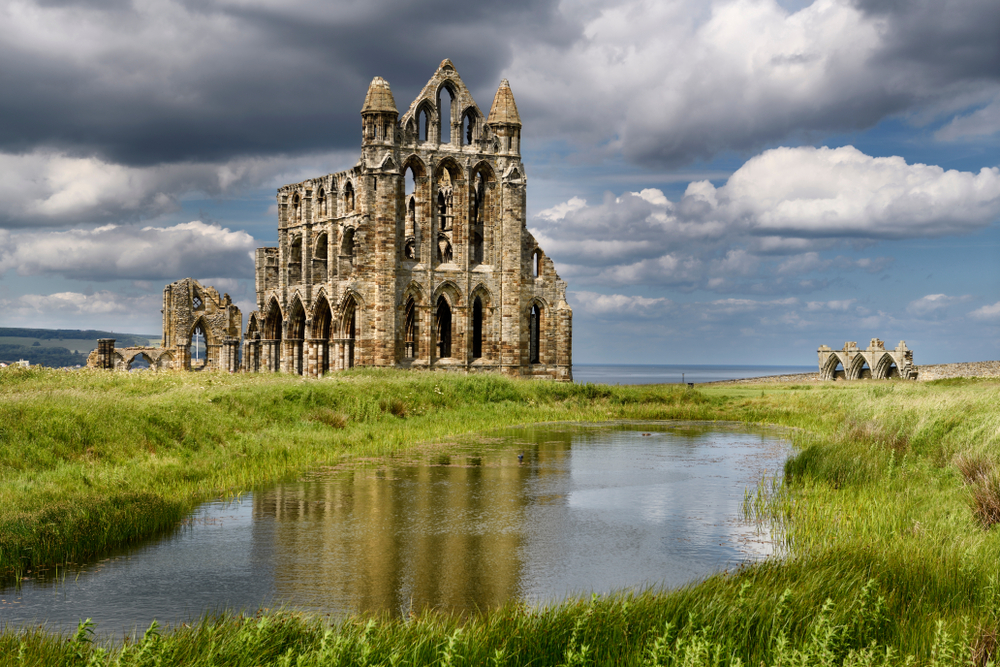
The White Abbey Ruins, located in the North York Moors National Park, are the remnants of a medieval Cistercian monastery. Founded in the 12th century, the abbey was once a thriving religious community known for its devotion to manual labor and self-sufficiency, as well as its distinctive white habits, which gave the abbey its name.

Though much of the original structure has been lost to time, the surviving ruins offer a glimpse into its past grandeur, with traces of its cloisters, chapel, and surrounding walls still visible.

The peaceful, rural setting of the abbey remains a serene place for visitors to explore, surrounded by the natural beauty of the moors.

The ruins are an important cultural landmark, reflecting the spiritual history and architectural legacy of medieval Yorkshire.

Hemsley Castle

Hemsley Castle

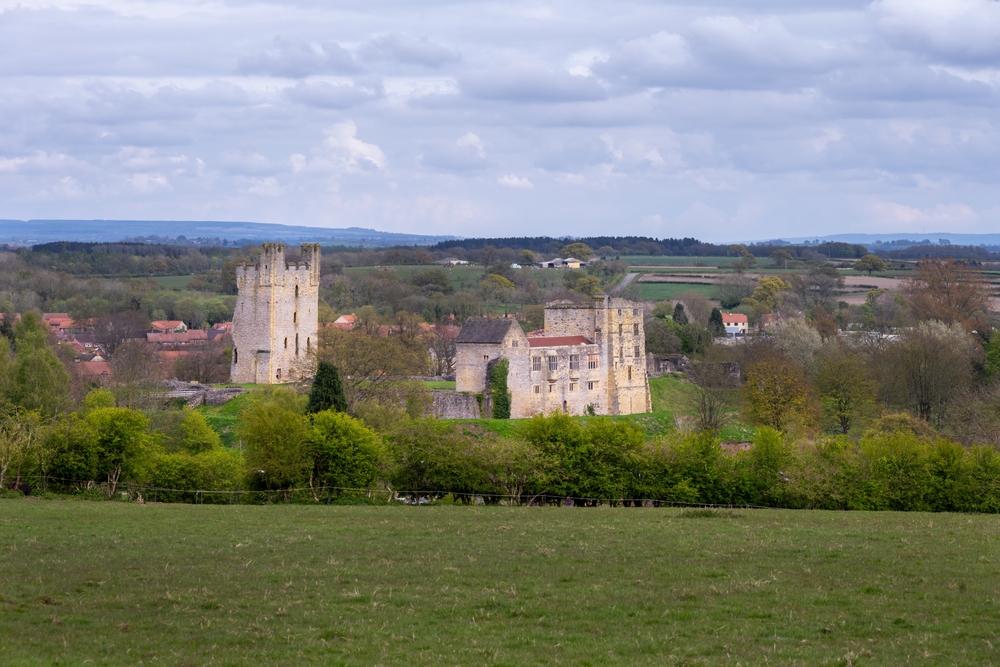
elmsley Castle is a striking medieval fortress located in the market town of Helmsley, within the North York Moors National Park. Built in the late 12th century, the castle played a key role in England’s military history, especially during the English Civil War.

Its once-mighty stone walls and towers remain partially intact, providing insight into its defensive design. Over the centuries, Helmsley Castle was transformed from a military stronghold to an elegant Tudor mansion.

Visitors can explore its vast grounds, including the impressive keep, the earthworks, and the later Tudor mansion, while learning about the castle’s rich history through informative exhibits. Helmsley Castle is a must-see for those interested in medieval architecture and English history.

Things To Do

Engaging North York Moors
Hiking

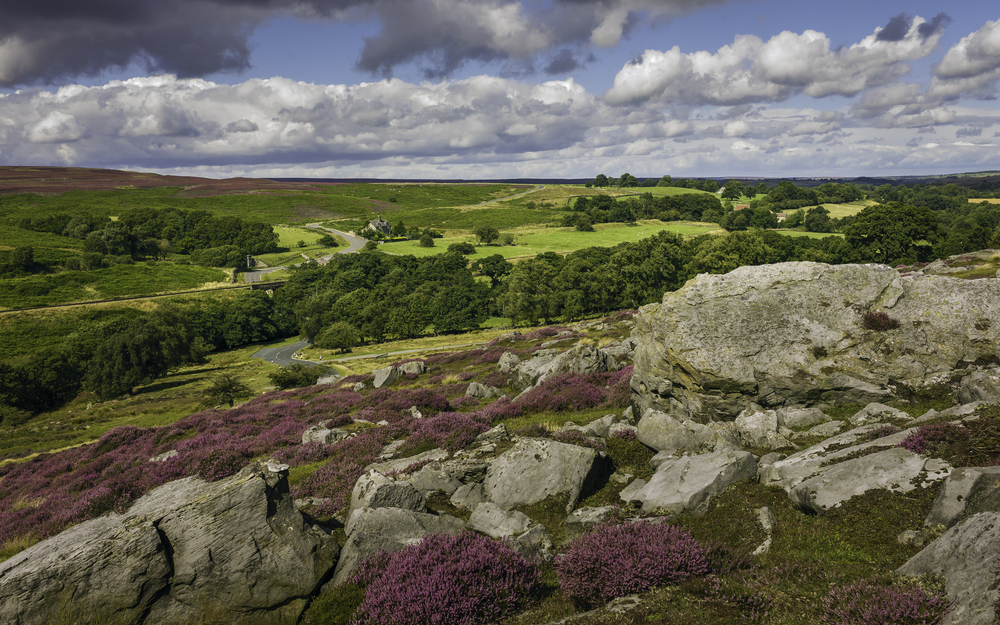
The Cleveland Way is a long-distance trail that offers a fantastic way to experience the diverse landscapes of North York Moors National Park. Stretching 109 miles, the route takes hikers through open moorland, dense forests, and along dramatic coastal cliffs.

Whether completing a short section or tackling the entire trail, visitors can expect stunning views and encounters with local wildlife. Along the way, the route passes picturesque villages and historical landmarks, making it perfect for nature lovers and history enthusiasts alike.

Cycling

North York Moors National Park offers a variety of cycling routes that cater to all abilities, from family-friendly trails to challenging off-road paths.

Cycling through the park provides a more dynamic way to explore the heather-covered moors, ancient woodlands, and coastal stretches.

The quiet country lanes and dedicated trails allow cyclists to immerse themselves in the park’s natural beauty, with plenty of opportunities to stop for a picnic or take in panoramic views from hilltops.

placeholder

Birdwatching

Levisham Moor, located in the heart of North York Moors National Park, is an ideal destination for birdwatchers. The open heather moorland attracts species like curlews, lapwings, and red grouse, while the wooded valleys are home to owls and woodpeckers.

Visitors can take a gentle walk across the moors, stopping at key viewpoints to observe the birdlife. The diverse habitat supports a wide range of species, offering a rewarding experience for both casual birdwatchers and avid enthusiasts.

Sources

Discover Yorkshire Coast, North York Moors, https://www.discoveryorkshirecoast.com/north-york-moors/, retrieved August 2024.

Park Site, North York Moors, https://www.northyorkmoors.org.uk/, retrieved August 2024.

Visit Britain, North York Moors, https://www.visitbritain.com/en/destinations/england/north-york-moors, retrieved August 2024.

Visit England, Places to Visit in North York Moors, https://www.visitengland.com/things-to-do/north-york-moors, retrieved August 2024.

Visit York, North York Moors National Park, https://visityork.org/north-york-moors-national-park, retrieved August 2024.