About

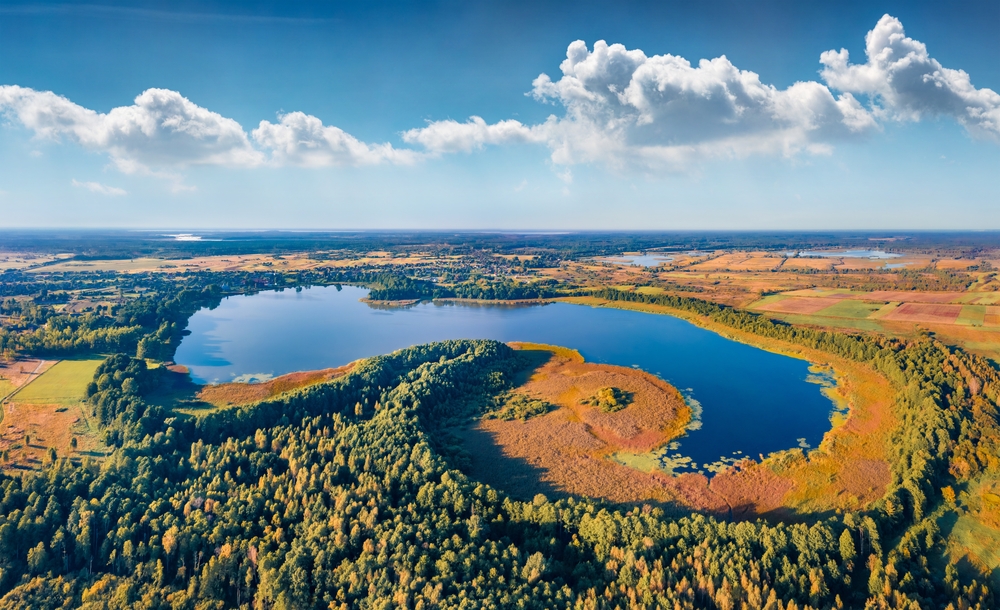
Shatsky National Nature Park is located in northwestern Ukraine near the borders of Poland and Belarus and covers approximately 190 square miles (490 sq km). Established in 1983, the park protects one of Eastern Europe’s most important freshwater and wetland ecosystems.

Situated in the Volyn region northwest of Lutsk, the park is centered around the famous Shatsk Lakes, a remarkable network of more than thirty interconnected lakes surrounded by forests, wetlands, and meadows. The area forms part of an internationally significant ecological corridor and has been recognized for its importance to biodiversity conservation. Shatsky National Nature Park is widely regarded as one of Ukraine’s premier freshwater conservation areas and a popular destination for nature tourism.

Shatsky National Nature Park is best known for its beautiful lakes, particularly Lake Svityaz, the deepest and one of the clearest lakes in Ukraine. Visitors are drawn to the park’s pristine waters, sandy beaches, forested shorelines, and peaceful natural surroundings. Popular activities include swimming, boating, kayaking, fishing, hiking, cycling, birdwatching, and photography.

During the summer months, the lakes attract visitors seeking recreation and relaxation, while nature enthusiasts explore the park’s wetlands and forests throughout the year. The combination of freshwater landscapes and rich biodiversity makes the park one of the most attractive natural destinations in northwestern Ukraine.

The geography of Shatsky National Nature Park is dominated by glacially formed lakes, wetlands, and lowland forests. The Shatsk Lakes were created following the retreat of ancient glaciers and vary greatly in size, depth, and ecological characteristics. The landscape includes freshwater lakes, marshes, peatlands, rivers, pine forests, mixed woodlands, and open meadows.

Sandy soils and abundant water create a unique environment that supports a wide variety of plant communities. Extensive wetlands play an important role in regulating water systems and providing habitat for wildlife. The interaction between forests, wetlands, and lakes contributes significantly to the ecological richness of the park.

Wildlife within Shatsky National Nature Park is diverse and closely linked to its aquatic ecosystems. Mammals include elk, roe deer, wild boar, foxes, beavers, otters, and numerous smaller forest species. The park is especially important for birdlife, serving as a nesting and migratory habitat for hundreds of species.

Visitors may observe white-tailed eagles, black storks, cranes, herons, swans, ducks, grebes, and numerous migratory waterbirds. The lakes support healthy fish populations, including pike, perch, carp, and other freshwater species that contribute to both ecological and recreational value. The variety of habitats allows wildlife to flourish throughout the protected area.

Shatsky National Nature Park plays a vital role in protecting Ukraine’s most important freshwater lake district and preserving internationally significant wetland habitats. Conservation efforts focus on maintaining water quality, protecting migratory bird populations, restoring sensitive ecosystems, and promoting sustainable tourism.

The park is often compared to Braslav Lakes National Park and Masurian Lake District because of its extensive lake systems and recreational opportunities. However, its exceptional water quality, concentration of glacial lakes, and ecological importance within Eastern Europe give it a distinctive identity. Today, Shatsky National Nature Park stands as one of Ukraine’s most valuable protected landscapes, preserving a remarkable environment where lakes, wetlands, forests, and wildlife continue to thrive together.

Things to See

Popular

Popular

The Shatsky National Park, located in northwestern Ukraine, is a stunning protected area known for its numerous lakes, dense forests, and wetland ecosystems. The park is home to the famous Shatsk Lakes, including Lake Svityaz, the deepest and largest natural lake in Ukraine. This diverse landscape supports a wide range of wildlife, including rare and migratory species. Below are some of the more popular species that inhabit Shatsky National Park.

European Roe Deer (Capreolus capreolus)
A graceful and agile herbivore, the European roe deer is commonly found grazing in the park’s meadows and forest clearings, feeding on grass, shrubs, and tree shoots.

Eurasian Otter (Lutra lutra)
A semi-aquatic predator, the Eurasian otter thrives in the park’s rivers and lakes, where it hunts fish, amphibians, and crustaceans.

Wild Boar (Sus scrofa)
A highly adaptable species, the wild boar roams the park’s forests and wetlands, foraging for roots, nuts, and small invertebrates.

Eurasian Lynx (Lynx lynx)
A stealthy predator, the Eurasian lynx is rarely seen but plays a key role in controlling deer and hare populations in the park’s dense woodlands.

European Beaver (Castor fiber)
An important ecosystem engineer, the European beaver constructs dams and lodges along the park’s rivers, creating wetland habitats for many other species.

Red Fox (Vulpes vulpes)
A cunning and opportunistic predator, the red fox thrives in the park’s diverse habitats, hunting small mammals, birds, and insects.

European Badger (Meles meles)
A nocturnal burrowing mammal, the European badger digs extensive tunnel systems and feeds on earthworms, insects, and small rodents.

Fire Salamander (Salamandra salamandra)
A striking amphibian with black and yellow markings, the fire salamander inhabits the park’s damp forests, feeding on insects and small invertebrates.

Grass Snake (Natrix natrix)
A non-venomous snake commonly found in the park’s wetlands, the grass snake is an excellent swimmer and preys on amphibians and small fish.

Pond Turtle (Emys orbicularis)
A rare and protected reptile, the European pond turtle is found in the park’s lakes and slow-moving rivers, where it feeds on fish, amphibians, and insects.

Birds

Birds

The Shatsky National Park is a crucial habitat for both resident and migratory bird species, especially waterfowl. The park’s vast lakes, marshes, and forests provide nesting and feeding grounds for many rare and beautiful birds. Here are some of the most iconic bird species found in the park.

White-tailed Eagle (Haliaeetus albicilla)
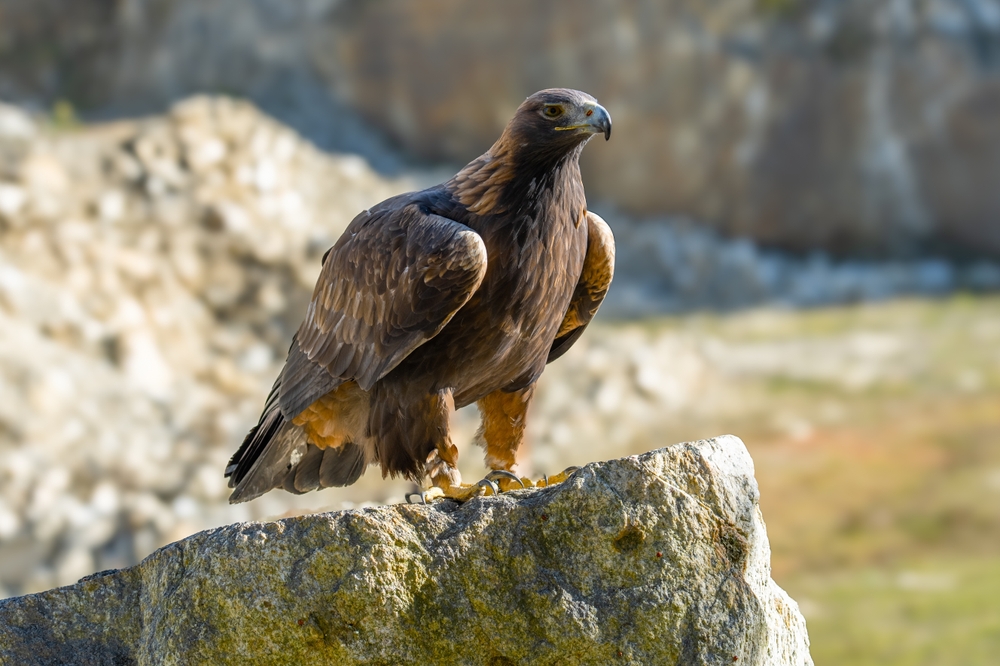
A dominant bird of prey in the region, the white-tailed eagle is often seen soaring above the park’s lakes, hunting fish and waterfowl.

Black Stork (Ciconia nigra)
A rare and elusive species, the black stork nests in the park’s remote woodlands and feeds on fish, amphibians, and small invertebrates.

Common Crane (Grus grus)
A majestic bird, the common crane breeds in the park’s wetlands and performs elaborate courtship dances in spring.

Great Egret (Ardea alba)
A striking white wading bird, the great egret is often seen along the shores of the park’s lakes, hunting for fish, amphibians, and insects.

Western Marsh Harrier (Circus aeruginosus)
A skilled hunter of wetland areas, the marsh harrier glides over reeds and marshes in search of fish, small mammals, and birds.

Common Kingfisher (Alcedo atthis)
A brilliantly colored bird, the common kingfisher is often seen perched near the park’s waterways, diving into the water to catch small fish.

Eurasian Coot (Fulica atra)
A common waterbird, the Eurasian coot is frequently seen paddling across the park’s lakes, feeding on aquatic plants and small invertebrates.

Great Crested Grebe (Podiceps cristatus)
One of the most beautiful waterbirds in the park, the great crested grebe is known for its elaborate courtship displays and graceful swimming.

Whooper Swan (Cygnus cygnus)
A large and elegant waterfowl species, the whooper swan breeds in the park’s wetlands and shallow lakes, feeding on aquatic vegetation.

Eurasian Hoopoe (Upupa epops)
A distinctive bird with a striking crest and a unique call, the Eurasian hoopoe forages for insects in the park’s meadows and grasslands.

Shatsky National Park remains one of Ukraine’s most important nature reserves, preserving its rich biodiversity and offering a sanctuary for both resident and migratory species while protecting the stunning beauty of the Shatsk Lakes.