About

Namtok Chat Trakan National Park (Thai: อุทยานแห่งชาติน้ำตกชาติตระการ) is located in Phitsanulok Province in northern Thailand near the border with Laos.

Established in 1987, the park covers approximately 210 square miles (543 sq km) and protects a scenic landscape of forested mountains, waterfalls, caves, and river valleys within the Luang Prabang mountain range. The park was originally known as Chat Trakan National Park before being renamed after its most famous feature, Namtok Chat Trakan Waterfall. Its rich forests and dramatic mountain scenery make it one of northern Thailand’s most attractive protected areas.

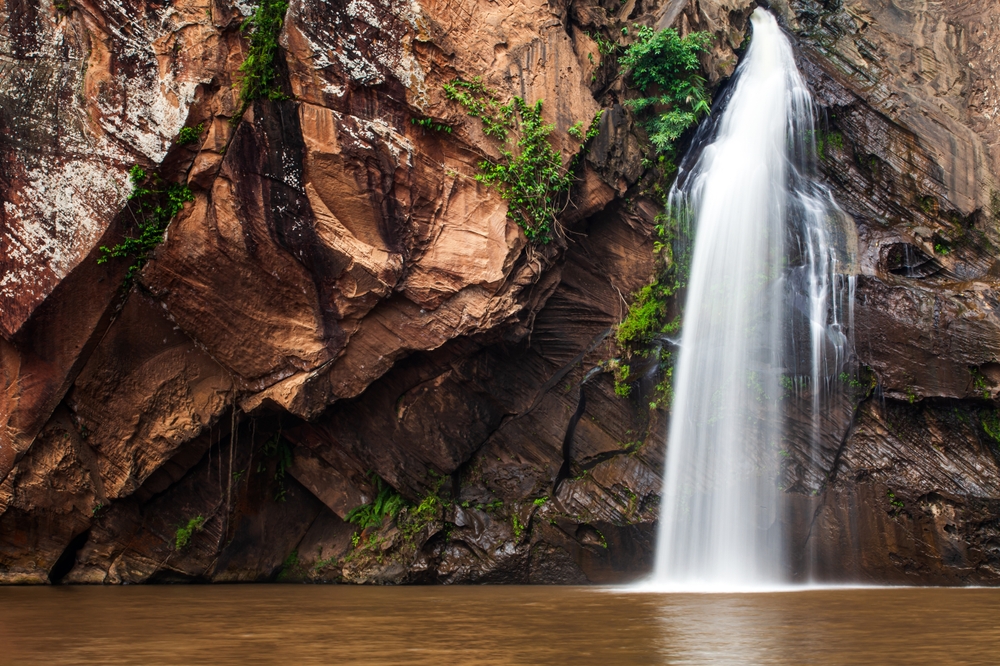
The park is best known for the spectacular Namtok Chat Trakan Waterfall, a multi-tiered waterfall cascading through seven distinct levels over a total height of approximately 130 feet (40 m). Visitors are drawn to the waterfall’s scenic beauty, particularly during the rainy season when water flows are at their peak.

Hiking trails lead through lush forests to viewpoints, caves, and smaller waterfalls throughout the park. The peaceful atmosphere and relatively low visitor numbers provide an opportunity to experience Thailand’s mountain wilderness away from the country’s more heavily visited national parks.

Geographically, Namtok Chat Trakan National Park is characterized by rugged mountains, steep valleys, dense forests, and numerous streams that feed the park’s waterfalls. Elevations range from lowland valleys to peaks exceeding 5,900 feet (1,800 m), creating a variety of habitats and microclimates.

The park is part of an important watershed that contributes to regional river systems. Vegetation includes mixed deciduous forest, dry evergreen forest, pine forests, bamboo groves, and montane vegetation at higher elevations. Seasonal rainfall sustains the park’s rivers and waterfalls while supporting rich biodiversity throughout the landscape.

Wildlife within the park includes a variety of species typical of northern Thailand’s mountain forests. Mammals include barking deer, wild boar, civets, porcupines, macaques, and several species of squirrels. More elusive animals such as Asiatic black bears, clouded leopards, and serow may occur within remote sections of the park.

Birdlife is particularly diverse, with hornbills, barbets, kingfishers, woodpeckers, drongos, and numerous forest songbirds inhabiting the park’s varied habitats. Reptiles, amphibians, butterflies, and freshwater species further contribute to the park’s ecological richness.

Namtok Chat Trakan National Park plays an important role in conserving the mountain forests and watersheds of northern Thailand. The park protects critical habitat for wildlife, preserves water resources, and helps maintain ecological connectivity along the Thai–Laotian border region.

Its conservation value is often compared to Phu Hin Rong Kla National Park and Doi Phu Kha National Park because of its forested mountains, waterfalls, and biodiversity. Through its scenic cascades, mountain landscapes, rich wildlife, and protected forests, Namtok Chat Trakan National Park stands as one of northern Thailand’s hidden natural gems and an important sanctuary for the region’s natural heritage.
Things to See

Popular

Popular

Namtok Chat Trakan National Park, located in northern Thailand, is renowned for its stunning waterfalls, dense forests, and diverse wildlife. The park is home to a variety of fascinating animal species that thrive in its lush habitats.

Asian Elephant
The Asian elephant is a majestic mammal found in the park, known for its large size, distinctive trunks, and intelligent behavior. They often roam in small herds and are a symbol of Thailand’s wildlife heritage.

Indochinese Leopard
This elusive predator is recognized for its beautiful spotted coat. As a solitary and nocturnal animal, it plays a crucial role in maintaining the park’s ecosystem balance.

Malayan Porcupine
The Malayan porcupine is a unique rodent with sharp quills that provide protection from predators. It is commonly seen foraging during the evening hours.

Sambar Deer
A large deer species, the sambar deer is known for its impressive antlers and ability to adapt to various environments. They are commonly seen grazing in open areas of the park.

Barking Deer
Also known as the muntjac, the barking deer is a smaller deer species that emits a bark-like call when alarmed. It is a shy and agile animal.

Binturong
The binturong, or bearcat, is a fascinating mammal with a prehensile tail and a unique scent resembling popcorn. It is primarily arboreal and nocturnal.

Clouded Leopard
This rare and secretive predator is named for the cloud-like patterns on its fur. It is an agile climber and a skilled hunter, often seen in forested areas.

Long-tailed Macaque
A common primate in the region, the long-tailed macaque is highly social and adaptable, often forming large troops near water sources.

Asian Water Monitor
One of the largest lizards in the world, the Asian water monitor is a semi-aquatic reptile frequently spotted near rivers and streams in the park.

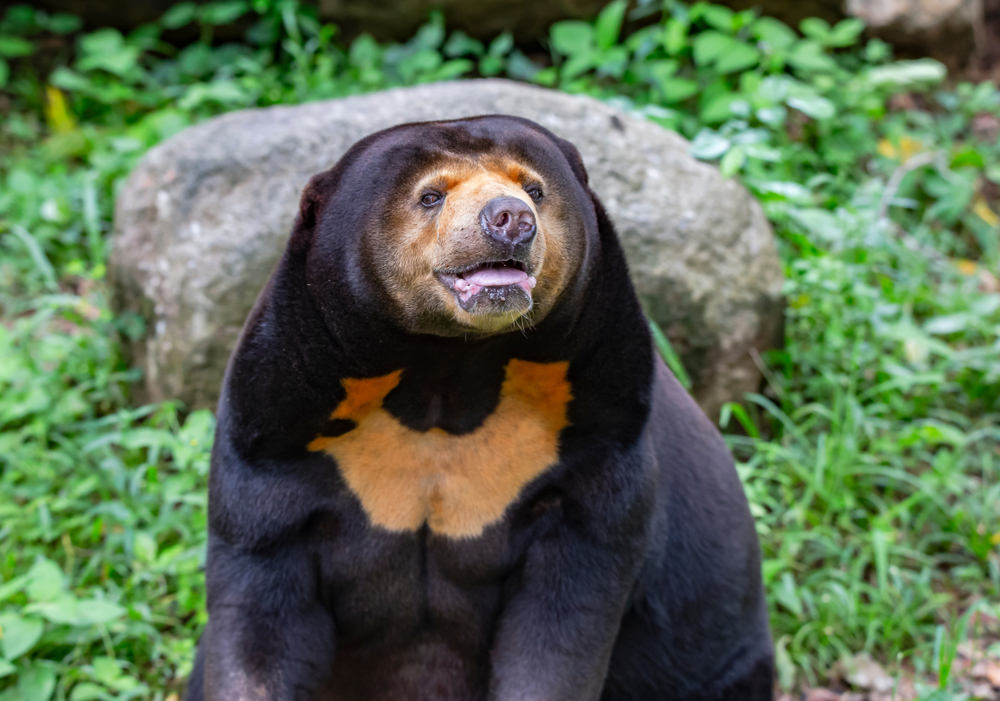
Sun Bear
The smallest bear species, the sun bear is known for its short, sleek coat and distinctive orange chest patch. It is an excellent climber and often forages for fruits and honey.

Birds

Birds

Namtok Chat Trakan National Park is also a haven for bird enthusiasts, with a remarkable variety of bird species that add vibrant life and melody to the forested landscape.

Oriental Pied Hornbill
A striking bird with a large casque on its bill, the Oriental pied hornbill is known for its loud calls and social behavior. It is often seen in forested areas.

White-throated Kingfisher
This colorful bird, with its bright blue wings and orange body, is commonly found near rivers and streams, where it hunts for fish and insects.

Asian Fairy-bluebird
The Asian fairy-bluebird is a brilliantly colored species with shimmering blue feathers and a melodious call. It inhabits dense forests in the park.

Green-billed Malkoha
A long-tailed bird with a greenish bill, the green-billed malkoha is a shy species that moves through the forest canopy in search of insects.

Greater Racket-tailed Drongo
This bird is recognized by its long, racket-shaped tail feathers and exceptional mimicry skills. It often follows larger animals to catch disturbed insects.

Crested Serpent Eagle
A medium-sized raptor, the crested serpent eagle has distinctive markings and a piercing call. It is commonly seen soaring above the park’s forests.

Scarlet Minivet
Known for its vibrant scarlet and black plumage, the scarlet minivet moves in flocks through the treetops, feeding on insects and berries.

Bar-winged Flycatcher-shrike
This small bird, with its striking black-and-white markings, is active and vocal, often found foraging for insects in the forest canopy.

Hill Myna
The hill myna is a black bird with bright yellow wattles and a remarkable ability to mimic human speech. It thrives in forested and open areas.

Black-naped Oriole
A vivid yellow bird with a striking black cap, the black-naped oriole is known for its melodious call and preference for fruit-bearing trees.