About
Lam Nam Nan National Park (Thai: อุทยานแห่งชาติลำน้ำน่าน) is located in northern Thailand within Uttaradit and Phrae provinces. Established in 1998, the park covers approximately 390 square miles (999 sq km) and protects an important section of the Nan River watershed in the mountains of northern Thailand.
The park is centered around the Sirikit Reservoir, one of Thailand’s largest artificial lakes, and encompasses a diverse landscape of forested mountains, river valleys, waterfalls, caves, and lakeshore habitats. Its scenic beauty and ecological importance make it one of the most significant protected areas in the upper Nan River basin.
The park is best known for its combination of mountain scenery and expansive freshwater environments. Visitors are drawn to the park’s forested hills, peaceful lakeshores, waterfalls, and opportunities for boating and wildlife observation. The Sirikit Reservoir creates spectacular views where forested mountains rise above the water, providing a setting that differs from many of Thailand’s more mountainous national parks.
Popular recreational activities include hiking, camping, fishing, birdwatching, and exploring caves and waterfalls hidden within the park’s forests. The park’s tranquil atmosphere makes it a favorite destination for visitors seeking a less crowded nature experience.
Geographically, Lam Nam Nan National Park consists of rolling mountains, river valleys, forested ridges, and extensive shoreline surrounding the Sirikit Reservoir. Elevations vary throughout the park, creating a range of habitats and microclimates. The landscape is dominated by mixed deciduous forests, dry evergreen forests, and bamboo groves.
Numerous streams and waterfalls flow into the reservoir, supporting rich ecosystems and helping maintain water quality throughout the watershed. Seasonal changes bring dramatic shifts in scenery, with lush green forests during the rainy season and colorful foliage in some areas during the dry season.
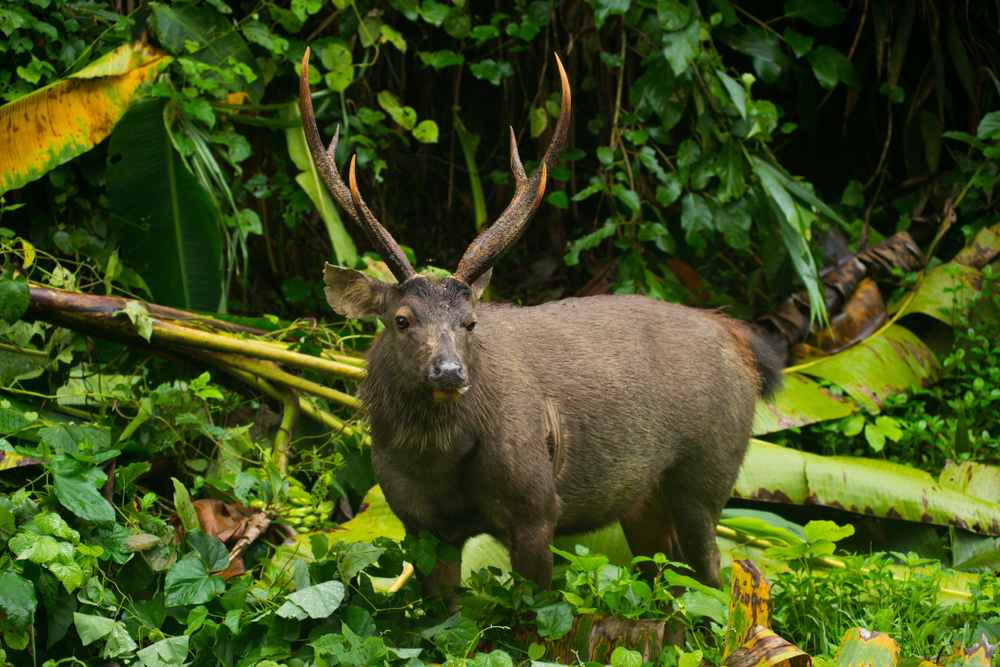
Wildlife within Lam Nam Nan National Park reflects the diversity of northern Thailand’s forest ecosystems. Mammals include barking deer, wild boar, civets, porcupines, macaques, and several species of squirrels. Larger mammals such as Asiatic black bears and clouded leopards have historically occurred within the broader region.
Birdlife is particularly diverse, with hornbills, kingfishers, barbets, woodpeckers, drongos, and numerous migratory species recorded throughout the park. Reptiles, amphibians, and freshwater fish thrive within the park’s forests, streams, and reservoir habitats, contributing to its ecological richness.
Lam Nam Nan National Park plays a critical role in protecting the headwaters and forests of the Nan River watershed, one of northern Thailand’s most important water systems. The park safeguards habitat for wildlife, helps prevent soil erosion, and preserves forests that support biodiversity throughout the region.
Its conservation significance is often compared to Doi Inthanon National Park and Mae Wong National Park because of its forest ecosystems, wildlife habitats, and watershed protection functions. Through its mountain landscapes, reservoir scenery, waterfalls, and diverse wildlife, Lam Nam Nan National Park stands as one of northern Thailand’s most valuable protected areas and an important sanctuary for the natural heritage of the Nan River basin.