About

Erawan National Park is part of the Tenasserim Range located in the western part of Thailand. It covers an area of 212 square miles (550 sq km). It was established in 1975 as the 12th national park created in Thailand.

Erawan National Park features four separate caves which include Mi, Phartat, Rua, and Wang Bahdan. Another tourist spot is the hill Khao Nom Nang which reaches a peak of 2,467 feet (752 M). The name translates, “female breast mountain,” which is derived from the profile of the mountain which looks like a woman laying down and her breast creates the hill. The main draw to the park is the Erawan Falls.

Things to See

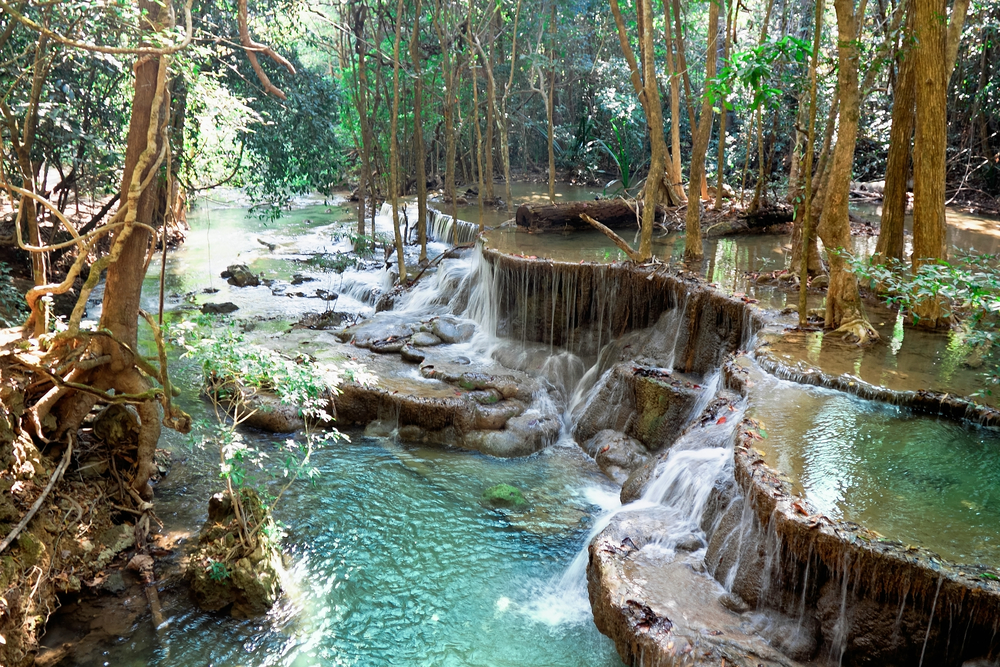
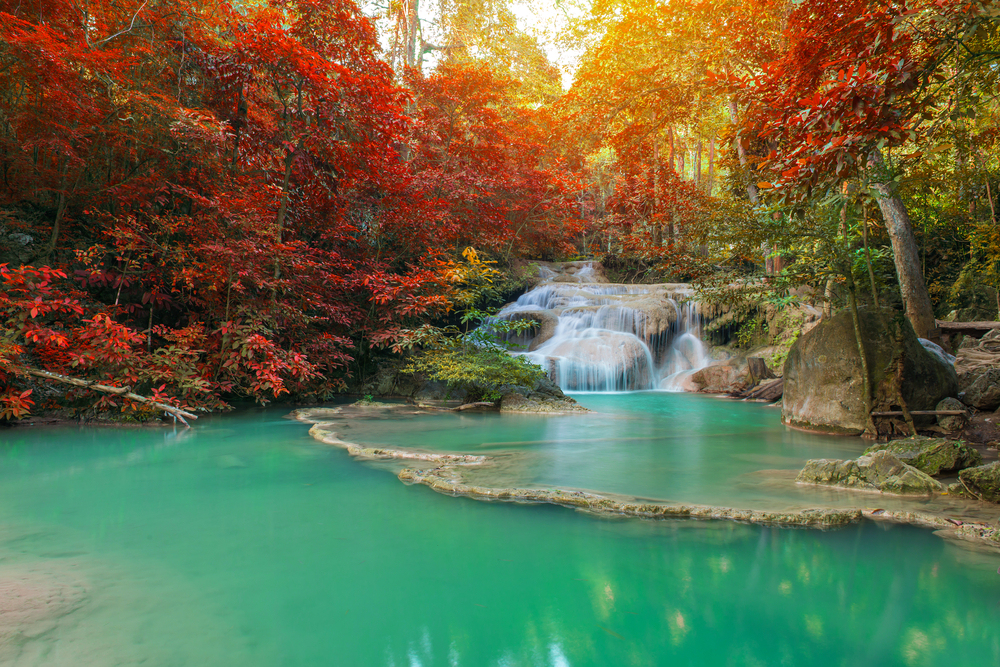
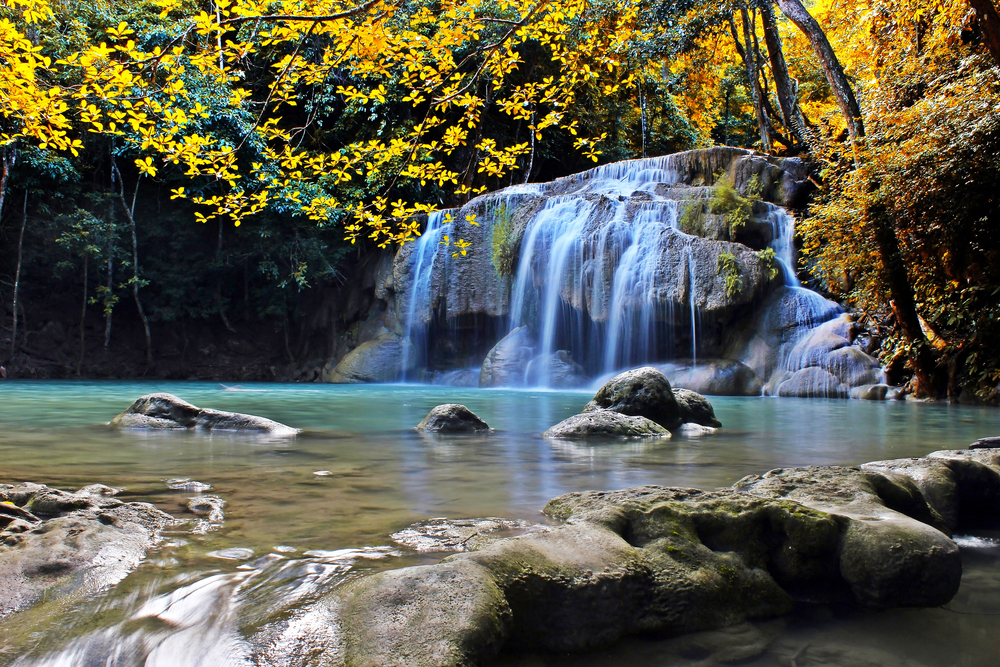
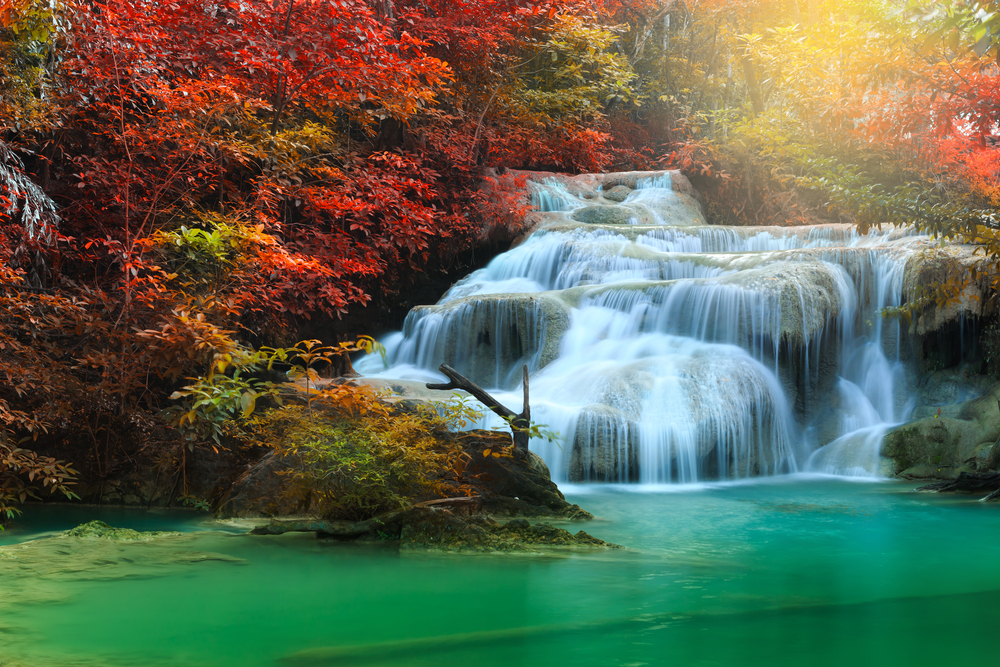
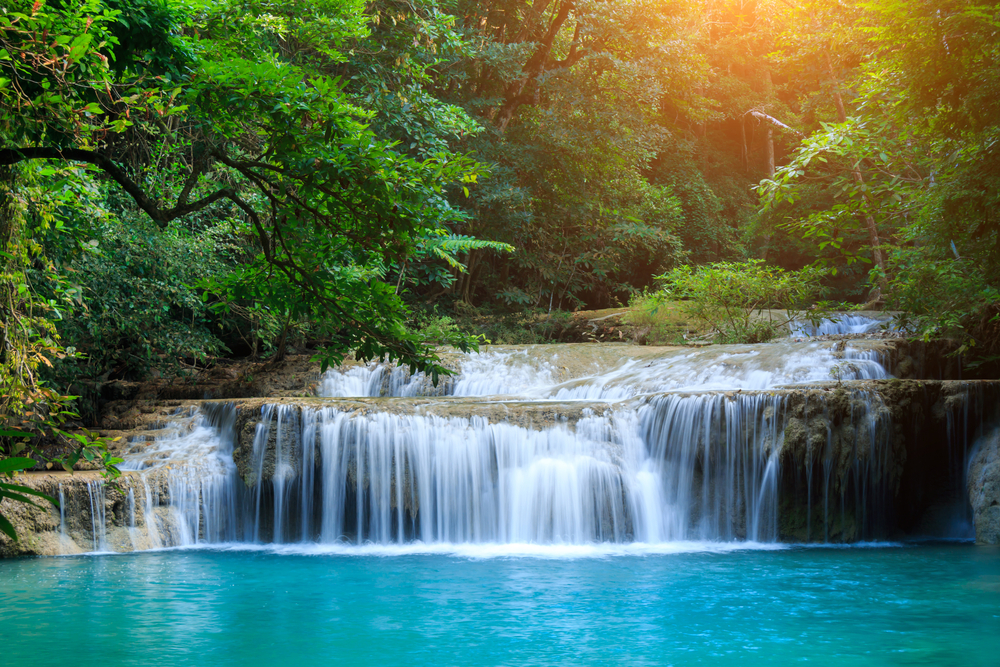
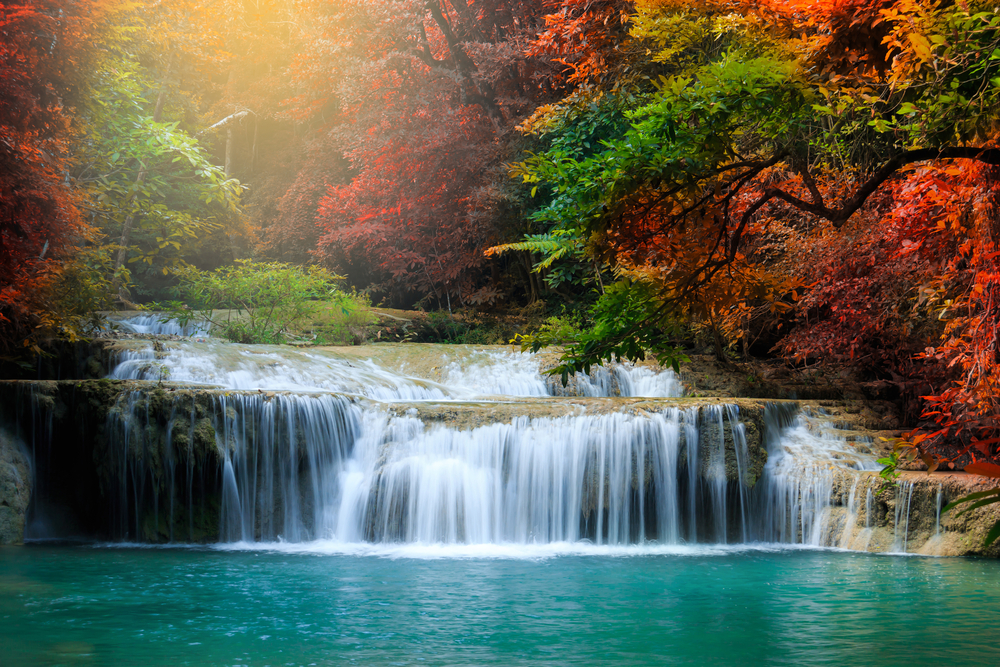
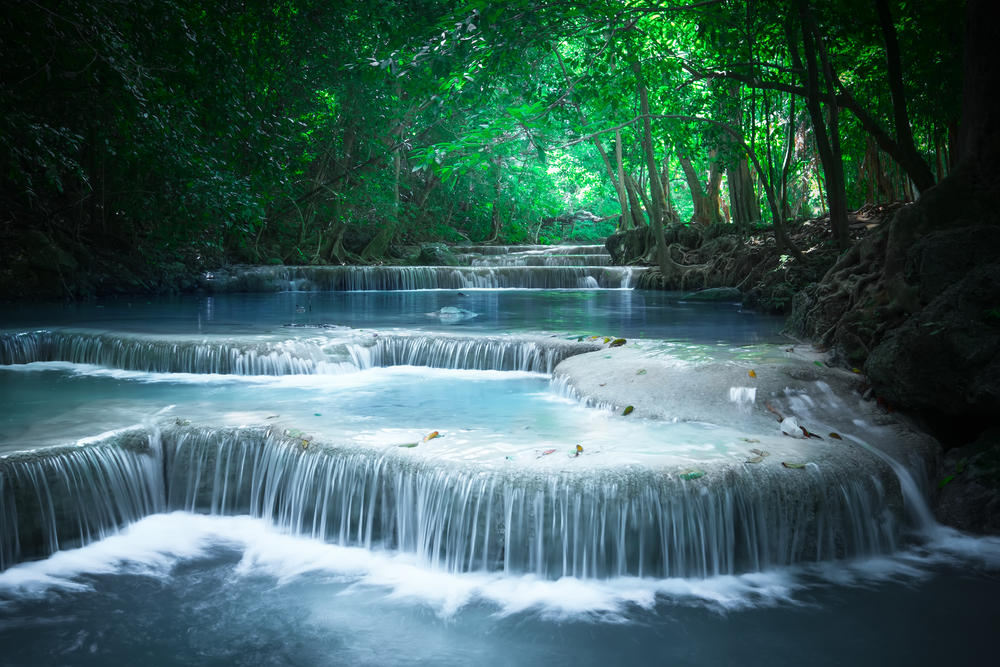
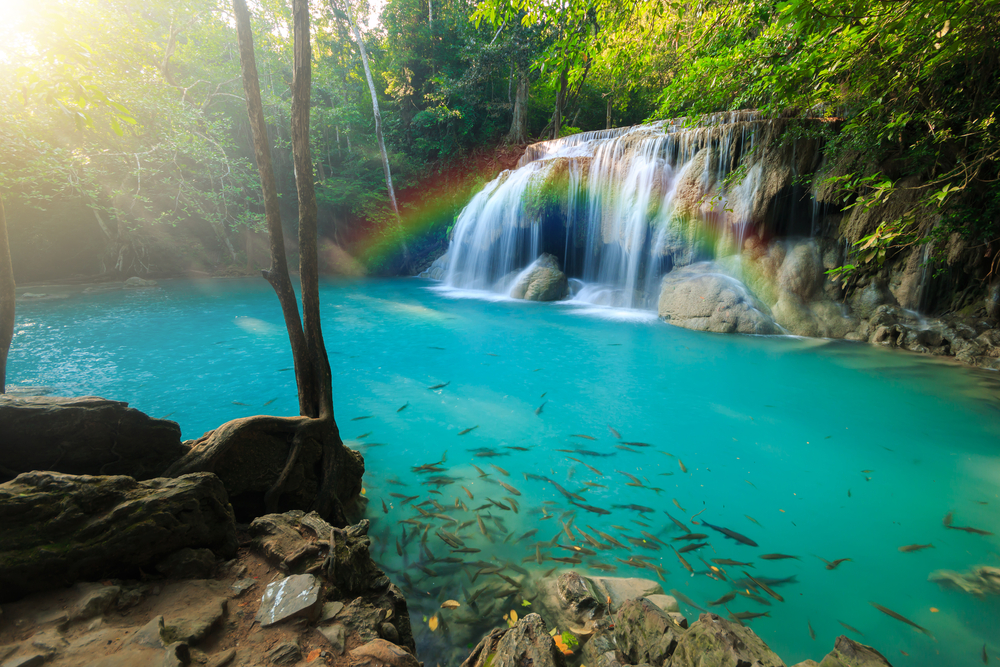
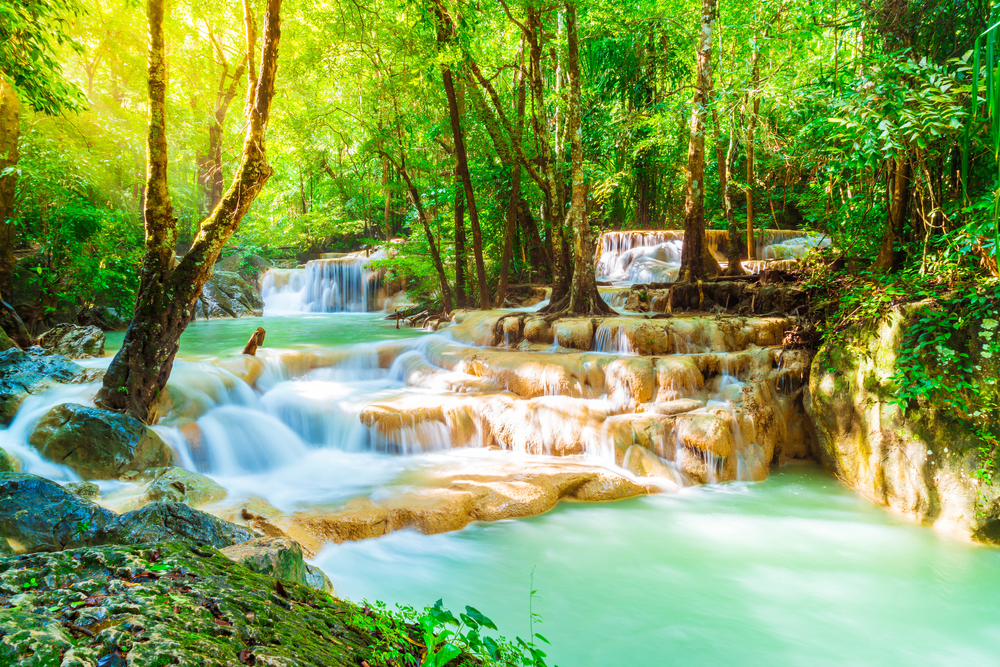
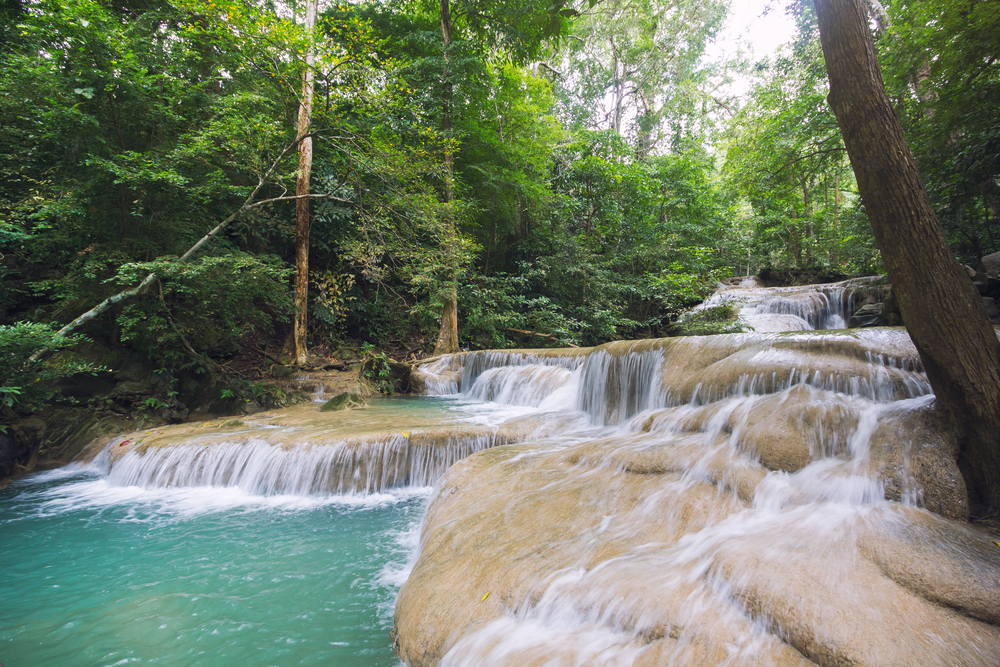
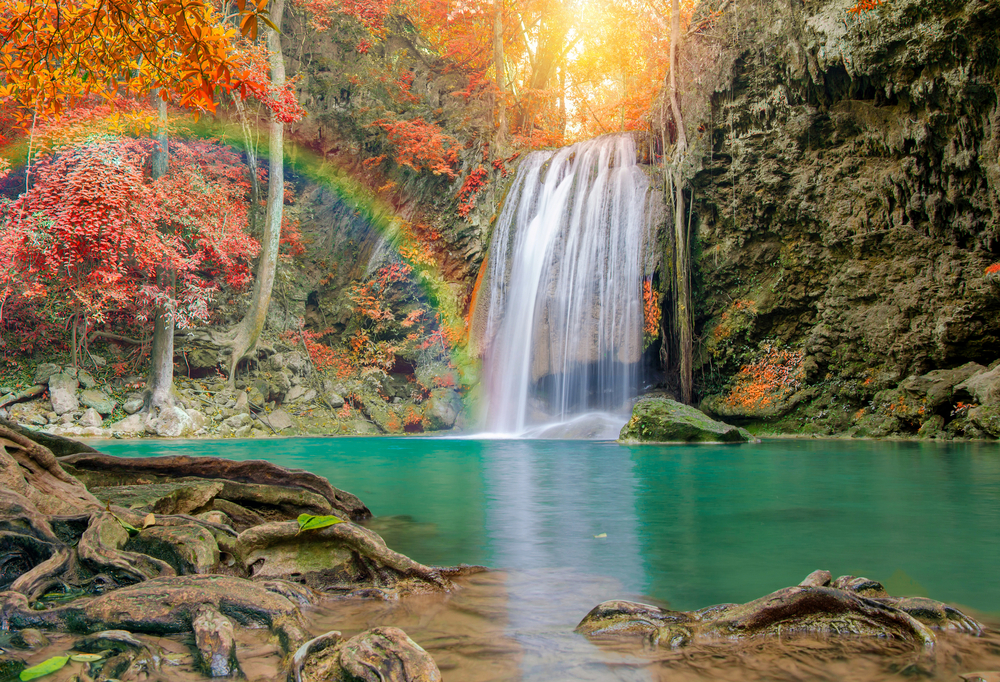
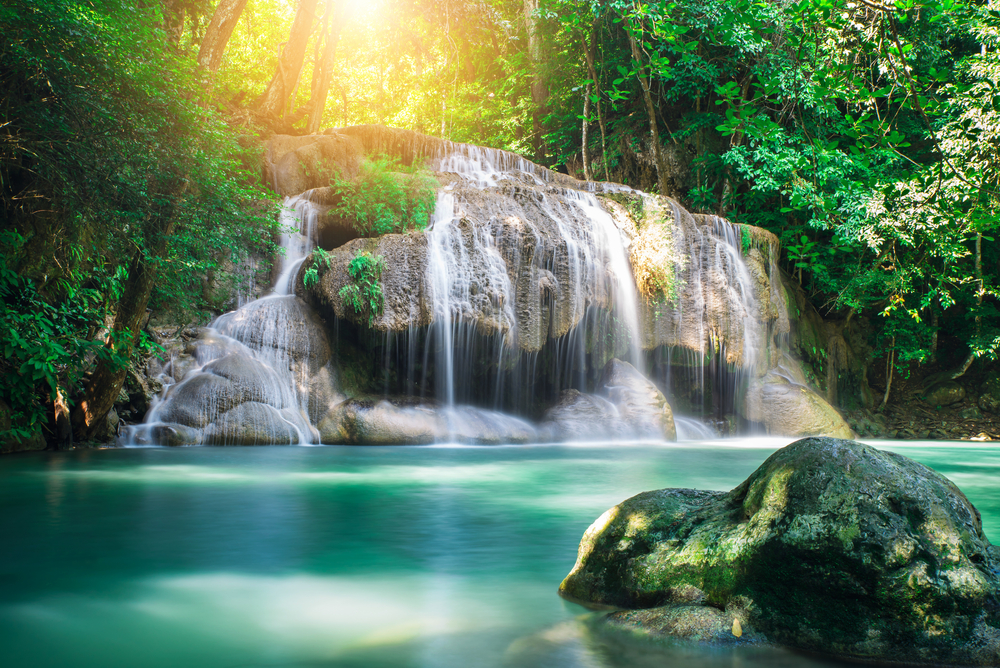
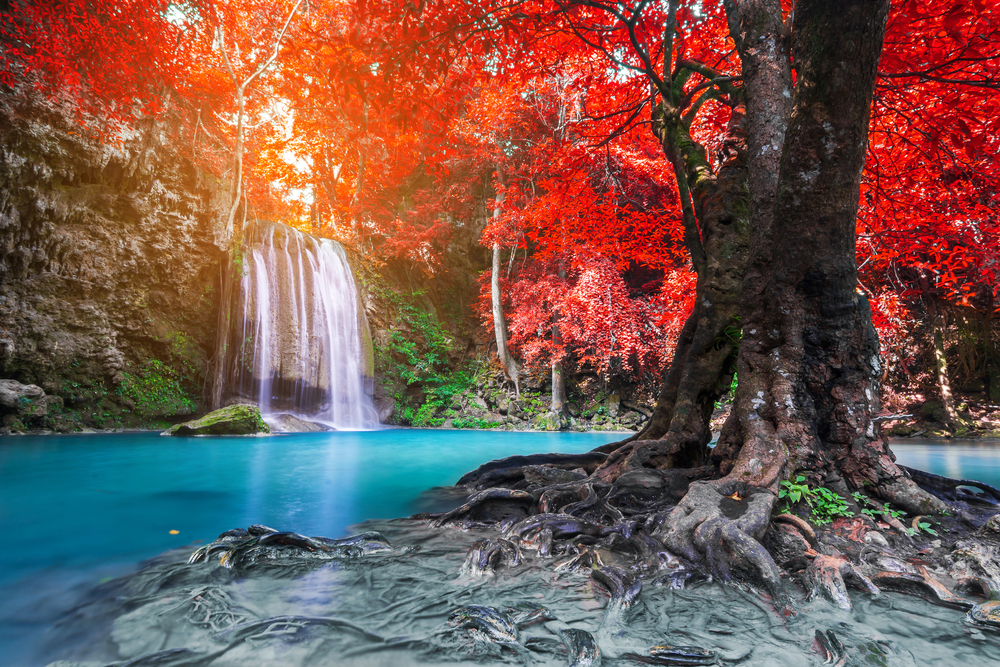
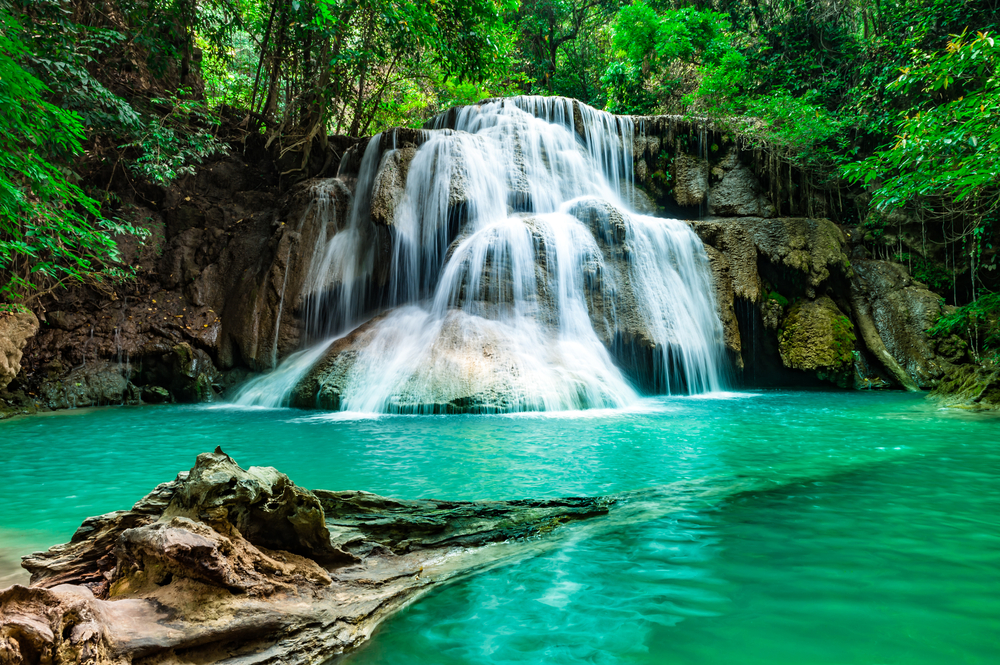
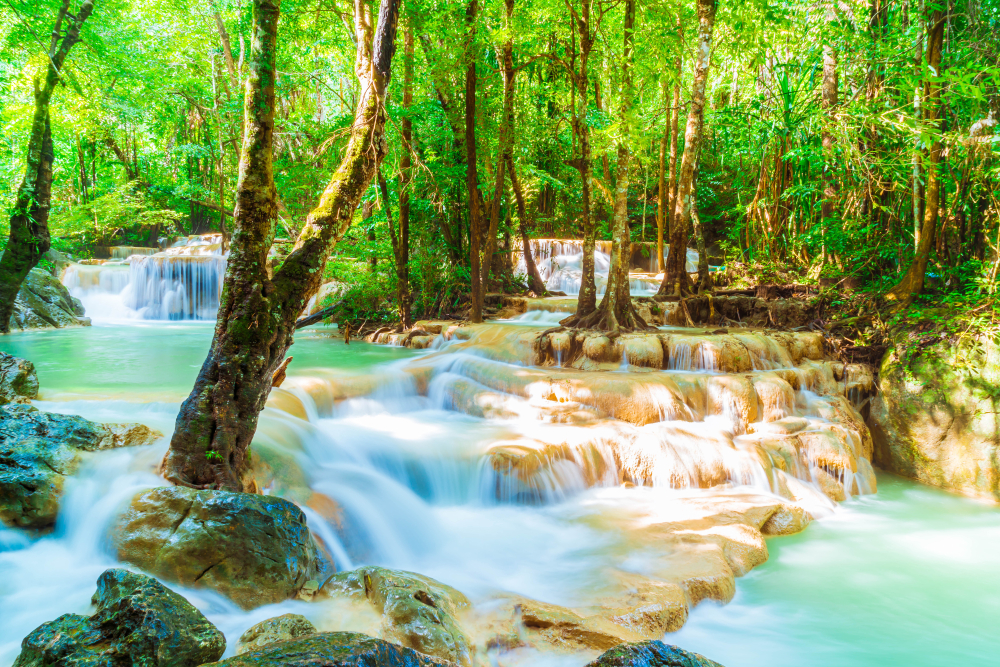
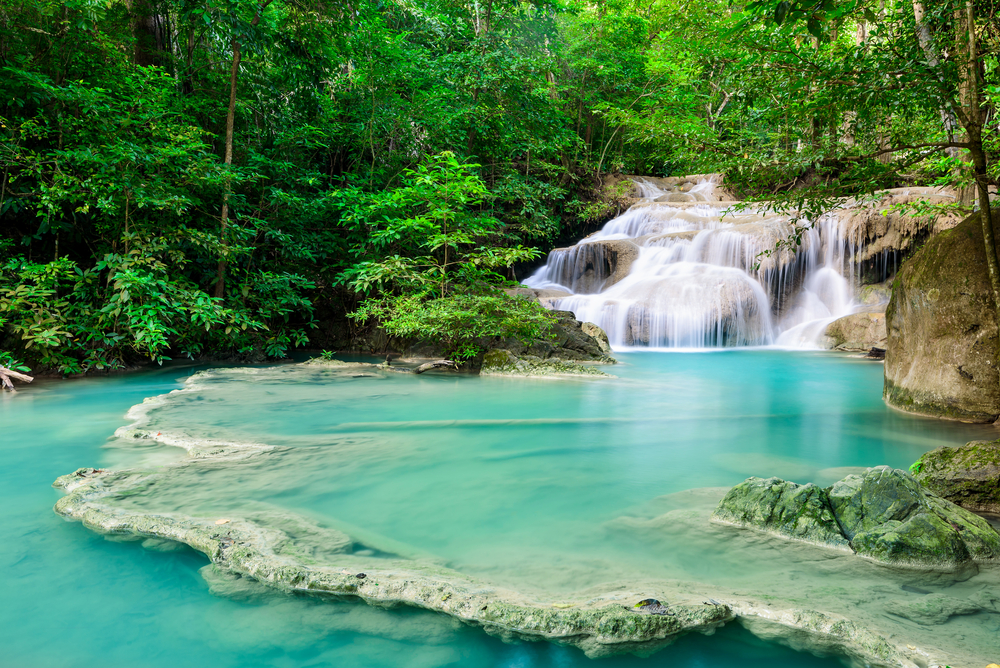
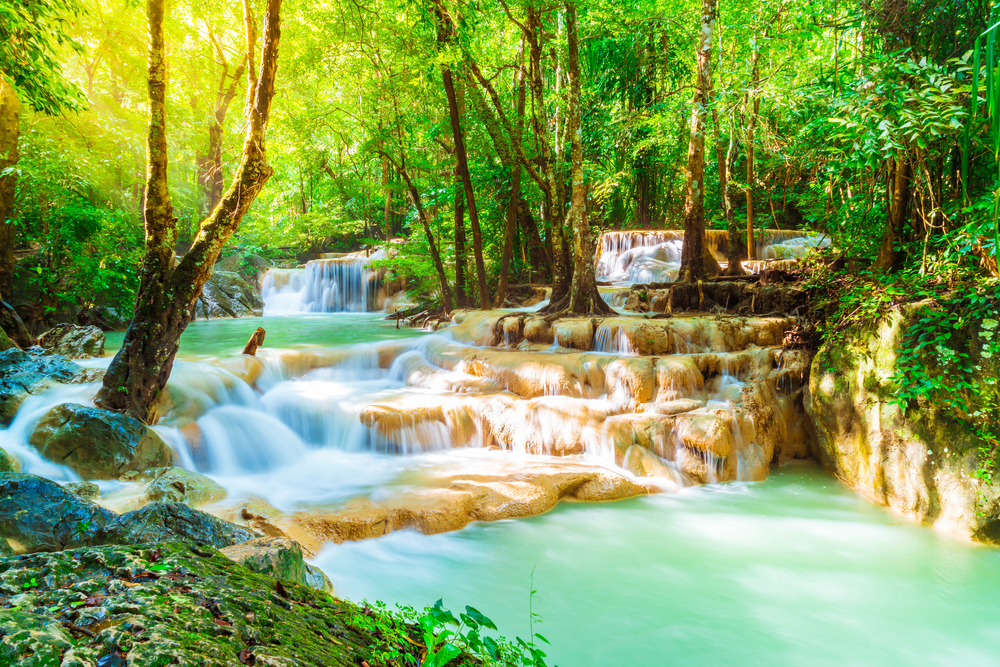
Erawan Falls is the highlight of the national park. It is a seven-tiered waterfall that is majestic to look at and pleasant to get in and swim. The falls staircase downward through a tropical jungle setting creating an incredibly peaceful scene.

Iconic Centerpiece

Iconic Centerpiece

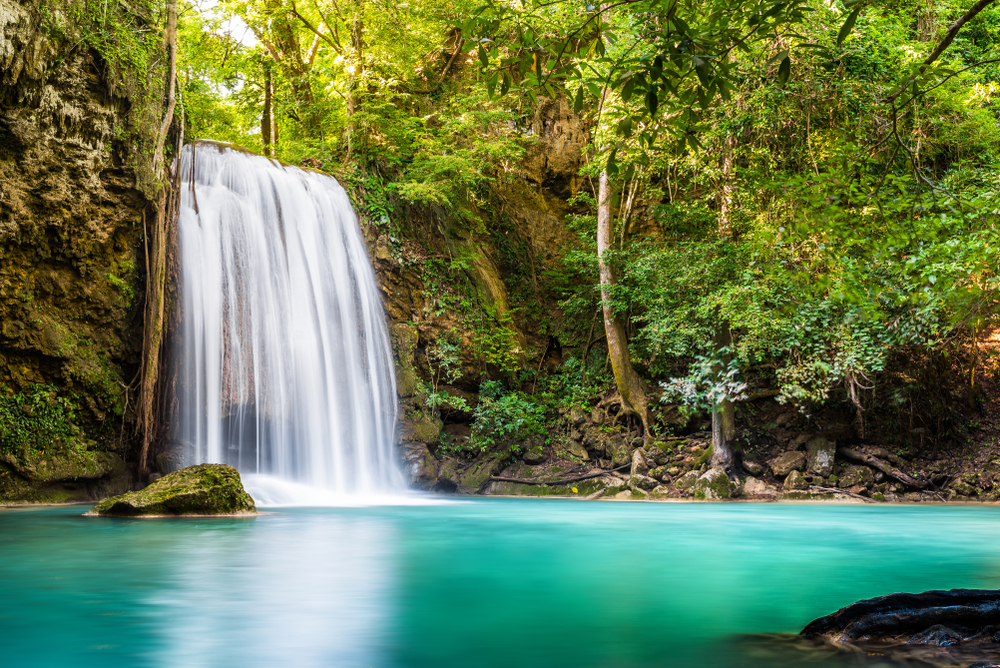
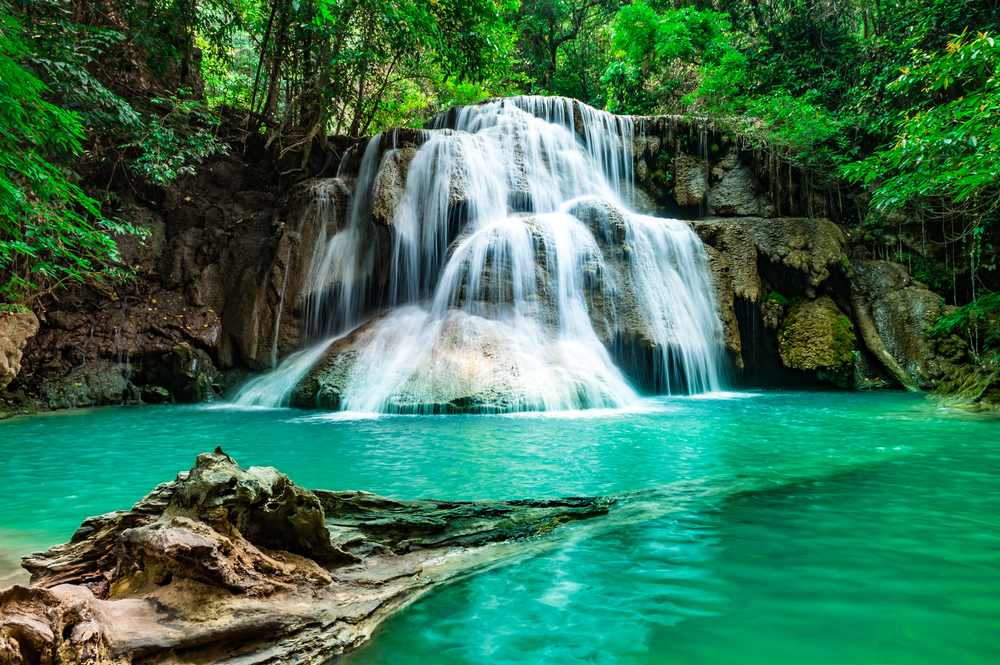
Erawan Falls: Erawan Falls is the centerpiece of Erawan National Park, comprising seven tiers of cascading waterfalls set amidst lush tropical rainforest. The falls are named after the mythical three-headed elephant, Erawan, from Hindu mythology.

Each tier offers a unique and picturesque setting, with pools of emerald-green water perfect for swimming and relaxation. The highest tier stands approximately 1,627 feet (495 meters) above sea level and is characterized by a breathtaking 82-foot (25-meter) cascade, providing a stunning backdrop for visitors to enjoy.

Erawan Falls is a popular destination for hikers, nature lovers, and photographers seeking to experience the natural beauty of Thailand’s wilderness.

Wang Bahdan Cave

Wang Bahdan Cave

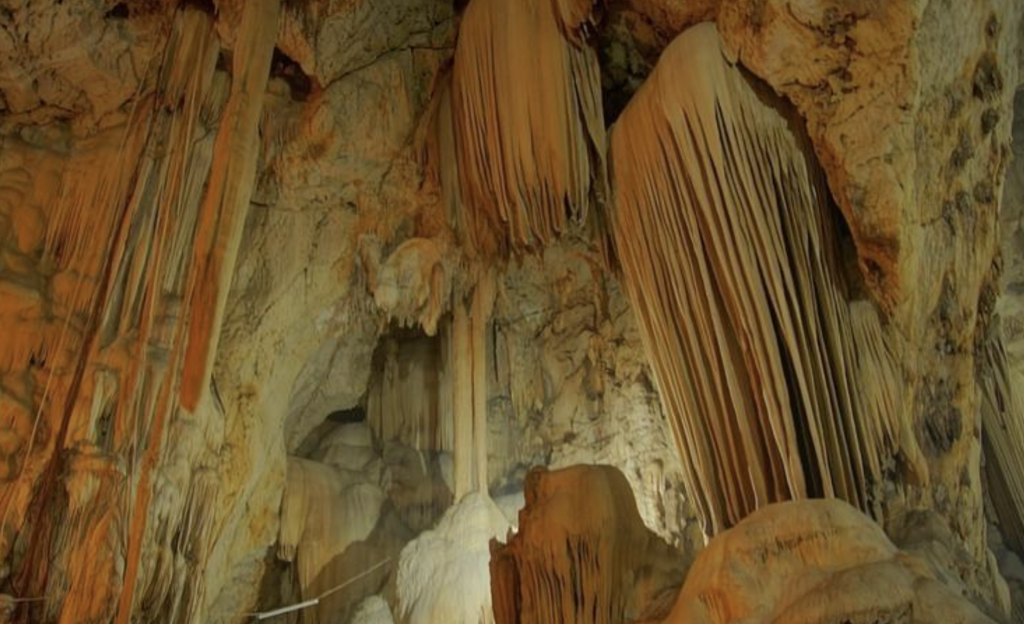
Wang Bahdan Cave is another captivating limestone cave within Erawan National Park, known for its impressive chambers and rock formations. The cave offers visitors the chance to explore its vast interiors, which are adorned with spectacular stalactites, stalagmites, and columns.

Guided tours lead visitors through the cave’s labyrinthine passages, revealing hidden chambers and fascinating geological features along the way.

Wang Bahdan Cave provides a thrilling adventure for spelunkers and explorers, offering insights into the park’s geological history and showcasing the beauty of Thailand’s underground landscapes.

Phartat Cave

Phartat Cave is a fascinating limestone cave located within Erawan National Park, offering visitors the opportunity to explore its intriguing geological formations and underground chambers.

The cave features intricate stalactites and stalagmites formed over thousands of years, creating a mesmerizing subterranean landscape. Visitors can embark on guided tours to navigate through the cave’s passages, marveling at its natural beauty and learning about its geological history.

Phartat Cave provides a unique and adventurous experience for spelunkers and nature enthusiasts, adding an element of excitement to their visit to Erawan National Park.

Popular

Popular

Erawan National Park is a treasure trove of wildlife, where diverse species flourish in its lush habitats, from dense forests to sparkling streams.

Asian Elephant
As a symbol of Thailand’s wildlife, the Asian Elephant is a majestic sight within the park, embodying the wild and natural beauty of Erawan.

Gaur (Indian Bison)
The formidable Gaur, Asia’s largest bovine, roams the park’s more secluded areas, showcasing the rich biodiversity and the importance of conservation efforts.

Siamese Fireback
This striking bird, with its vivid plumage, is Thailand’s national bird and a highlight for birdwatchers exploring Erawan’s diverse avian habitats.

King Cobra
The formidable King Cobra, the world’s longest venomous snake, slithers through the park, an apex predator in its ecosystem.

Spectacled Langur
Characterized by its distinctive eye patches, the Spectacled Langur is a peaceful primate, contributing to the park’s biodiversity through seed dispersal.

Malayan Tapir
With its unique black and white patterning, the Malayan Tapir is a nocturnal feeder, playing a key role in the park’s ecological balance.

Leopard Cat
Smaller and more elusive than leopards, the Leopard Cat thrives in the park’s dense underbrush, a testament to Erawan’s pristine habitats.

Wild Boar
Omnivorous and adaptable, Wild Boars play a significant role in the ecosystem, impacting forest floor dynamics and serving as prey for larger predators.

Hornbill
Known for their large, colorful bills and unique nesting habits, hornbills are crucial for seed dispersal, enhancing the park’s forest regeneration.

Butterfly Species
Erawan is home to an array of beautiful butterflies, their colors and patterns a testament to the park’s ecological diversity and health.

Erawan National Park’s array of wildlife, from the majestic Asian Elephant to the vibrant butterflies, showcases the incredible biodiversity of Thailand’s protected areas.

Things To Do

Engaging Erawan National Park
Hiking

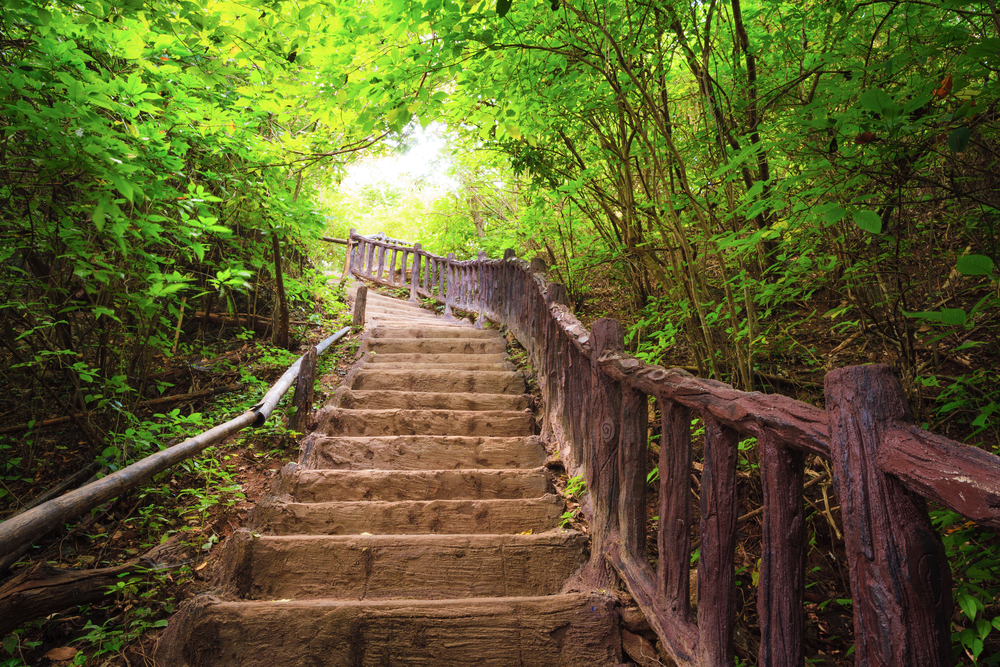
Embark on a scenic hike through the lush jungle trails of Erawan National Park to reach the iconic Erawan Falls. As you trek through the forest, you’ll encounter stunning flora and fauna before arriving at the seven-tiered waterfall.

Each tier offers picturesque views and inviting pools for swimming and relaxation, making it a must-visit destination for nature lovers and adventure seekers alike.

Swimming

Cool off in the refreshing waters of the emerald-green pools at Erawan Falls. Take a dip in the crystal-clear water beneath each tier of the waterfall, surrounded by the natural beauty of the park. Swimming in the pools provides a rejuvenating experience amidst the tranquil ambiance of the jungle, offering a perfect respite from the tropical heat.

Hiking

Embark on a scenic hike through the lush jungle trails of Erawan National Park to reach the iconic Erawan Falls. As you trek through the forest, you’ll encounter stunning flora and fauna before arriving at the seven-tiered waterfall.

Each tier offers picturesque views and inviting pools for swimming and relaxation, making it a must-visit destination for nature lovers and adventure seekers alike.

Swimming

Cool off in the refreshing waters of the emerald-green pools at Erawan Falls. Take a dip in the crystal-clear water beneath each tier of the waterfall, surrounded by the natural beauty of the park. Swimming in the pools provides a rejuvenating experience amidst the tranquil ambiance of the jungle, offering a perfect respite from the tropical heat.

Erawan National Park Trails

Hiking amongst the forest and along the waterfall is the primary reason that people come to visit Erawan National Park.

placeholder

Erawan Falls Trail

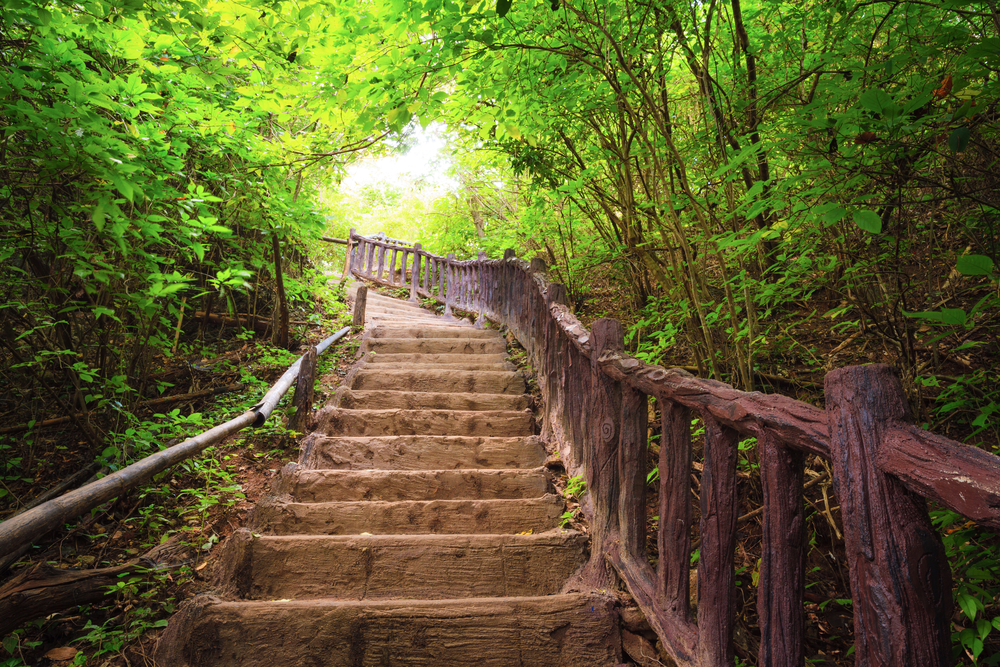
This is a 3.1-mile (4.99 km) trail out and back.  The trail travels upstream providing different views of the staircasing waterfall.  There is a staircase that makes the steeper part of the trail easier to navigate.

placeholder

Erawan Waterfall Trail

Rating: Moderate

Distance and Elevation Gain: Approximately 1.5 kilometers one way, with an elevation gain of about 200 meters to reach the top tier.

Description: This trail takes hikers past all seven tiers of the magnificent Erawan Waterfalls, with opportunities to swim in the emerald-green natural pools.

Each tier offers unique views and settings, from cascading falls to tranquil ponds.

The path is well-maintained with signs, but the trek to the upper tiers can be steep and slippery, requiring sturdy footwear.

placeholder

Nature Trail around the Second Tier

Rating: Easy to Moderate

Distance and Elevation Gain: About 2 kilometers round trip, with minimal elevation gain.

Description: A short loop that starts and ends at the second tier of the Erawan Falls, this trail offers a gentle hike through the park’s lush forest.

It’s an excellent opportunity to enjoy the tranquility of the jungle, spot wildlife, and see a variety of tropical plants.

This trail is perfect for those looking to experience the park’s natural beauty without the climb to the upper tiers.

placeholder

Cave Exploration Trail

Rating: Moderate to Difficult

Distance and Elevation Gain: Distances vary depending on the cave; some caves require a significant hike through the jungle and uphill climbs.

Description: Erawan National Park houses several caves, such as the Mi, Rua, and Wang Bah Dan Caves.

These trails offer adventurous hikers the chance to explore the park’s geological features, including impressive stalactites and stalagmites.

The hikes to these caves are more challenging and less frequented by tourists, offering a quiet escape into the park’s wilder parts.

placeholder

Pratat Cave Trail

Rating: Moderate

Distance and Elevation Gain: Approximately 1 kilometer one way, with a moderate elevation gain.

Description: Leading to Pratat Cave, this trail offers a moderate hike through dense forest, culminating in a visit to a large cave filled with Buddha images.

It provides a mix of natural beauty and cultural significance, offering a peaceful environment for reflection and meditation.

placeholder

Ta Duang Trail

Rating: Difficult

Distance and Elevation Gain: Around 4 kilometers one way, with significant elevation gain and challenging terrain.

Description: This trail is for the more adventurous, leading to the historic Ta Duang Cave paintings.

The hike is challenging, taking you through dense jungle and rugged terrain, but it rewards hikers with ancient cave paintings and spectacular views of the surrounding forest.

It’s a trek back in time and a test of endurance, recommended for experienced hikers.

placeholder

Erawan Waterfall Trail

Rating: Moderate

Distance and Elevation Gain: Approximately 1.5 kilometers one way, with an elevation gain of about 200 meters to reach the top tier.

Description: This trail takes hikers past all seven tiers of the magnificent Erawan Waterfalls, with opportunities to swim in the emerald-green natural pools.

Each tier offers unique views and settings, from cascading falls to tranquil ponds.

The path is well-maintained with signs, but the trek to the upper tiers can be steep and slippery, requiring sturdy footwear.

placeholder

Nature Trail around the Second Tier

Rating: Easy to Moderate

Distance and Elevation Gain: About 2 kilometers round trip, with minimal elevation gain.

Description: A short loop that starts and ends at the second tier of the Erawan Falls, this trail offers a gentle hike through the park’s lush forest.

It’s an excellent opportunity to enjoy the tranquility of the jungle, spot wildlife, and see a variety of tropical plants.

This trail is perfect for those looking to experience the park’s natural beauty without the climb to the upper tiers.

placeholder

Cave Exploration Trail

Rating: Moderate to Difficult

Distance and Elevation Gain: Distances vary depending on the cave; some caves require a significant hike through the jungle and uphill climbs.

Description: Erawan National Park houses several caves, such as the Mi, Rua, and Wang Bah Dan Caves.

These trails offer adventurous hikers the chance to explore the park’s geological features, including impressive stalactites and stalagmites.

The hikes to these caves are more challenging and less frequented by tourists, offering a quiet escape into the park’s wilder parts.

placeholder

Pratat Cave Trail

Rating: Moderate

Distance and Elevation Gain: Approximately 1 kilometer one way, with a moderate elevation gain.

Description: Leading to Pratat Cave, this trail offers a moderate hike through dense forest, culminating in a visit to a large cave filled with Buddha images.

It provides a mix of natural beauty and cultural significance, offering a peaceful environment for reflection and meditation.

placeholder

Ta Duang Trail

Rating: Difficult

Distance and Elevation Gain: Around 4 kilometers one way, with significant elevation gain and challenging terrain.

Description: This trail is for the more adventurous, leading to the historic Ta Duang Cave paintings.

The hike is challenging, taking you through dense jungle and rugged terrain, but it rewards hikers with ancient cave paintings and spectacular views of the surrounding forest.

It’s a trek back in time and a test of endurance, recommended for experienced hikers.

Park Protection

Erawan National Park was created by the Thailand government to protect Erawan Falls.  This is one of the most beautiful waterfalls in the country.  It was imperative to establish the protected area to prevent human encroachment.  The park also protects the surrounding wilderness which is home to a variety of flora and fauna.

FAQ’s

What is Erawan National Park known for?

Erawan Falls, which cascade down limestone cliffs into emerald-green pools. Visitors can hike through lush jungle trails to reach each tier, swim in the refreshing pools, and enjoy the serene natural beauty of the park’s landscapes.

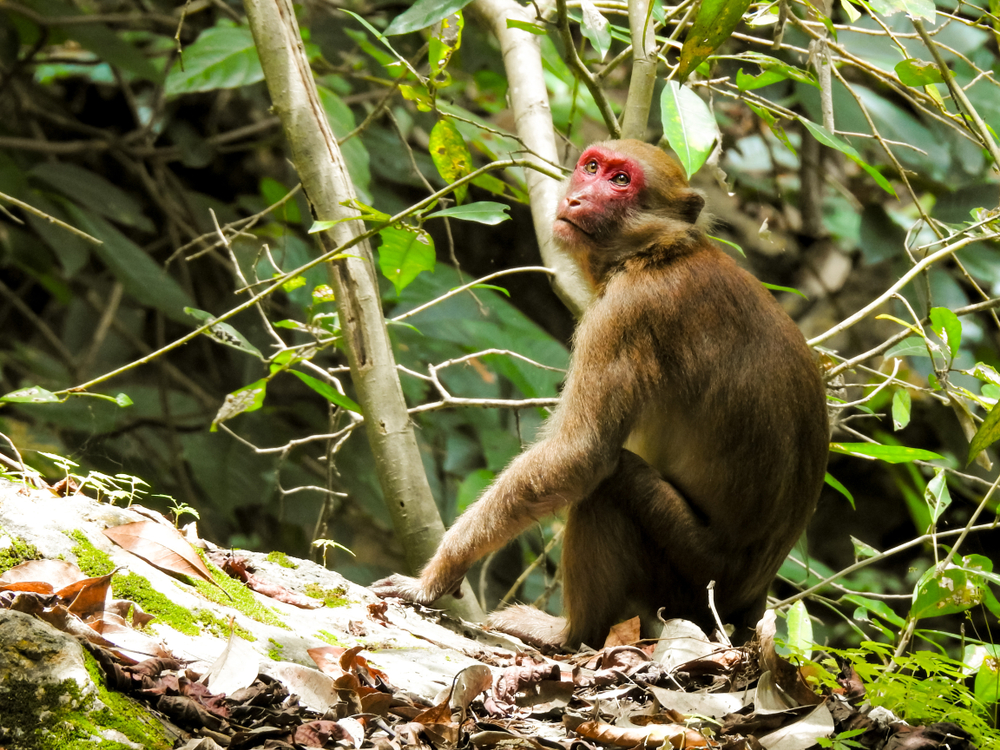
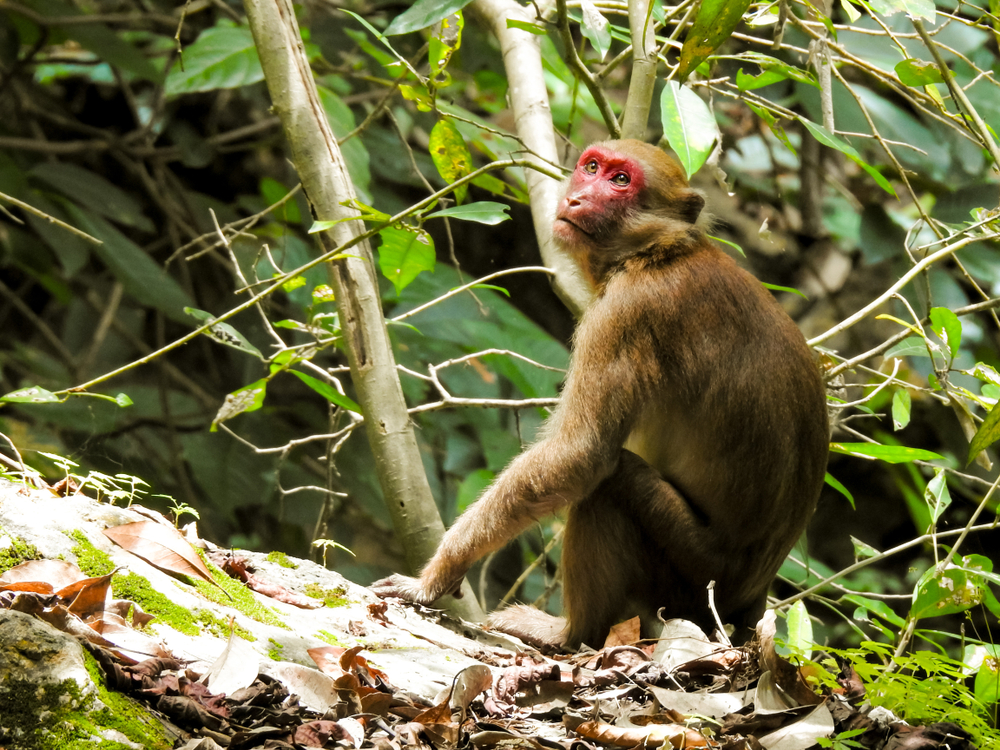
Additionally, Erawan National Park is known for its diverse wildlife, including macaques, deer, and various bird species, making it a popular destination for nature enthusiasts and outdoor adventurers seeking adventure amidst Thailand’s wilderness.

When is the best time to visit Erawan National Park?

The best time to visit Erawan National Park is during the dry season, which typically runs from November to February.

During this time, the weather is mild and pleasant, with average temperatures ranging from 70°F to 85°F (21°C to 29°C) during the day and dropping slightly at night.

The dry season offers optimal conditions for hiking, swimming, and outdoor activities, with less rainfall and lower humidity levels, providing comfortable experiences for visitors exploring the park’s natural attractions.

What is Erawan National Park known for?

Erawan Falls, which cascade down limestone cliffs into emerald-green pools. Visitors can hike through lush jungle trails to reach each tier, swim in the refreshing pools, and enjoy the serene natural beauty of the park’s landscapes.

Additionally, Erawan National Park is known for its diverse wildlife, including macaques, deer, and various bird species, making it a popular destination for nature enthusiasts and outdoor adventurers seeking adventure amidst Thailand’s wilderness.

When is the best time to visit Erawan National Park?

The best time to visit Erawan National Park is during the dry season, which typically runs from November to February.

During this time, the weather is mild and pleasant, with average temperatures ranging from 70°F to 85°F (21°C to 29°C) during the day and dropping slightly at night.

The dry season offers optimal conditions for hiking, swimming, and outdoor activities, with less rainfall and lower humidity levels, providing comfortable experiences for visitors exploring the park’s natural attractions.

Sources