About

Saadani National Park is located along the Indian Ocean coast of northeastern Tanzania between the cities of Dar es Salaam and Tanga. The park covers approximately 430 square miles (1,100 sq km) and is bordered by the Indian Ocean to the east.

Established as a national park in 2005, Saadani is Tanzania’s only national park where wildlife and ocean beaches meet. While it is geographically separated from many of Tanzania’s better-known parks, it complements nearby protected areas by preserving a unique coastal ecosystem rarely found elsewhere in East Africa.

Saadani National Park is best known for offering a safari experience unlike any other in Tanzania. It is one of the few places in Africa where visitors can observe elephants, giraffes, and antelope roaming near palm-lined beaches and the shores of the Indian Ocean. The park provides a combination of traditional game viewing, boat safaris, birdwatching, and beach experiences.

Visitors can explore the Wami River by boat, watching hippos and crocodiles while surrounded by mangroves and riverine forests. The contrast between coastal scenery and abundant wildlife creates a memorable experience that attracts travelers seeking something beyond the classic savanna safari.

The geography of Saadani National Park is exceptionally diverse. The park encompasses coastal grasslands, mangrove forests, sandy beaches, river estuaries, savannas, and acacia woodlands. The Wami River serves as one of the park’s most important natural features, flowing through the landscape before entering the Indian Ocean.

Along the coastline, beaches provide nesting habitat for marine turtles, while inland areas support extensive grasslands and woodlands. The mixture of freshwater, marine, and terrestrial environments creates a rich ecological mosaic that supports an impressive variety of plant and animal life. Seasonal rainfall patterns further influence the park’s habitats, transforming portions of the landscape throughout the year.

Wildlife viewing is one of Saadani’s primary attractions. The park supports populations of elephant, buffalo, giraffe, zebra, wildebeest, waterbuck, reedbuck, and several antelope species. Predators such as lion, leopard, and spotted hyena also inhabit the area, though they are often more difficult to observe.

The Wami River provides habitat for large numbers of hippos and Nile crocodiles. Birdlife is particularly abundant, with more than 300 recorded species including kingfishers, fish eagles, bee-eaters, herons, and numerous migratory birds. Along the coast, green turtles occasionally nest on protected beaches, adding another unique dimension to the park’s biodiversity.

Saadani National Park plays an important conservation role by protecting a rare intersection of marine, coastal, riverine, and savanna ecosystems. Few national parks in Africa preserve such a broad range of habitats within a single protected area. The park safeguards critical breeding and feeding grounds for birds, marine turtles, and large mammals while helping protect coastal ecosystems increasingly threatened by development.

In some respects, Saadani can be compared to unique coastal wildlife reserves such as iSimangaliso Wetland Park, where terrestrial and aquatic ecosystems converge to create exceptional biodiversity. As Tanzania’s only coastal national park, Saadani provides visitors with a rare opportunity to experience wildlife safaris alongside the beauty of the Indian Ocean while supporting the conservation of one of East Africa’s most distinctive natural landscapes.

Things to See

Predators

Saadani National Park, where the wild plains meet the Indian Ocean, is a unique ecosystem that supports a variety of formidable predators, making it one of Tanzania’s most distinctive wildlife destinations.

African Lion
The African lion is the park’s apex predator, roaming the savannah in prides, preying on zebras, buffalo, and other herbivores.

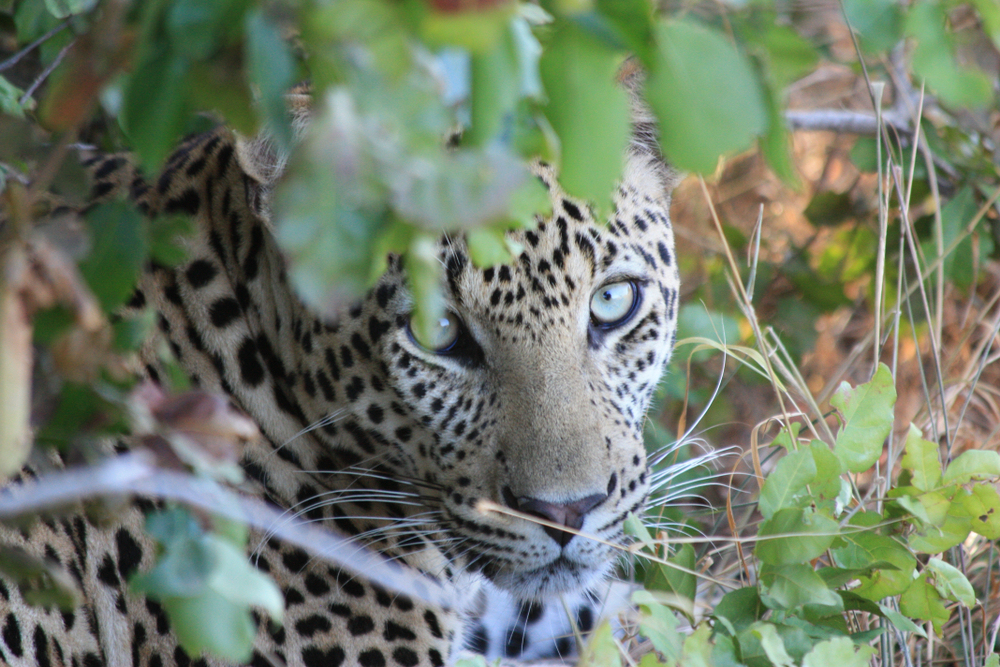
Leopard
Silent and stealthy, the leopard moves through Saadani’s forests and coastal thickets, often dragging its kill into the branches of a tree.

Spotted Hyena
Both hunter and scavenger, spotted hyenas roam the open plains and forest edges, using their powerful jaws to devour their prey entirely.

Cheetah
Saadani’s grassy plains provide the perfect hunting ground for cheetahs, who use their speed to chase down fleet-footed prey like impalas.

African Wild Dog
These highly endangered predators work together in well-coordinated packs to track and take down prey over vast distances.

Side-striped Jackal
Side-striped jackals are adaptable hunters, thriving in Saadani’s diverse terrain by preying on small mammals, reptiles, and insects.

Nile Crocodile
Camouflaged in the Wami River, Nile crocodiles wait patiently for unsuspecting animals to drink, striking with lethal speed.

Serval
The serval’s long legs and sharp reflexes allow it to leap high into the air to snatch rodents and small birds from the grasslands.

Honey Badger
Renowned for its tenacity, the honey badger hunts reptiles, small mammals, and insects, often fearlessly taking on larger adversaries.

Monitor Lizard
These opportunistic hunters stalk riverbanks and coastal areas, feeding on bird eggs, fish, and small mammals.

Popular

Saadani National Park’s scenic plains and coastal forests are home to an array of peaceful herbivores and other species that flourish in its diverse habitats.

African Elephant
Saadani’s elephants roam the forests and plains, often seen wandering to the beaches for a rare sight of elephants near the ocean.

Giraffe
Towering over the savannah, giraffes feed on treetop leaves with their long necks, creating an iconic silhouette against the coastal horizon.

Buffalo
Large herds of buffalo graze across Saadani’s grasslands, forming a vital part of the park’s dynamic ecosystem.

Warthog
These sturdy creatures forage with their snouts, their upright tails and quick sprints adding charm to the park’s open plains.

Waterbuck
Often found near the Wami River, waterbucks graze on lush grasses, relying on wetlands for protection from predators.

Hippopotamus
Hippos dominate Saadani’s waterways, spending their days submerged in the Wami River to escape the midday heat.

Zebra
Zebras graze in herds across Saadani’s grasslands, their black-and-white stripes blending beautifully into the coastal savannah.

Reedbuck
This shy antelope prefers tall grasses near water, where it browses quietly and remains alert to the presence of predators.

Bohor Bushbuck
Bushbucks thrive in Saadani’s forest edges and thickets, feeding on leaves and blending perfectly into their shaded habitats.

Sykes’ Monkey
In Saadani’s forests, Sykes’ monkeys forage for fruits and leaves, their agile movements creating bursts of activity in the canopy.

Birds

With its combination of coastal wetlands, riverbanks, and forests, Saadani National Park is a haven for birdwatchers, supporting a wealth of both resident and migratory species.

Greater Flamingo
Graceful flocks of flamingos gather in Saadani’s coastal estuaries, wading in the shallows while feeding on algae and crustaceans.

African Fish Eagle
Soaring above the Wami River, the African fish eagle’s powerful call marks its dominance as it hunts for fish.

Mangrove Kingfisher
This coastal kingfisher is often seen perched near mangroves, diving swiftly to catch small fish and crabs.

Yellow-billed Stork
Common near the riverbanks, the yellow-billed stork sweeps its bill in shallow waters to catch aquatic prey.

Malachite Kingfisher
Bright and vibrant, the malachite kingfisher hovers gracefully above water before plunging to catch small fish.

White-fronted Plover
The white-fronted plover scurries along Saadani’s sandy shores, feeding on tiny invertebrates near the waterline.

Black Heron
This heron uses its wings to create shade, luring fish closer before striking with precision.

African Openbill Stork
The openbill stork thrives in wetlands, using its uniquely adapted bill to extract snails and mollusks.

Palm-nut Vulture
Often spotted along coastal palm forests, the palm-nut vulture feeds on fruits, especially oil palm nuts.

Collared Pratincole
This elegant bird is often seen in open areas, hawking for insects in the air or resting along muddy shorelines.

Things To Do

Engaging Saadani National Park

placeholder

Boat Safaris

placeholder

Nature Walks

placeholder

Safaris