

About
Rubondo Island National Park is located in the southwestern waters of Lake Victoria in northwestern Tanzania. The park covers approximately 176 square miles (457 sq km), including Rubondo Island and several smaller surrounding islands. Established in 1977, it is Tanzania’s only island national park and one of the most unique protected areas in Africa.
Situated near the borders of Uganda and Rwanda, the park protects a remarkable combination of tropical forests, wetlands, and freshwater ecosystems. Its isolation within Africa’s largest lake has helped preserve an extraordinary diversity of wildlife and habitats rarely found together elsewhere on the continent.
Rubondo Island National Park is best known for its pristine island wilderness, rich birdlife, and unusual population of wild chimpanzees. Unlike traditional African safari destinations focused on open savannas, Rubondo offers a completely different experience centered on forests, lakeshores, and aquatic environments.
Visitors can enjoy guided forest walks, birdwatching, fishing, boating, and wildlife viewing along the island’s shoreline. The park’s remote setting creates a sense of exclusivity and tranquility that appeals to travelers seeking a more intimate connection with nature. Stunning lake views, secluded beaches, and dense forests combine to create one of Tanzania’s most distinctive national park experiences.
The geography of Rubondo Island National Park is dominated by rolling hills, forested ridges, rocky shorelines, sandy beaches, and extensive wetlands. The island receives abundant rainfall, supporting lush tropical vegetation that contrasts sharply with many of Tanzania’s drier landscapes.
Approximately eighty percent of the island is covered by forest, including indigenous evergreen forests, mixed woodland, and papyrus swamps. The surrounding waters of Lake Victoria play a vital role in shaping the park’s ecology, providing habitat for fish, aquatic birds, and countless other species. This combination of terrestrial and freshwater ecosystems creates a remarkable level of biodiversity within a relatively compact area.
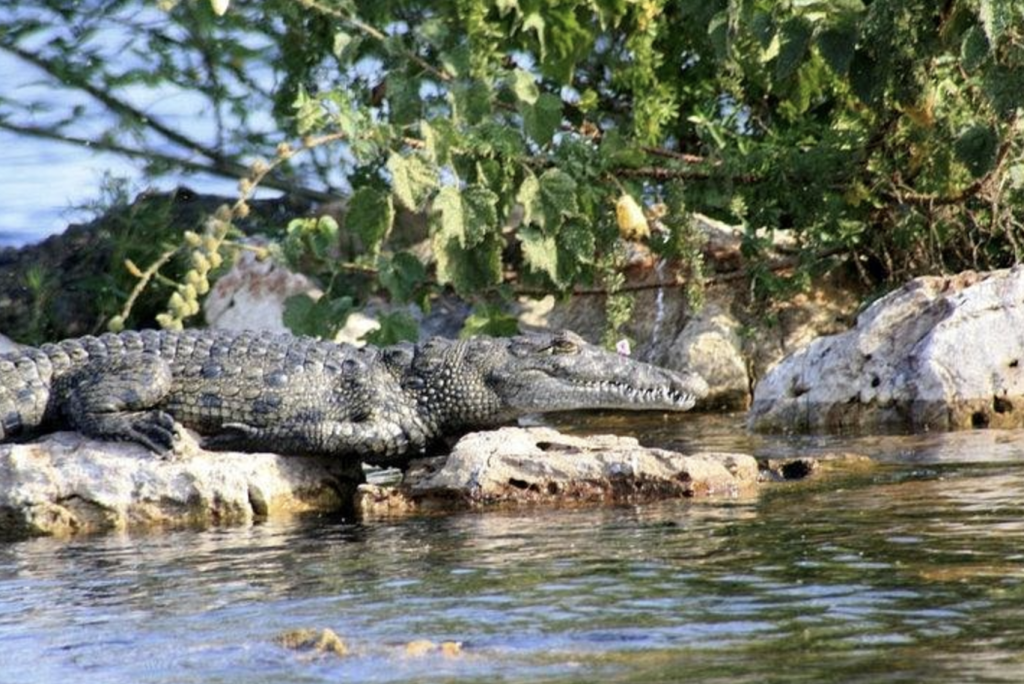
Wildlife is one of the park’s greatest attractions. Rubondo is famous for its population of chimpanzees, which were introduced as part of a conservation effort during the twentieth century and have since adapted successfully to the island environment. Other mammals include elephant, giraffe, sitatunga, bushbuck, vervet monkey, and the elusive spotted-necked otter. The waters surrounding the island support large populations of hippos and Nile crocodiles.
Birdwatchers are particularly drawn to the park, which hosts more than 400 recorded bird species. African fish eagles, pied kingfishers, herons, storks, hornbills, and the rare shoebill can sometimes be observed within the park’s diverse habitats. The variety of wildlife found on and around the island makes every visit unique.
Rubondo Island National Park plays an important conservation role by protecting both terrestrial and freshwater ecosystems within the Lake Victoria basin. The park safeguards critical habitat for numerous bird species, aquatic wildlife, and forest-dependent animals. Its chimpanzee population represents one of Africa’s most unusual conservation stories, while its wetlands and forests support species increasingly threatened by habitat loss elsewhere in the region.
In some ways, Rubondo can be compared to island conservation areas such as Mahé Island or Galápagos National Park, where isolation has helped preserve unique ecosystems and wildlife communities. Today, Rubondo Island National Park stands as a remarkable refuge for biodiversity and one of East Africa’s most distinctive protected landscapes.
Things to See
Things To Do
Engaging Rubondo Island National Park
