About

Kigosi National Park is located in western Tanzania, spanning portions of the Shinyanga, Tabora, and Kigoma regions. The park covers approximately 3,193 square miles (8,270 sq km), making it one of the largest national parks in Tanzania.

Established in 2019 after being upgraded from the Kigosi Game Reserve, the park forms part of an extensive wilderness landscape that includes the nearby Ugalla River National Park and other protected ecosystems in western Tanzania. Its vast wetlands, woodlands, and river systems create one of East Africa’s most important yet least-known conservation areas.

Kigosi National Park is best known for its extensive floodplains, seasonal wetlands, and remote wilderness character. Unlike the open savannas that dominate many of Tanzania’s famous safari destinations, Kigosi offers visitors a landscape shaped by water and dense vegetation.

The park’s isolation has helped preserve large areas of habitat that remain largely untouched by modern development. Visitors who venture into Kigosi discover a wild and authentic environment where wildlife thrives across expansive landscapes. The park’s rivers, marshes, and woodlands provide excellent opportunities for wildlife viewing, birdwatching, photography, and nature exploration in a setting far removed from crowded tourist routes.

The geography of Kigosi National Park is dominated by wetlands, floodplains, rivers, and miombo woodlands. The Malagarasi River system, one of Tanzania’s most significant river networks, influences much of the park’s ecology. Seasonal flooding nourishes extensive marshes and grasslands that support a remarkable variety of wildlife.

Dense stands of miombo woodland cover large portions of the park, interspersed with open plains, riverine forests, and wetland habitats. During the rainy season, water transforms much of the landscape, creating a dynamic ecosystem that changes dramatically throughout the year. These diverse habitats support exceptional biological diversity and contribute to the park’s ecological importance.

Wildlife flourishes within Kigosi National Park. Large mammals include elephant, African buffalo, giraffe, zebra, topi, roan antelope, sable antelope, and numerous other herbivores. Predators such as lion, leopard, spotted hyena, and African wild dog also inhabit the park. The extensive wetlands provide critical habitat for hippos, crocodiles, and aquatic species that depend on permanent water sources.

Birdlife is especially abundant, attracting birdwatchers from around the world. Herons, storks, kingfishers, fish eagles, bee-eaters, and numerous migratory birds can be observed throughout the park’s wetlands and woodlands. The combination of terrestrial and aquatic habitats creates one of the richest wildlife communities in western Tanzania.

Kigosi National Park plays a vital role in protecting one of East Africa’s largest wetland ecosystems. The park safeguards critical habitat for threatened species while preserving ecological processes that sustain wildlife populations across a vast region. Its wetlands serve as important breeding, feeding, and migration areas for birds and other wildlife.

In terms of ecological significance, Kigosi can be compared to major African wetland conservation areas such as Okavango Delta and Bangweulu Wetlands, although it remains far less known internationally. As human pressures continue to increase across many parts of Africa, Kigosi National Park stands as a crucial refuge for biodiversity and a powerful example of Tanzania’s commitment to conserving large, functioning ecosystems for future generations.

Things to See

Predators

Kigosi National Park, a remote and expansive wetland wilderness in Tanzania, hosts an impressive array of predator species that rule its plains, woodlands, and waterways.

African Lion
The African lion dominates Kigosi’s grasslands, where prides work together to take down large prey, particularly herds of buffalo.

Leopard
Well-camouflaged and solitary, the leopard moves silently through the park’s dense woodlands, ambushing impalas and other small mammals.

Cheetah
The cheetah thrives in Kigosi’s open plains, using its lightning speed to chase down gazelles and outrun competitors.

Spotted Hyena
Spotted hyenas, known for their bone-crushing jaws, hunt in packs or scavenge remains left by other predators.

African Wild Dog
These endangered predators display extraordinary teamwork, using stamina and strategy to exhaust prey during long chases.

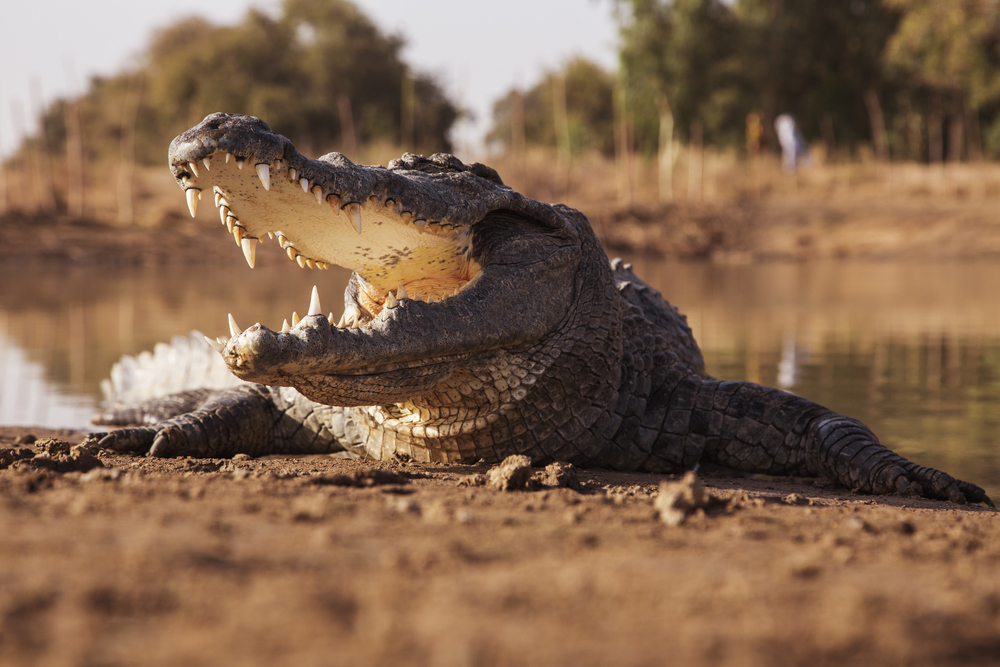
Nile Crocodile
The park’s rivers and marshes conceal Nile crocodiles, which ambush animals venturing too close to the water.

Serval
The serval’s slender build and acute hearing allow it to pounce on rodents and birds in Kigosi’s tall grasses.

Side-striped Jackal
A versatile hunter and scavenger, the side-striped jackal preys on small mammals, insects, and reptiles.

Honey Badger
Renowned for its tenacity, the honey badger digs out prey like snakes, insects, and small mammals with ferocious determination.

African Rock Python
This powerful snake constricts its prey, patiently lying in wait for unsuspecting antelope or small mammals near the water.

Popular

Kigosi National Park is equally celebrated for its abundant herbivores and other non-predatory species that contribute to its thriving wetland and savannah ecosystems.

African Elephant
Majestic herds of elephants roam Kigosi’s floodplains and forests, foraging on grasses, bark, and aquatic vegetation.

Cape Buffalo
Often seen in massive herds, Cape buffalo graze the park’s savannahs, their size deterring even the fiercest predators.

Hippo
Kigosi’s wetlands are teeming with hippos, who spend their days submerged in water and venture onto land at night to graze.

Giraffe
The park’s giraffes gracefully feed on the foliage of acacia trees, using their long necks to access treetop leaves.

Waterbuck
Waterbucks thrive near Kigosi’s wetlands and rivers, grazing on lush vegetation in the safety of their preferred habitats.

Topi
This reddish-brown antelope is often spotted in Kigosi’s open plains, where it grazes and keeps a vigilant eye for predators.

Impala
Elegant and agile, impalas form large herds that graze in the savannahs, ready to flee at the first sign of danger.

Zebra
Zebras, with their bold black-and-white stripes, often graze alongside other herbivores, blending into the savannah landscape.

Warthog
Warthogs forage for roots and grasses in Kigosi’s plains, their characteristic upright tails signaling alertness.

Bushbuck
The bushbuck quietly inhabits forested edges, feeding on shrubs and blending seamlessly into its surroundings.

Birds

Kigosi National Park’s wetlands, woodlands, and savannahs make it a haven for an extraordinary variety of birdlife, attracting both resident and migratory species.

Shoebill
This rare and prehistoric-looking bird thrives in Kigosi’s wetlands, where it patiently hunts fish and amphibians.

African Fish Eagle
A majestic presence in the park, the African fish eagle’s iconic call echoes over rivers and lakes as it hunts for fish.

Grey Crowned Crane
The grey crowned crane dances gracefully in wetlands, its golden crest adding a regal touch to its elegant movements.

Marabou Stork
This large, scavenging stork frequents the park’s water sources and plains, often soaring high in search of food.

Yellow-billed Stork
Wading through shallow water, the yellow-billed stork sweeps its bill to catch fish, frogs, and aquatic insects.

Secretary Bird
Known for its long legs and distinctive crest, the secretary bird stalks across the savannah, hunting snakes and small mammals.

Helmeted Guineafowl
These ground-dwelling birds forage in flocks across the park’s grasslands, their spotted plumage providing excellent camouflage.

Malachite Kingfisher
This small, brightly colored kingfisher dives swiftly into water to catch fish, a jewel of Kigosi’s wetland habitats.

African Jacana
The African jacana, with its long toes, appears to “walk on water” as it strides across floating vegetation in wetlands.

White-backed Vulture
As vital scavengers, white-backed vultures patrol Kigosi’s skies, descending swiftly to feed on carcasses left by predators.

Things To Do

Engaging Kigosi National Park

placeholder

Game Drives

Game drives across Kigosi’s expansive savannahs and woodland areas deliver exceptional wildlife encounters in one of Tanzania’s least-visited parks. Visitors traverse the open plains in sturdy 4×4 vehicles, spotting herds of elephants, Cape buffalo, and giraffes grazing in their natural habitats.

Predators like lions, leopards, and cheetahs can often be observed on the hunt or resting in shaded areas. Early morning and evening game drives offer the best opportunities to witness wildlife activity, with the soft light creating magical photographic moments.

Guides provide fascinating insights into the animals’ behaviors and the park’s ecology, ensuring a rewarding and educational safari experience.

placeholder

Boat Safaris

A boat safari in Kigosi National Park offers an immersive journey into its vast wetland ecosystems, where life thrives along the water’s edge.

Visitors glide through tranquil rivers, oxbow lakes, and marshes, observing hippos lounging in the water, Nile crocodiles basking on sunlit banks, and waterbucks grazing nearby. Bird enthusiasts will find themselves captivated by sightings of the rare shoebill, African jacanas, and malachite kingfishers.

The serenity of the water, combined with the calls of birds and distant wildlife, creates a peaceful yet vibrant experience. A boat safari provides close encounters with the park’s aquatic life and a fresh perspective on its breathtaking landscapes.

placeholder

Birdwatching

Kigosi National Park is a birdwatcher’s paradise, with its diverse habitats attracting an array of resident and migratory bird species. Guided birdwatching tours lead visitors through the park’s lush wetlands, where rare shoebills, African fish eagles, and yellow-billed storks thrive.

Woodland trails offer opportunities to spot helmeted guineafowls and secretary birds, while open plains reveal the dazzling colors of lilac-breasted rollers and bee-eaters. Guides share detailed knowledge of bird species, behavior, and migration patterns, enhancing the experience for novice and experienced birders alike.

With binoculars in hand and the soothing sounds of nature all around, this activity offers a serene and deeply rewarding connection to Kigosi’s avian life.