

About
Arusha National Park is located in northern Tanzania, just a short distance from the city of Arusha, making it one of the most accessible national parks in East Africa. Covering approximately 53 square miles (137 sq km), it is relatively small compared to many of Tanzania’s larger parks, yet it offers an extraordinary diversity of landscapes within its compact boundaries.
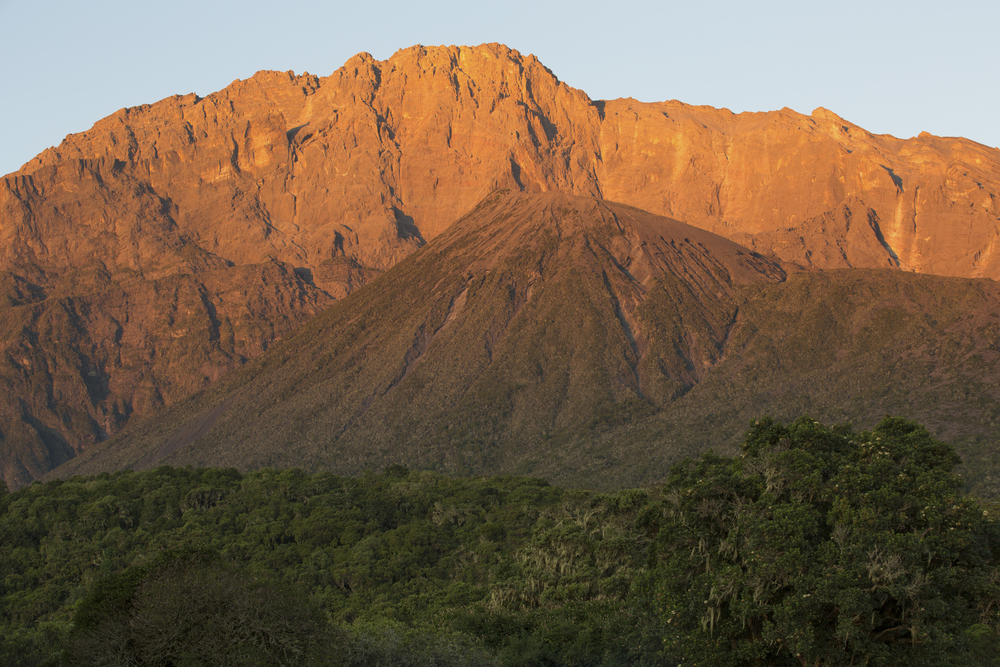
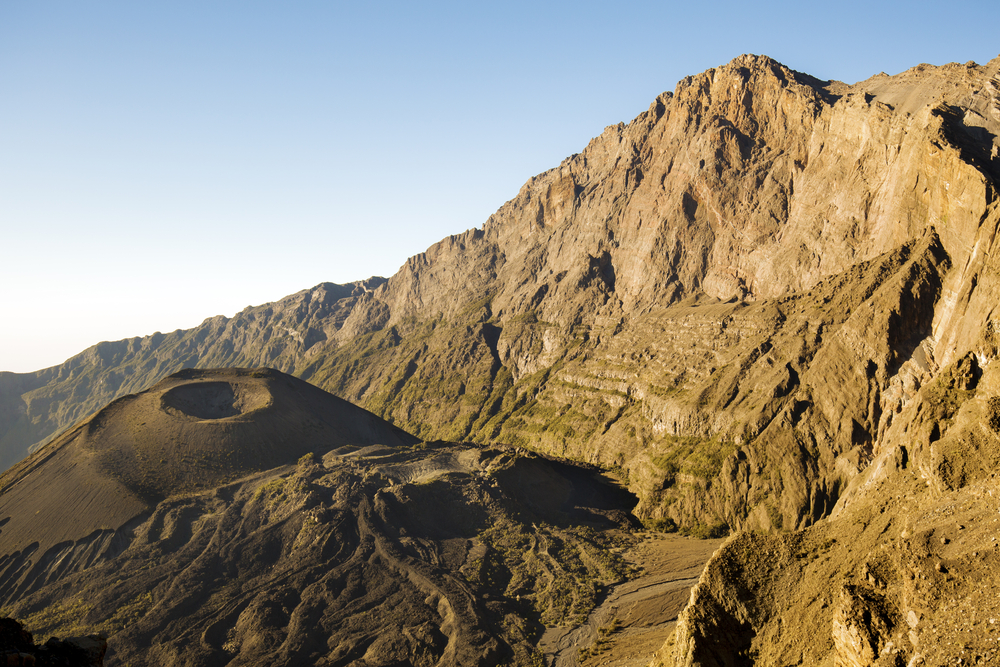
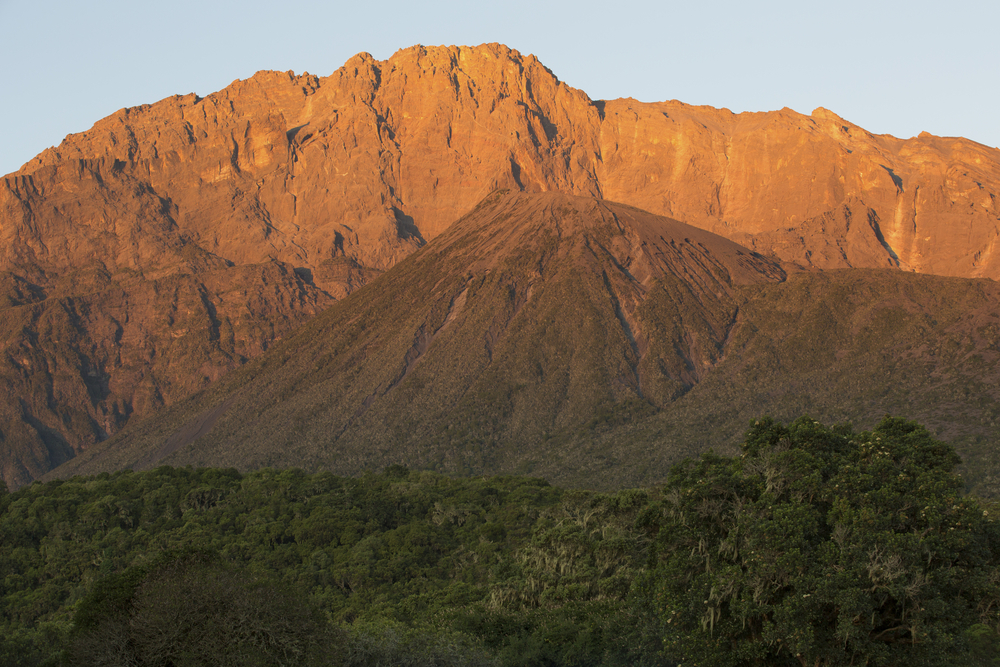
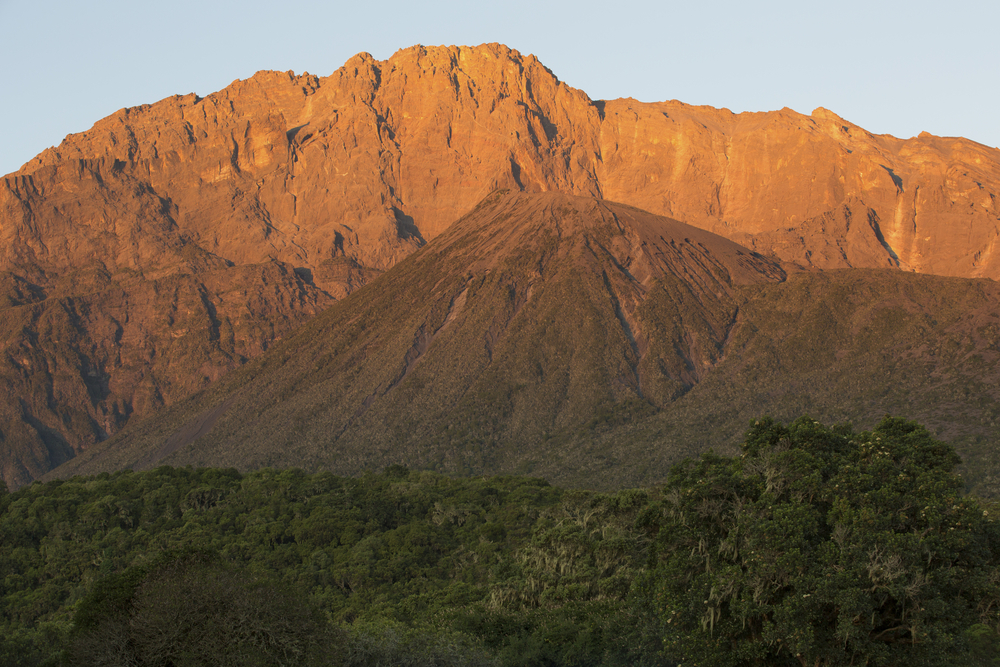
The park lies near the base of Mount Meru, Africa’s fifth-highest peak, which dominates the skyline and shapes much of the park’s environment. While it does not directly border another national park, it is part of the broader northern safari circuit that includes iconic destinations such as Serengeti and Ngorongoro.
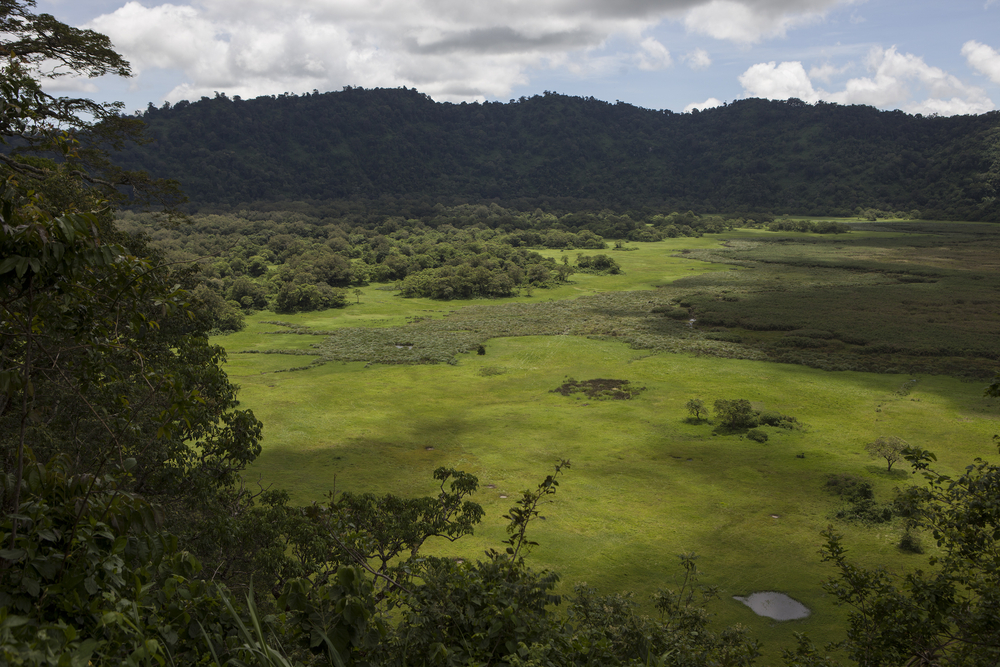
Arusha National Park is best known for its striking variety of scenery, ranging from lush montane forests to open savannas and shimmering alkaline lakes. One of its most distinctive features is the Ngurdoto Crater, often referred to as a “little Ngorongoro,” with its steep forested walls enclosing a marshy floor that supports a variety of wildlife.
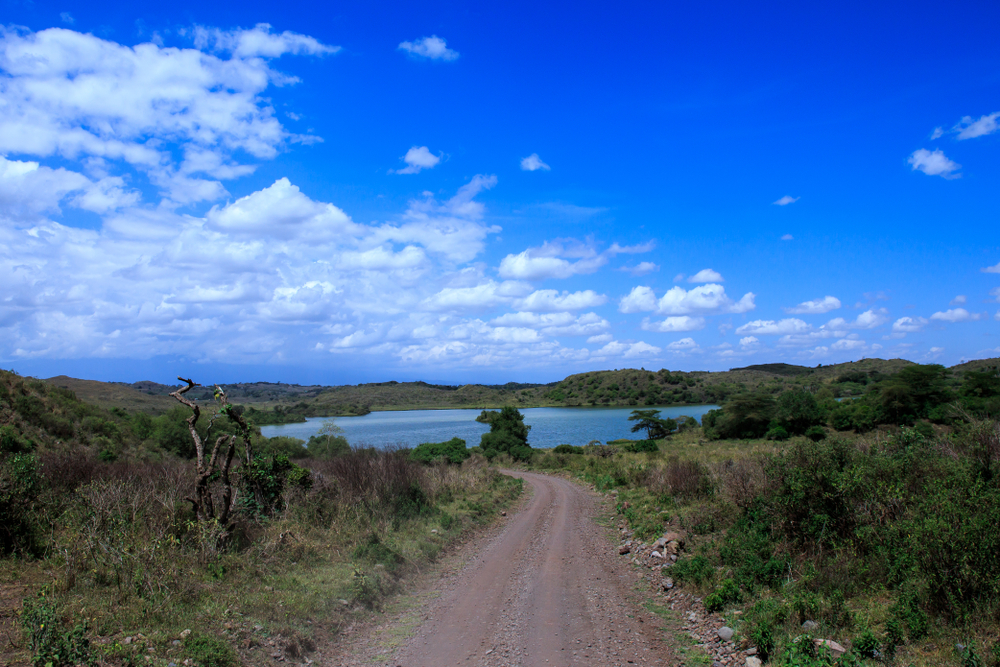
The Momella Lakes, a chain of shallow, alkaline lakes, add another layer of beauty and ecological richness, often attracting flocks of flamingos and other waterbirds. Mount Meru itself offers a dramatic presence and is a popular trekking destination, providing breathtaking views across the surrounding landscape and, on clear days, even glimpses of Mount Kilimanjaro in the distance.
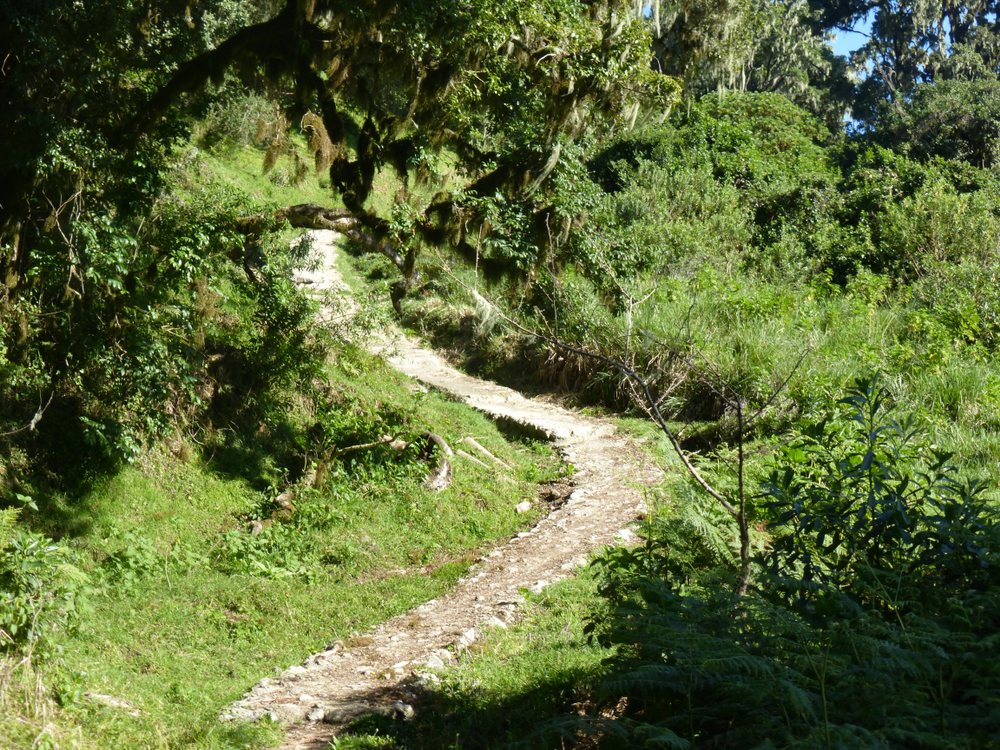
The geography of the park is shaped by volcanic activity and varied elevation, creating a mosaic of habitats within a relatively small area. Dense rainforests cover the lower slopes of Mount Meru, where towering trees and thick undergrowth create a cool, shaded environment. Higher up, the vegetation transitions into heath and moorland, while the lower-lying areas include grasslands and wetlands.
The alkaline lakes, fed by underground springs and seasonal rains, create important habitats for birdlife and contribute to the park’s dynamic ecological balance. This diversity of terrain allows visitors to experience multiple ecosystems in a single visit, each with its own unique character.
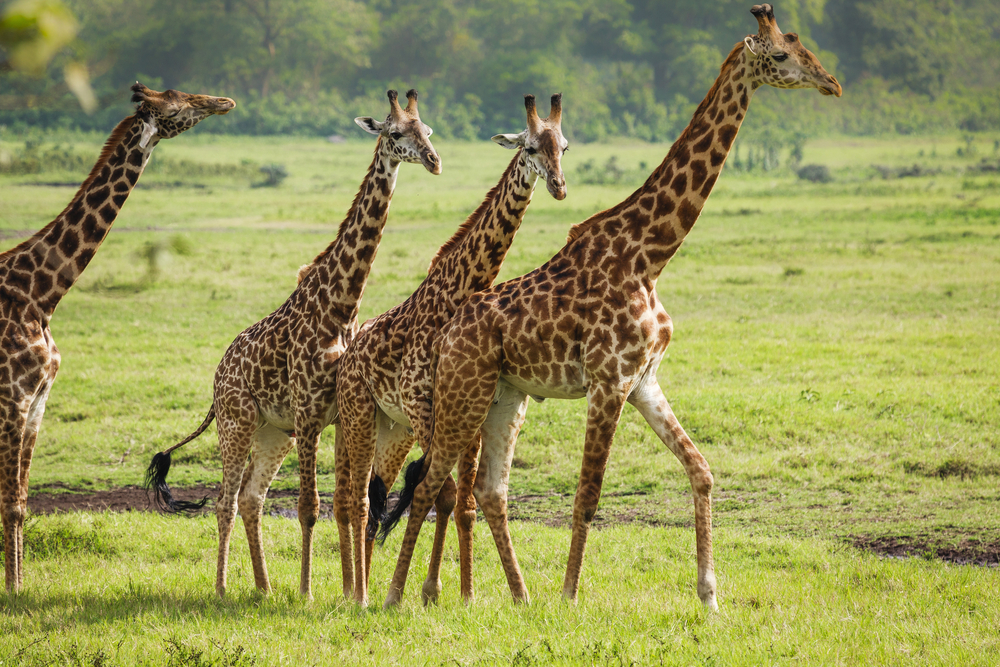
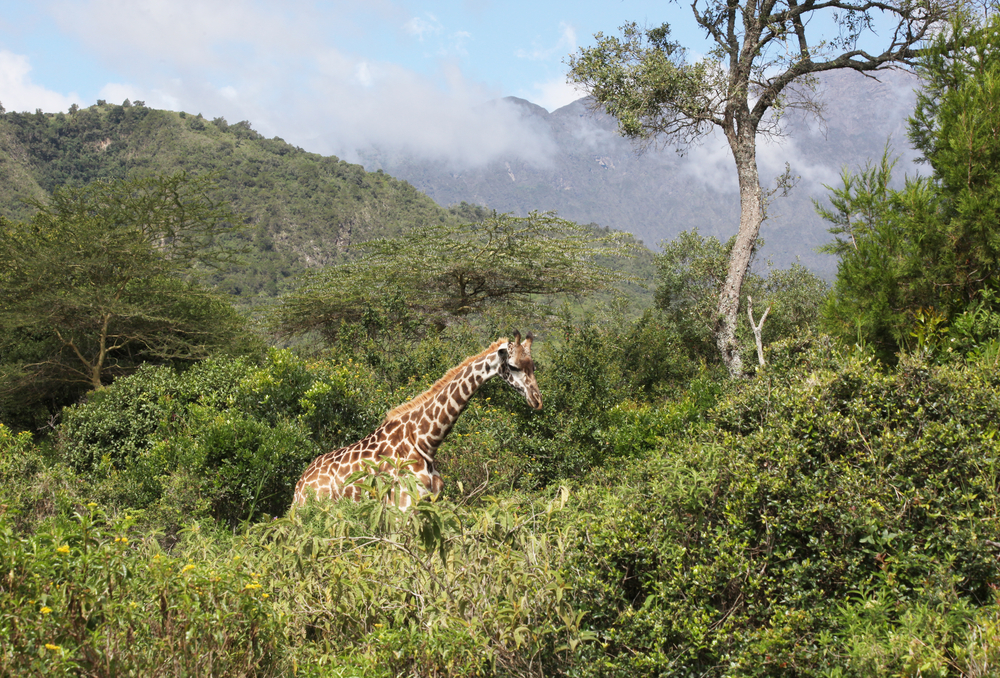
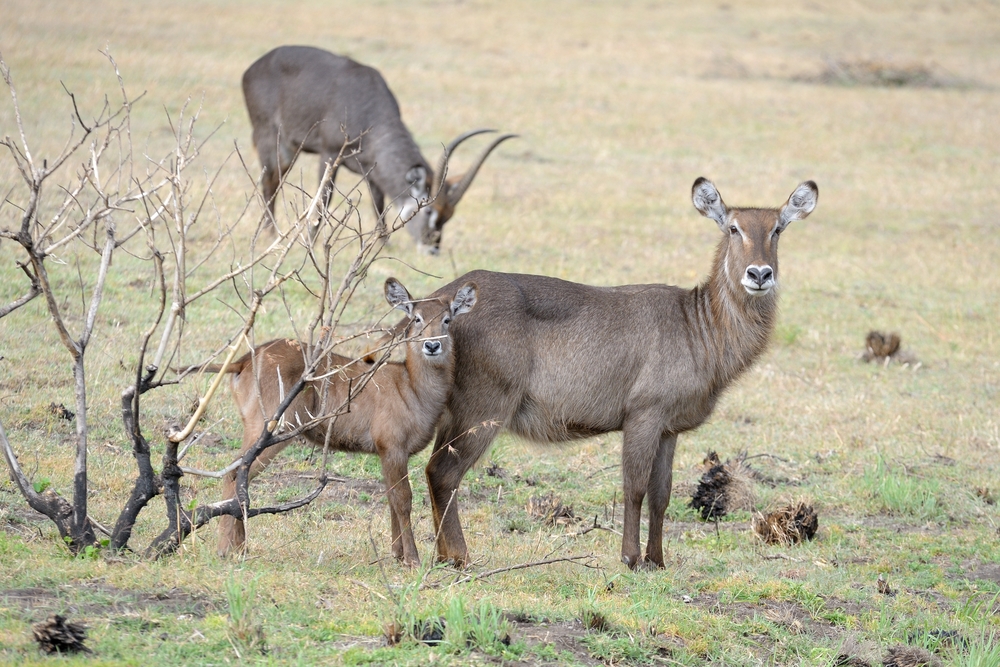
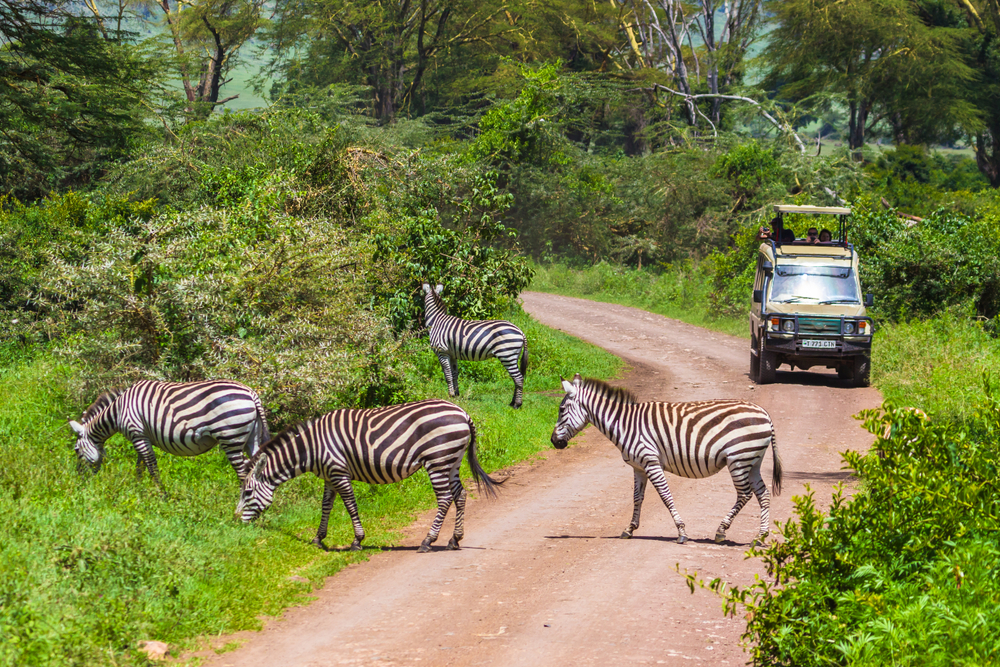
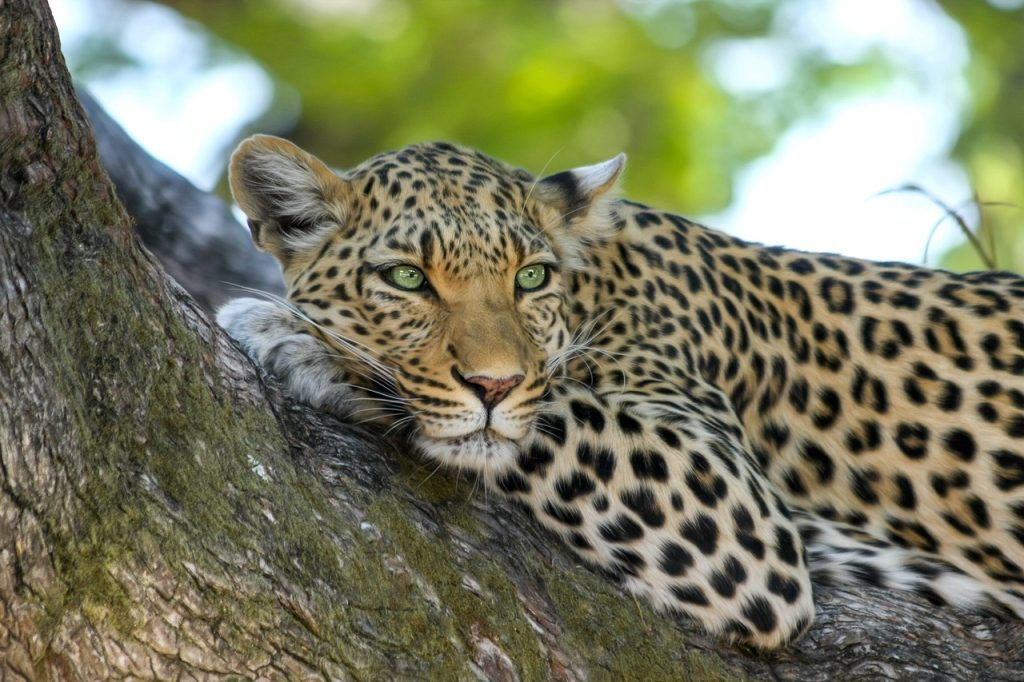
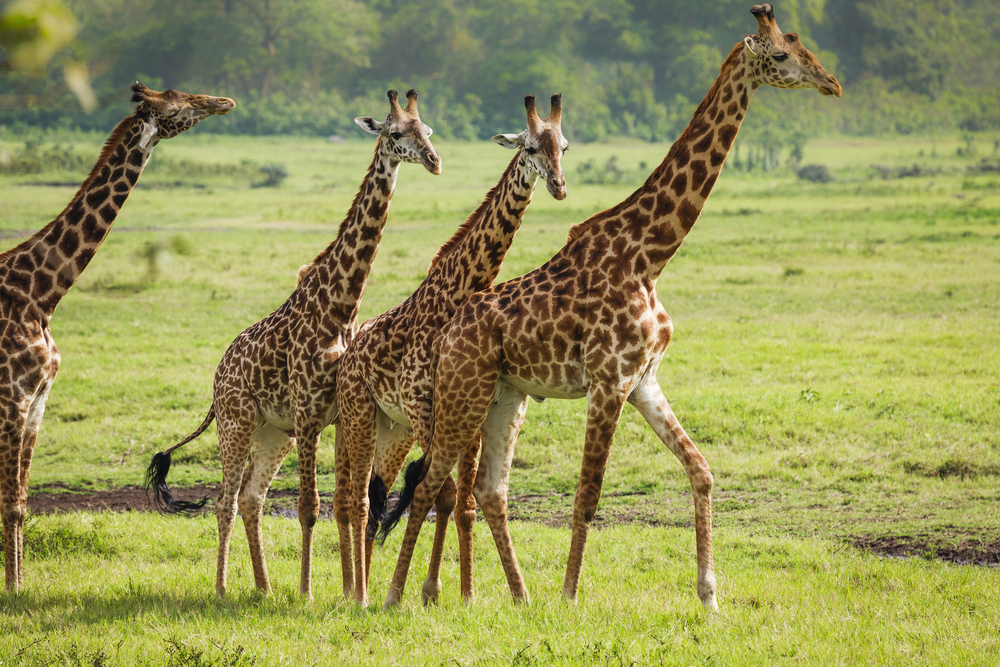
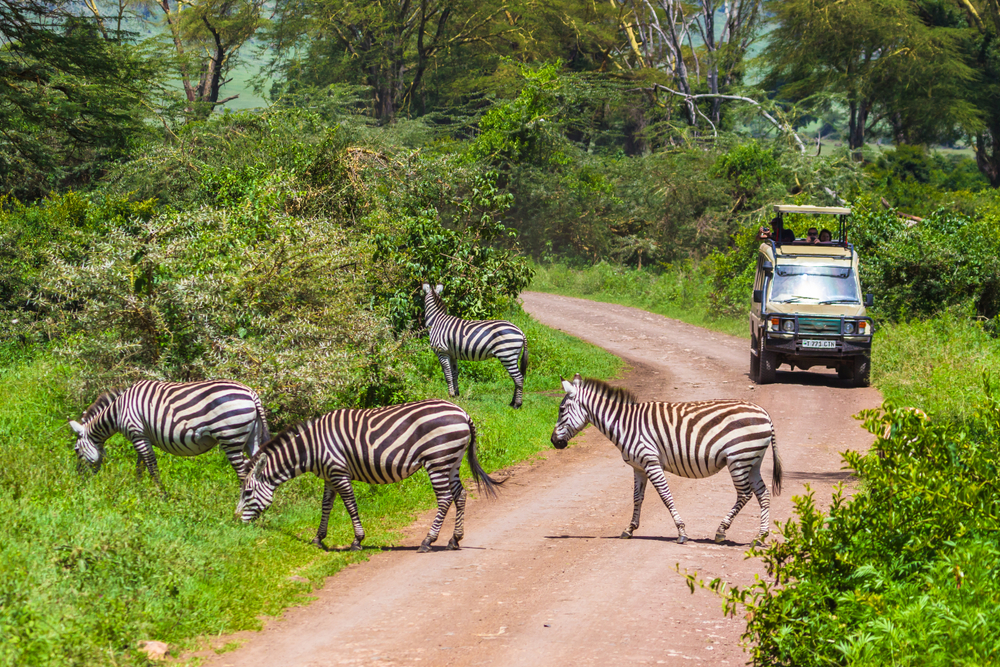
Wildlife in Arusha National Park is abundant, though it differs from the classic “Big Five” experience found in other Tanzanian parks. The park is particularly known for its populations of giraffes, which are often seen grazing peacefully across the open plains. Buffalo are common, especially in and around the Ngurdoto Crater, while smaller herbivores such as warthogs, zebras, and antelope species are also present.
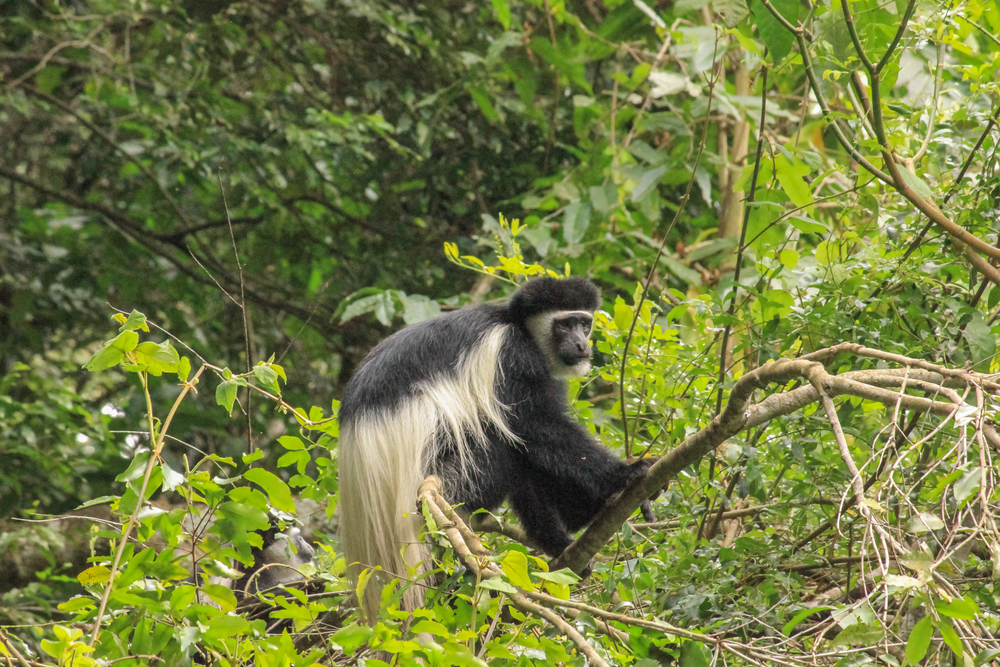
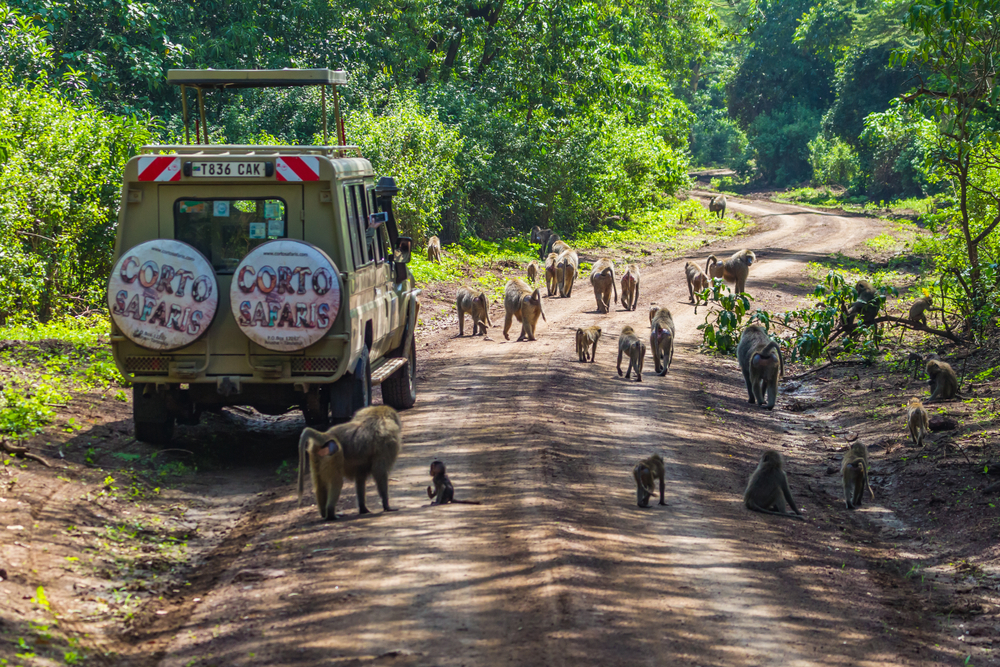
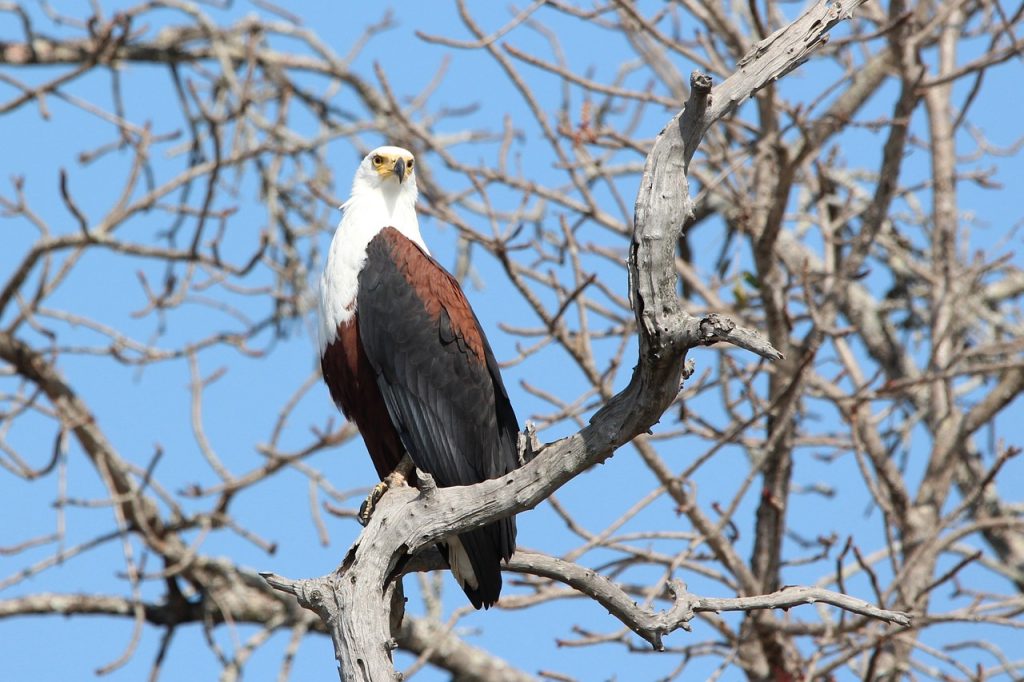
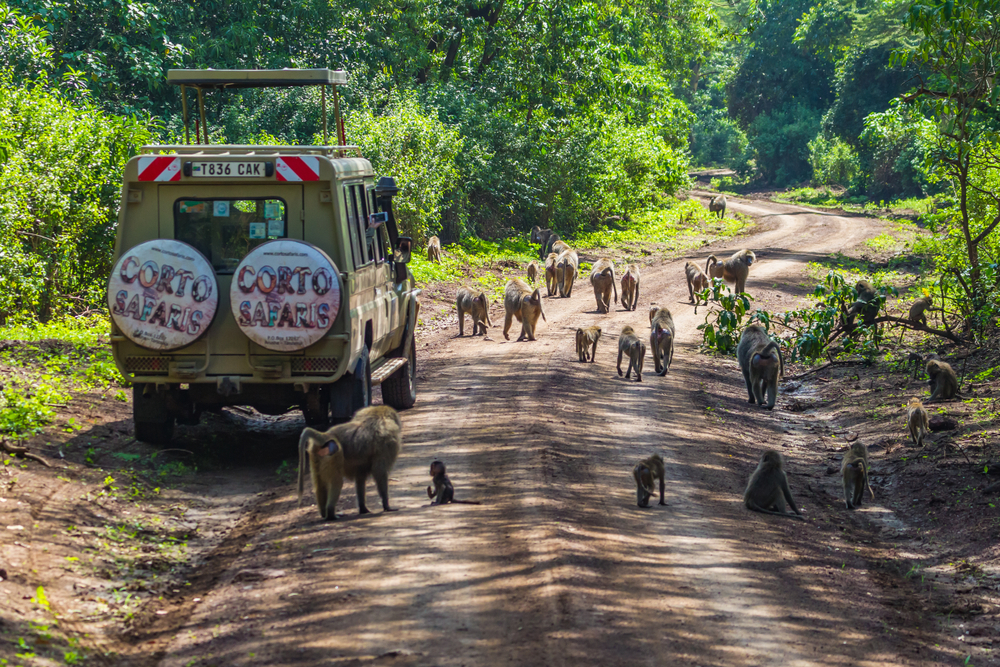
Primates are a highlight, with both blue monkeys and the striking black-and-white colobus monkeys inhabiting the forested areas. Birdlife is exceptionally rich, with hundreds of species recorded, including flamingos, herons, and a variety of forest birds, making the park a haven for birdwatchers.
Arusha National Park plays an important role in conserving a diverse range of ecosystems within a relatively small area, serving as a vital refuge for both wildlife and plant species. Its proximity to urban centers makes it especially valuable for environmental education and sustainable tourism, offering visitors an accessible introduction to Tanzania’s natural heritage.
The park also helps protect the watersheds and forests that support surrounding communities, contributing to both ecological stability and human well-being. On a global scale, Arusha demonstrates how even smaller protected areas can have a significant impact on conservation, preserving biodiversity while fostering a deeper appreciation for the natural world.
Photos
Things to See
Things To Do
Engaging Arusha

Arusha National Park Trails
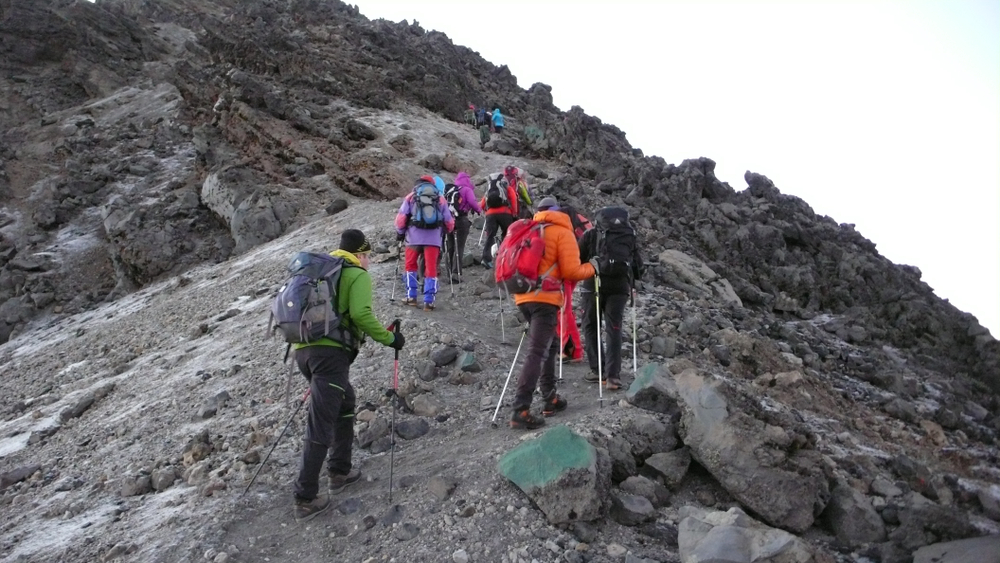
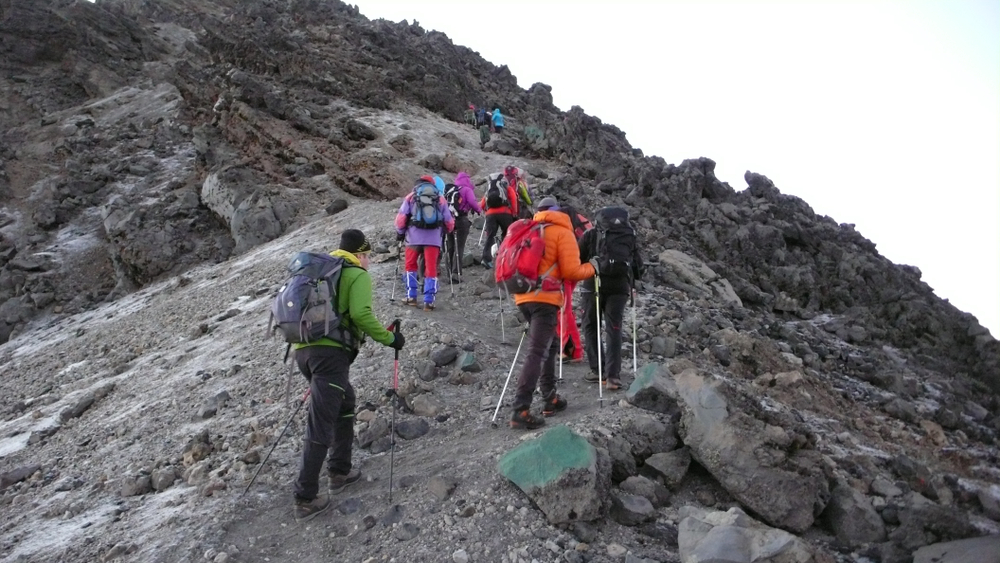
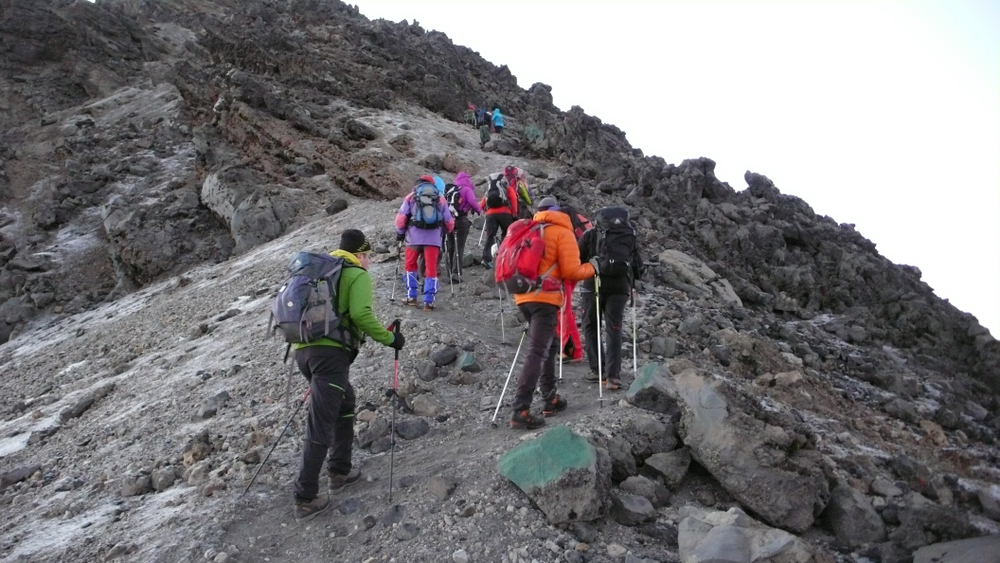
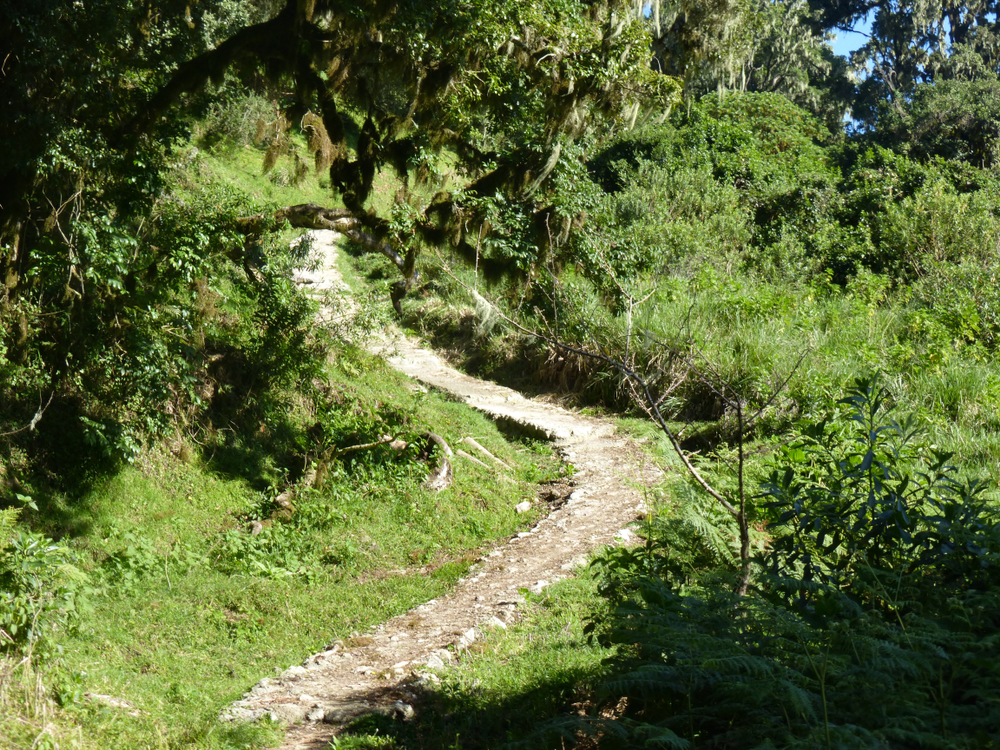
Climbing Mount Meru is one of the leading attractions and draws to the park. The Momella route starts at the gate located on the eastern side of the mountain. This is the route used to climb the mountain.
The best time to climb occurs between June and February with December through February offering the best chances to see Mount Kilimanjaro uncovered from the clouds. The Momella route routinely takes 4 days traveling a distance of 11.8 miles (19 km), however, there is a shorter more direct ascent that takes 3 days and travels a distance of 8.7 miles (14 km).
The longer route is more common allowing for better acclimatization and a little less strenuous. You will travel through montane forest, moorland, and then alpine desert before returning back down.
Park Protection
Arusha National Park was created to celebrate and protect the second tallest mountain in Tanzania as well as the habitat that surrounds the mountain which is home to the colobus monkey and many other wildlife species.
The national park is just outside the city of Arusha creating a tremendous wilderness escape for the citizens. The government established the protected area to ensure the future generations would be able to experience and celebrate the astounding mountain and exquisite wilderness.
Sources
- Kilimanjaro Trek Guide, Climb Mount Meru – Kilimanjaro’s Little Brother, https://www.climbkilimanjaroguide.com/climb-mount-meru/, retrieved December 2019.
- Lonely Planet, Arusha National Park, https://www.lonelyplanet.com/tanzania/northern-tanzania/arusha-national-park , retrieved December 2019.
- Shadows of Africa, Everything You Need to Know About Arusha National Park, https://www.shadowsofafrica.com/blog/everything-you-need-to-know-about-arusha-national-park/, retrieved December 2019.
- Tanzania Experience, Arusha National Park, https://www.tanzania-experience.com/destinations/arusha-national-park/, retrieved December 2019.
- Tanzania Tourist Board, Arusha National Park, https://www.tanzaniatourism.go.tz/en/destination/arusha-national-park, retrieved December 2019.