

About
Suakin Archipelago National Park (Arabic: منتزه أرخبيل سواكن البحري الوطني) is located in the Red Sea off the northeastern coast of Sudan near the historic port city of Suakin. Established in 2016, the marine national park encompasses approximately 580 square miles (1,500 sq km) of coral reefs, islands, seagrass beds, lagoons, and open marine waters.
The protected area lies within one of the most biologically rich sections of the Red Sea and serves as an important component of Sudan’s growing network of marine conservation areas. Together with nearby protected marine habitats along the Sudanese coast, the park safeguards ecosystems that are among the healthiest coral reef environments in the world.
The park is best known for its pristine coral reefs and exceptional underwater biodiversity. Unlike many reef systems that have experienced significant degradation, much of the Suakin Archipelago remains relatively undisturbed. Divers and marine researchers are attracted by crystal-clear waters, vibrant coral gardens, dramatic reef walls, and abundant marine life.
The archipelago consists of numerous small islands scattered across the Red Sea, creating a mosaic of habitats that support an extraordinary variety of species. These islands also provide important nesting grounds for seabirds and marine turtles, making the park a vital sanctuary for both terrestrial and marine wildlife.
Geographically, the park is characterized by coral-fringed islands, shallow lagoons, submerged reefs, and deep offshore waters. Warm temperatures, high water clarity, and stable marine conditions have allowed extensive coral reef systems to flourish. The islands themselves are generally low-lying, with sparse vegetation adapted to arid coastal conditions.
Beneath the surface, however, the marine environment is remarkably complex. Coral formations create intricate underwater landscapes that support countless fish, invertebrates, and other marine organisms. Seagrass meadows and sandy bottoms further contribute to the ecological diversity of the protected area.
Wildlife within Suakin Archipelago National Park is exceptionally diverse. More than 200 species of coral and hundreds of species of reef fish inhabit the park’s waters. Visitors may encounter angelfish, butterflyfish, parrotfish, groupers, snappers, and schools of colorful reef species.
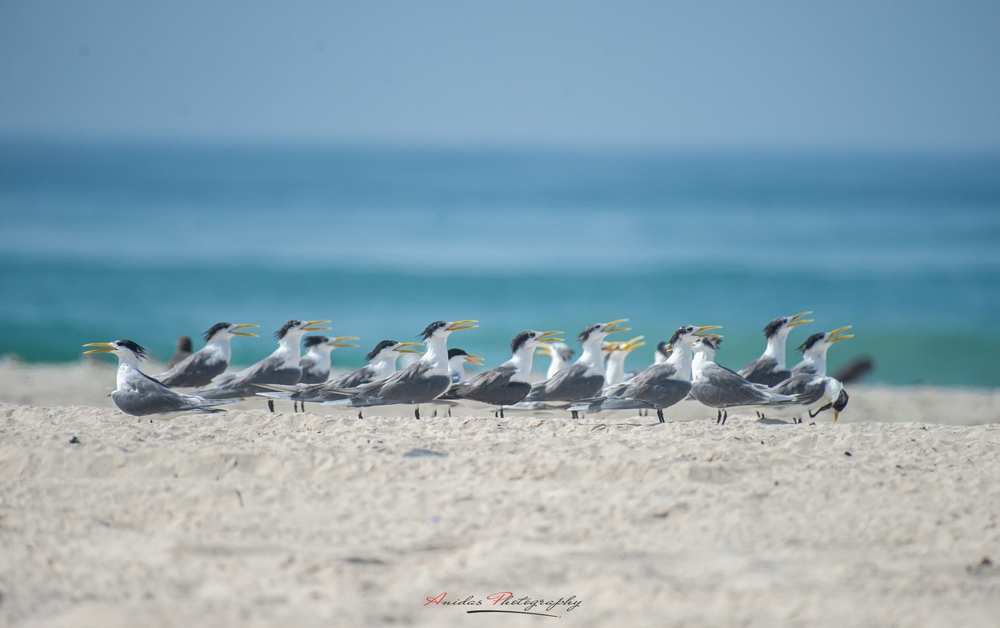
Larger marine animals include dolphins, dugongs, reef sharks, manta rays, and seasonal whale sharks. Green sea turtles and hawksbill turtles utilize beaches and surrounding waters for feeding and nesting. The islands also support important populations of seabirds, including terns, gulls, ospreys, and migratory species that travel along the Red Sea flyway.
The conservation importance of Suakin Archipelago National Park extends far beyond Sudan. The park protects one of the Red Sea’s most valuable coral reef ecosystems, providing refuge for species increasingly threatened by habitat degradation, overfishing, and climate change elsewhere. The relative health and resilience of these reefs have made them a focus of international scientific interest.
Ecologically, the park is often compared to world-renowned marine reserves such as Ras Muhammed National Park and Great Barrier Reef Marine Park because of its exceptional coral diversity and marine abundance. Through its vibrant reefs, nesting islands, rare marine species, and critical role in Red Sea conservation, Suakin Archipelago National Park stands as one of Africa’s most important marine protected areas and a remarkable treasure of the underwater world.
Things to See
Things To Do
Engaging Saukin Archipelago National Park
