

About
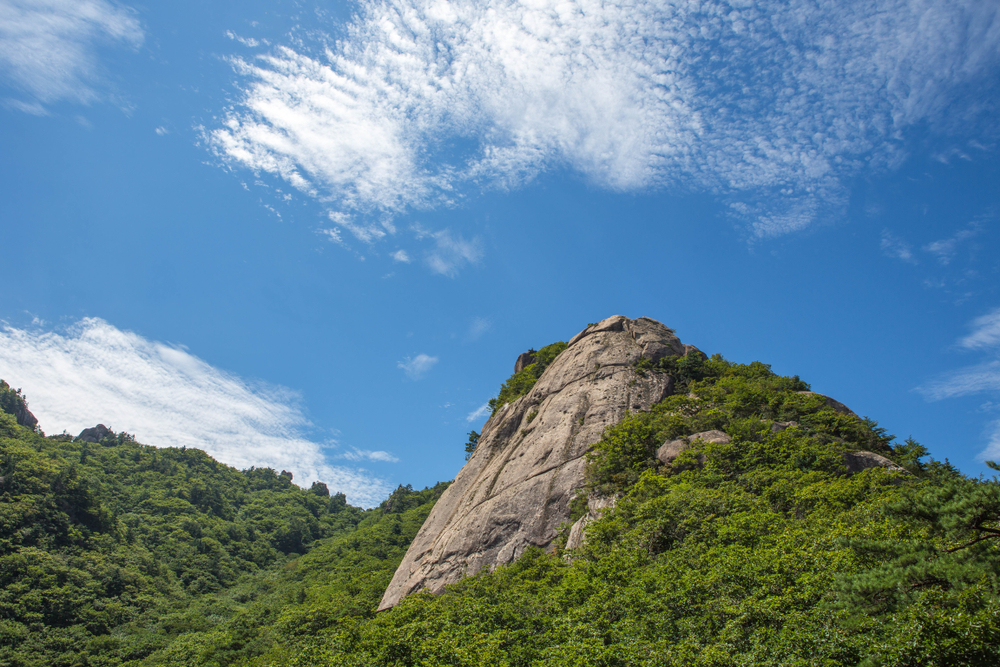
Songnisan National Park is located in the central part of South Korea. The national park encompasses an area of 106 square miles (274.54 sq km) and was the country’s sixth national park.
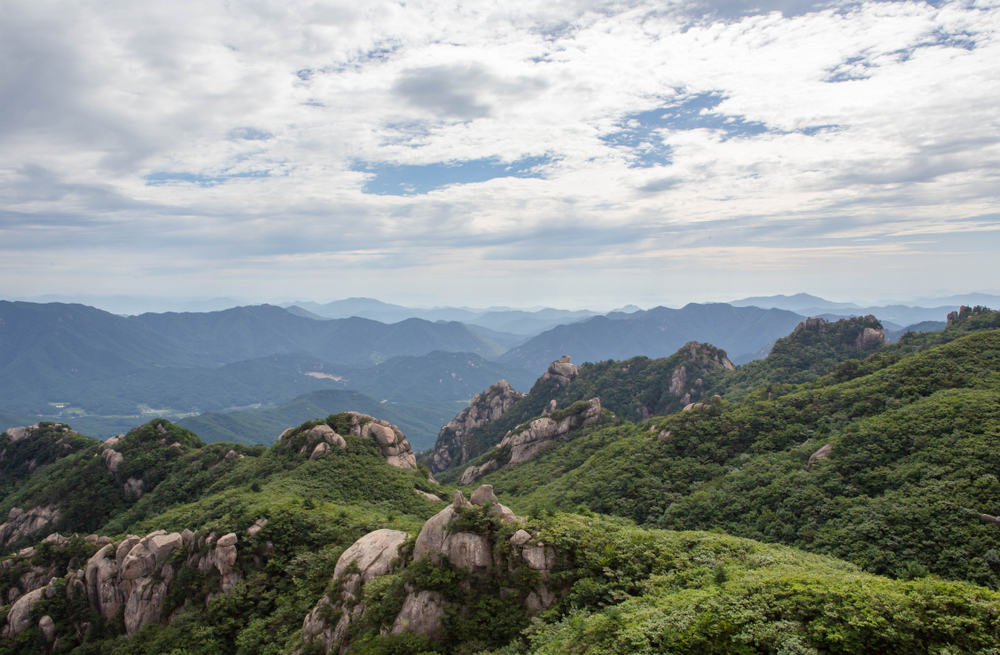
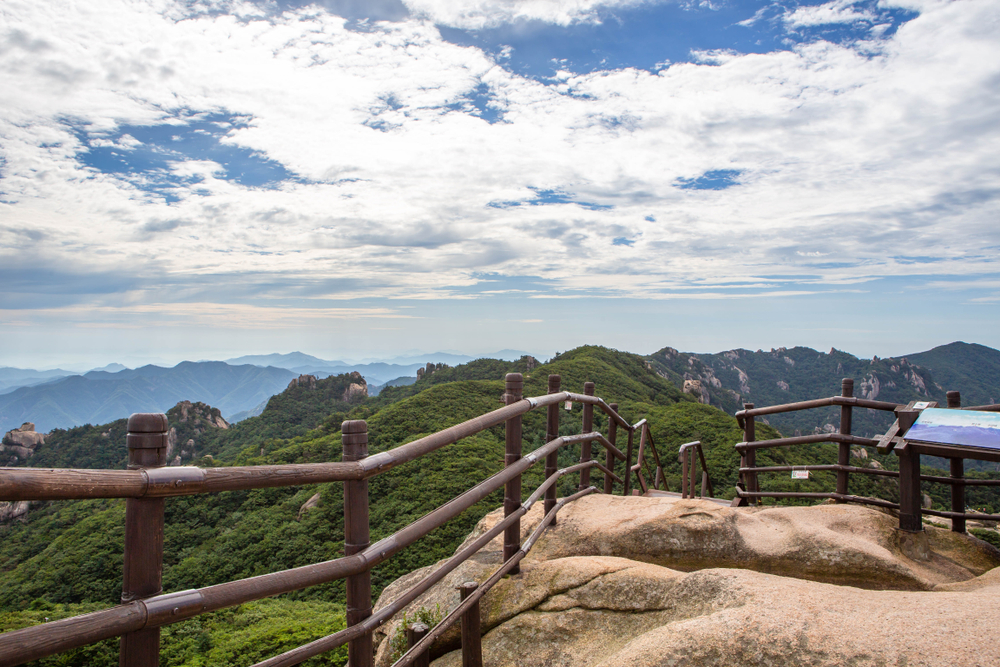
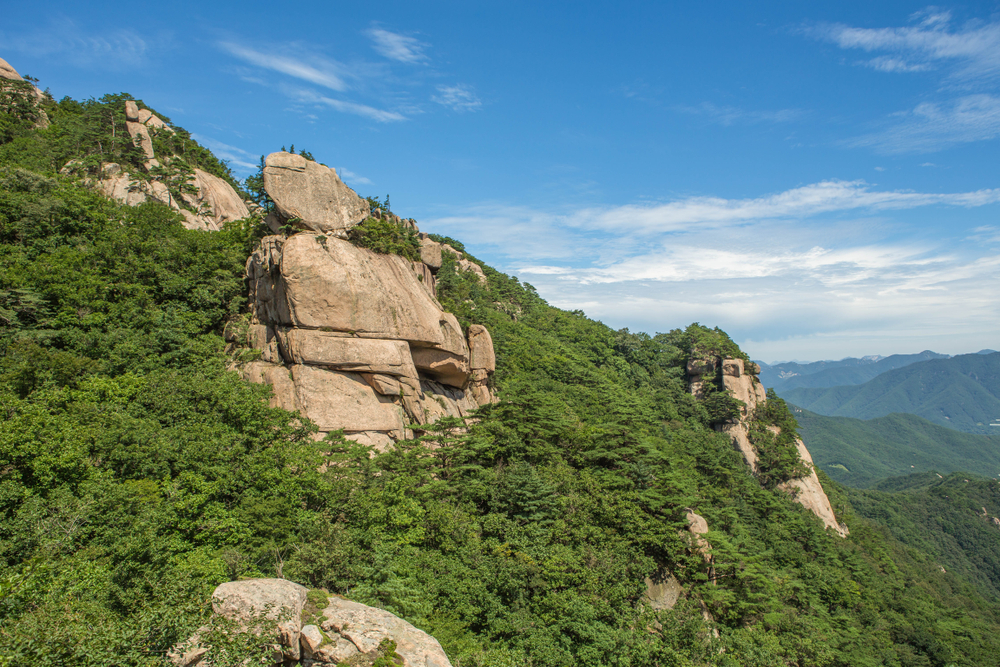
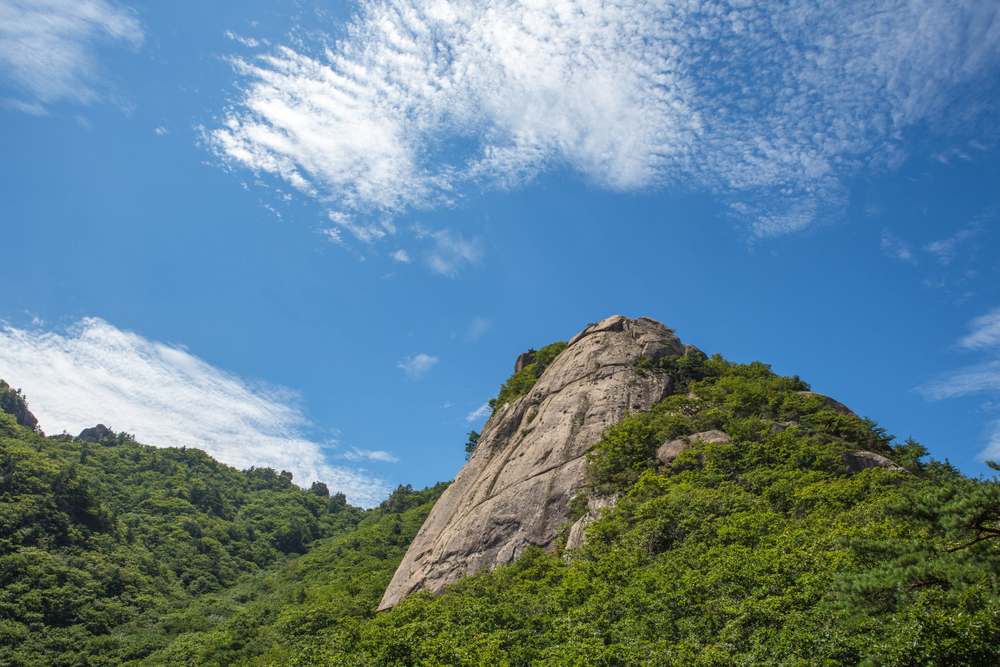
The national park is nestled in the middle of the Sobaek Mountains with the mountain named Songnisan serving as the focal point of the park. The mountain reaches a summit of 3,471 feet (1,058 m). The range is at the heart of South Korea.
The Jeongipumsong pine tree is one of the local favorites. It has special cultural history to the local people. The region is not know for wildlife, however, some of the favorite hopeful sightings include otter, marten, small-eared cat, and the flying squirrel. There are endemic bird species that complement the wildlife opportunities.
Photos

Things to See
Songnisan National Park Trails
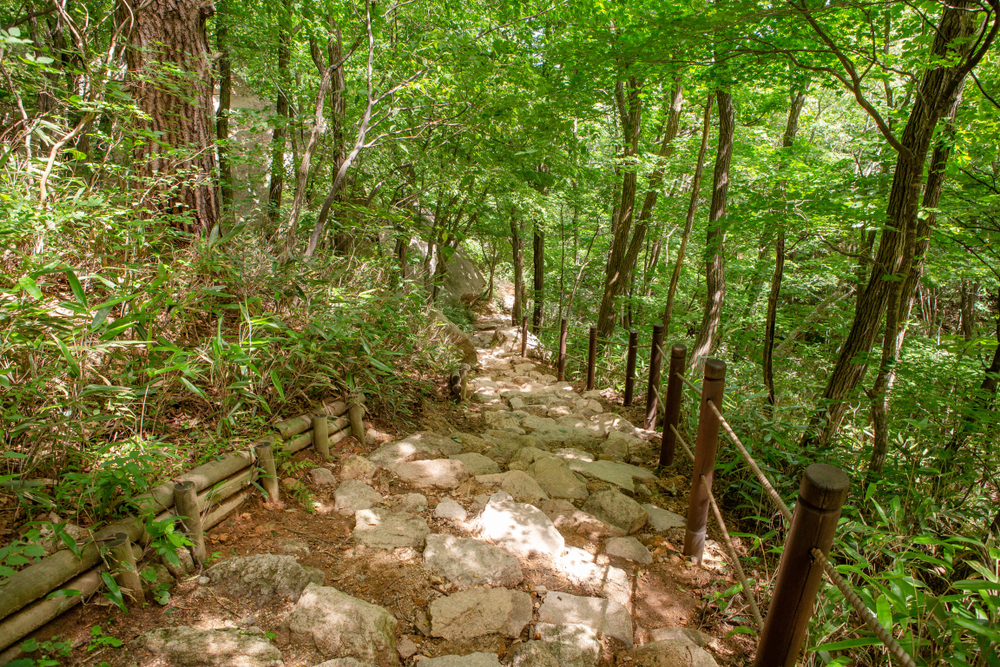
Hiking and walking around the incredible wilderness is one of the main activities for those exploring the national park. There are a number of trails ranging in difficulty. The majority are moderate to difficult in rating.

Park Protection
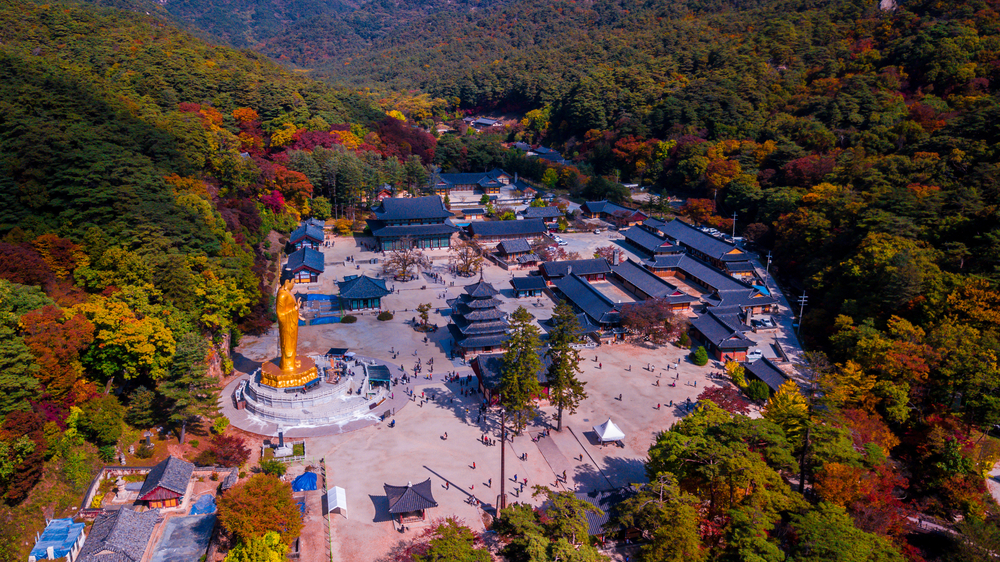
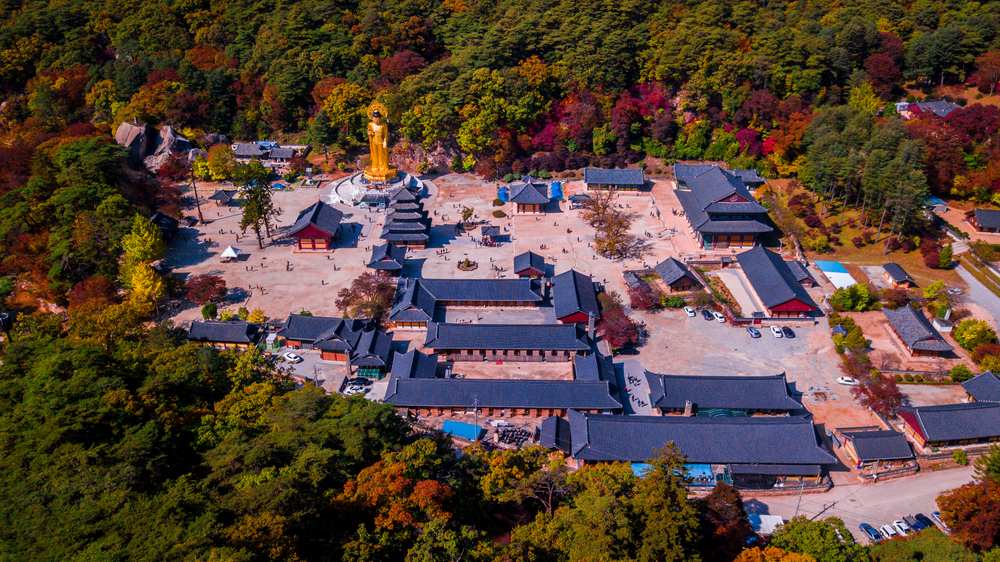
Songnisan National Park was established to protect the remarkable landscape found throughout the mountain range. Additionally, the park protects the historical Beopjusa temple and the heritage it represents.
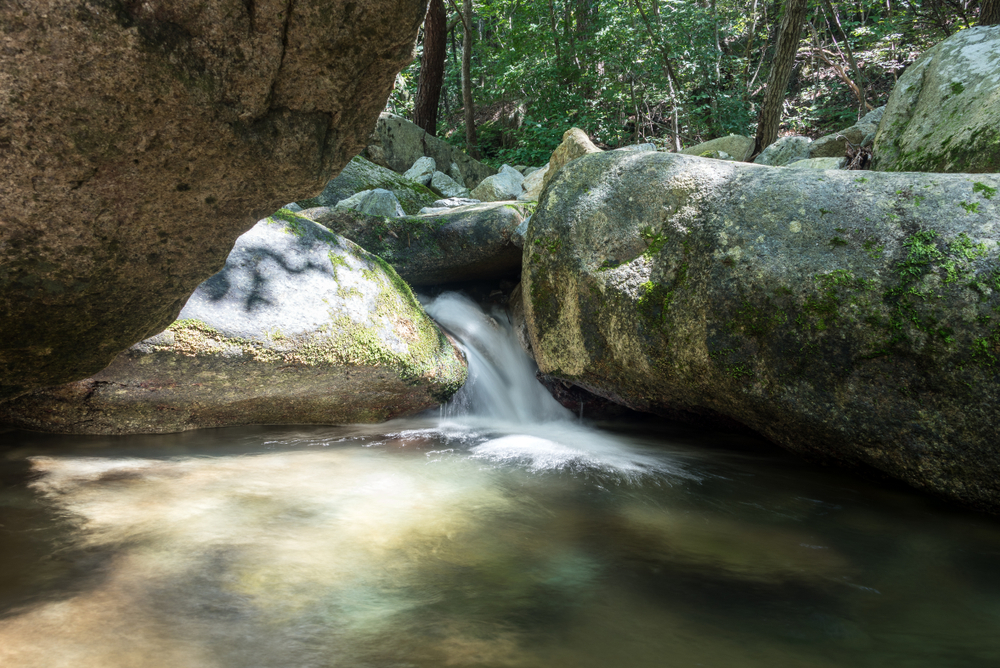
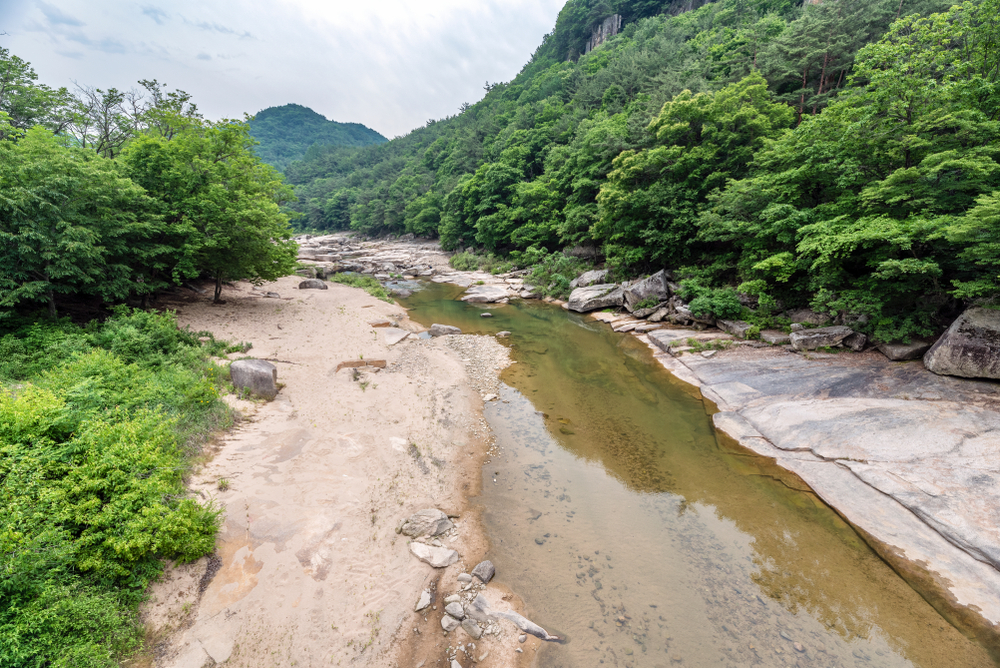
The park also protects endangered species both on land and in the rivers running through the park.
Sources
- All Trails, Best Trails in Songnisan National Park, https://www.alltrails.com/parks/south-korea/chungcheongbuk-do/songnisan-national-park, retrieved September 2021.
- Imagine Your Korea, Songnisan National Park, https://english.visitkorea.or.kr/enu/ATR/SI_EN_3_1_1_1.jsp?cid=264126, retrieved September 2021.
- Korea National Park Service, Songinsan, https://english.knps.or.kr/Knp/Songnisan/Intro/Introduction.aspx?MenuNum=1&Submenu=Npp, retrieved September 2021.
- Korea T Track, Songinsan National Park, https://www.koreattrack.com/songnisan-national-park.html, retrieved September 2021.
- Korean Temple Guide, Beopjusa, https://koreantempleguide.com/beopjusa-temple-%EB%B2%95%EC%A3%BC%EC%82%AC-boeun-gun-chungcheongbuk-do/, retrieved September 2021.
- Peaks and Penguines, Songnisan, https://www.peaksandpenguins.com/koreas-national-parks/songnisan/, retrieved September 2021.