

About
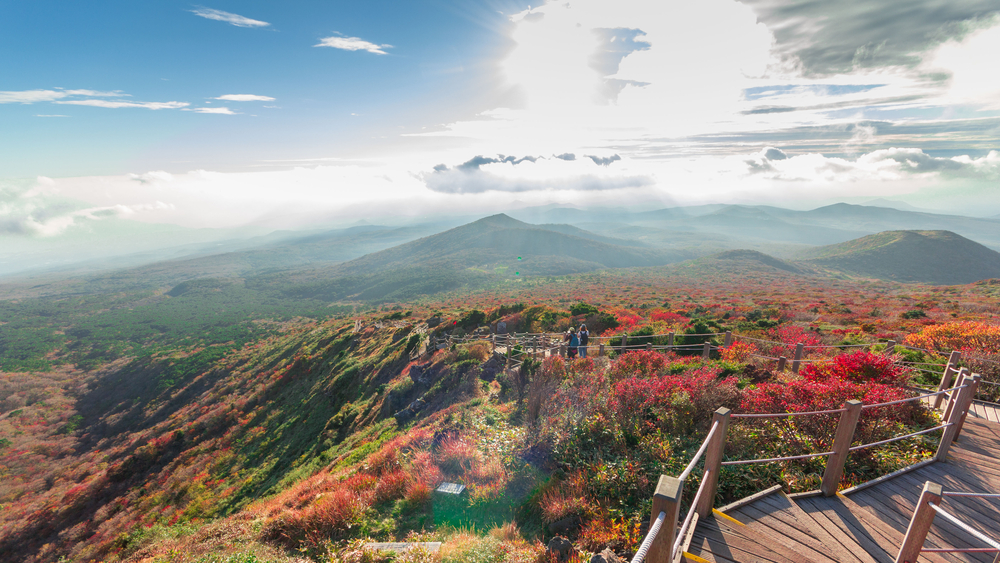
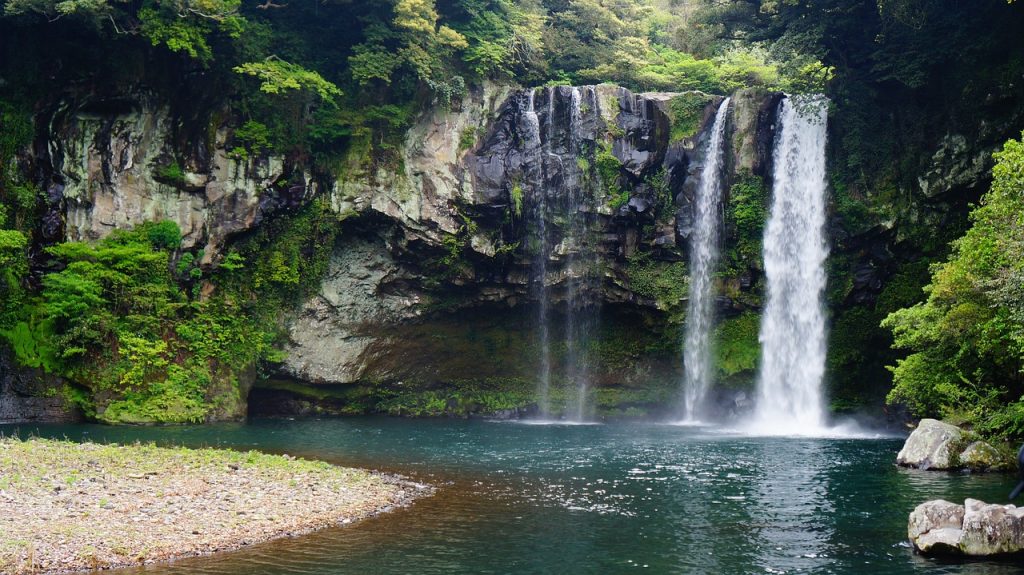
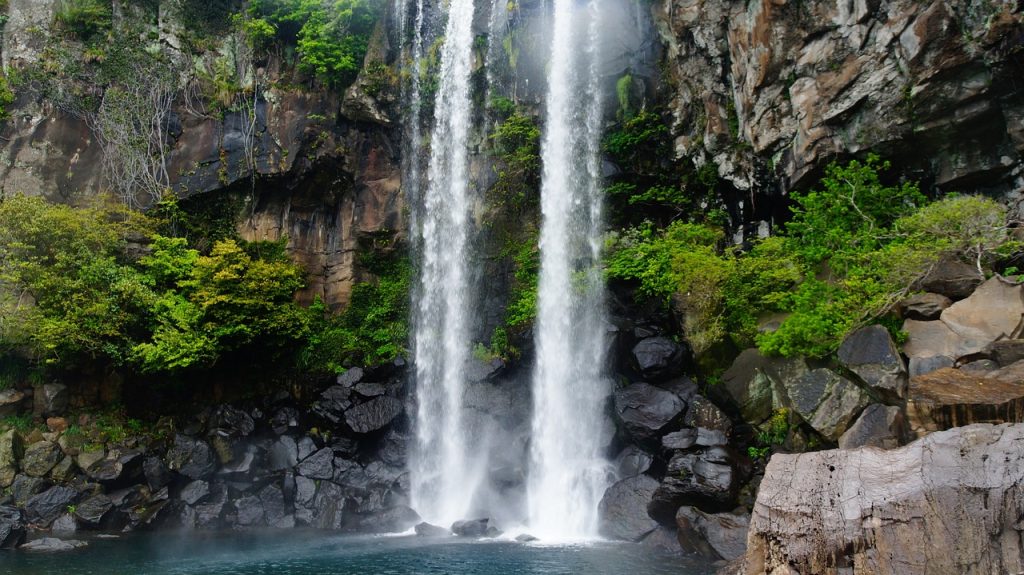
Hallasan National Park is located on Jeju Island off the southern coastline of South Korea. The national park encompasses an area of 59.12 square miles 28,000 (153.11 sq km) making it the 10th smallest of the 22 national parks.
It is the only national park that is not managed by the Korean National Park Service, and it is the only Korean national park that is also a UNESCO World Heritage Site.
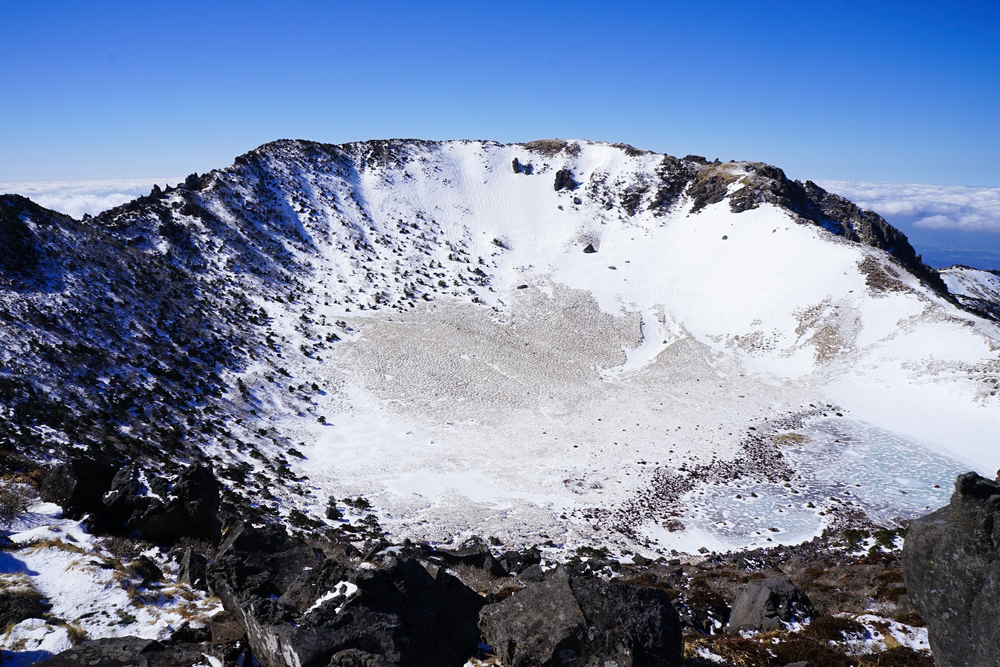
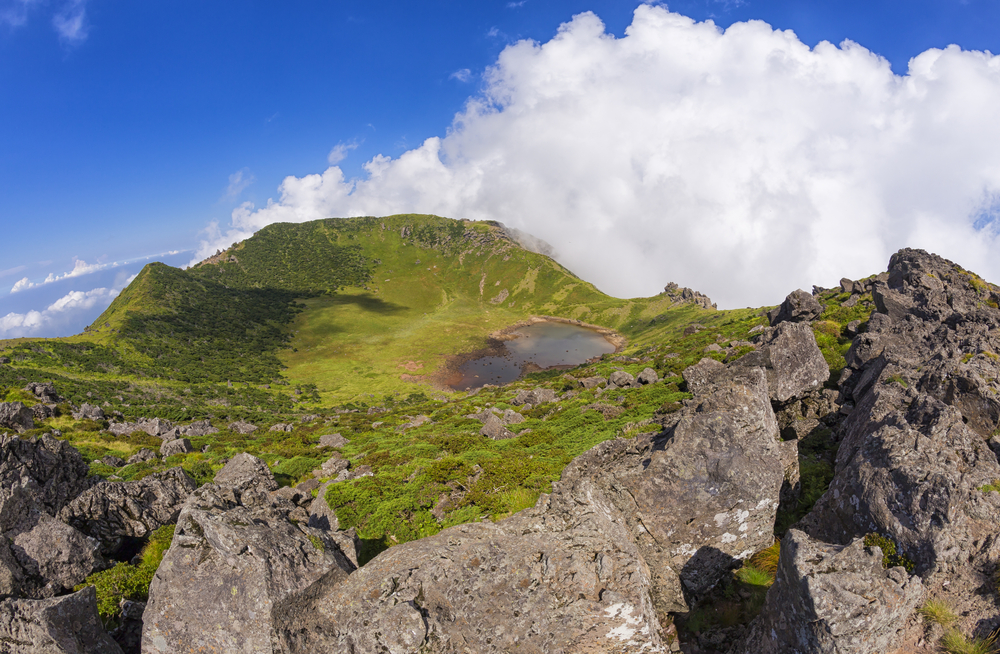
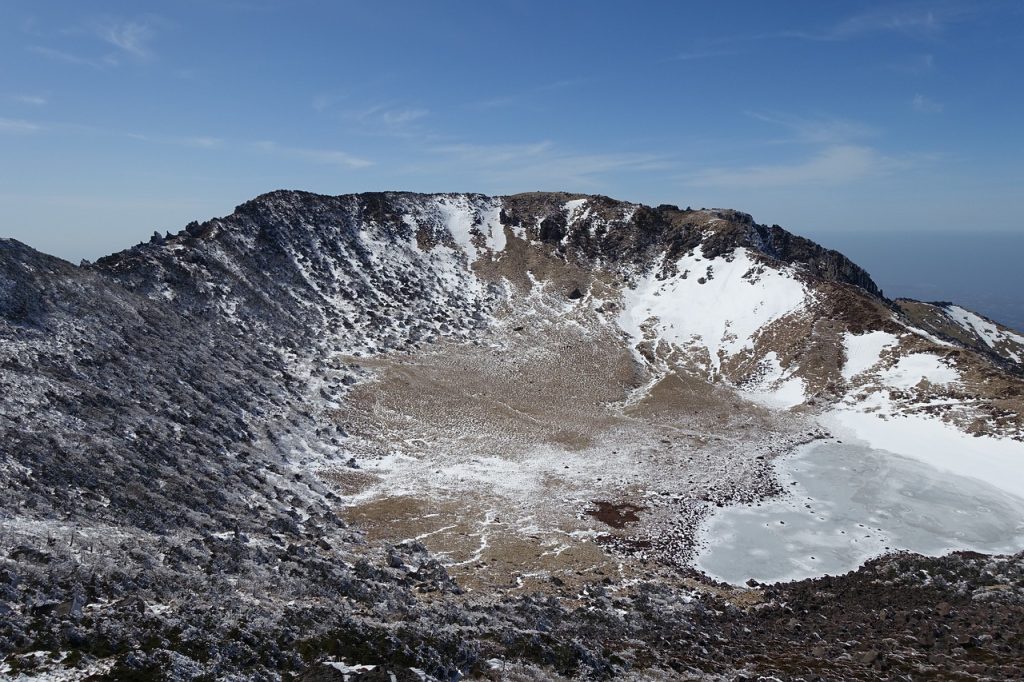
The focal point of the national park is Hallasan which is the tallest mountain in South Korea. Along with Jirisan at 6,283 feet (1,915 m) located in Jirisan National Park and Seoraksan at 5,603 feet (1,708 m) located in Seoraksan National Park, it is recognized as one of the three key mountains of South Korea reaching a summit of 6,388 feet (1,947.06 m).
The people of South Korea are known to say, “Jeju Island is Hallasan; and Hallasan is Jeju.” Without question, the mountain is the highlight of the park and the main attraction.
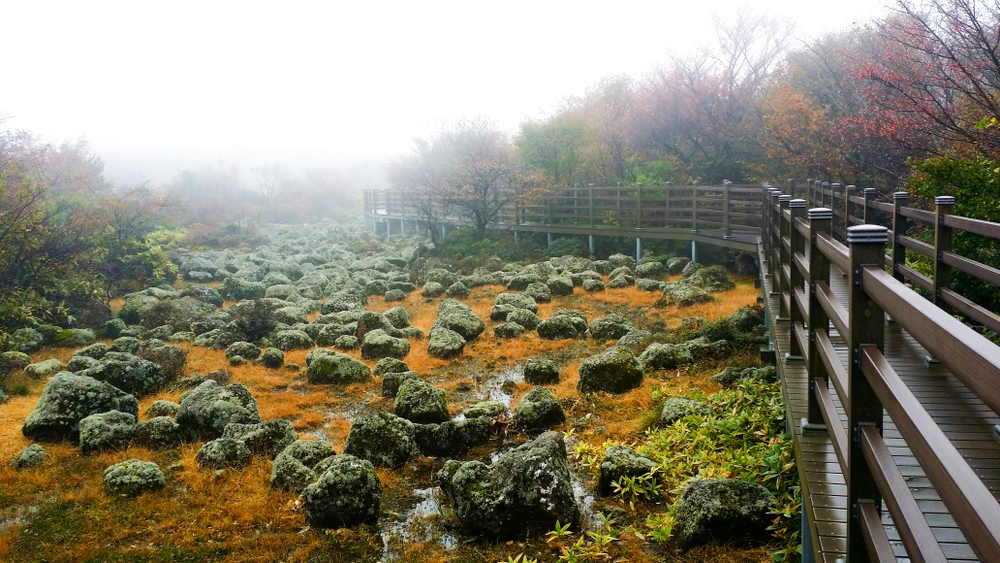
The vegetation varies based upon elevation with 10 percent of the 4,000 species considered to be endangered. The subtropical plants originate along the coast and lower elevations of the mountainous area with vegetation transitioning into alpine plants as the elevation increases.
Although not known for wildlife, visitors can hope to spot badger, boar, Formosan deer, gazelle, Roe deer, and weasel. It is a better location for birdwatchers with 364 species nesting or passing through Jeju island and the national park area.
Photos


Things to See
Things To Do
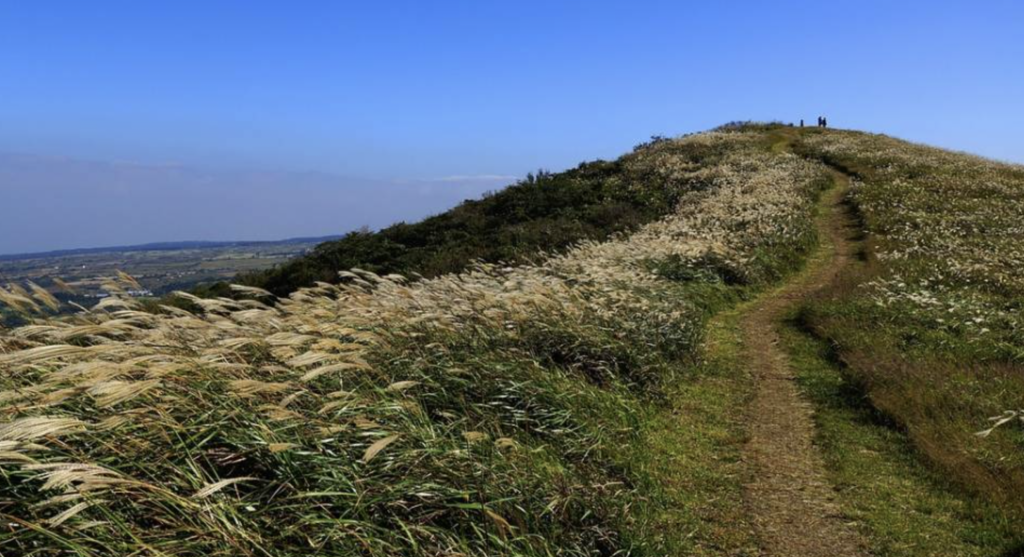
Hiking is the main activity of the national park and you can explore the trail information in the hiking section below.
Hallasan National Park Trails
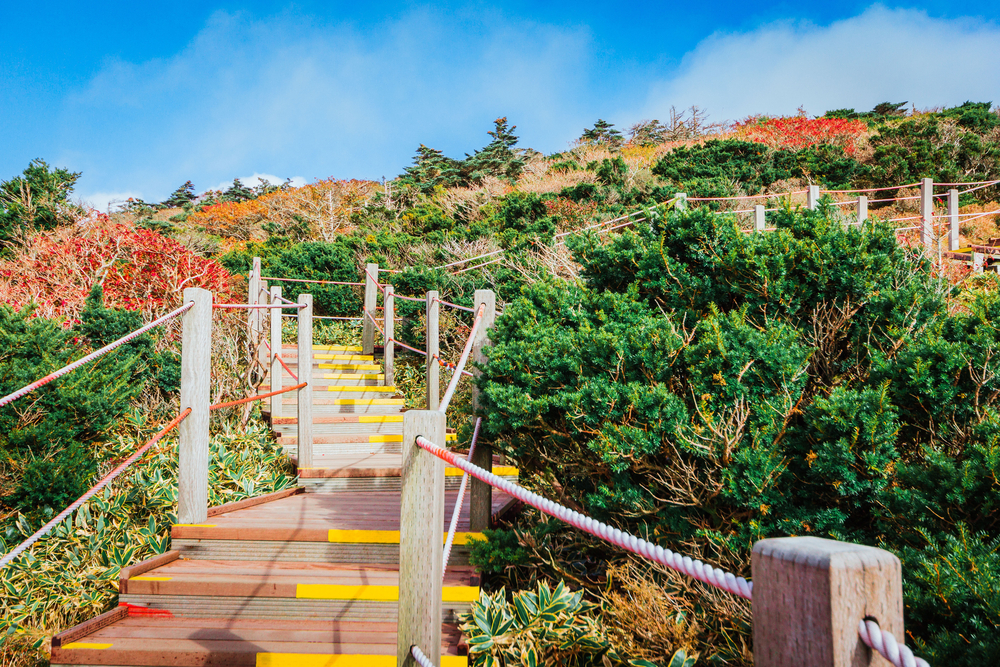
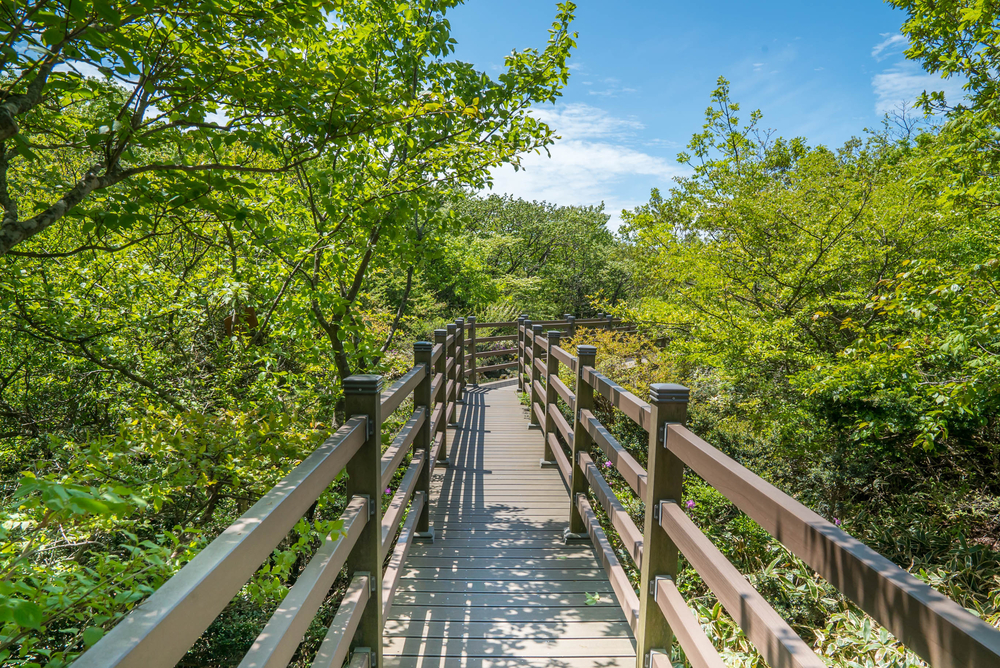
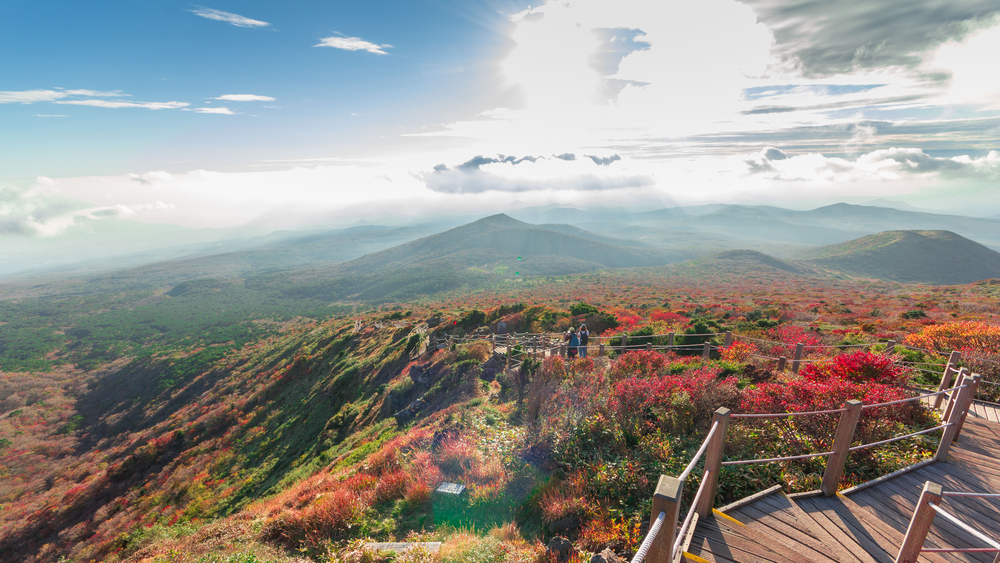
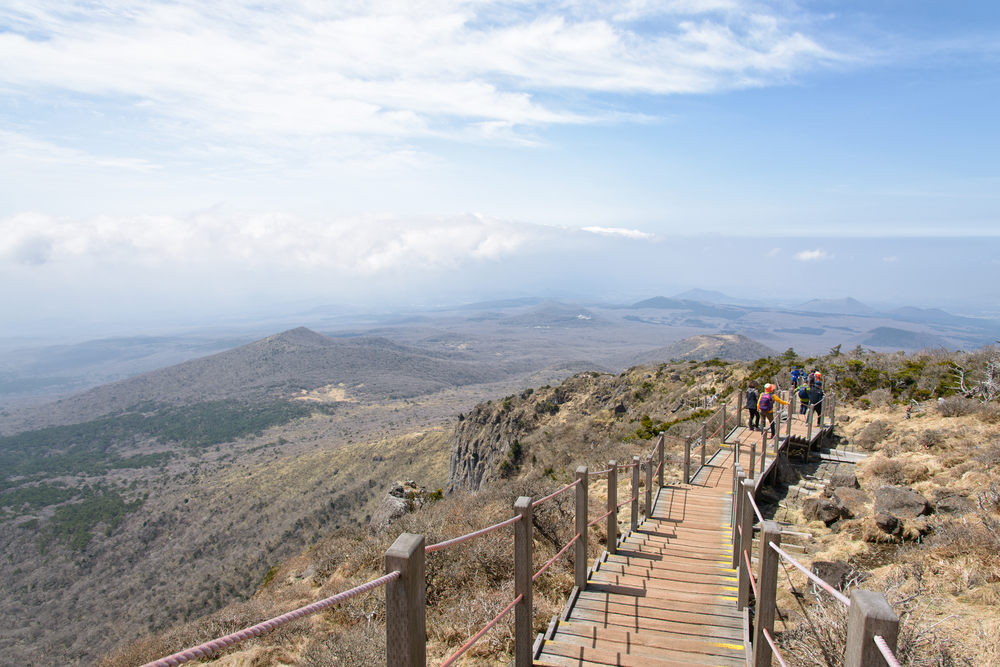
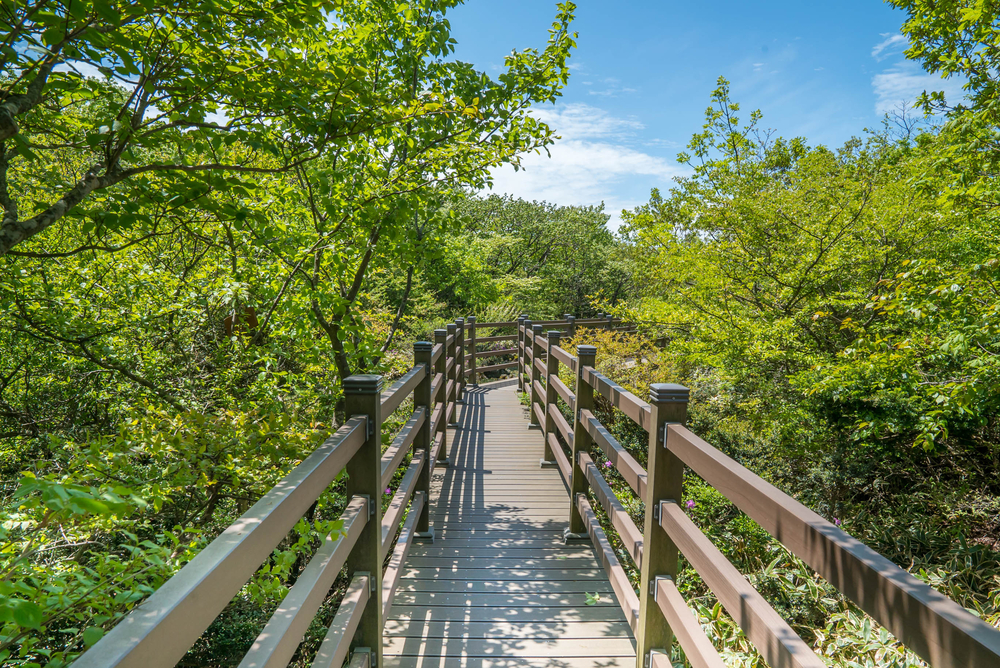
The mountain features five different trails up the mountain. There are seven different trails that allow visitors to explore different facets of Hallasan and the surrounding area around the mountain. Some of the trails feature boardwalks and stairs making it easier to ascend while also protecting the environment.

Park Protection
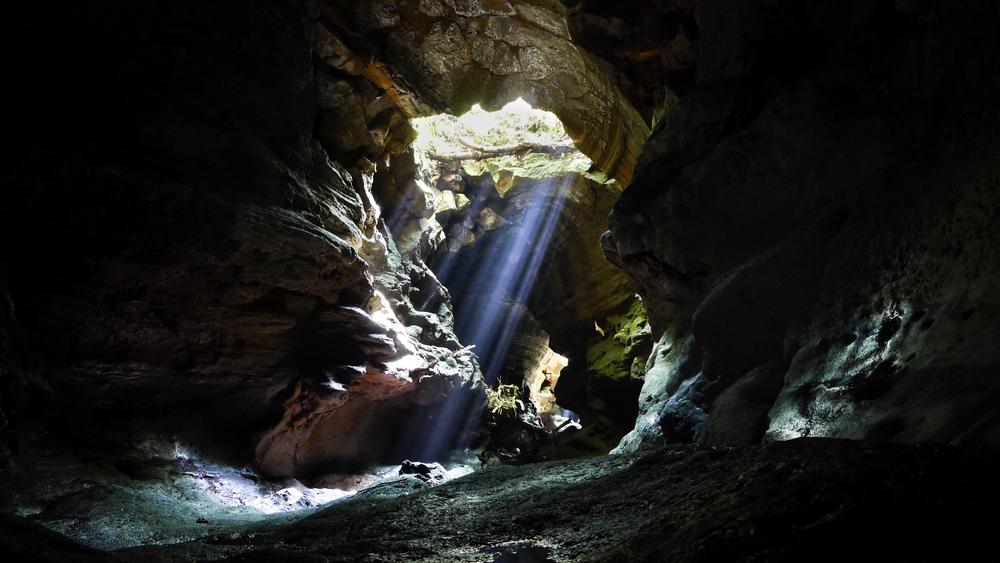
Hallasan National Park was created to protect some of the most stunning wilderness on Jeju Island. It also protects the terrain around Hallasan which is home to the tallest mountain in South Korea. The national park also protects approximately 400 species of plants that are considered endangered.
The habitat is home to 19 species of birds that are categorized as natural monuments within the country. The protective efforts of the park and people of South Korea have increased the population of Roe deer which was on the verge of extinction from the area.
The Hallasan area is recognized as a UNESCO Biosphere Reserve and a World Heritage Site. It is a true national treasure for the country and people of South Korea.
FAQ’s
What is Hallasan National Park known for?
Hallasan National Park is renowned for its volcanic landscapes, diverse ecosystems, and cultural heritage. Apart from pandas, the park is known for Hallasan, a dormant volcano and South Korea’s highest peak.
Visitors flock to the park to hike its scenic trails, explore crater lakes, and marvel at unique geological formations. The park also boasts a rich biodiversity, with rare plant species and diverse wildlife inhabiting its forests.
Additionally, Hallasan National Park is home to cultural sites such as temples and shrines, offering visitors insights into South Korea’s spiritual traditions and history.
What is the best time to visit Hallasan National Park?
The best time to visit Hallasan National Park is during the spring (April to June) and autumn (September to November) when the weather is mild and comfortable.
Average temperatures during these seasons range from 50°F to 70°F (10°C to 21°C) during the day, providing ideal conditions for outdoor activities such as hiking and sightseeing. Spring and autumn also offer clear skies and less rainfall, allowing visitors to fully enjoy the park’s natural beauty and scenic vistas.
Sources
- AllTrails, Best Trails In Hallasan National Park, https://www.alltrails.com/parks/south-korea/jeju/hallasan-national-park, retrieved July 2021.
- Imagine Your Korea, Hallasan Mountain National Geopark, https://english.visitkorea.or.kr/enu/ATR/SI_EN_3_1_1_1.jsp?cid=264172, retrieved July 2021.
- New World Encyclopedia, Hallasan, https://www.newworldencyclopedia.org/entry/Hallasan, retrieved July 2021.
- UNESCO, Jeju Volcanic Island and Lava Tubes, https://whc.unesco.org/en/list/1264/, retrieved July 2021.
- visit Jeju, Hallasan, https://www.visitjeju.net/en/detail/view?contentsid=CONT_000000000500685, retrieved July 2021.
- Wikipedia, Hallasan, https://en.wikipedia.org/wiki/Hallasan, retrieved July 2021.