

About
Tankwa Karoo National Park, the park is located in South Africa’s Northern Cape and Western Cape provinces within the vast Tankwa Karoo basin. The park covers approximately 560 square miles (1,450 sq km) and protects one of the country’s most remote and least disturbed semi-desert ecosystems.
Established in 1986, Tankwa Karoo National Park lies between the rugged Cederberg Mountains to the west and the Roggeveld Escarpment to the east. Situated north of Cederberg Wilderness Area and south of Namaqua National Park, the park preserves a landscape of stark beauty, dramatic mountain backdrops, and remarkable biodiversity. Its isolation and vast open spaces make it one of South Africa’s most distinctive wilderness destinations.
Tankwa Karoo National Park is best known for its expansive desert scenery, exceptional stargazing opportunities, and unique Karoo biodiversity. Visitors are drawn to the park’s sense of solitude and the opportunity to experience one of southern Africa’s most pristine arid landscapes.
Unlike traditional safari parks, Tankwa emphasizes scenic exploration, photography, hiking, birdwatching, and immersion in nature. The park’s clear skies and minimal light pollution make it one of the finest locations in South Africa for observing the night sky. Seasonal wildflower displays can also transform portions of the landscape following favorable rainfall, adding bursts of color to the otherwise muted desert environment.
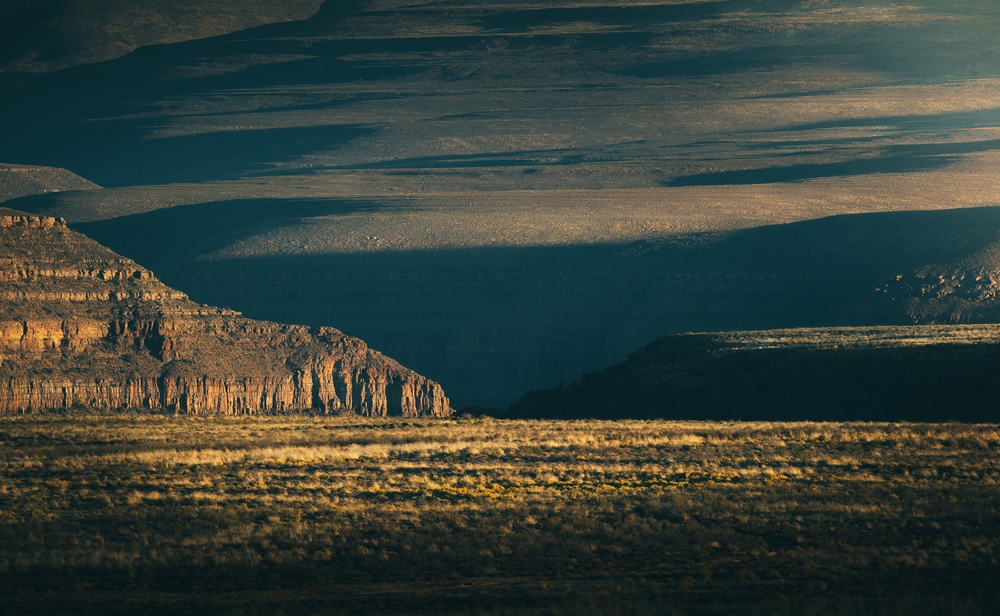
The geography of Tankwa Karoo National Park is characterized by broad gravel plains, dry riverbeds, rocky outcrops, and mountain ranges that frame the basin. The park lies within the Succulent Karoo Biome, one of the world’s richest arid ecosystems and a globally recognized biodiversity hotspot. Rainfall is scarce and highly unpredictable, shaping a landscape adapted to extreme environmental conditions.
Vegetation consists primarily of dwarf succulents, hardy shrubs, grasses, and drought-resistant plants that thrive in nutrient-poor soils. Seasonal rivers occasionally flow through the park after heavy rains, creating temporary wetlands that support wildlife and plant growth. The contrast between barren plains and dramatic mountain scenery gives the park its distinctive character.
Wildlife within Tankwa Karoo National Park is specially adapted to survive in arid conditions. Mammals include gemsbok, springbok, red hartebeest, kudu, steenbok, klipspringer, and Cape mountain zebra. Predators such as caracal, black-backed jackal, bat-eared fox, and aardwolf also inhabit the park, though they are often difficult to observe.
Birdlife is diverse and includes larks, chats, eagles, bustards, and numerous species adapted to semi-desert environments. The park’s rich plant diversity supports a wide variety of insects, reptiles, and pollinators that play essential ecological roles. While wildlife densities are lower than in many savanna parks, the species found here are uniquely suited to one of South Africa’s harshest environments.
Tankwa Karoo National Park plays a critical role in conserving the Succulent Karoo, one of the most biologically diverse arid regions on Earth. The park protects thousands of plant species, many of which occur nowhere else, while preserving ecological processes that sustain life in an environment of limited rainfall.
Its conservation significance is often compared to Namaqua National Park and other protected areas within the Succulent Karoo biome, where extraordinary biodiversity thrives despite challenging climatic conditions. As pressures from climate change and land-use development continue to increase, Tankwa Karoo National Park serves as a vital refuge for rare species and fragile ecosystems. Today, it remains one of South Africa’s most remarkable wilderness areas, offering visitors a rare opportunity to experience the beauty, silence, and resilience of the Karoo.
Things to See
Things To Do
Engaging Tankwa Karoo National Park
