

About
Mokala National Park, the park is located in South Africa’s Northern Cape Province approximately 50 miles (80 km) southwest of Kimberley. The park covers approximately 106 square miles (275 sq km) and is one of South Africa’s newest national parks.
Established in 2007, Mokala National Park was created to protect endangered species and conserve the transition zone between the Kalahari, Nama Karoo, and grassland biomes. The name “Mokala” comes from the Setswana word for the camel thorn tree, a characteristic species of the region. Situated south of Mokala National Park’s larger neighboring conservation landscapes and west of the country’s central interior, the park has rapidly become an important center for wildlife conservation and ecological restoration.
Mokala National Park is best known for its conservation of rare and endangered species, particularly large antelope and rhinoceroses. Unlike many of South Africa’s more famous safari destinations, Mokala was developed with a strong emphasis on biodiversity conservation rather than tourism alone.
Visitors are drawn by opportunities to observe species that are becoming increasingly rare elsewhere, including roan antelope, sable antelope, tsessebe, and both black and white rhinoceroses. The park offers game drives, wildlife photography, birdwatching, and nature-based recreation within a tranquil setting that receives far fewer visitors than larger national parks. Its peaceful atmosphere and conservation focus provide a distinctive safari experience.
The geography of Mokala National Park consists of rolling hills, open plains, rocky ridges, and seasonal river valleys. The landscape represents a transition zone where several major ecological regions meet, creating a rich diversity of habitats. Grasslands, acacia woodlands, shrublands, and riverine vegetation support a variety of wildlife adapted to semi-arid conditions.
Scattered rocky outcrops provide shelter for smaller animals and create scenic viewpoints across the countryside. Seasonal rainfall influences vegetation growth and water availability, while several dams and water sources help sustain wildlife throughout the year. This blend of habitats contributes significantly to the park’s ecological value.
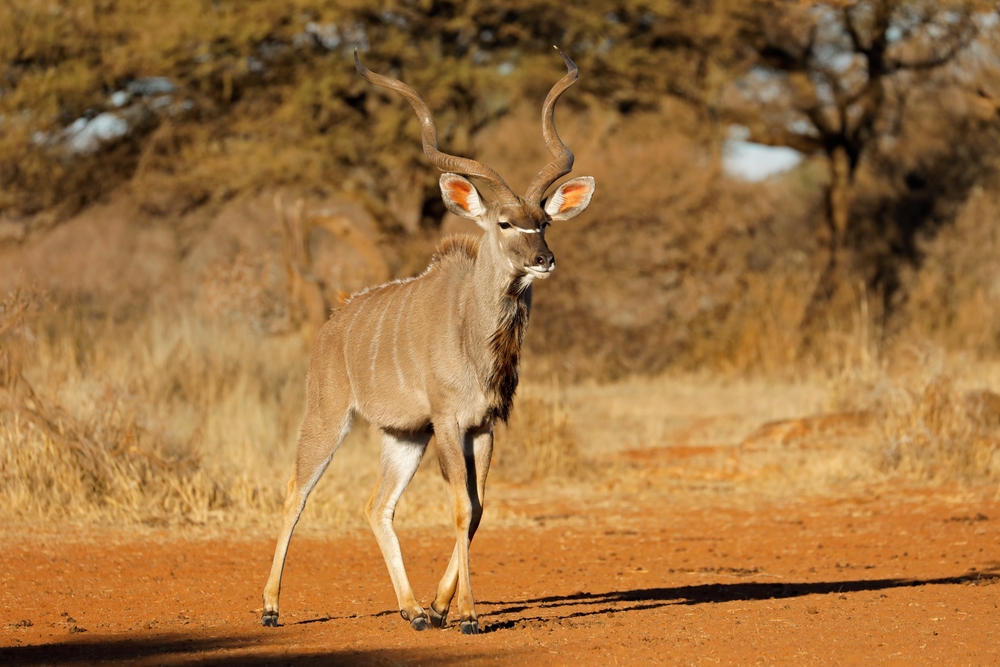
Wildlife is the primary attraction of Mokala National Park. The park supports healthy populations of white rhinoceros, black rhinoceros, buffalo, giraffe, zebra, eland, kudu, gemsbok, roan antelope, sable antelope, and tsessebe. Several of these species have been successfully reintroduced as part of ongoing conservation programs. Predators are less numerous than in some larger parks, allowing herbivore populations to flourish.
Birdlife is also impressive, with more than 300 recorded species inhabiting the park. Raptors, secretary birds, cranes, hornbills, kingfishers, and numerous grassland birds can be observed throughout the year. The combination of rare mammals and diverse birdlife makes Mokala an increasingly important destination for wildlife enthusiasts.
Mokala National Park plays a critical role in conserving South Africa’s threatened wildlife and protecting habitats where multiple ecological regions converge. The park serves as an important breeding and recovery area for endangered species while preserving ecosystems that have been heavily affected by agriculture and development elsewhere.
Its conservation significance is often compared to parks such as Mountain Zebra National Park and Marakele National Park, where focused management has helped restore vulnerable wildlife populations. Although relatively young, Mokala has quickly established itself as a model for modern conservation in South Africa. Today, the park remains a sanctuary for rare species and a testament to the success of proactive wildlife management and habitat protection.
Things to See
Things To Do
Engage Mokala National Park
