About

Bontebok National Park is located in South Africa’s Western Cape Province near the town of Swellendam, approximately 150 miles (240 km) east of Cape Town. The park covers approximately 11 square miles (28 sq km) and is one of the smallest national parks in South Africa.

Established in 1931, Bontebok National Park was created specifically to save the endangered bontebok from extinction. At the time, fewer than 20 pure bontebok remained in the wild. The park lies along the banks of the Breede River and is situated east of Agulhas National Park within the globally significant Cape Floristic Region. Despite its modest size, Bontebok National Park has played an outsized role in wildlife conservation and species recovery.

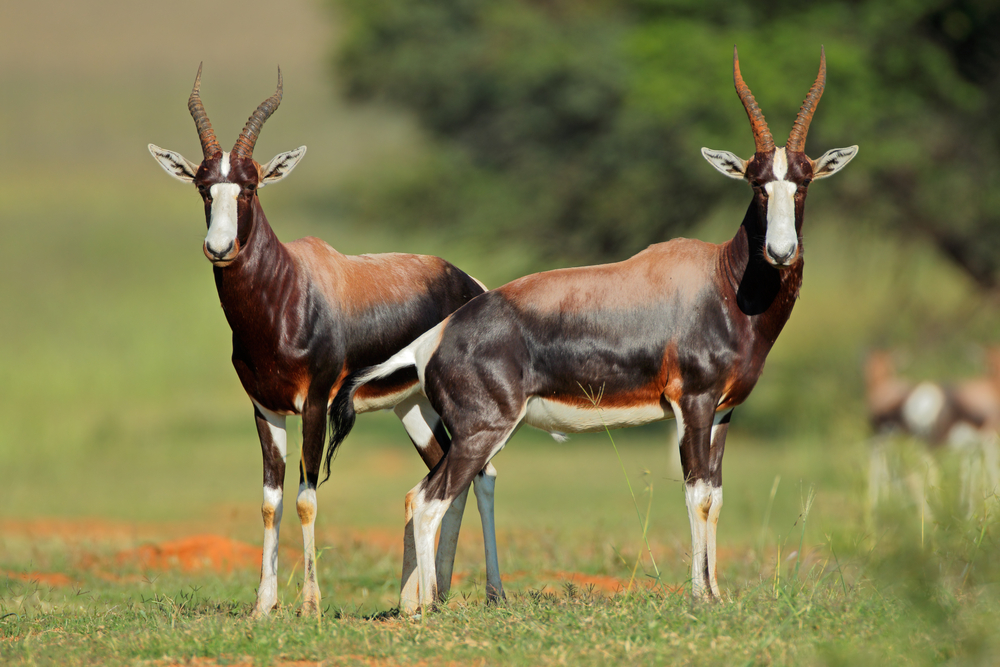
Bontebok National Park is best known for protecting the bontebok, one of South Africa’s most distinctive antelope species. Recognizable by its rich chestnut coat, white facial markings, and striking coloration, the bontebok is found naturally only within the Cape region of South Africa.

Visitors are drawn to the opportunity to observe these elegant animals within their native habitat while enjoying a peaceful and accessible wildlife experience. The park also offers opportunities for hiking, birdwatching, canoeing, swimming, and nature photography. Its scenic setting along the Breede River and relatively low visitor numbers create a tranquil atmosphere that differs from South Africa’s larger safari destinations.

The geography of Bontebok National Park is characterized by rolling plains, riverfront habitats, low hills, and fynbos-covered landscapes. The Breede River forms the park’s northern boundary and provides an important source of water for wildlife and vegetation. The park protects a mosaic of renosterveld and fynbos ecosystems, both of which are among the most threatened vegetation types in South Africa.

Seasonal wildflowers add color to the landscape during favorable conditions, while riverine habitats support additional biodiversity. The Mediterranean climate, with wet winters and dry summers, helps sustain the unique plant communities that define the region.

Wildlife within Bontebok National Park extends beyond its famous namesake. In addition to healthy bontebok populations, the park supports Cape mountain zebra, red hartebeest, grey rhebok, steenbok, and several smaller mammal species. The Breede River provides habitat for fish, amphibians, and aquatic wildlife.

Birdlife is particularly impressive, with more than 200 recorded species inhabiting the park. African fish eagles, kingfishers, sunbirds, herons, weavers, and numerous waterbirds can be observed throughout the year. The diversity of habitats allows both grassland and riverine species to flourish within a relatively small protected area.

Bontebok National Park plays a critical role in conserving one of South Africa’s most remarkable wildlife success stories. The park’s establishment prevented the extinction of the bontebok and helped restore populations to levels that allowed the species to recover across portions of its historic range. In addition to protecting the bontebok, the park safeguards threatened renosterveld and fynbos habitats that support numerous endemic plant and animal species.

Its conservation significance is often compared to parks such as Mountain Zebra National Park, where focused protection helped rescue an endangered species from extinction. Today, Bontebok National Park remains a symbol of successful conservation, preserving both a unique antelope and one of the Cape region’s most important natural ecosystems.

Things to See

Popular

Bontebok National Park, located in the Western Cape of South Africa, is a sanctuary for unique wildlife, particularly species adapted to the fynbos and renosterveld ecosystems. This park is a haven for conservation and biodiversity.

Bontebok (Damaliscus pygargus pygargus)
The bontebok is the park’s namesake and conservation success story. Once critically endangered, this striking antelope thrives in the park’s grasslands, grazing on short grasses and playing a vital role in maintaining the ecosystem balance.

Cape Mountain Zebra (Equus zebra zebra)
This endangered zebra subspecies is distinguished by its narrower stripes and unique patterns. It roams the park’s open plains and rocky slopes, feeding on grasses and other vegetation.

Grey Rhebok (Pelea capreolus)
This elusive antelope is commonly found in the park’s grassy hills and open areas. It is a browser that feeds on shrubs and leaves, and its agility helps it evade predators.

Cape Grysbok (Raphicerus melanotis)
A shy and solitary antelope, the Cape grysbok is often seen in the park’s dense vegetation. It feeds on a variety of plants, including shrubs and herbs.

Bat-eared Fox (Otocyon megalotis)
The bat-eared fox is a small, nocturnal predator that thrives in the park’s arid areas. It uses its large ears to locate insects, its primary food source, beneath the ground.

Caracal (Caracal caracal)
This medium-sized predator is a stealthy and agile hunter in the park. It preys on small mammals and occasionally on young antelope, using its keen senses and speed.

Cape Clawless Otter (Aonyx capensis)
Found near the park’s rivers and wetlands, this semi-aquatic mammal feeds on fish, crabs, and amphibians. It is known for its playful behavior and important role in aquatic ecosystems.

Aardvark (Orycteropus afer)
The aardvark is a nocturnal species that feeds on ants and termites. Its burrowing habits are essential for aerating the soil and creating habitats for other animals.

Bushbuck (Tragelaphus scriptus)
This shy antelope is often seen in the park’s thickets and forested areas. It feeds on leaves, fruits, and grasses, and it is active during dawn and dusk.

Leopard Tortoise (Stigmochelys pardalis)
This large tortoise is commonly found in the park’s grasslands and scrublands. It feeds on grasses, succulents, and fruits, contributing to seed dispersal in the ecosystem.

Birds

Bontebok National Park is a paradise for birdwatchers, with its wetlands, fynbos, and open plains providing habitats for a wide variety of avian species, including both endemic and migratory birds.

Blue Crane (Anthropoides paradiseus)
South Africa’s national bird, the blue crane, is a frequent sight in the park’s open grasslands. It feeds on seeds, insects, and small vertebrates and is known for its elegant displays.

Cape Spurfowl (Pternistis capensis)
A common ground-dwelling bird, the Cape spurfowl forages in the park’s scrublands, feeding on seeds and insects.

Malachite Sunbird (Nectarinia famosa)
This vividly colored bird is often seen in the fynbos, feeding on nectar and playing a key role in pollination.

African Fish Eagle (Haliaeetus vocifer)
Although not commonly seen, this iconic raptor occasionally visits the park’s wetlands, hunting fish and small aquatic creatures.

Cape Weaver (Ploceus capensis)
Known for its bright yellow plumage, this bird constructs intricate nests in the park’s trees and reed beds.

Southern Double-collared Sunbird (Cinnyris chalybeus)
This small, colorful bird is a frequent visitor to the park’s flowering fynbos, feeding on nectar and insects.

Black Harrier (Circus maurus)
This striking raptor hunts over the park’s grasslands, preying on small mammals and birds.

Greater Flamingo (Phoenicopterus roseus)
Occasionally found in the park’s wetlands, greater flamingos feed on algae and small invertebrates, creating a striking visual spectacle.

Cape Robin-Chat (Cossypha caffra)
A common bird in the park, the Cape robin-chat is known for its melodic calls and is often seen in thickets and gardens.

Pied Avocet (Recurvirostra avosetta)
This elegant wader frequents the park’s wetlands, using its upturned bill to sift through mud for small aquatic invertebrates.

Things To Do

Engaging Bontebok National Park

placeholder

Scenic Drives

One of the most popular ways to experience Bontebok National Park is through wildlife viewing on scenic drives. The park’s compact size and well-maintained roads make it easy for visitors to explore its diverse habitats, from open grasslands to riverine areas.

Along these drives, visitors can spot the iconic bontebok, once near extinction and now thriving in its namesake park. Other frequently encountered species include Cape mountain zebras, grey rheboks, and Cape grysboks. Self-guided drives allow for flexibility, while guided tours provide insights into the park’s history and conservation efforts.

The drives also highlight the park’s stunning landscapes, including views of the Breede River and Langeberg Mountains. Wildlife viewing in Bontebok National Park is a relaxing and educational experience, ideal for families, photographers, and nature enthusiasts.

placeholder

Hiking

Bontebok National Park offers several hiking trails that showcase its breathtaking fynbos-dominated landscapes. These trails vary in length and difficulty, catering to both casual walkers and avid hikers.

Popular routes include the Aloe Hill Trail and the Bushbuck Trail, which wind through grasslands, thickets, and along the Breede River. Hikers can immerse themselves in the park’s biodiversity, encountering unique flora and fauna such as bontebok, bushbuck, and vibrant fynbos flowers like proteas.

Birdwatchers will also enjoy sightings of species like the blue crane and malachite sunbird. The trails provide opportunities for solitude, exploration, and a deeper connection to the park’s natural beauty.

placeholder

Breede Riverbank

The Breede River is a focal point for relaxation and recreation in Bontebok National Park. Its tranquil banks are perfect for picnicking, offering shaded spots with stunning views of the river and surrounding fynbos.

Visitors can enjoy a meal while watching wildlife like Cape clawless otters, which are often seen frolicking in the water, or observing birds such as the pied kingfisher. The river also provides opportunities for fishing and canoeing, making it a versatile destination for outdoor enthusiasts.

Whether spending time with family or simply soaking in the peaceful atmosphere, picnicking along the Breede River is a memorable way to engage with the park’s serene environment.