About
Khunjerab National Park is located in the far northern region of Pakistan within Gilgit-Baltistan and covers approximately 1,745 square miles (4,470 sq km). Established in 1975, the park protects one of the highest and most spectacular mountain ecosystems in the world.
Situated along the border with China, the park encompasses a vast section of the Karakoram Mountains and includes the famous Khunjerab Pass, one of the highest paved international border crossings on Earth. The park lies along the route of the historic Silk Road and the modern Karakoram Highway, northeast of Gilgit. Khunjerab National Park preserves high-altitude plateaus, rugged mountain valleys, alpine meadows, glaciers, and some of Central Asia’s most important wildlife habitats.
Khunjerab National Park is best known for its dramatic mountain scenery and as a refuge for rare high-altitude wildlife. Visitors are drawn to sweeping views of snow-capped peaks, vast alpine grasslands, and remote wilderness landscapes. The park is one of the best places in Pakistan to observe iconic mountain species in their natural habitat.
Popular activities include wildlife observation, photography, sightseeing along the Karakoram Highway, trekking, and nature tourism. The scenic journey through Khunjerab Pass provides visitors with breathtaking views of the surrounding mountains and offers a unique glimpse into one of the highest protected areas in the world.
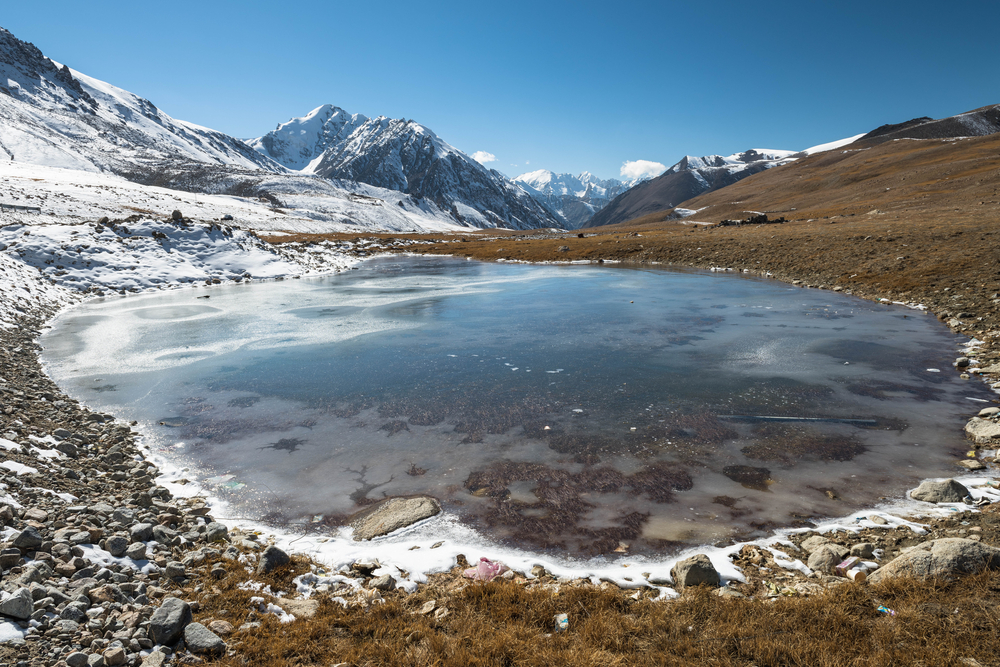
The geography of Khunjerab National Park is defined by extreme elevation and rugged mountain terrain. Much of the park lies above 10,000 feet (3,050 meters), while surrounding peaks rise far higher into the Karakoram Range. The landscape consists of alpine meadows, glacial valleys, rocky slopes, high plateaus, rivers, and snow-covered mountains.
Long winters and short summers characterize the climate, with snow covering much of the region for a significant portion of the year. Vegetation is limited by elevation but includes alpine grasses, wildflowers, shrubs, and hardy plants adapted to harsh mountain conditions. Despite the challenging environment, these ecosystems support an impressive diversity of wildlife.
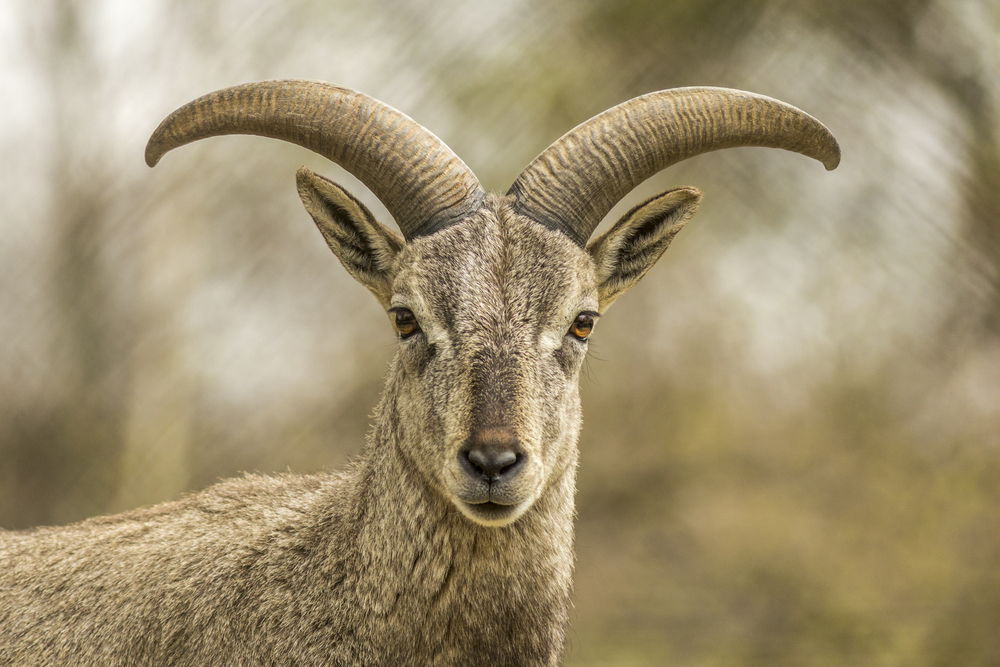
Wildlife within Khunjerab National Park is among the park’s greatest conservation treasures. The park was originally established to protect the endangered Marco Polo sheep, one of the world’s largest wild sheep species. Other notable mammals include snow leopards, Himalayan ibex, blue sheep, Himalayan wolves, red foxes, and marmots.
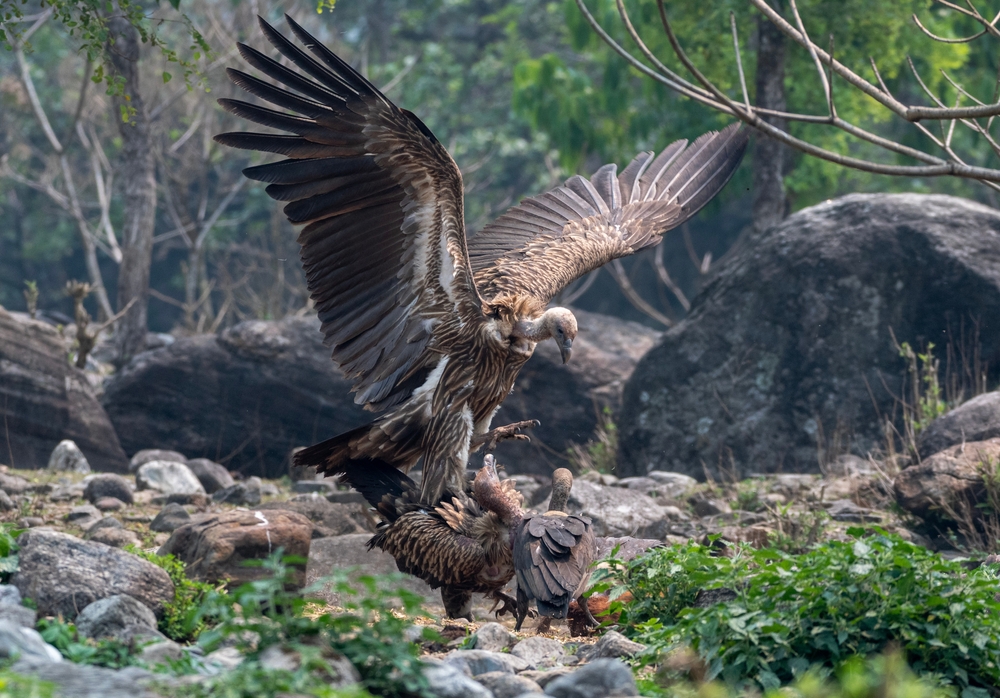
Birdlife includes golden eagles, lammergeiers, Himalayan snowcocks, choughs, and numerous high-altitude species adapted to mountain environments. The park’s remote location and extensive habitats provide important refuge for wildlife that has disappeared from many other regions of Central Asia.
Khunjerab National Park plays a critical role in protecting one of the most important mountain ecosystems in the Karakoram and Pamir regions. The park safeguards critical habitat for endangered species, protects alpine watersheds, and contributes to conservation efforts across international borders. Conservation initiatives focus on wildlife protection, sustainable tourism, and maintaining ecological connectivity with neighboring protected areas in China.
Khunjerab is often compared to Sagarmatha National Park and Karakoram National Park because of its high-altitude landscapes and mountain biodiversity. However, its unique combination of the Khunjerab Pass, vast alpine plateaus, and internationally significant wildlife populations gives it a distinctive identity. Today, Khunjerab National Park stands as one of Pakistan’s most important protected landscapes, preserving a remarkable environment where mountains, glaciers, wildlife, and ancient trade routes converge in extraordinary harmony.