About

Dovrefjell Sunndalsfjella National Park is located in Norway.  The park covers an area of 654 square miles (1,693 sq km).

There are 10 additional protected areas, of which two are biotopes, that combine with the national park to create 1,686 square miles (4,366 sq km) of wilderness that is protected for future generations.

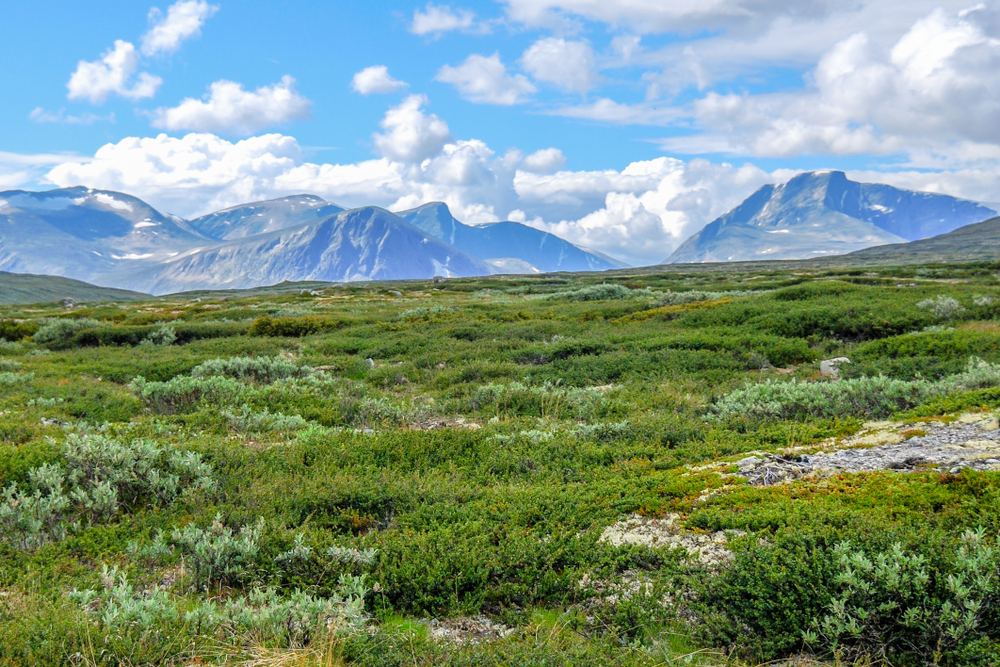
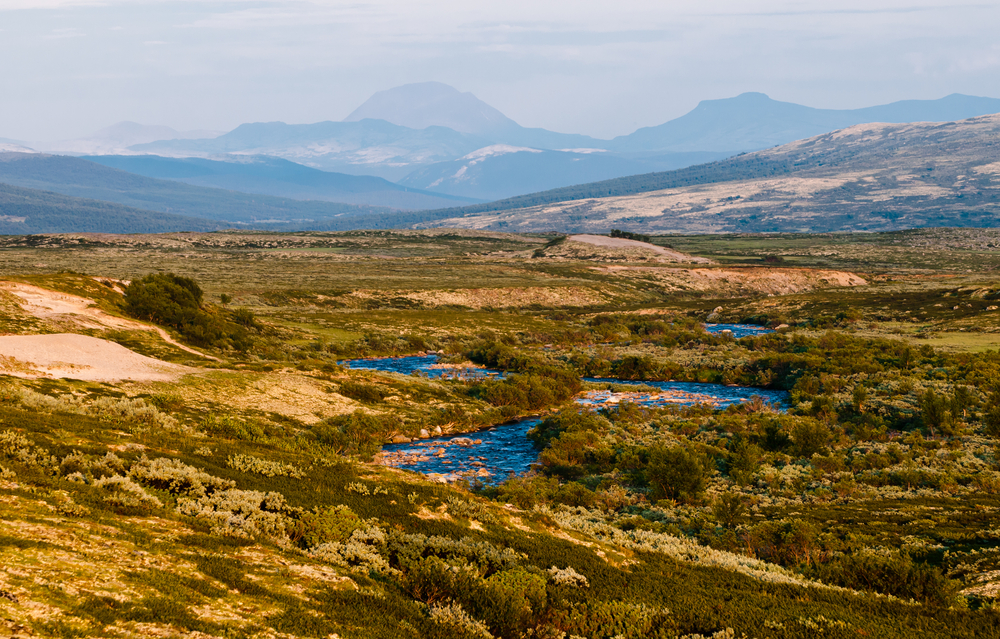
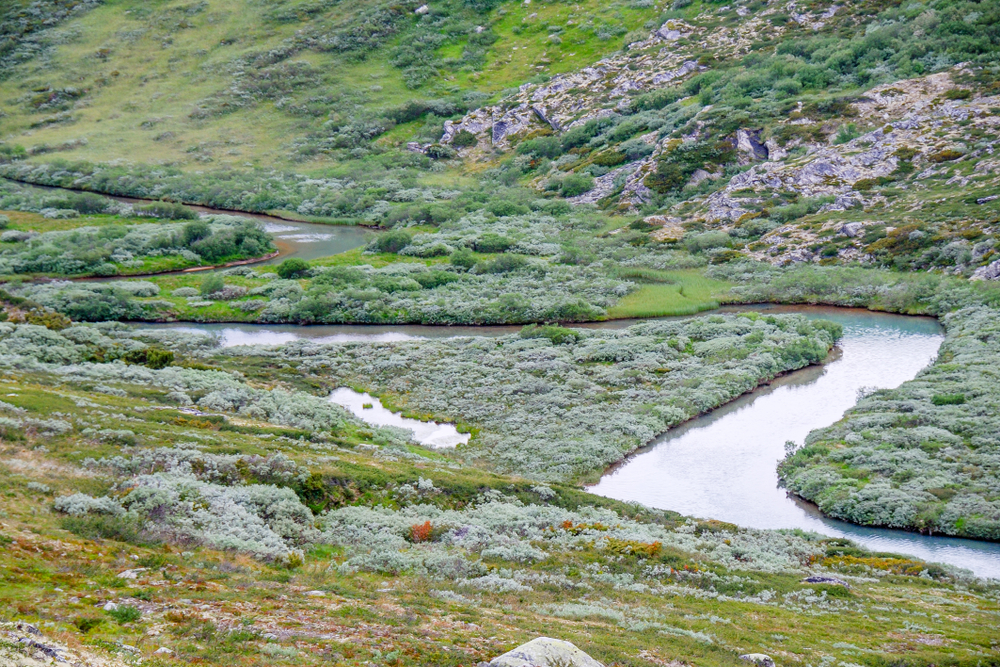
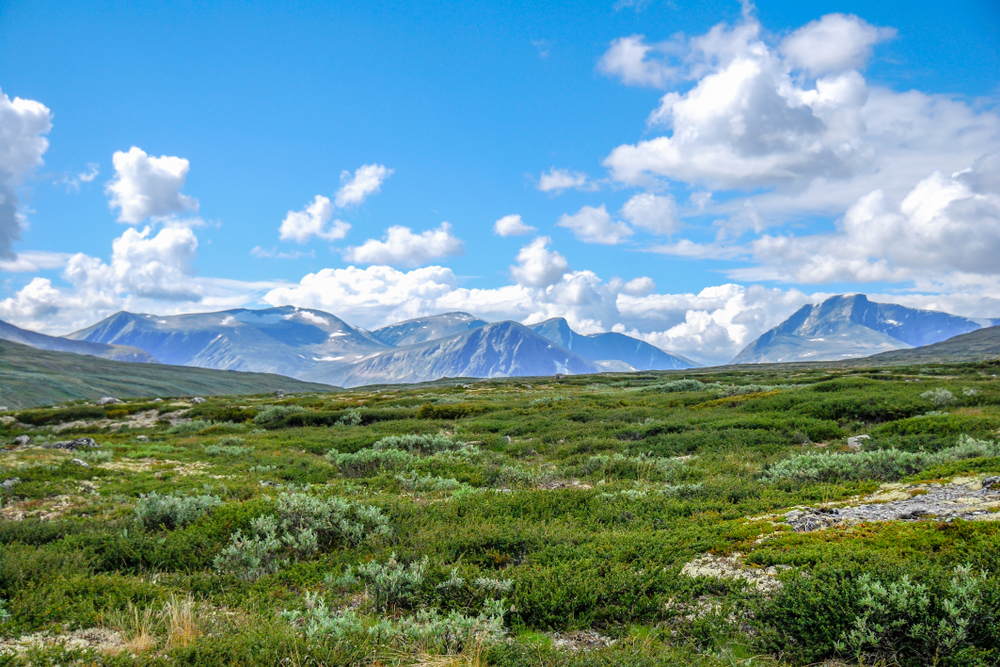
The heart of the park is grounded in the captivating picturesque views of the Dovrefjell mountain range.  The striking summits tower over the luscious plains and valleys creating a diverse sanctuary of wilderness and wildlife. 

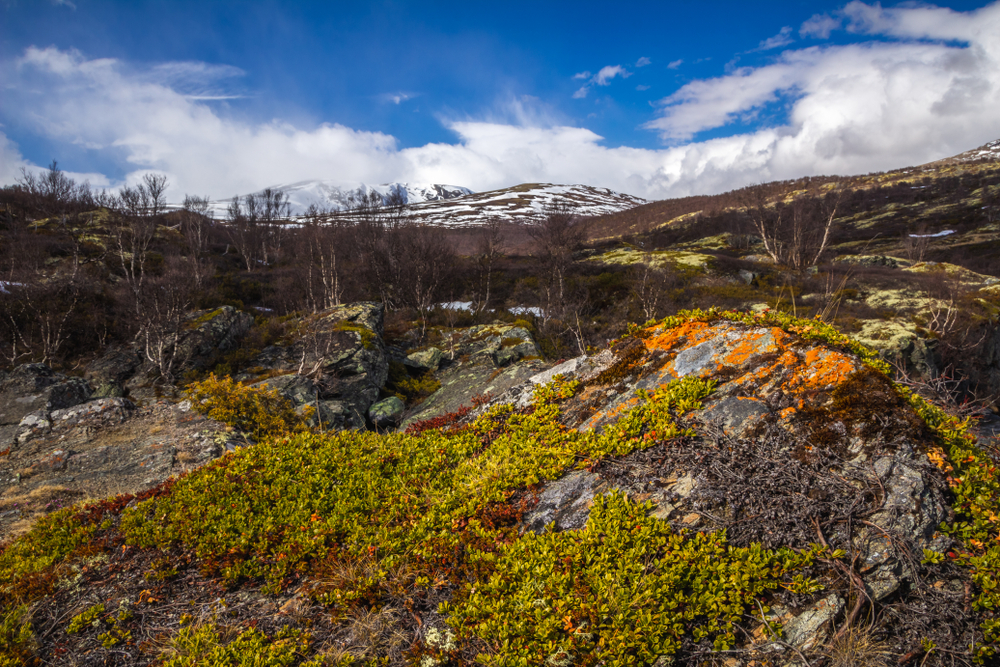
The dramatic Dovrefjell mountain range is blanketed with snow throughout the majority of the year.  This plateau of mountains combined with the drastically cold temperatures gives way to an Arctic-like ecosystem that supports the wildlife of the area.

The pinnacle wildlife of the park includes the country’s only remaining wild reindeer, wolverines, and the renowned musk oxen.  Some of the other intriguing species of the area include arctic fox, the golden eagle, and the gyrfalcon.

Things to See

The pristine landscapes, majestic mountains, and unique wildlife are what most people identify as the highlights of the national park.  The Dovrefjell mountain range is astounding and mountain experiences and highlights abound.  The park is also home to the only remaining herd of wild reindeer in the country.  For many, seeing these majestic creatures is a highlight.

Snohetta

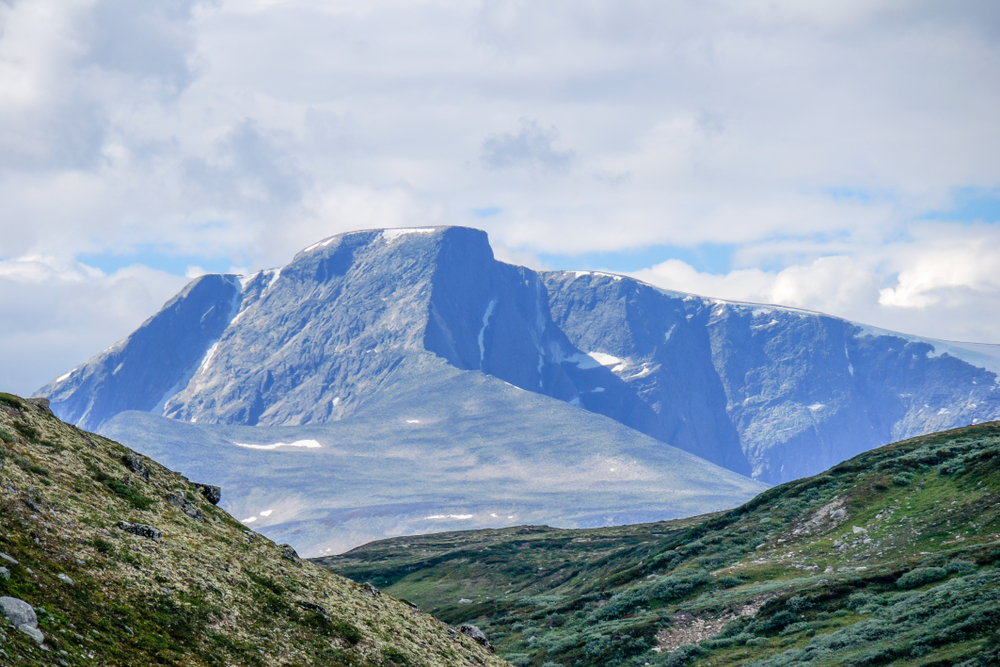
Snohetta is a mountain in the Dovrefjell range.  It reaches a summit height of 7,500 feet (2,286 m) making it the tallest mountain in the range and the pinnacle attraction of the national park.

It is the tallest mountain outside of the Jotunheimen range and the 24th highest summit throughout Norway.  There are several peaks on the mountain with Stortoppen serving as the highest point.

The other peaks include Midttoppen, Hettpiggen, and Vesttoppen with all three being over 7,382 feet (2,250 m).  Hiking and skiing are both activities used to engage the mountain.

Musk Oxen

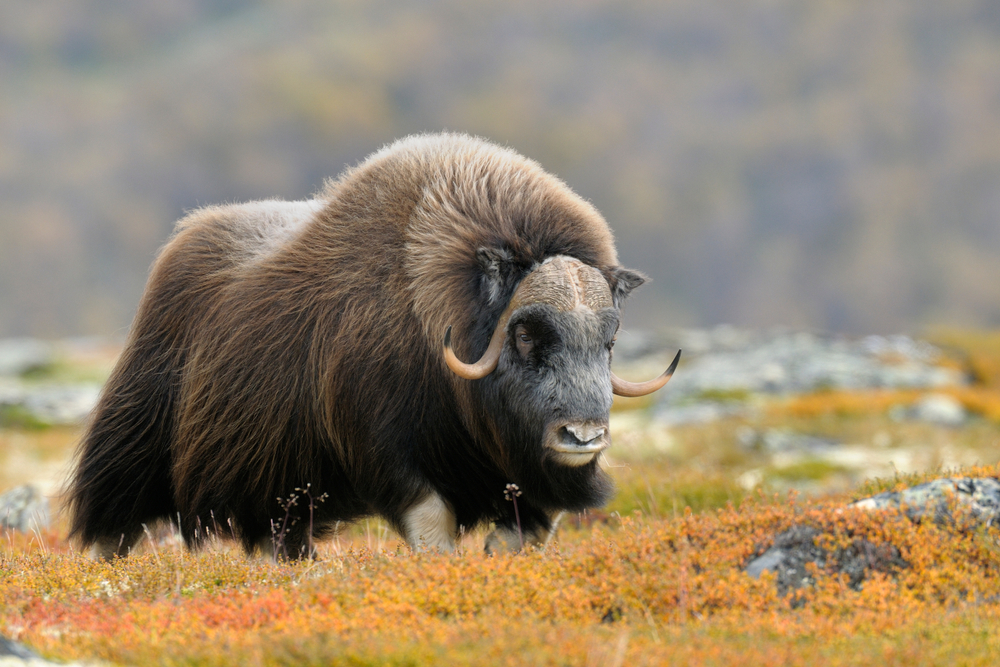
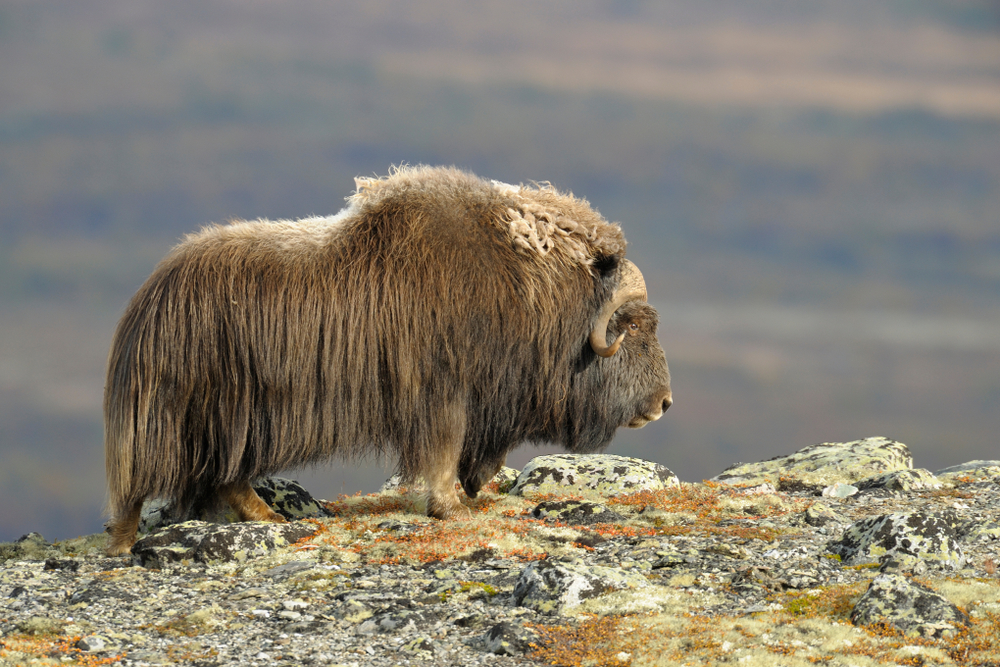
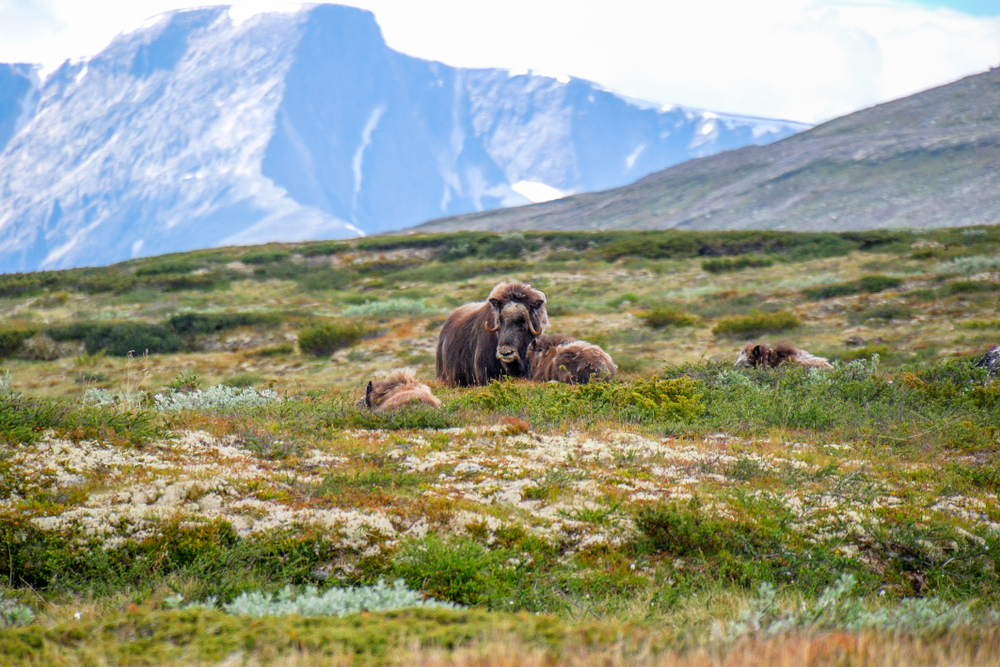
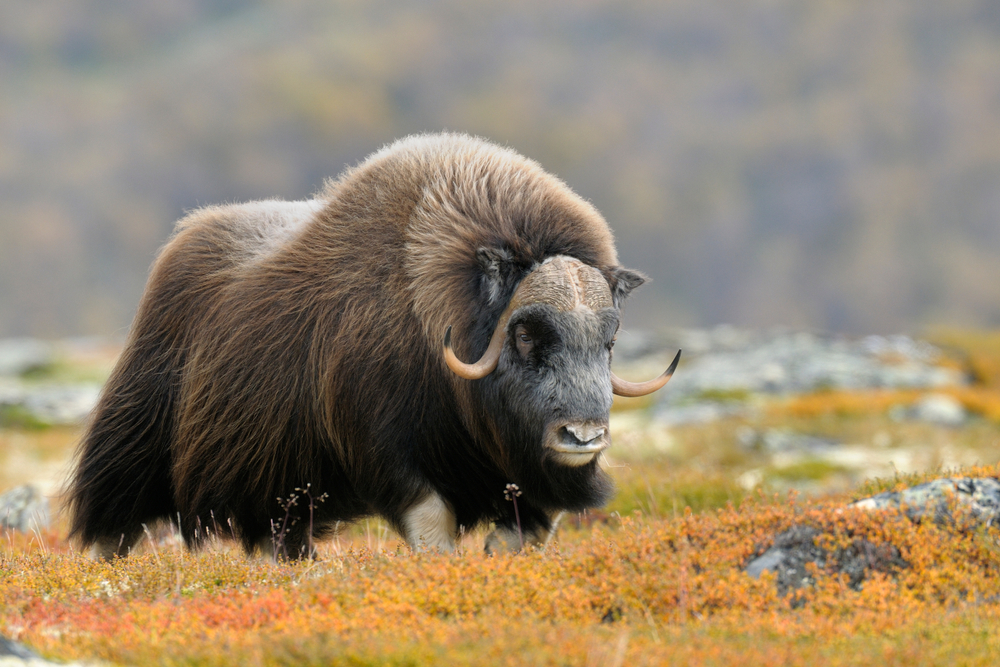
The Musk Oxen, also called Muskox or musk ox, is part of the Bovidae family.  It features a long shaggy coat of hair and horns that are similar to the cape buffalo in Africa.  The long hair and horns make it appear larger than it truly is.

Both males and females have these long-curved horns.  They reach a shoulder height as much as 5 feet (1.5 m) and males reaching lengths as much as 8.2 feet (2.5 m).  Females will be shorter in length reaching lengths up to 6.6 feet (2.01 m).  The males can reach up to 900 pounds (410 kg), but the average is around 630 pounds (285 kg).

Dovrefjell-Sunndalsfjella National Park Trails

One of the exciting things for hikers is that Dovrefjell Sunndalsfjella is the perfect place to hike and explore.  Many of the outings are in a pristine wilderness without the use of a designated trail.

placeholder

Storhaugen Trail

This loop trail is rated moderate with an elevation gain of 2,929 feet (892.76 m).  The loop covers a distance of 5.3 miles (8.53 km) while meandering through forest and over portions of the range.  There are chances to see wildlife as well as astounding panoramic views.

placeholder

Moskusstien Trail

This trail travels out 5.3 miles (8.53 km) while ascending 1,601 feet (487.98 m) to reach the end of the trail before turning around for the return trip back.  The trail is rated moderate with opportunities for birdwatching, chances to see wildlife, and stunning views of the majestic terrain.

placeholder

Trollheimen Trail

This is a challenging trek covering a distance of 39.2 miles (63.09 km) while experiencing an elevation gain of 9,320 feet (2,840.7 m).  The loop trail is rated difficult; however, it is an amazing adventure.  Hikers will see views of a lake, a waterfall, mountains, wildflowers, and wildlife.  Backpackers are the ones who leverage this trail because it is a multi-day endeavor.

placeholder

Snøhetta Viewpoint Trail

Rating: Easy

Distance and Elevation Gain: 2.8 miles round trip, with an elevation gain of about 400 feet (122 meters)

Description: This accessible trail leads to a magnificent viewpoint overlooking Snøhetta, Norway’s highest mountain outside the Jotunheimen range.

The path is family-friendly and offers panoramic views of the surrounding landscape, with interpretive signage along the way providing insights into the area’s geology and wildlife.

placeholder

Amotsdalshytta to Snøhetta Summit

Rating: Challenging

Distance and Elevation Gain: 10 miles round trip, with an elevation gain of about 2,600 feet (792 meters)

Description: For the adventurous hiker, this trail ascends to the summit of Snøhetta.

It’s a demanding hike through diverse terrains including rocky paths and snow fields, even in summer.

The reward is a breathtaking 360-degree view of the Dovrefjell range. Experience and preparation are essential for this hike.

placeholder

Knutshø Circuit

Rating: Moderate

Distance and Elevation Gain: 7.5 miles round trip, with an elevation gain of about 1,500 feet (457 meters)

Description: Circumnavigating the distinct Knutshø ridge, this trail offers varied landscapes from lush valleys to stark, rocky outcrops.

Hikers might spot wild reindeer and enjoy vast, open views of the Dovrefjell area.

It’s a solitary trek, perfect for experiencing the tranquility of Norwegian nature.

placeholder

Grønbakken to Reinheim

Rating: Easy to Moderate

Distance and Elevation Gain: 6 miles round trip, with minimal elevation gain

Description: Linking Grønbakken to the Reinheim cabin, this trail is part of the Dovrefjell’s extensive network of walking paths.

It’s ideal for those looking to immerse themselves in the park’s serene beauty without undertaking a strenuous hike.

The path crosses gentle streams and offers views of Snøhetta in the distance

placeholder

Snøhetta Viewpoint Trail

Rating: Easy

Distance and Elevation Gain: 2.8 miles round trip, with an elevation gain of about 400 feet (122 meters)

Description: This accessible trail leads to a magnificent viewpoint overlooking Snøhetta, Norway’s highest mountain outside the Jotunheimen range.

The path is family-friendly and offers panoramic views of the surrounding landscape, with interpretive signage along the way providing insights into the area’s geology and wildlife.

placeholder

Amotsdalshytta to Snøhetta Summit

Rating: Challenging

Distance and Elevation Gain: 10 miles round trip, with an elevation gain of about 2,600 feet (792 meters)

Description: For the adventurous hiker, this trail ascends to the summit of Snøhetta.

It’s a demanding hike through diverse terrains including rocky paths and snow fields, even in summer.

The reward is a breathtaking 360-degree view of the Dovrefjell range. Experience and preparation are essential for this hike.

placeholder

Knutshø Circuit

Rating: Moderate

Distance and Elevation Gain: 7.5 miles round trip, with an elevation gain of about 1,500 feet (457 meters)

Description: Circumnavigating the distinct Knutshø ridge, this trail offers varied landscapes from lush valleys to stark, rocky outcrops.

Hikers might spot wild reindeer and enjoy vast, open views of the Dovrefjell area.

It’s a solitary trek, perfect for experiencing the tranquility of Norwegian nature.

placeholder

Grønbakken to Reinheim

Rating: Easy to Moderate

Distance and Elevation Gain: 6 miles round trip, with minimal elevation gain

Description: Linking Grønbakken to the Reinheim cabin, this trail is part of the Dovrefjell’s extensive network of walking paths.

It’s ideal for those looking to immerse themselves in the park’s serene beauty without undertaking a strenuous hike.

The path crosses gentle streams and offers views of Snøhetta in the distance

Park Protection

The national park was created to preserve and protect the biodiverse alpine ecosystem which also supports important wildlife populations.  The park protects the only remaining herd of wild reindeer in the country.

Musk Oxen became extinct years ago, however, the government in cooperation with Greenland reestablished a population of musk oxen.  Protecting this species from future extinction is a top priority of the park’s conservation efforts.

Similarly, the park reintroduced the arctic fox which had become extinct from the area in 1990.  The population appears to be holding and sustaining.  Generically, the national park protects the exquisite pristine mountain wilderness and the striking landscapes.  It also invests in the cultural heritage that is also found within the park boundaries.

Sources