About

Okomu National Park, locally known as “Okomu Forest Reserve”, is one of Nigeria’s most biodiverse and ecologically significant protected areas. Situated in Edo State, this park spans approximately 200 square kilometers (77 square miles) and represents a fragment of the once-expansive tropical rainforests of southwestern Nigeria. Originally designated as a forest reserve in 1935, Okomu was upgraded to national park status in 1999 to enhance its protection and conservation efforts. Despite its small size, the park is a critical sanctuary for endangered species and a vital part of Nigeria’s natural heritage.

The terrain of Okomu National Park is characterized by lowland rainforests interspersed with swamp forests, rivers, and streams. The dense canopy of towering trees such as mahogany, iroko, and afara creates a lush environment that supports a variety of flora and fauna. Swampy areas provide essential habitats for aquatic species, while the drier upland forests sustain terrestrial wildlife. This diverse terrain is not only breathtaking but also vital for maintaining the ecological balance of the region.

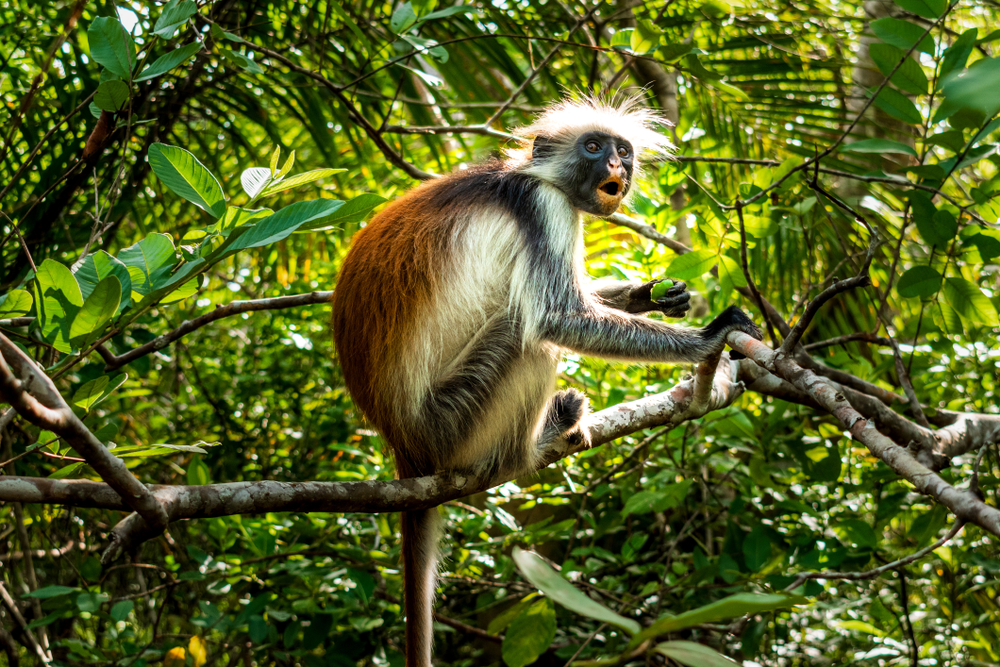
Okomu National Park is home to a wide array of wildlife, including some of Africa’s most iconic and endangered species. The park shelters the rare white-throated monkey and the Niger Delta red colobus monkey, both of which are critically endangered. Other primates, such as mona monkeys and patas monkeys, are also frequently sighted. Forest elephants, leopards, and buffalo roam the park, though sightings of these larger mammals are rare due to their elusive nature. Bird enthusiasts are drawn to Okomu for its vibrant avian population, which includes over 150 species such as the grey parrot, fish eagle, and the hornbill. Reptiles and amphibians, including crocodiles and frogs, thrive in the park’s rivers and swampy areas.

Visitors to Okomu National Park can engage with its natural beauty through guided forest walks and wildlife observation tours. Canopy walkways offer a unique vantage point for exploring the rainforest and spotting birds and primates. Boat trips along the park’s waterways provide serene experiences and opportunities to observe aquatic species. Eco-lodges near the park offer accommodations that allow visitors to immerse themselves in the tranquility of the forest. Cultural interactions with the local communities around the park provide insights into their traditional lifestyles and their role in conservation.

Despite its ecological significance, Okomu National Park faces challenges such as illegal logging, agricultural encroachment, and poaching. These threats have led to habitat degradation and declining wildlife populations. Conservation efforts, led by the Nigeria National Park Service and supported by local and international organizations, focus on reforestation, anti-poaching patrols, and community engagement. Environmental education programs aim to raise awareness about the importance of preserving the park’s unique biodiversity.

Okomu National Park is a gem of Nigeria’s rainforest ecosystems. Its rich biodiversity, stunning landscapes, and cultural significance make it a must-visit destination for eco-tourists and researchers. By protecting Okomu, Nigeria ensures the survival of its rainforest heritage and contributes to global efforts to conserve endangered species.

Things to See

Popular

Okomu National Park, a fragment of the once vast Nigerian rainforest, is a sanctuary for rare and endangered wildlife. Its dense forests and waterways provide a vital habitat for a variety of iconic species.

White-throated Monkey (Cercopithecus erythrogaster)
This endangered primate is endemic to Nigeria and Benin and is a key species in Okomu. It inhabits the park’s dense canopy, feeding on fruits, leaves, and insects, and plays a significant role in seed dispersal.

Forest Elephant (Loxodonta cyclotis)
Smaller and more elusive than savannah elephants, forest elephants roam the park’s woodlands. They contribute to forest regeneration by dispersing seeds and clearing dense vegetation.

Chimpanzee (Pan troglodytes)
The park is home to the endangered chimpanzee, known for its intelligence and complex social behavior. These primates forage for fruits, nuts, and insects in the forest canopy and are crucial for maintaining ecological balance.

Leopard (Panthera pardus)
Elusive and solitary, leopards are apex predators in Okomu’s rainforest. They prey on monkeys, duikers, and other small mammals, relying on their agility and stealth.

Tree Pangolin (Phataginus tricuspis)
A rare and shy resident, the tree pangolin is an arboreal mammal covered in protective scales. It feeds primarily on ants and termites, using its prehensile tail for climbing.

Forest Buffalo (Syncerus caffer nanus)
The forest buffalo, a smaller subspecies of the African buffalo, inhabits the park’s woodlands. It grazes on grasses and shrubs and plays a role in vegetation management.

Crested Porcupine (Hystrix cristata)
This nocturnal rodent is covered in sharp quills for defense. It forages on roots, tubers, and fallen fruits, contributing to the forest’s nutrient cycle.

Maxwell’s Duiker (Cephalophus maxwellii)
This small antelope is a common inhabitant of the park’s undergrowth. It feeds on leaves, fruits, and shoots, often moving in pairs or alone.

Bushbuck (Tragelaphus scriptus)
A shy and solitary antelope, the bushbuck inhabits dense forest edges and feeds on a variety of vegetation, including leaves and fruits.

Crocodile (Crocodylus spp.)
The park’s rivers and wetlands are home to crocodiles, which are apex predators in these aquatic ecosystems. They prey on fish, small mammals, and other animals that come to drink.

Birds

Okomu National Park is a haven for bird enthusiasts, with its rich rainforest ecosystem supporting an extraordinary diversity of avian life, including many rare and endemic species.

Grey Parrot (Psittacus erithacus)
This intelligent and charismatic parrot thrives in the park’s forests, feeding on fruits, seeds, and nuts. Its mimicry abilities make it one of the most iconic birds of the region.

Yellow-casqued Hornbill (Ceratogymna elata)
A large and striking bird, the yellow-casqued hornbill is vital for seed dispersal in the park’s rainforest.

Great Blue Turaco (Corythaeola cristata)
This colorful and social bird is often seen moving through the canopy, feeding on fruits and acting as a seed disperser.

White-crested Tiger Heron (Tigriornis leucolopha)
This elusive bird inhabits the park’s wetlands, where it hunts for fish, frogs, and aquatic invertebrates.

Woodland Kingfisher (Halcyon senegalensis)
This vibrantly colored bird is a frequent sight near the park’s water bodies, feeding on fish, insects, and small reptiles.

Blue-headed Coucal (Centropus monachus)
A secretive bird that thrives in dense vegetation, it feeds on insects and small animals in the park’s rainforest.

Black-casqued Hornbill (Ceratogymna atrata)
Another iconic hornbill species, this bird is critical for maintaining the park’s forest ecology through seed dispersal.

Yellow-billed Turaco (Tauraco macrorhynchus)
This vibrantly colored bird is often spotted in the park’s canopy, feeding on fruits and berries.

African Emerald Cuckoo (Chrysococcyx cupreus)
A strikingly beautiful bird, the African emerald cuckoo inhabits the park’s dense forests, feeding on insects and fruits.

White-throated Bee-eater (Merops albicollis)
This migratory bird frequents the park’s forest edges and clearings, feeding on flying insects.

Things To Do

Engaging Okomu National Park

placeholder

Hikes & Canopy Walks

placeholder

Birdwatching

placeholder

Cultural Heritage