About

Kamuku National Park, located in Kaduna State, Nigeria, is a protected area renowned for its diverse wildlife, striking landscapes, and ecological significance. Covering approximately 1,121 square kilometers (433 square miles), the park is managed by the Nigeria National Park Service and is one of the country’s important conservation areas. Locally referred to as “Filin Kamuku”, the park plays a vital role in protecting the savanna ecosystems of northwestern Nigeria.

The terrain of Kamuku National Park is predominantly a blend of savanna woodlands, rolling hills, rocky outcrops, and open grasslands. Seasonal rivers and streams, such as the Bunsuru River, provide water sources for wildlife, particularly during the dry season. The vegetation is characterized by drought-resistant plants, including acacia trees, baobabs, and various shrubs, which thrive in the park’s semi-arid climate. This landscape supports a rich variety of species, making it an essential area for biodiversity conservation.

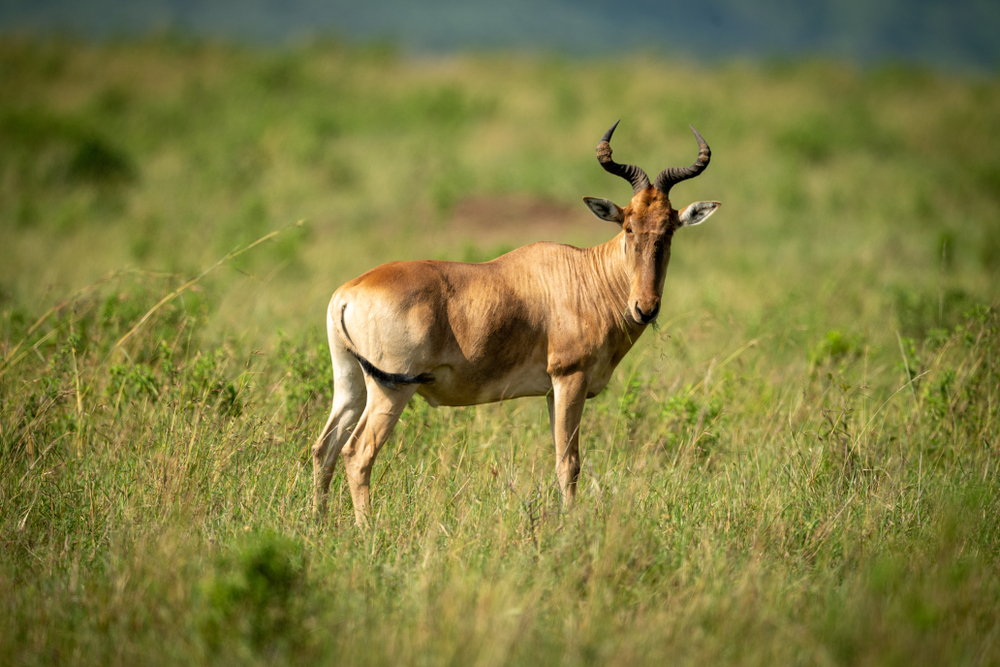
Kamuku National Park is home to a wide array of wildlife, including several iconic African species. Large mammals such as elephants, roan antelope, and hartebeest can be spotted in the park, while smaller animals like warthogs, baboons, and patas monkeys are common. Predators, including leopards and hyenas, inhabit the area but are elusive. The park is also a birdwatcher’s paradise, with over 200 recorded bird species, including the Abyssinian ground hornbill, grey-headed kingfisher, and black-headed heron. Reptiles and amphibians, such as monitor lizards and frogs, add to the park’s ecological richness.

Visitors to Kamuku National Park can enjoy a range of activities that highlight its natural beauty. Guided safaris and game drives offer opportunities to observe wildlife in their natural habitats, while nature walks allow for closer exploration of the savanna and woodlands. Birdwatching is particularly rewarding, given the park’s rich avian diversity. The park also offers cultural experiences, including visits to nearby communities where visitors can learn about traditional practices and the importance of conservation in local livelihoods.

Despite its significance, Kamuku National Park faces challenges such as poaching, habitat degradation, and human-wildlife conflict. Limited infrastructure and funding have also hindered the park’s development as a major tourist destination. Conservation efforts led by the Nigeria National Park Service, in collaboration with local and international partners, focus on anti-poaching initiatives, habitat restoration, and community engagement. These efforts aim to balance ecological preservation with sustainable development and ensure the park’s long-term viability.

Kamuku National Park is a gem of Nigeria’s natural heritage. Its diverse landscapes, rich wildlife, and cultural significance make it an important destination for eco-tourists and researchers. Protecting this park is crucial for conserving Nigeria’s savanna ecosystems and ensuring that its unique biodiversity is preserved for future generations.

Things to See

Popular

Kamuku National Park, located in northwestern Nigeria, is a haven of savannah woodlands and open plains. Its diverse habitats are home to a wide variety of wildlife, many of which are uniquely adapted to this semi-arid environment.

Roan Antelope (Hippotragus equinus)
The roan antelope is one of the largest antelopes in Kamuku, easily recognizable by its striking black-and-white facial markings. It thrives in the park’s grasslands, grazing on tough vegetation and forming small herds.

Leopard (Panthera pardus)
Elusive and solitary, the leopard is a top predator in Kamuku. It preys on antelope, warthogs, and smaller mammals, using stealth and strength to ambush its prey.

African Buffalo (Syncerus caffer)
These powerful herbivores roam the park’s open savannahs and woodlands. Buffalo are social animals, forming large herds for protection against predators.

Warthog (Phacochoerus africanus)
Warthogs are common in Kamuku’s open areas, where they dig for roots and tubers with their sharp tusks. They are often seen in family groups near water sources.

Kob (Kobus kob)
This graceful antelope is a common sight in Kamuku’s floodplains and savannahs. It feeds on grasses and is known for its agility, which helps it evade predators.

Bushbuck (Tragelaphus scriptus)
Bushbucks are shy and prefer dense cover near water sources. They feed on leaves, fruits, and grasses and are often spotted during early morning or evening.

Spotted Hyena (Crocuta crocuta)
As both a scavenger and skilled hunter, the spotted hyena plays an essential role in Kamuku’s ecosystem. It preys on smaller mammals and scavenges carrion, recycling nutrients back into the environment.

Aardvark (Orycteropus afer)
This nocturnal mammal feeds on ants and termites, using its powerful claws to dig into mounds. Its solitary nature and unique appearance make it a fascinating resident of the park.

Pangolin (Smutsia spp.)
Covered in protective scales, the pangolin is a rare and shy inhabitant of Kamuku. It feeds primarily on ants and termites and is nocturnal by nature.

Red-flanked Duiker (Cephalophus rufilatus)
This small antelope is commonly found in the park’s dense undergrowth. It feeds on fruits, leaves, and shoots, using its agility to navigate through the vegetation.

Birds

Kamuku National Park is a paradise for birdwatchers, with its mix of savannahs, woodlands, and wetlands supporting a rich diversity of avian species. It is home to both resident and migratory birds, making it a vibrant destination for bird enthusiasts.

Saddle-billed Stork (Ephippiorhynchus senegalensis)
This striking bird, with its vibrant red and yellow bill, is often seen wading in the park’s wetlands, hunting fish and small reptiles.

African Fish Eagle (Haliaeetus vocifer)
A familiar sight near water sources, this majestic raptor preys on fish and is known for its distinctive call.

Grey Crowned Crane (Balearica regulorum)
With its golden crown of feathers, this elegant bird frequents the park’s floodplains, feeding on seeds, insects, and small aquatic creatures.

Marabou Stork (Leptoptilos crumenifer)
A large scavenger, the marabou stork is often seen near carrion and water sources, playing a vital role in cleaning the ecosystem.

Northern Carmine Bee-eater (Merops nubicus)
This vibrantly colored bird nests in colonies along sandy banks and feeds on flying insects, creating a dazzling display.

Helmeted Guineafowl (Numida meleagris)
This ground-dwelling bird is frequently seen in the park’s savannahs, foraging for seeds, insects, and small invertebrates.

Piapiac (Ptilostomus afer)
A social and vocal bird, the piapiac is often found near grazing animals, feeding on insects and small prey disturbed by their movements.

Abyssinian Ground Hornbill (Bucorvus abyssinicus)
This large terrestrial bird roams the park’s open areas, feeding on insects, reptiles, and small mammals.

Pied Kingfisher (Ceryle rudis)
Known for its hovering dives, the pied kingfisher is a common sight near Kamuku’s rivers, expertly hunting small fish.

Yellow-billed Kite (Milvus aegyptius)
This adaptable raptor is frequently seen gliding above the park, scavenging and hunting for small animals and insects.

Things To Do

Engaging Kamuku National Park

placeholder

Game Drives

placeholder

Nature Hikes

placeholder

Birdwatching