About

Kainji National Park, located in northwestern Nigeria, is one of the country’s oldest and most significant protected areas. Established in 1978, the park spans approximately 5,382 square kilometers (2,078 square miles) across Niger and Kwara states. It is managed by the Nigeria National Park Service and serves as a critical habitat for wildlife, a key area for conservation, and an important resource for eco-tourism. The park is named after Kainji Lake, a large reservoir formed by the Kainji Dam on the Niger River, which is central to the park’s ecosystem and cultural identity.

The park is divided into three main sections: the Kainji Lake area, the Borgu Game Reserve, and the Zugurma Game Reserve. The terrain is a blend of rolling savannas, riverine forests, and rocky outcrops, creating a diverse landscape that supports a wide range of plant and animal species. The presence of Kainji Lake, with its vast stretches of water and associated wetlands, adds a unique dimension to the park, providing vital resources for aquatic and terrestrial wildlife.

Kainji National Park is home to an impressive array of wildlife. Large mammals such as elephants, hippopotamuses, and waterbucks can be found within its boundaries, while predators like lions, leopards, and hyenas roam the savanna regions. The park also supports smaller species such as warthogs, monkeys, and various antelope. The lake and wetlands are a haven for aquatic life, including crocodiles and numerous fish species, which are vital to the local fishing economy. Birdlife in the park is diverse, with over 200 recorded species, including African fish eagles, herons, and pelicans, making it a prime destination for birdwatchers.

Visitors to Kainji National Park can engage in various activities that highlight its natural beauty. Game drives through the Borgu and Zugurma reserves offer opportunities to observe wildlife in their natural habitats. Boat trips on Kainji Lake provide stunning views of the water and its surrounding landscapes while allowing visitors to spot aquatic wildlife. Fishing and guided nature walks are also popular activities. Cultural interactions with local communities near the park provide insights into their traditional lifestyles and the importance of conservation in their daily lives.

Despite its ecological and cultural significance, Kainji National Park faces challenges such as poaching, overfishing, and habitat encroachment due to agricultural expansion. Additionally, limited funding and infrastructure hinder conservation efforts and tourism development. To address these issues, the Nigeria National Park Service collaborates with international conservation organizations to implement anti-poaching measures, habitat restoration projects, and community engagement initiatives. These efforts aim to balance ecological preservation with sustainable development.

Kainji National Park remains a vital part of Nigeria’s natural heritage. Its rich biodiversity, diverse landscapes, and connection to Kainji Lake make it a unique destination for eco-tourists and researchers. Protecting this park is essential for maintaining its ecological integrity and ensuring its sustainability for future generations.

Things to See

Popular

Kainji National Park, located in Nigeria, is a vast protected area comprising three distinct sectors: the Kainji Lake area, Borgu Game Reserve, and Zugurma Game Reserve. This park is a sanctuary for diverse species adapted to its savannahs, forests, and aquatic habitats.

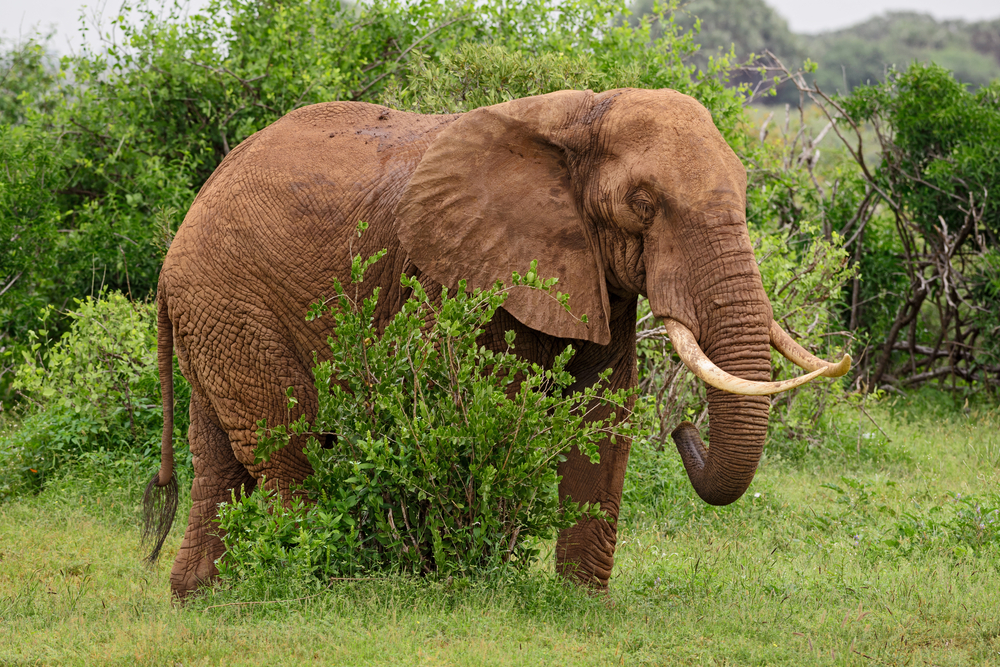
African Elephant (Loxodonta africana)
African elephants are a key species in Kainji National Park, roaming the savannah and woodland areas. They play a vital ecological role by dispersing seeds and creating pathways through dense vegetation.

Lion (Panthera leo)
Lions are apex predators in the park’s savannahs and woodlands, hunting herbivores such as antelope, buffalo, and warthogs. Their presence is critical to maintaining the park’s ecological balance.

Leopard (Panthera pardus)
Leopards are elusive predators that inhabit the park’s forests and rocky outcrops. They prey on smaller mammals and antelope, relying on stealth and agility to hunt.

Hippopotamus (Hippopotamus amphibius)
The waterways of Kainji Lake and its tributaries are home to hippos, which spend their days submerged to stay cool and graze on grasses at night.

African Buffalo (Syncerus caffer)
Large herds of buffalo are commonly seen in the park’s grasslands and near water sources. These herbivores are a favored prey of lions and contribute to vegetation management.

Warthog (Phacochoerus africanus)
Warthogs forage in the park’s open savannahs, digging for roots and tubers with their tusks. They are often seen in family groups near waterholes.

Spotted Hyena (Crocuta crocuta)
Spotted hyenas are both scavengers and skilled hunters. They play an essential role in recycling nutrients back into the ecosystem by consuming carrion.

Nile Crocodile (Crocodylus niloticus)
Kainji Lake and its rivers provide a habitat for Nile crocodiles, which prey on fish, mammals, and other animals that come to drink.

Roan Antelope (Hippotragus equinus)
This large and distinctive antelope is a frequent sight in the park’s savannahs. Roan antelopes graze on grasses and are known for their impressive speed and agility.

Bushbuck (Tragelaphus scriptus)
Bushbucks are shy antelopes that prefer dense cover near water sources. They feed on leaves, fruits, and grasses and are often spotted during early morning or late evening hours.

Birds

Kainji National Park is a haven for bird enthusiasts, with its mix of aquatic, forested, and savannah habitats supporting a rich diversity of avian life. It is home to many resident and migratory bird species.

African Fish Eagle (Haliaeetus vocifer)
This iconic raptor is often seen soaring above Kainji Lake, hunting fish with its sharp talons. Its distinctive call is a hallmark of the park’s wilderness.

Goliath Heron (Ardea goliath)
The largest heron species in the world, the goliath heron thrives along the shores of Kainji Lake, where it hunts fish and amphibians.

Grey Crowned Crane (Balearica regulorum)
This elegant bird frequents the park’s wetlands and grasslands, feeding on seeds, insects, and small aquatic creatures.

Pied Kingfisher (Ceryle rudis)
Known for its hovering dives, the pied kingfisher is a common sight near Kainji Lake and other water bodies, expertly hunting small fish.

Saddle-billed Stork (Ephippiorhynchus senegalensis)
This striking stork, with its colorful bill, is often seen wading in the park’s wetlands, hunting fish, frogs, and small reptiles.

Helmeted Guineafowl (Numida meleagris)
A ground-dwelling bird, the helmeted guineafowl forages in the park’s savannahs for seeds, insects, and small invertebrates.

Northern Carmine Bee-eater (Merops nubicus)
This vibrantly colored bird nests in sandy riverbanks and feeds on flying insects, creating a dazzling display in flight.

Marabou Stork (Leptoptilos crumenifer)
This large scavenger is often seen near water sources and carrion, playing a critical role in maintaining ecological health.

African Grey Hornbill (Lophoceros nasutus)
A regular sight in the park’s woodlands, this hornbill feeds on fruits, insects, and small animals, often moving in pairs or small groups.

Yellow-billed Kite (Milvus aegyptius)
This adaptable raptor is frequently seen soaring above the park, scavenging and hunting for small animals and insects.

Things To Do

Engaging Kainji National Park

placeholder

Game Drives

placeholder

Boat Safaris

placeholder

Cultural Heritage