About

Chitwan National Park is located in the central part of southern Nepal as part of the elongated river valley of the Inner Terai lowlands.  The national park encompasses an area of 367.81 square miles (952 sq km).

The elevation of the park varies from 330 feet (100 m) occurring in the lowland river valleys to the Churia Hills with a height of 2,674 feet (815 m).  East of Chitwan is the adjacent Parsa National Park which connects to Valmiki National Park giving further protection to the lowland river valleys as well as extensive forested areas.

Collectively, all three parks work together to creating the Tiger Conservation Unit encompassing an area of 1,370 square miles (3,549 sq km).  The collective area protects extensive grasslands and subtropical deciduous forests as an investment in protecting tiger populations.

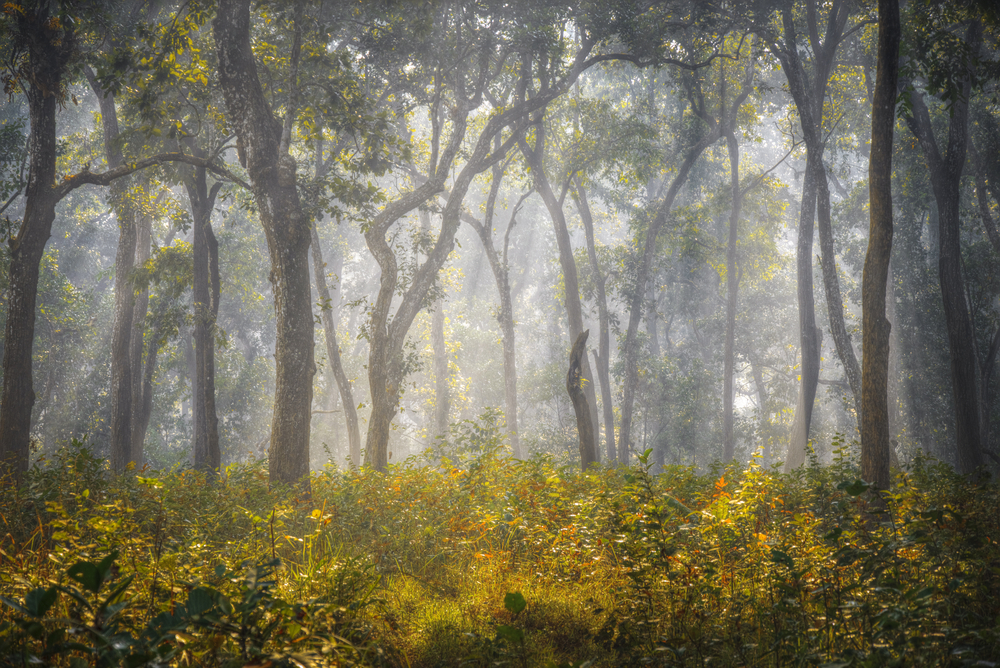
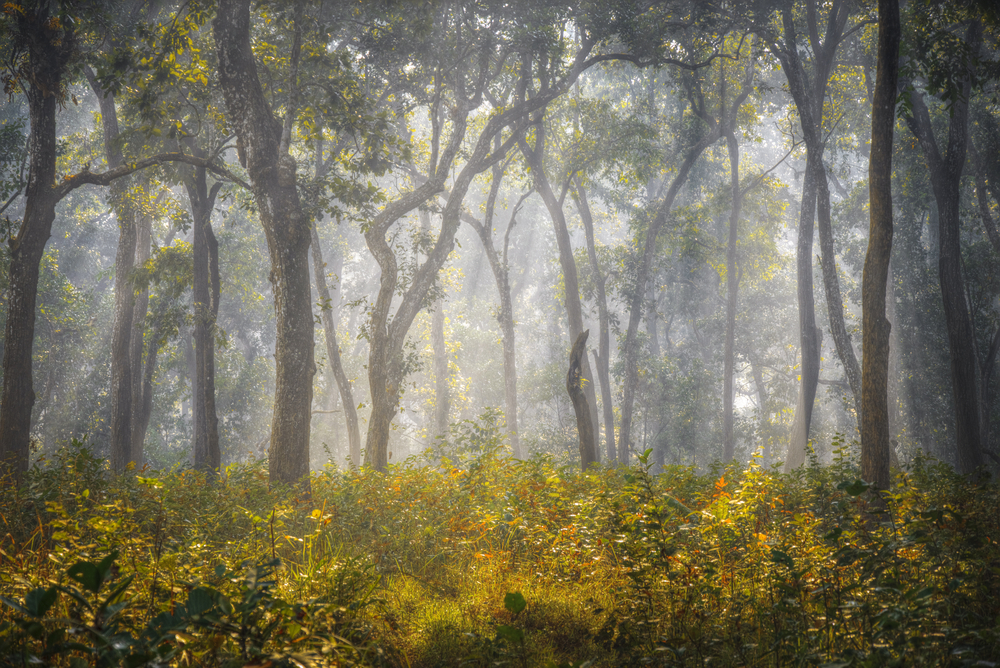
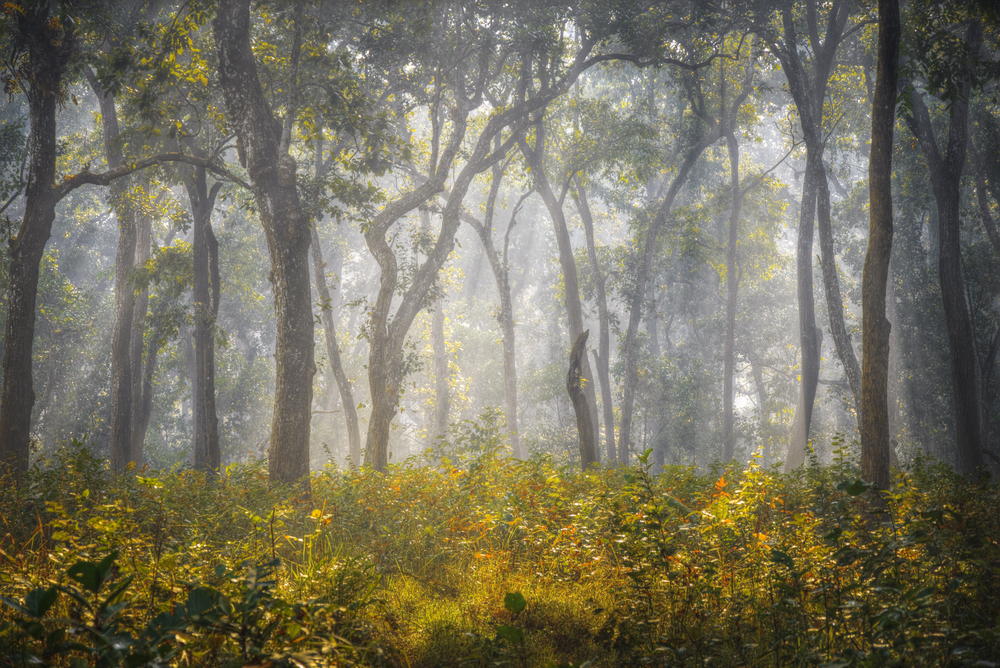
The majority of the subtropical forest is made up of Sal trees accounting for about 70% of the park area.  Chir pine is introduced as the elevation changes going into the Churia Hills.  Savanna and grasslands make up most of the remaining 20% of the park.  Elephant grass is the world’s tallest grass and it makes up a fair amount of the grasslands.

The king cobra and rock python are two of the more popular snakes with an additional 17 species.  Mugger crocodiles are another one of the popular reptiles found within Chitwan national park.

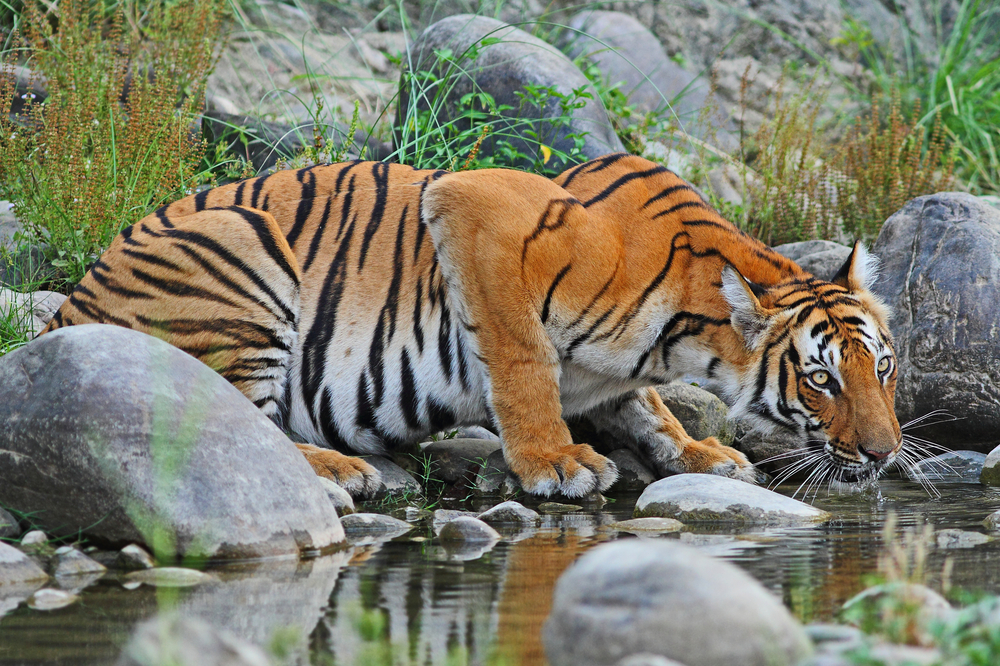
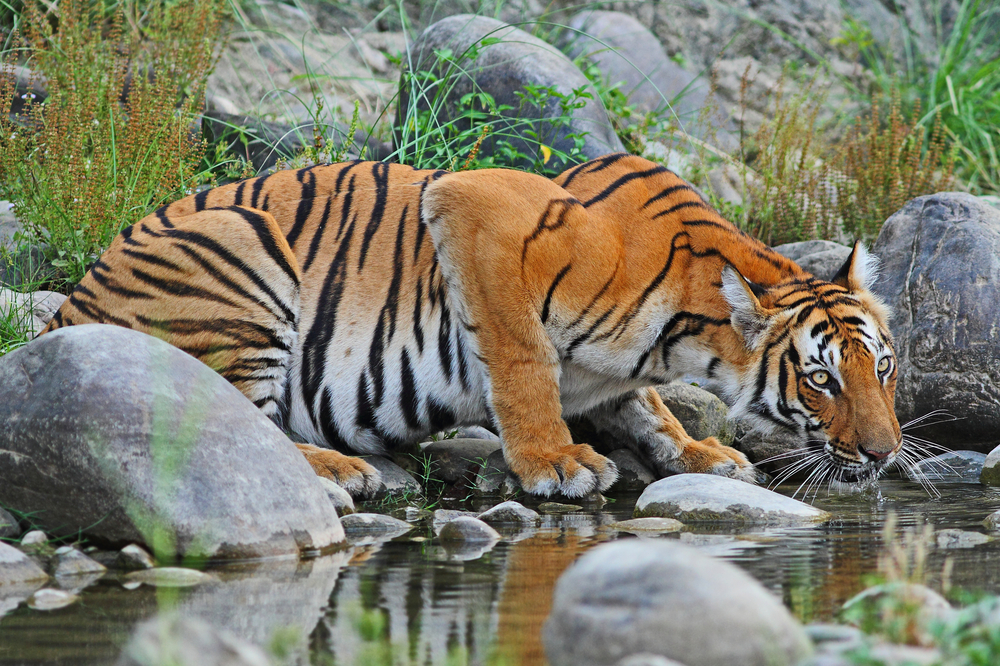
There are 68 species of mammals with the most popular being the Bengal tiger.  It is affectionately known as “king of the jungle.”  There are approximately 80 tigers living with the park boundaries.

Leopards are also found within Chitwan, however, they tend to be on the outer edges of the park and harder to come across.  Additional popular predators include foxes, honey badgers, wild dogs, striped hyenas, jackals, fishing cats, jungle cats, and leopards cats.

There are approximately 250 sloth bears with Chitwan National Park having the distinction of possessing the greatest population density.  Additionally, the park has the greatest number of rhinoceroses in Nepal.  Birdwatchers can anticipate capturing a sighting of some of the 543 species of birds.

Indian Bison, also known as gaurs, roam the Churia Hills but it is more challenging to explore this area making sightings more challenging.  Boar, sambar deer, hog deer, four-horned antelope, red muntjac, rhesus monkeys, and Indian porcupines account for many of the other species of wildlife calling Chitwan home.

Things to See

Wildlife is the highlight or the national park with the Bengal tiger being the ultimate animal sighting.  Chitwan is a leading tourist attraction for the country of Nepal.

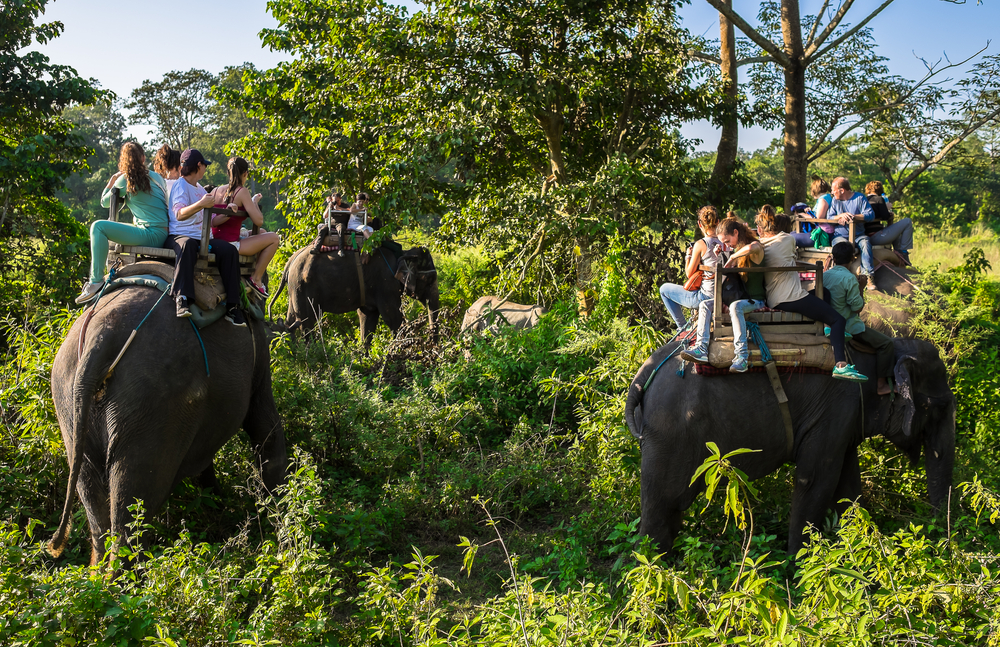
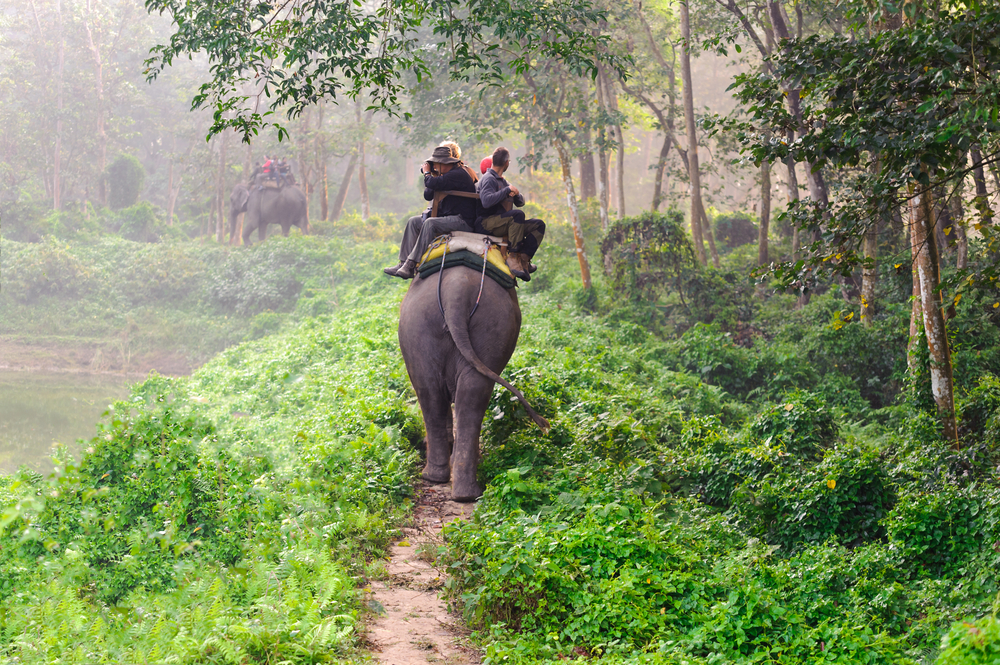
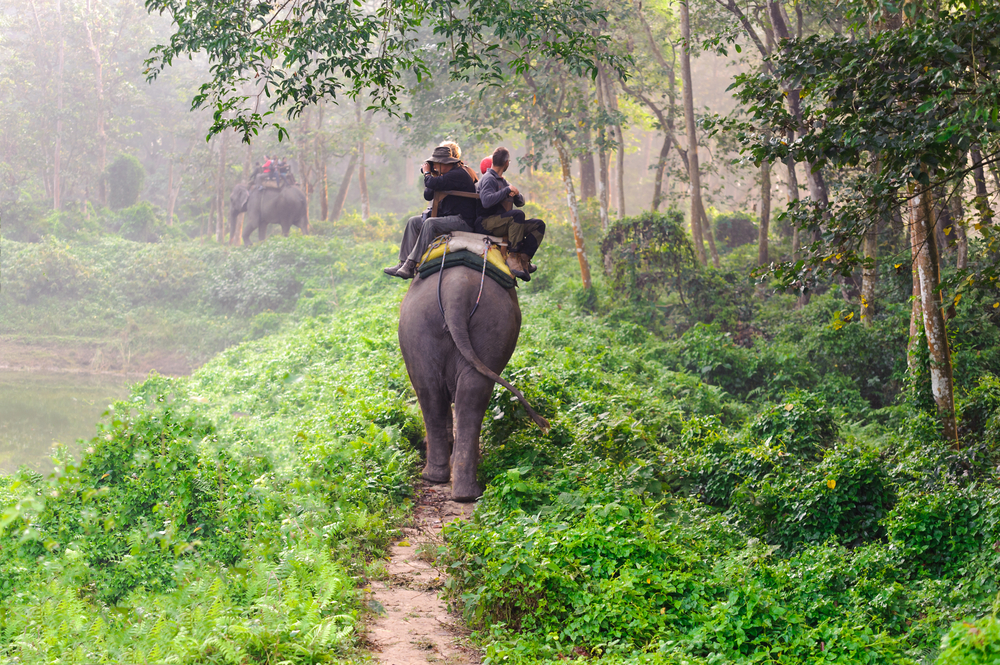
Taking in the wildlife on the back of an elephant is one of the more adventurous ways to explore the park.

Predators

Predators

Chitwan National Park is a vital stronghold for predators, each playing an essential role in the park’s food web and contributing to its ecological diversity.

Bengal Tiger
The majestic Bengal Tiger, at the apex of Chitwan’s food chain, plays a crucial role in maintaining the balance between predator and prey populations.

Leopard
Stealthy and elusive, the Leopard is a versatile predator in Chitwan, capable of hunting in both the trees and on the ground with remarkable agility.

Sloth Bear
Primarily nocturnal, Sloth Bears, with their shaggy coats and powerful claws, are formidable predators, feeding on termites, fruits, and occasionally small mammals.

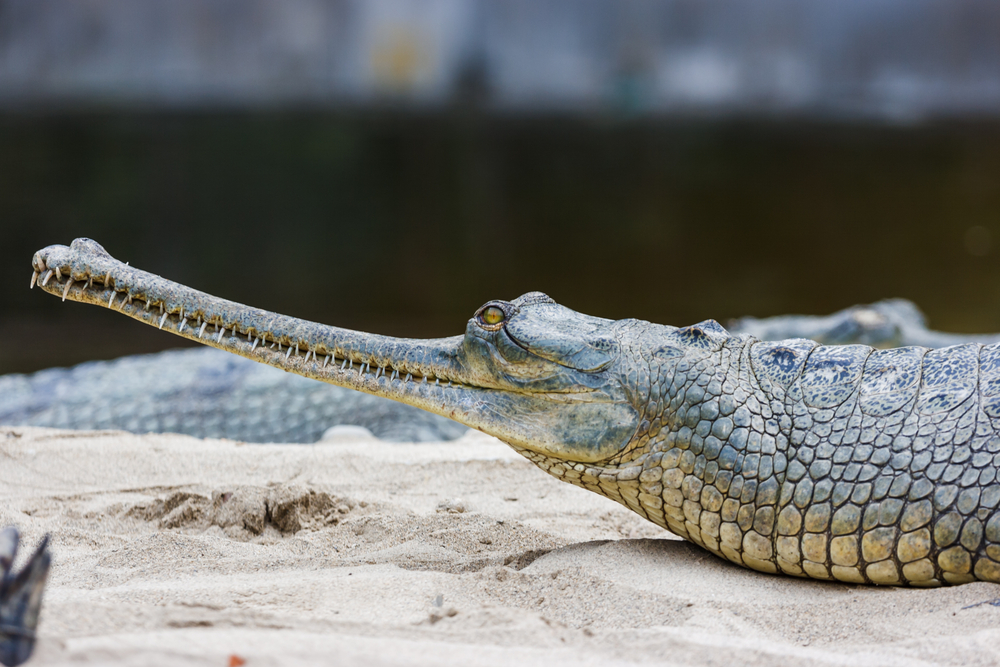
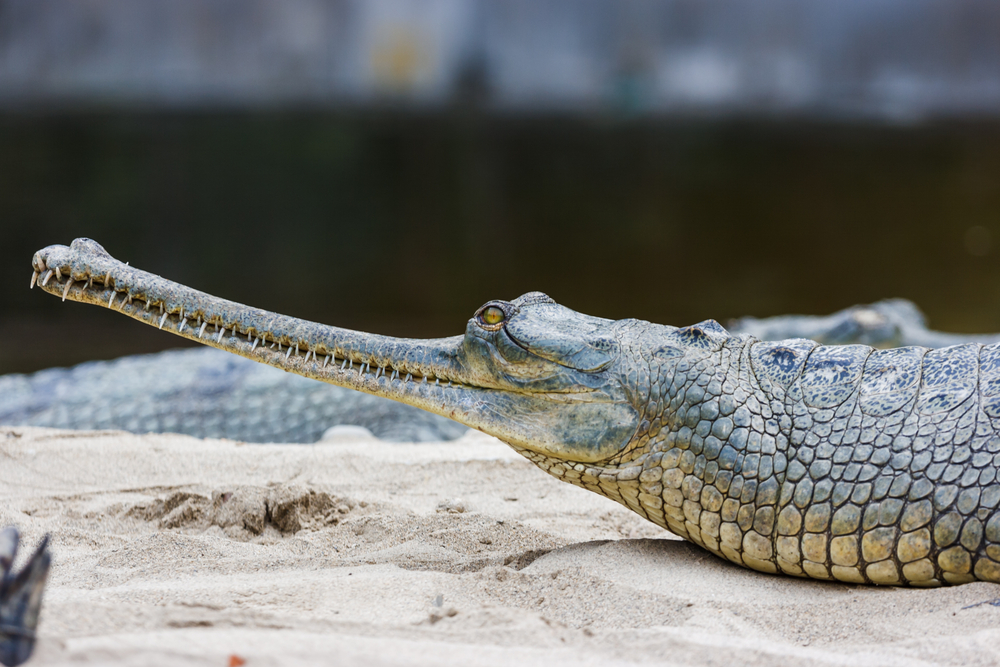
Gharial
The fish-eating Gharial, with its distinctive long snout, is an important aquatic predator, contributing to the health of Chitwan’s river ecosystems.

Marsh Mugger Crocodile
More generalized in its diet than the Gharial, the Marsh Mugger preys on a variety of aquatic and near-water animals, maintaining the balance in aquatic habitats.

Indian Python
The Indian Python, one of the largest snakes in the world, preys on a variety of animals, showcasing the diversity of predatory tactics in Chitwan.

Golden Jackal
Adaptable and opportunistic, Golden Jackals in Chitwan are known to hunt small to medium-sized animals and scavenge, playing a key role in the ecosystem.

These predators are integral to Chitwan National Park’s status as a biodiversity hotspot, each contributing to the complex and dynamic balance of this unique ecosystem.

Popular

Popular

Chitwan National Park is renowned for its diverse wildlife, offering a sanctuary for an array of species that highlight the richness of Nepal’s natural heritage.

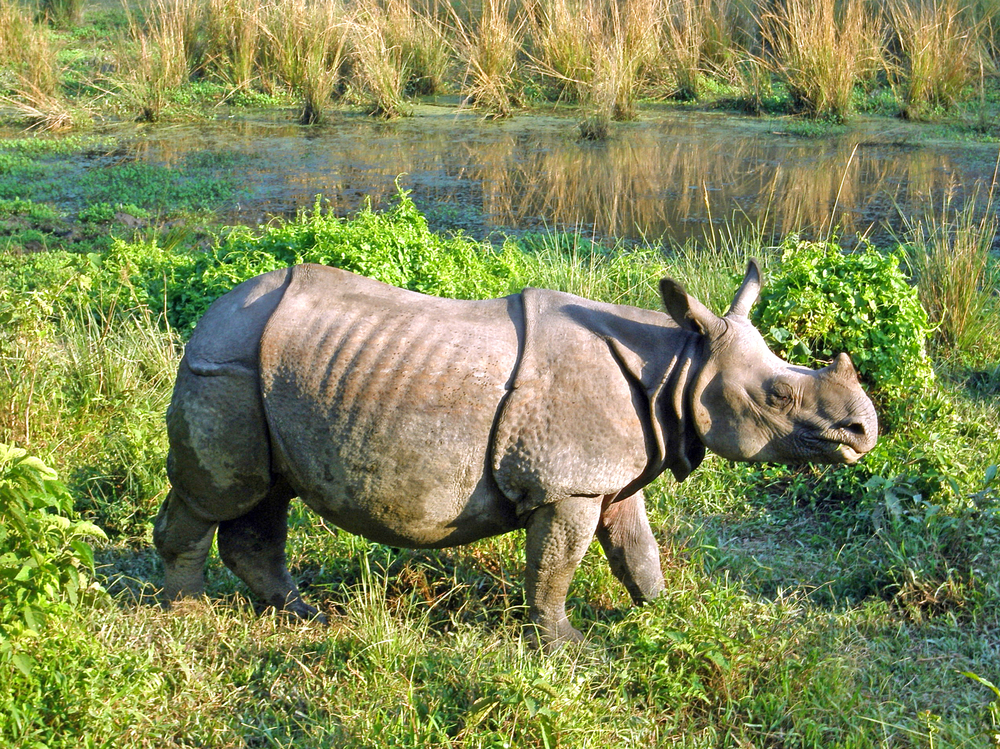
One-horned Rhinoceros
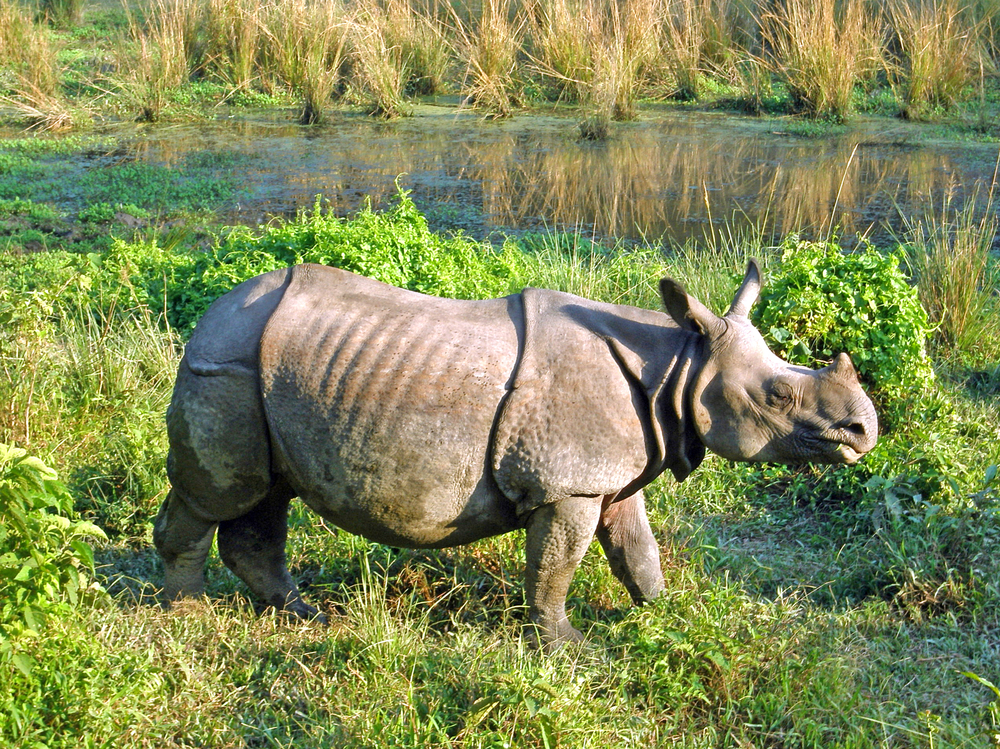
A symbol of Chitwan’s conservation success, the One-horned Rhinoceros is known for its armored skin and singular horn, thriving in the park’s grasslands.

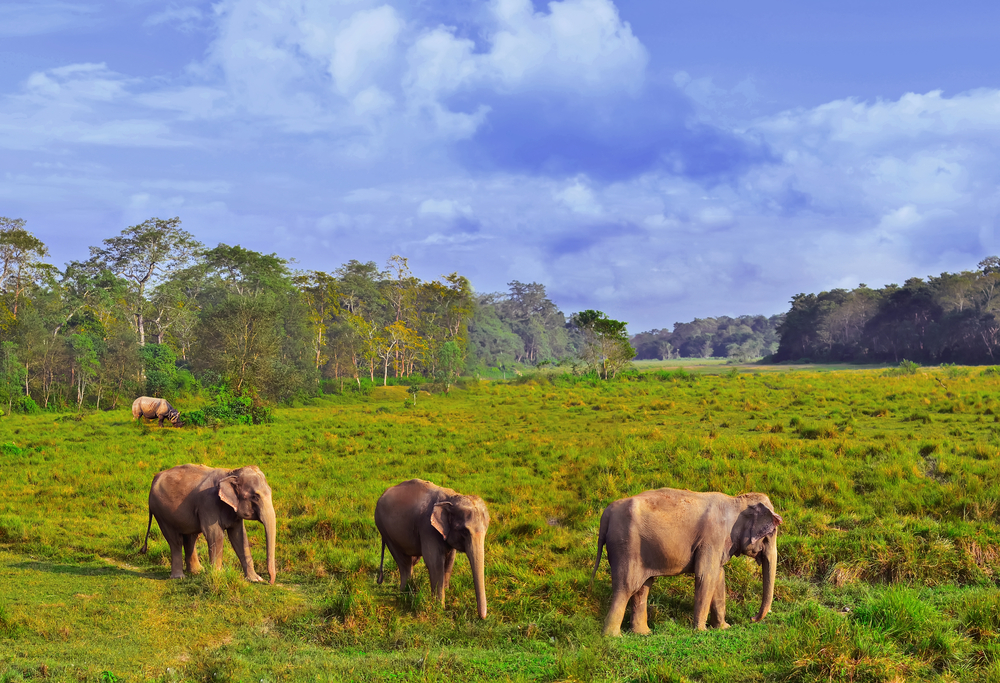
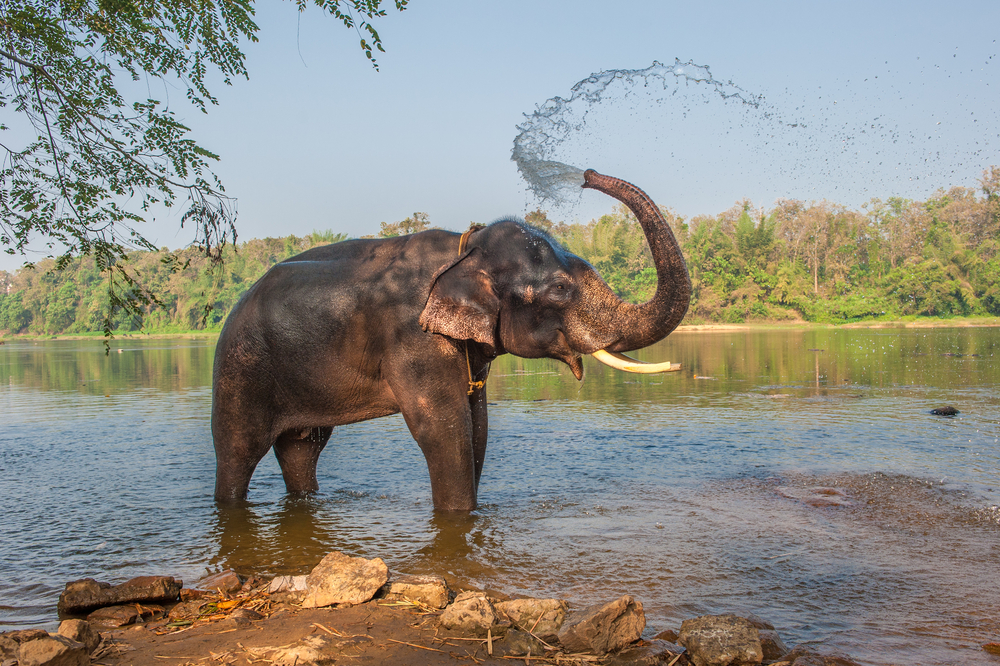
Asian Elephant
These gentle giants are integral to Chitwan’s ecosystem, their migratory paths helping to maintain forest clearings and support biodiversity.

Gaur (Indian Bison)
The imposing Gaur, Asia’s largest wild cattle, grazes in Chitwan’s meadows, its presence indicative of the park’s healthy grassland ecosystem.

Sambar Deer
The largest of the Indian deer species, Sambar Deer are a vital food source for Chitwan’s predators, contributing to the ecological balance.

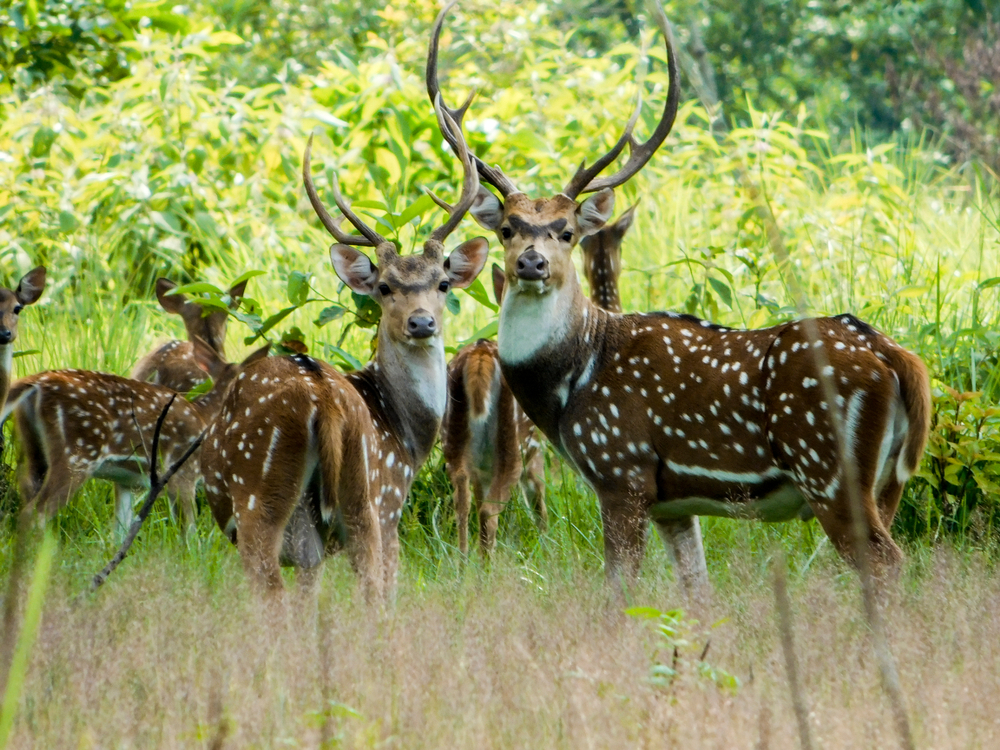
Spotted Deer (Chital)
With their distinctive spotted coats, Chital are among the most commonly seen herbivores, playing a crucial role in the food web.

Barasingha (Swamp Deer)
Adapted to wet environments, the Barasingha’s survival in Chitwan is a testament to the park’s successful wetland conservation efforts.

Wild Boar
Omnivorous and adaptable, Wild Boars have a significant impact on the ecosystem, aiding in seed dispersal and providing prey for larger predators.

Indian Pangolin
Covered in protective scales, the Indian Pangolin is a nocturnal feeder on ants and termites, contributing to insect population control.

Bengal Florican
A critically endangered bird, the Bengal Florican’s presence in Chitwan underscores the park’s importance for the conservation of rare bird species.

Lesser Adjutant Stork
Tall and stately, the Lesser Adjutant Stork is often seen in wetlands, playing a role in the aquatic food web as a scavenger and predator.

Chitwan National Park’s array of species, from the iconic One-horned Rhinoceros to the elusive Bengal Florican, showcases the park’s crucial role in global biodiversity conservation.

Things To Do

Exploring the nature and wildlife of the national park is the activity.  The primary choice that anyone needs to make is how.  Take a look at the ways you can search for wildlife.
Elephant safari

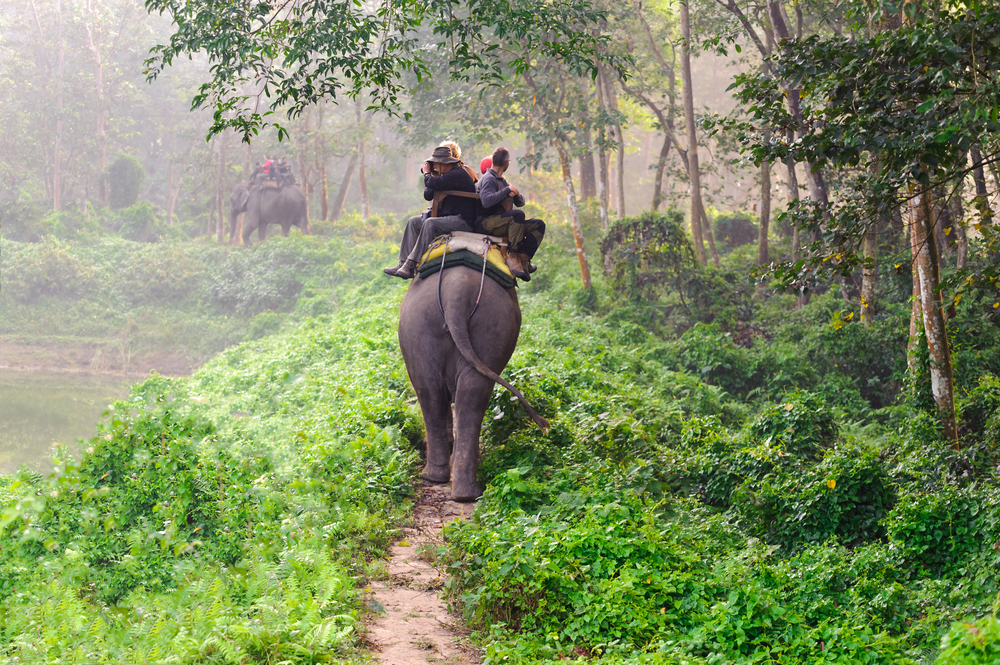
Taking an elephant safari is one of the more adventurous ways to explore the jungle and wilderness.  Having a chance to see other wildlife while riding on the back of an elphant is quite exhilerating for most people.

Jeep Safari

One of the most common ways to experience wildlife is through a jeep or vehicle safari.  Alson known as a game drive, the jeep safari is a comfortable way to explore the wildlife.  It also allows you to cover more territory than on the back of an elephant.

Jungle Walks

Rating: Easy to Moderate

Distance and Elevation Gain: Varies, usually 1-5 miles (1.6-8 kilometers) with minimal elevation gain.

Description: Guided jungle walks in Chitwan offer an intimate encounter with the park’s wildlife and flora. These walks can take you through grasslands, forests, and along riverbanks, where you may spot rhinos, deer, and various bird species. The experience is enhanced by the knowledge of local guides who provide insights into the ecosystem and conservation efforts.

Elephant Safaris

Elephant safaris follow paths through the jungle and grasslands, offering a unique vantage point for observing wildlife and the park’s diverse ecosystems. This traditional method allows for close encounters with the park’s fauna in a way that minimizes human impact on the natural environment.

It is also adventure experiencing nature while traveling on the back of an elephant.  You are definitely communing with nature when leveraging an elephant safari to engage Chitwan.

Canoeing

Another unique way to explore Chitwan’s ecosystems is by canoe along the Rapti or Narayani rivers. These water trails provide a peaceful and scenic view of the park, with opportunities to see crocodiles, water birds, and even the rare glimpse of a leopard or tiger coming to drink.

Birdwatching

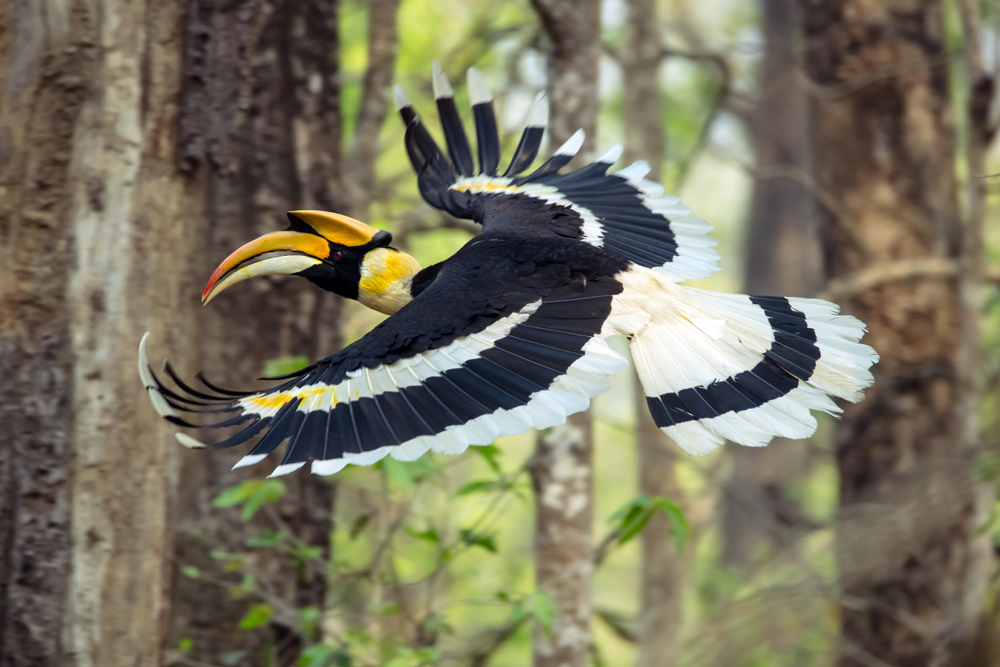
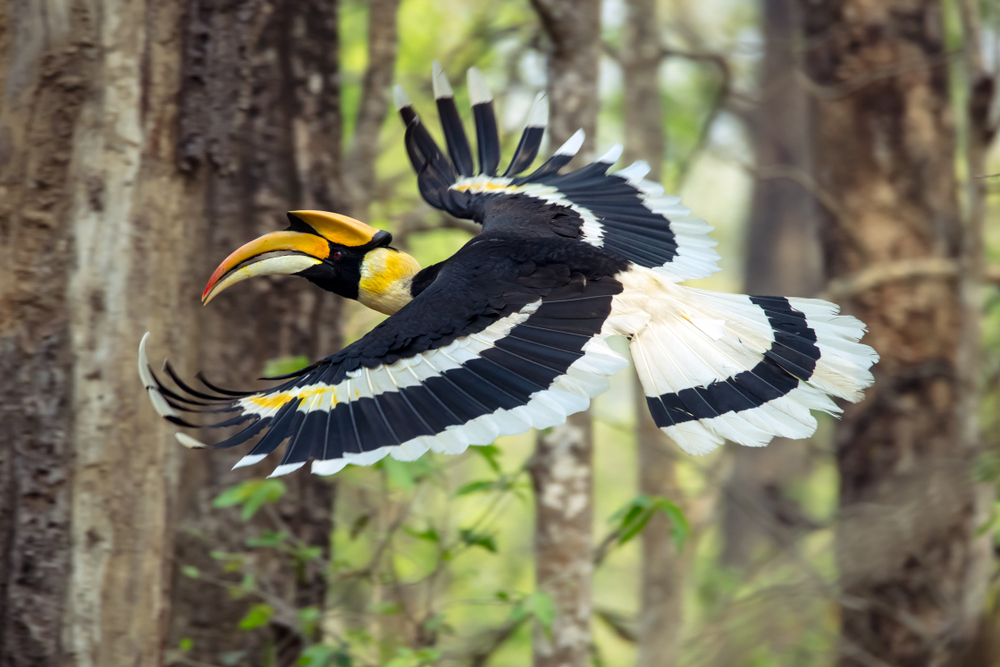
Specifically designed trails for bird watching take visitors through areas of the park known for high avian diversity. These trails offer the chance to spot some of the park’s 500 bird species, including the Bengal florican and the hornbill, making it a haven for birders.

This is one of the adventures that comes closest to traditional hiking.

Chitwan National Park Trails

When most people think of trails, they are thinking about how they can take off on an adventure of their own.  Wildlife is king in the park, and although there is hiking it is done with a guide.


Full or Half:  You have a choice to take a half or full-day hike.  The majority of this is exploring the forest and grasslands with a guide leading you along the path.  Remember this is a national park with free-roaming predator species – pay attention to your guide.

placeholder

Community Forests and Buffer Zone Walks

Rating: Easy to Moderate

Distance and Elevation Gain: Varies, up to 5 miles (8 kilometers) with slight elevation changes.

Description: The buffer zones and community forests around Chitwan provide opportunities for guided walks where visitors can learn about the relationship between local communities and the park.

These areas offer a different perspective on wildlife conservation and the chance to see how people live in close proximity to wild animals.

Park Protection

The Nepalese governement created Chitwan National Park to protect the amazing habitat that is home to an abundance of wildlife.  The protected area is part of the larger Tiger Conservation efforts.  The park also protects the elephant grass whcih is the tallest grass in the world.

FAQ’s

What is Chitwan National Park known for?

Chitwan National Park is known for its rich biodiversity, including populations of endangered species such as the Bengal tiger, one-horned rhinoceros, and Asian elephant.

It’s one of the premier wildlife destinations in Nepal, offering opportunities for safaris, birdwatching, and jungle treks amidst its lush forests and grasslands.

Visitors to Chitwan can also experience the cultural heritage of the Tharu indigenous community and explore traditional villages and cultural sites in the park’s vicinity.

When is the best time to visit Chitwan?

The best time to visit Chitwan National Park is during the dry season, which typically runs from October to March. During this time, the weather is pleasant with clear skies, making it ideal for wildlife viewing and outdoor activities.

Average temperatures during the dry season range from 70°F to 80°F (21°C to 27°C) during the day and can drop to around 50°F to 60°F (10°C to 15°C) at night, providing comfortable conditions for exploration and relaxation in the park.

Sources