About

Nkasa Rupara National Park, also known as “Nkasa Lupala National Park” or “Linyanti Swamp”, is located in the Zambezi Region (formerly Caprivi Strip) of Namibia. Spanning over 320 square kilometers (123 square miles), the park is named after the Nkasa and Rupara islands and is a vital component of Namibia’s protected area network.

As the largest wetland area in the country, the park is characterized by its dynamic ecosystems, shaped by the seasonal flooding of the Kwando-Linyanti River system. It plays a crucial role in preserving Namibia’s biodiversity and is a haven for wildlife and bird species.

The terrain of Nkasa Rupara National Park is a mosaic of floodplains, swamps, reed beds, woodlands, and islands. During the rainy season, much of the park is inundated with water, creating a lush wetland teeming with life. As the water recedes in the dry season, expansive grasslands emerge, providing grazing grounds for herbivores. The park’s unique landscape and seasonal changes make it one of Namibia’s most ecologically diverse areas.

Nkasa Rupara is renowned for its abundant wildlife. The park is home to large herds of elephants and buffalo, which migrate between Namibia and Botswana through this vital corridor. Other notable species include hippos, crocodiles, giraffes, and antelope such as red lechwe and sitatunga. Predators like lions, leopards, and spotted hyenas also roam the area. For bird enthusiasts, the park is a paradise with over 430 species recorded, including African fish eagles, wattled cranes, and Pel’s fishing owls. The wetland environment attracts both resident and migratory birds, making it a key birdwatching destination.

Visitors can explore Nkasa Rupara National Park through guided game drives and boat safaris, offering opportunities to observe wildlife up close in their natural habitats. The park’s remote and pristine setting makes it ideal for those seeking an off-the-beaten-path experience. Camping facilities and lodges near the park provide a comfortable base for exploring its unique landscapes. For a more immersive experience, visitors can engage with local communities, learning about their cultural traditions and how they coexist with wildlife.

Despite its ecological importance, Nkasa Rupara faces challenges such as human-wildlife conflict, poaching, and the impacts of climate change, which affect the flooding cycles critical to the park’s ecosystems. Conservation efforts, led by Namibia’s Ministry of Environment, Forestry and Tourism in collaboration with non-governmental organizations, focus on anti-poaching measures, habitat restoration, and community engagement. Cross-border initiatives as part of the Kavango-Zambezi Transfrontier Conservation Area (KAZA TFCA) further strengthen efforts to protect this region’s wildlife corridors and habitats.

Nkasa Rupara National Park is a hidden gem of Namibia’s natural heritage. Its unique wetlands, abundant wildlife, and cultural significance make it a must-visit destination for eco-tourists and nature enthusiasts. By safeguarding this extraordinary park, Namibia contributes to the preservation of vital ecosystems and promotes sustainable tourism that benefits both wildlife and local communities.

Things to See

Popular

Nkasa Rupara National Park, located in the Zambezi region of Namibia, is a lush wetland sanctuary characterized by floodplains, woodlands, and marshes. This dynamic environment supports a variety of species, many of which are uniquely adapted to thrive in its water-rich ecosystem.

African Elephant (Loxodonta africana)
Nkasa Rupara is home to large herds of African elephants, which roam the floodplains and woodlands in search of water and food. These majestic creatures play a crucial role in shaping the landscape by creating pathways and dispersing seeds.

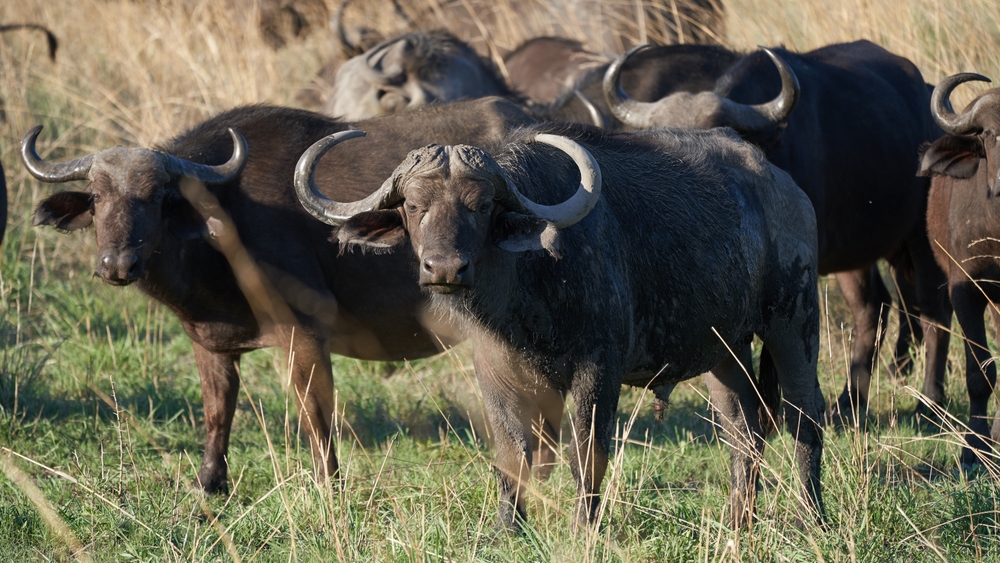
African Buffalo (Syncerus caffer)
The park’s wetlands are a haven for African buffalo, which gather in large herds to graze on grasses and reeds. These formidable animals are an essential prey species for predators like lions.

Lion (Panthera leo)
Nkasa Rupara is known for its lion populations, which thrive in the park’s varied habitats. These apex predators hunt species like buffalo, antelope, and even smaller mammals, maintaining the balance of the ecosystem.

Leopard (Panthera pardus)
The elusive leopard is a solitary predator often found in the park’s woodlands. It preys on a wide range of animals, including impalas and warthogs, and is known for its stealth and climbing ability.

Hippopotamus (Hippopotamus amphibius)
The park’s wetlands are teeming with hippos, which spend their days submerged in water to stay cool. At night, they emerge to graze on nearby grasses, playing a vital role in maintaining the health of the floodplain.

Spotted Hyena (Crocuta crocuta)
An opportunistic predator and scavenger, the spotted hyena is a key species in Nkasa Rupara’s ecosystem. It hunts small mammals and feeds on carrion, helping to recycle nutrients back into the environment.

Nile Crocodile (Crocodylus niloticus)
The park’s rivers and water channels are home to Nile crocodiles, which lie in wait for prey such as fish, antelope, and smaller animals that come to drink. These powerful reptiles are a dominant predator in the aquatic ecosystem.

Impala (Aepyceros melampus)
The impala is one of the most common antelope species in the park. It grazes on grasses and browses shrubs, serving as a vital prey species for predators like lions and leopards.

Warthog (Phacochoerus africanus)
This hardy species is often seen grazing in the open grasslands. Warthogs use their sharp tusks for defense and dig burrows that provide shelter for other animals.

Waterbuck (Kobus ellipsiprymnus)
The waterbuck is a semi-aquatic antelope that thrives in the park’s wetlands. Its shaggy coat and preference for areas near water make it well-suited to the floodplain environment.

Birds

Nkasa Rupara National Park is a birdwatcher’s paradise, hosting a rich diversity of species that thrive in its wetlands, floodplains, and woodlands. The park is a crucial habitat for both resident and migratory birds.

African Fish Eagle (Haliaeetus vocifer)
This iconic raptor is often seen perched near water, hunting fish and occasionally scavenging. Its distinctive call is a signature sound of the park.

Saddle-billed Stork (Ephippiorhynchus senegalensis)
A striking wader with vibrant red, yellow, and black coloration, this stork is often spotted in the park’s wetlands, feeding on fish, frogs, and small reptiles.

Malachite Kingfisher (Corythornis cristatus)
This brightly colored kingfisher is commonly seen near the park’s rivers, diving for small fish and insects.

Great Egret (Ardea alba)
A graceful wader, the great egret is frequently found in the wetlands, feeding on fish and amphibians with its sharp beak.

African Jacana (Actophilornis africanus)
Known as the “lily trotter,” this bird has long toes that allow it to walk on floating vegetation. It feeds on insects and small invertebrates.

Pied Kingfisher (Ceryle rudis)
A master of precision, this kingfisher hovers above water before diving to catch fish, making it a fascinating sight for bird enthusiasts.

Yellow-billed Stork (Mycteria ibis)
This large wading bird is often seen foraging in shallow waters, sweeping its bill side to side to catch fish and small creatures.

African Openbill (Anastomus lamelligerus)
This stork species is named for the gap between its mandibles, which is specially adapted for feeding on mollusks in the wetlands.

Southern Carmine Bee-eater (Merops nubicoides)
A striking bird with vibrant pink and blue plumage, it is often seen in colonies near the park’s rivers, feeding on flying insects.

Wattled Crane (Bugeranus carunculatus)
One of Africa’s rarest cranes, this elegant bird inhabits the park’s floodplains, where it feeds on aquatic plants and small creatures.

Things To Do

Engaging Nkasa Rupara National Park

placeholder

Boat Tours

placeholder

Game Drives

placeholder

Birdwatching