

About
Bwabwata National Park is located in northeastern Namibia within the narrow Caprivi Strip, a unique geographic corridor that stretches between Angola, Zambia, Botswana, and Zimbabwe. The park covers approximately 2,400 square miles (6,100 sq km), forming a critical link in one of Africa’s largest conservation landscapes.
It lies between the Okavango and Kwando rivers and is bordered by other major protected areas, including Mudumu National Park and Nkasa Rupara National Park, as well as transboundary conservation areas connected to Botswana’s Okavango Delta. Bwabwata is distinctive not only for its size and ecological importance but also for its model of conservation that integrates local communities living within the park.
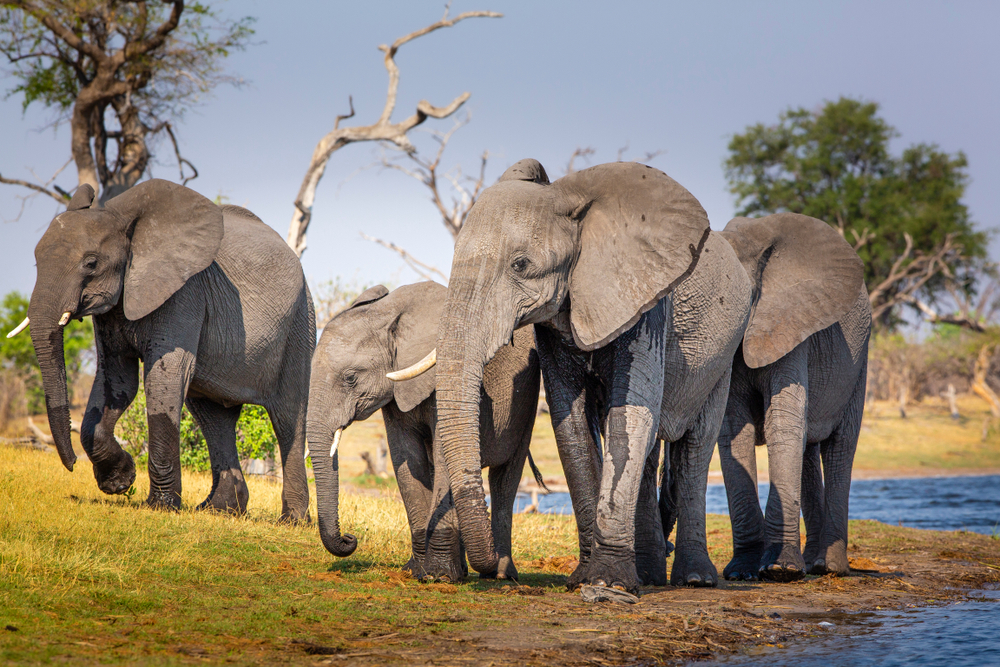
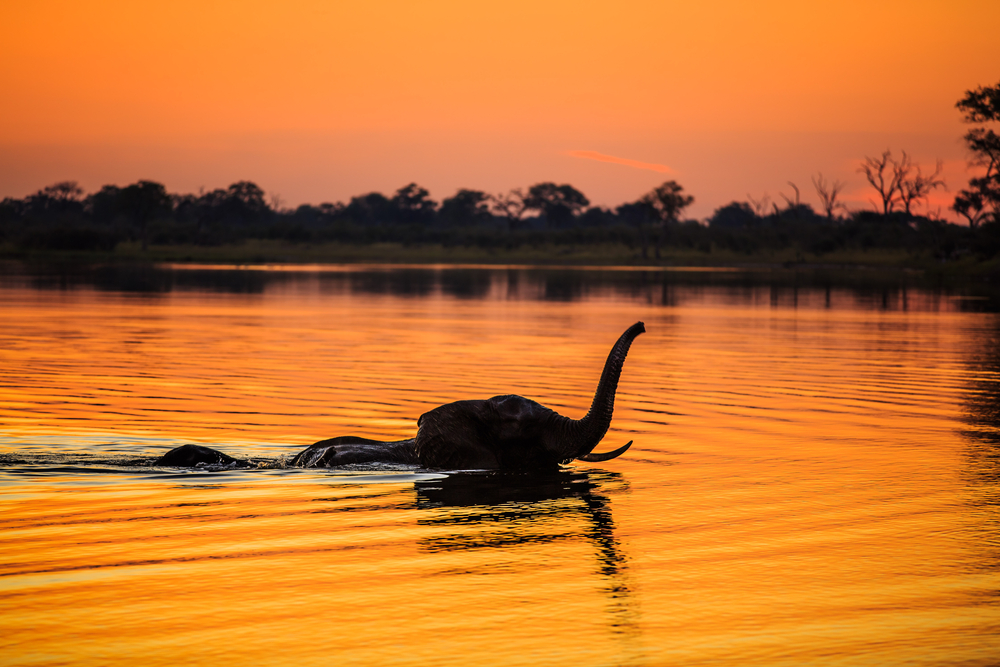
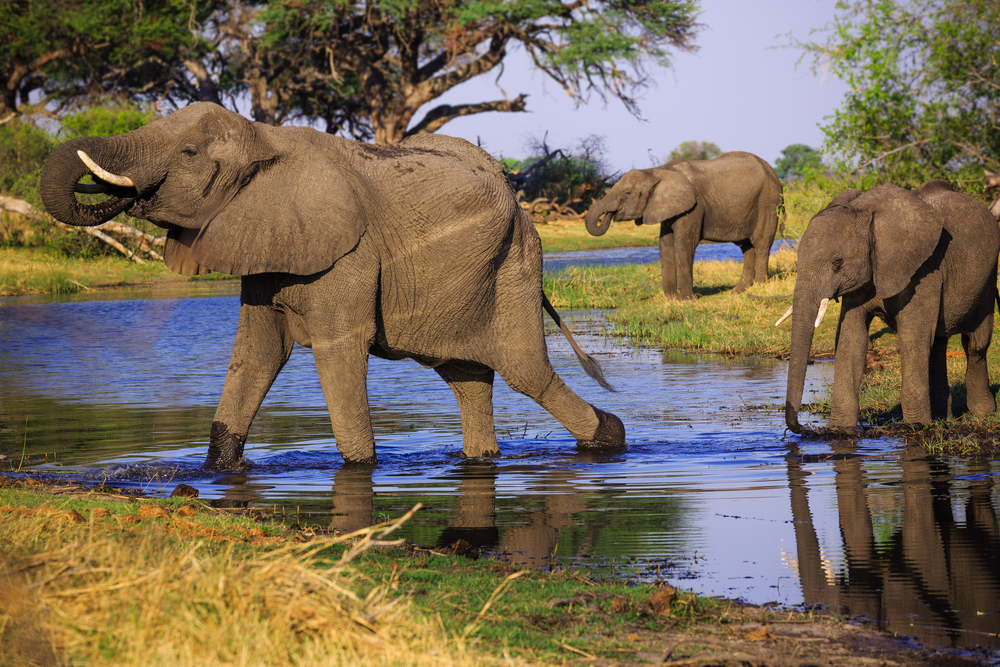
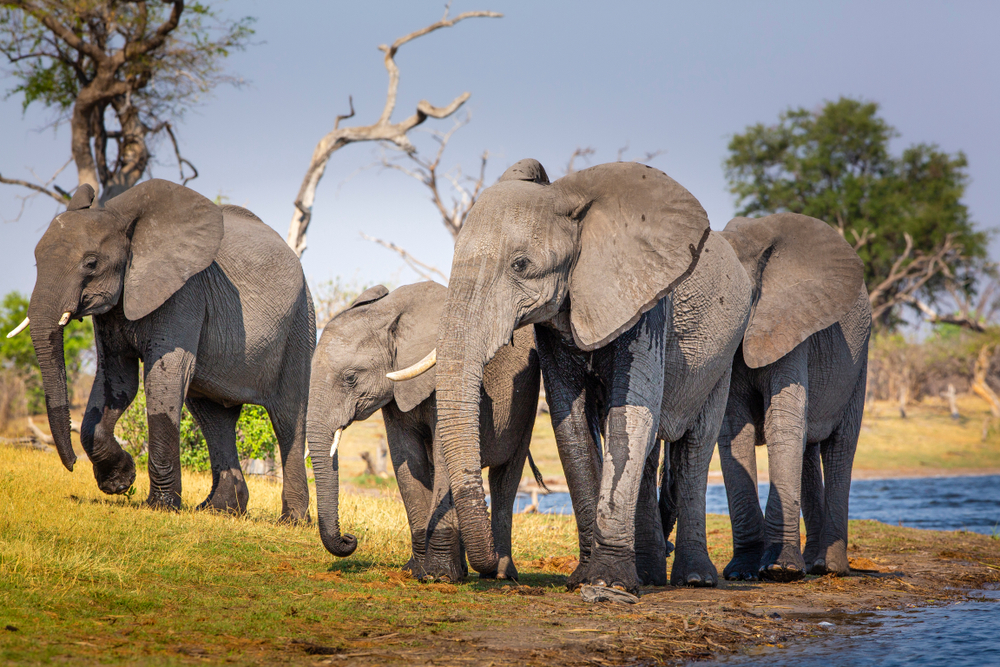
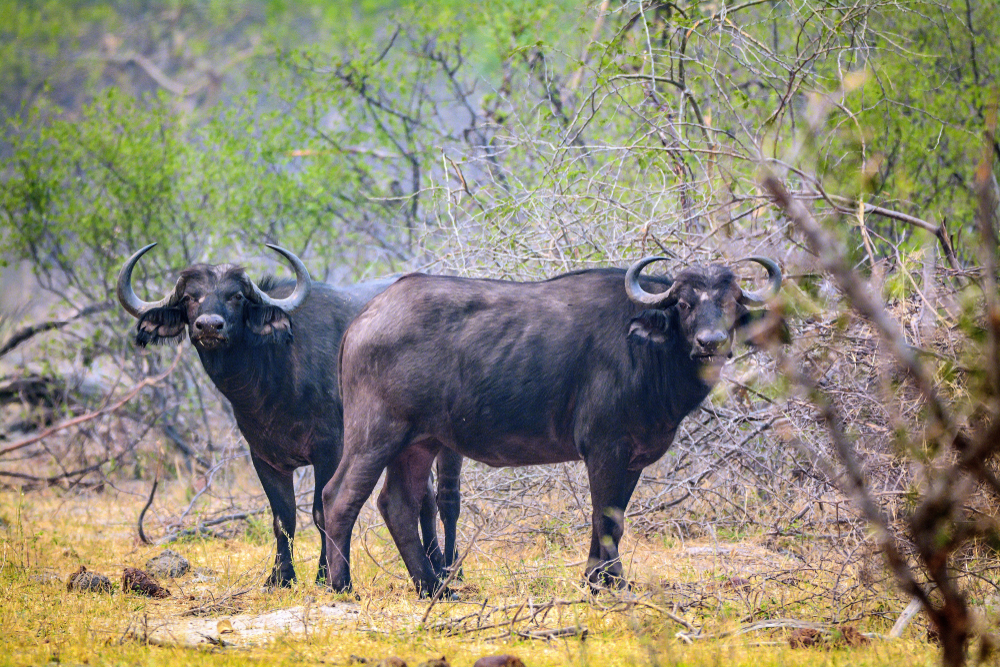
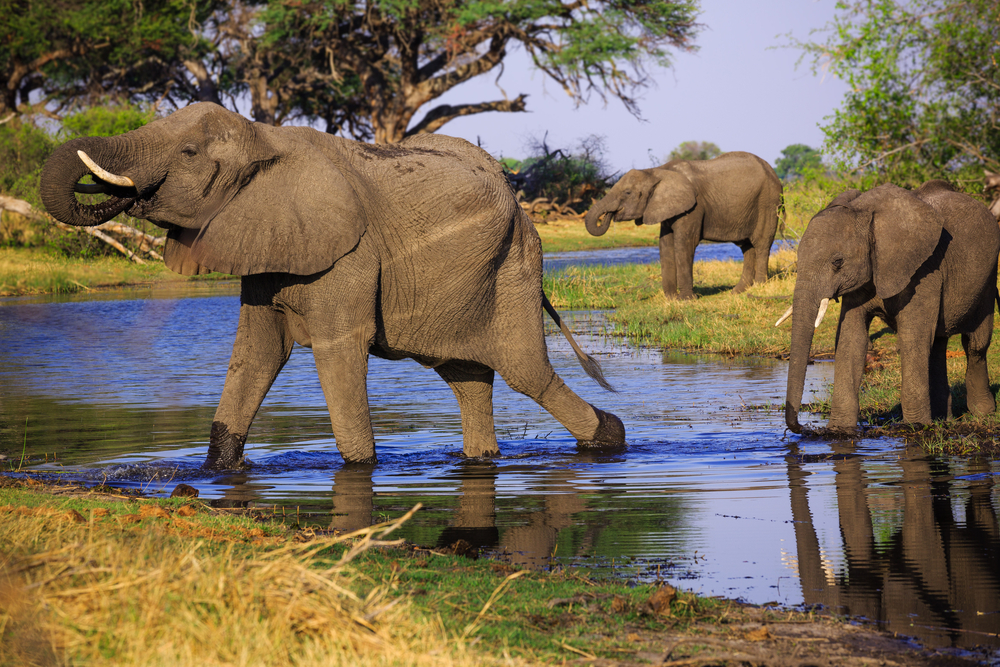
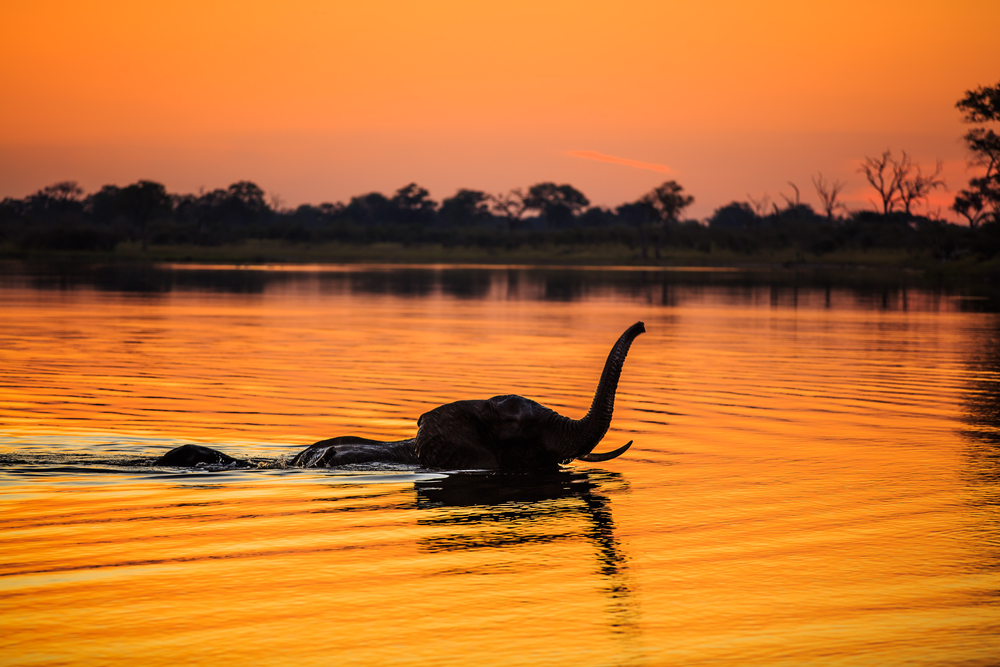
Bwabwata National Park is best known for its role as a wildlife corridor and for its rich populations of large mammals, particularly elephants and buffalo. It forms part of the Kavango-Zambezi Transfrontier Conservation Area (KAZA), allowing animals to move freely across international borders in search of water, food, and breeding grounds.
The park’s river systems and seasonal floodplains attract significant concentrations of wildlife, especially during the dry season when animals gather near permanent water sources. The Mahango Core Area, one of the park’s key regions, is especially renowned for its high density of wildlife and exceptional game viewing opportunities along the Okavango River.
The geography of Bwabwata is shaped by its position between two major river systems, creating a landscape that blends wetlands, floodplains, and dry woodlands. Along the Okavango and Kwando rivers, lush vegetation thrives, including reeds, grasses, and riverine forests that support a wide array of species.
Moving away from the water, the terrain transitions into savanna and woodland dominated by mopane and teak trees. Seasonal flooding plays a vital role in maintaining the park’s ecosystems, replenishing nutrients and creating habitats that support both aquatic and terrestrial life. This dynamic environment changes throughout the year, offering different perspectives and experiences depending on the season.
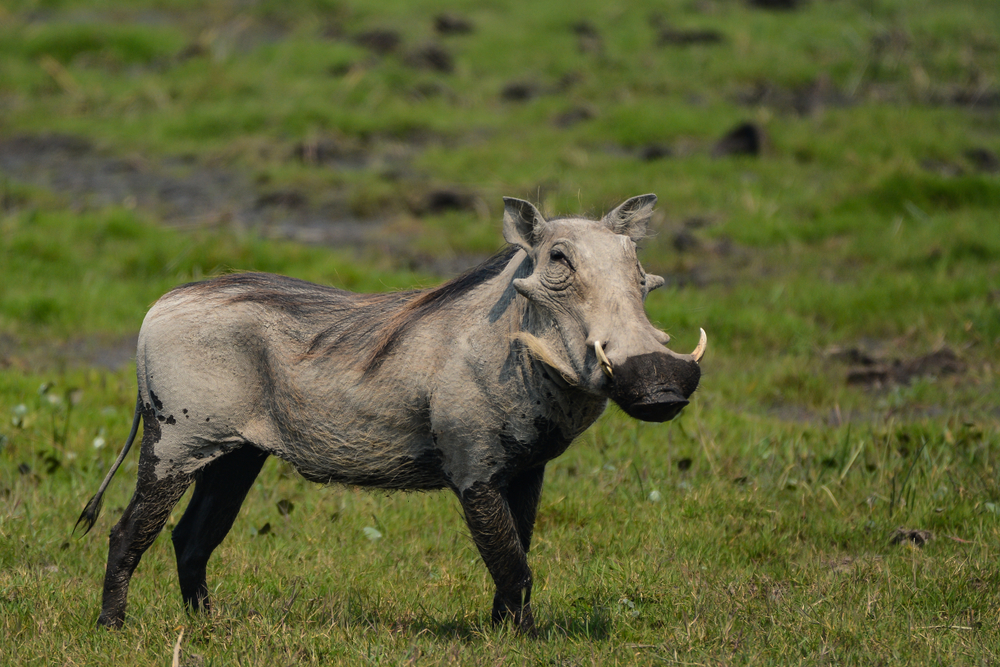
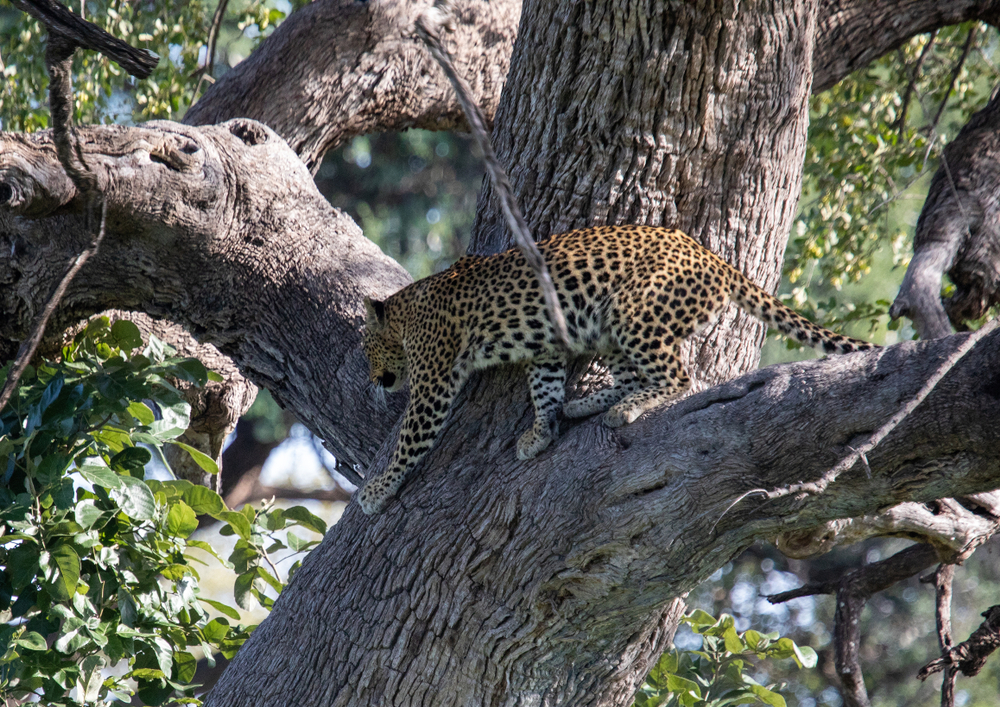
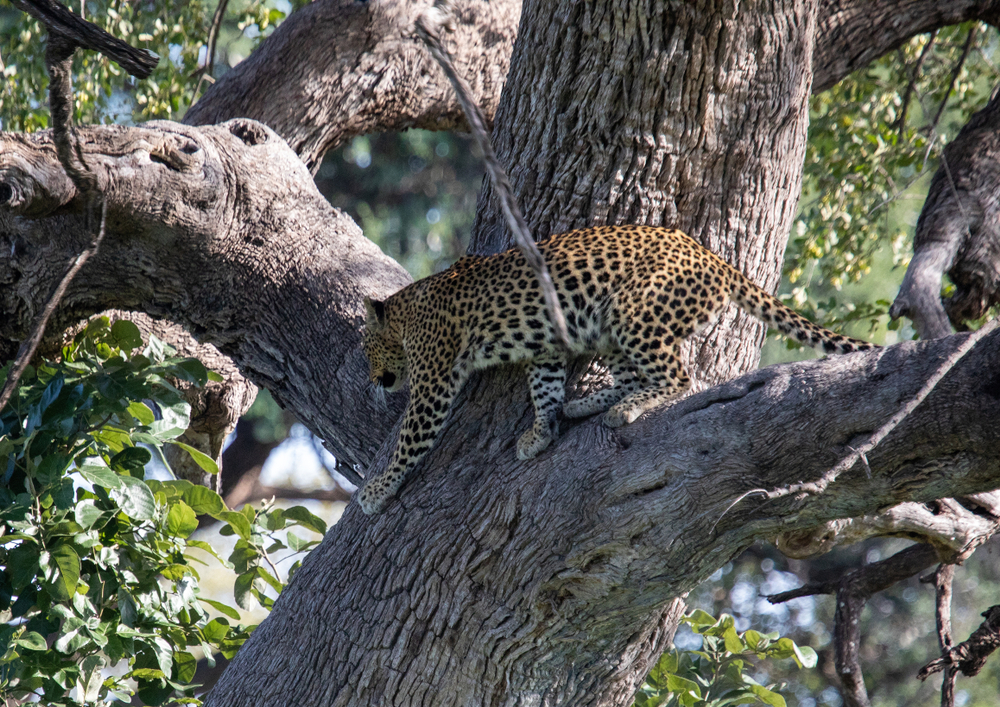
Wildlife in Bwabwata National Park is abundant and diverse, reflecting its importance as a migration route and refuge. Large herds of elephants and buffalo are commonly seen, often moving between water sources and grazing areas. Predators such as lions, leopards, and wild dogs inhabit the park, though they can be more elusive due to the dense vegetation in some areas.
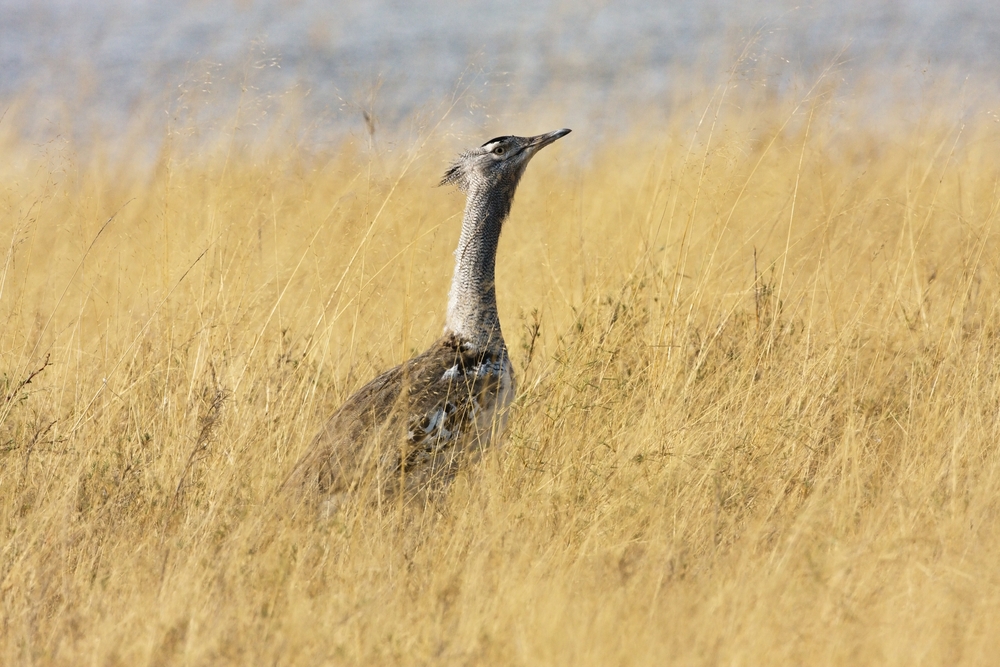
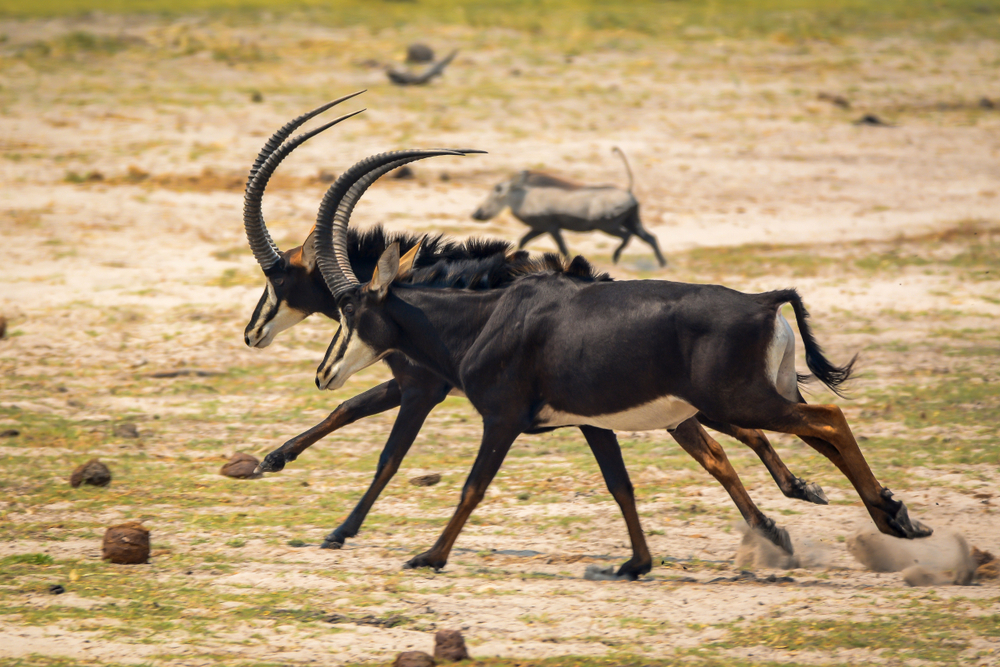
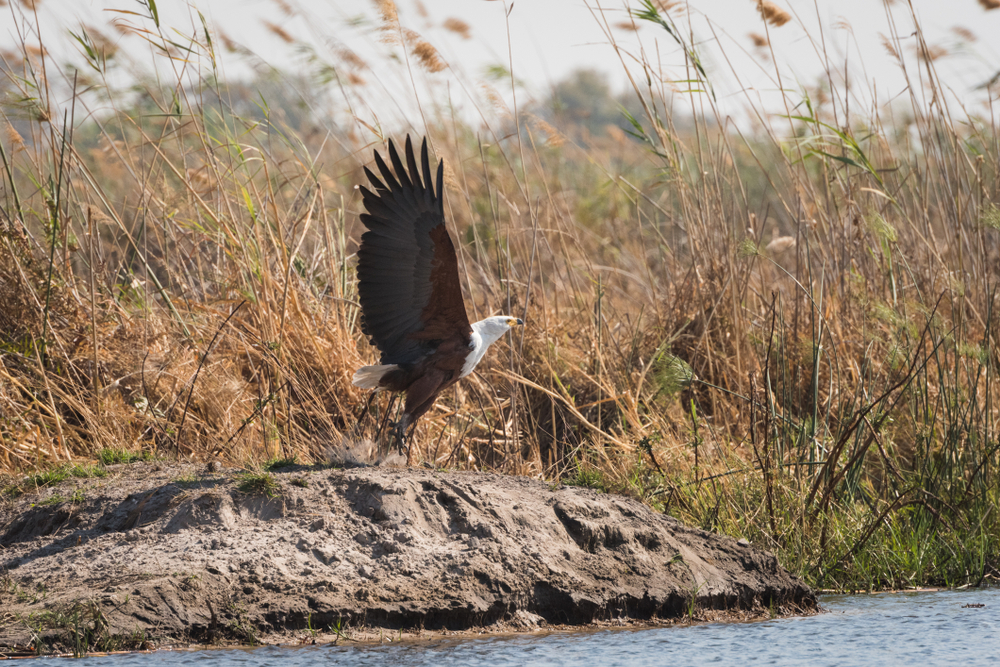
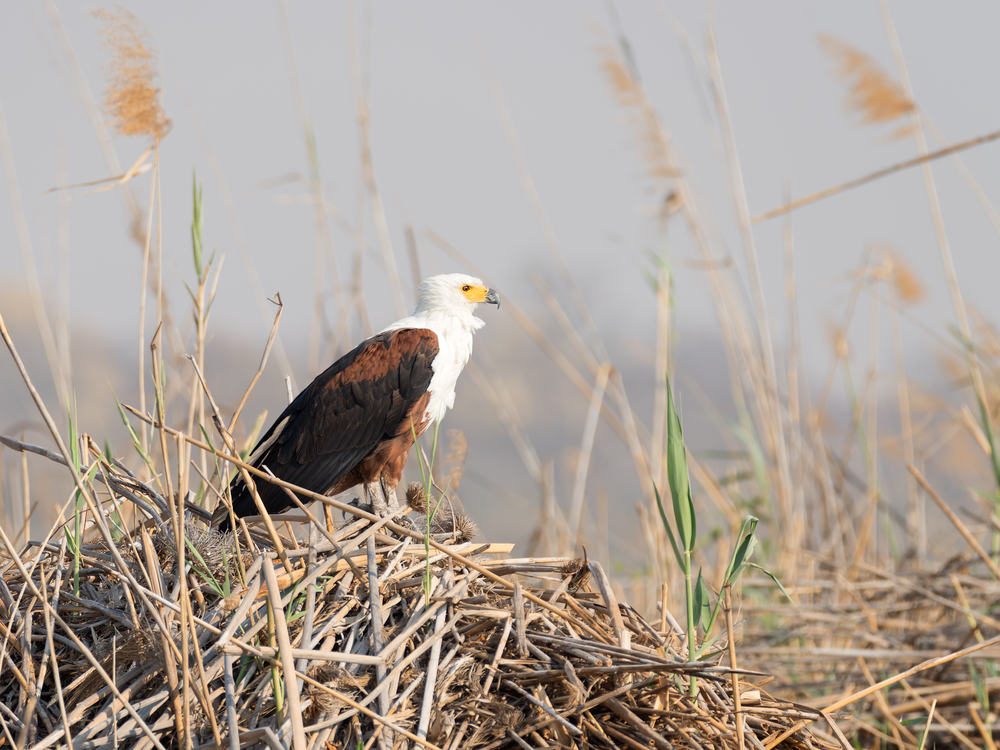
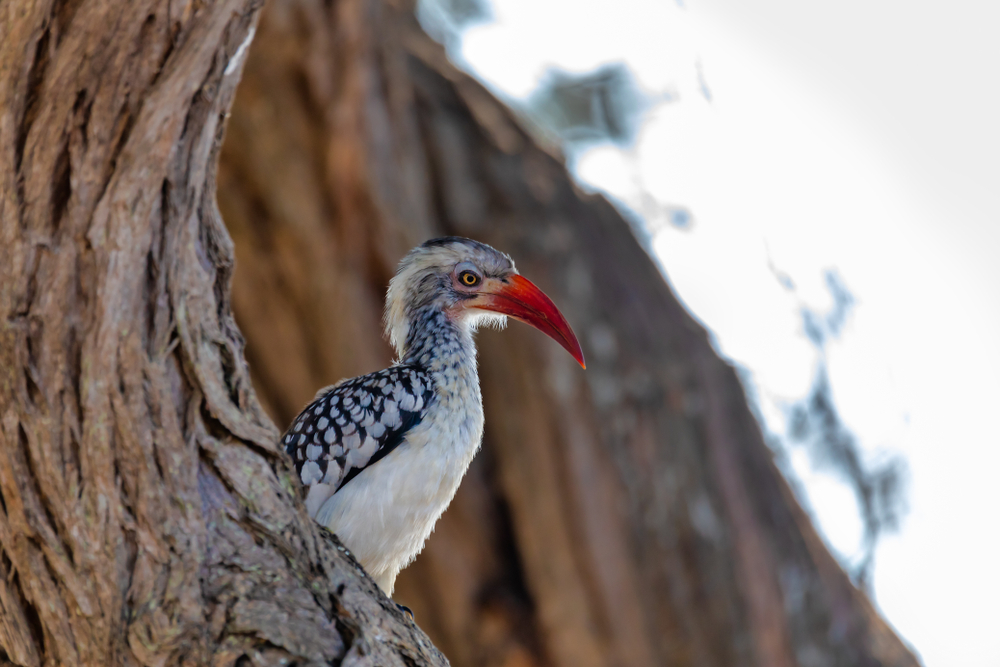
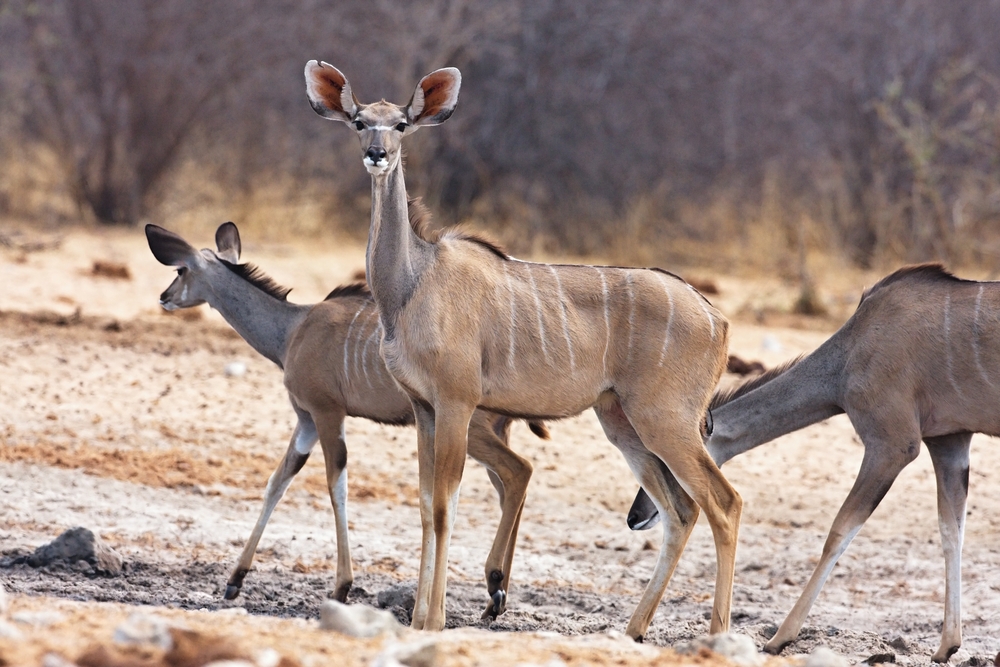
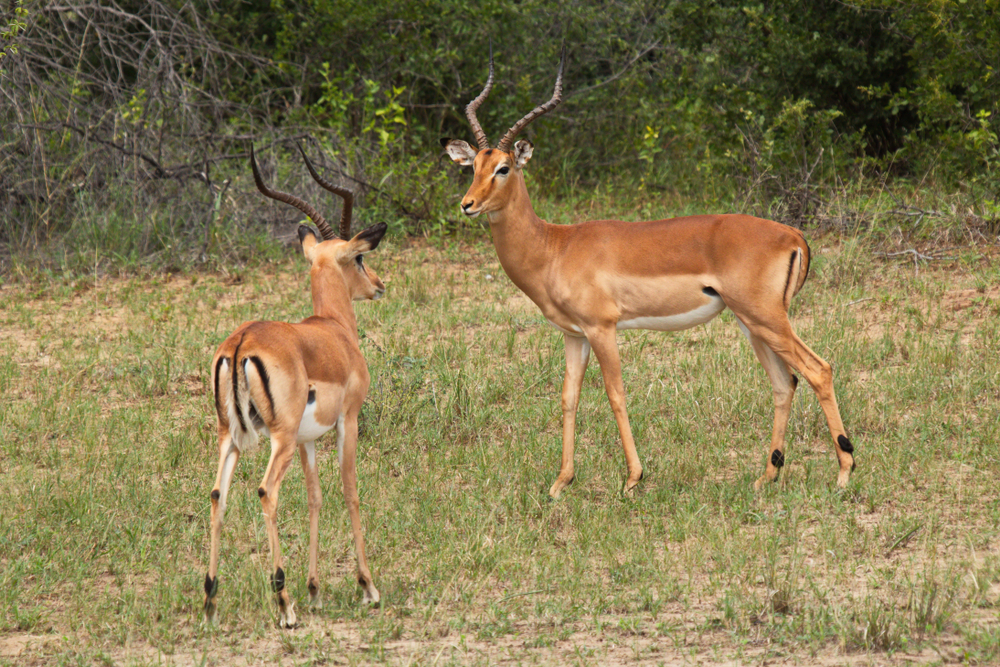
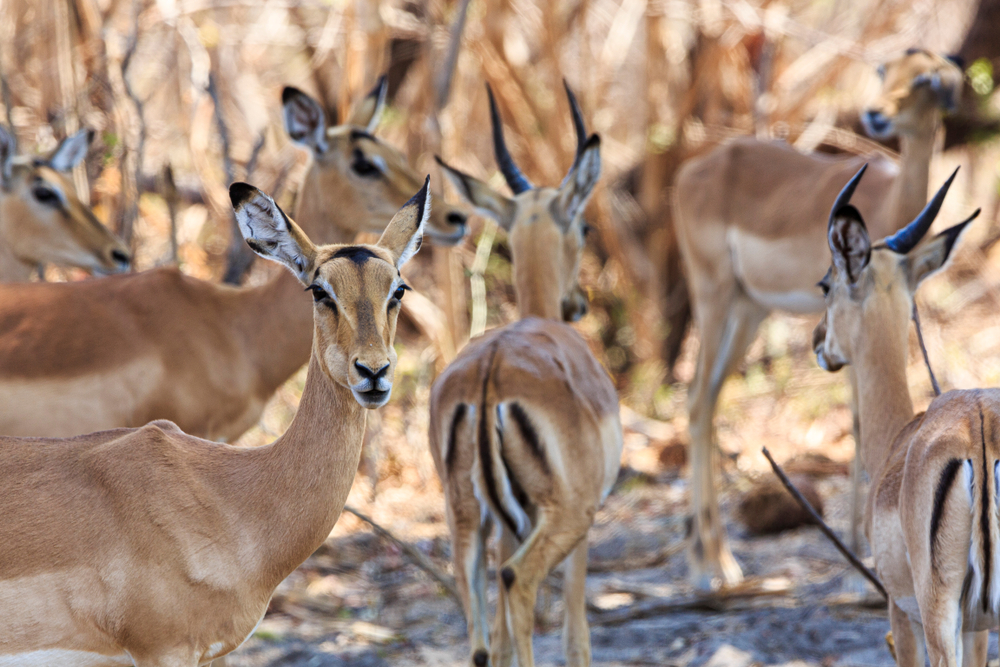
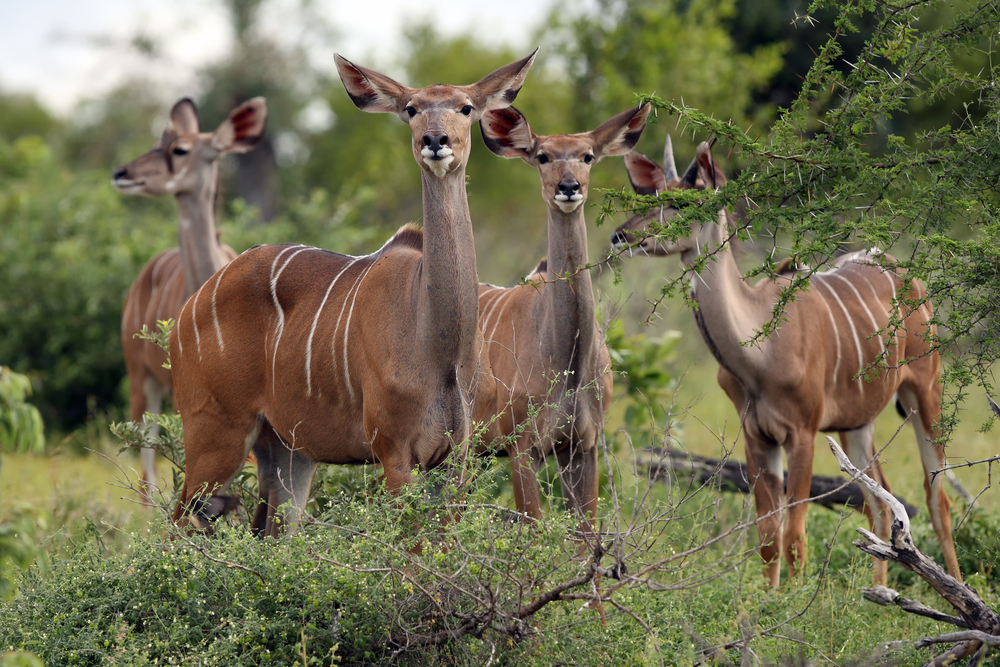
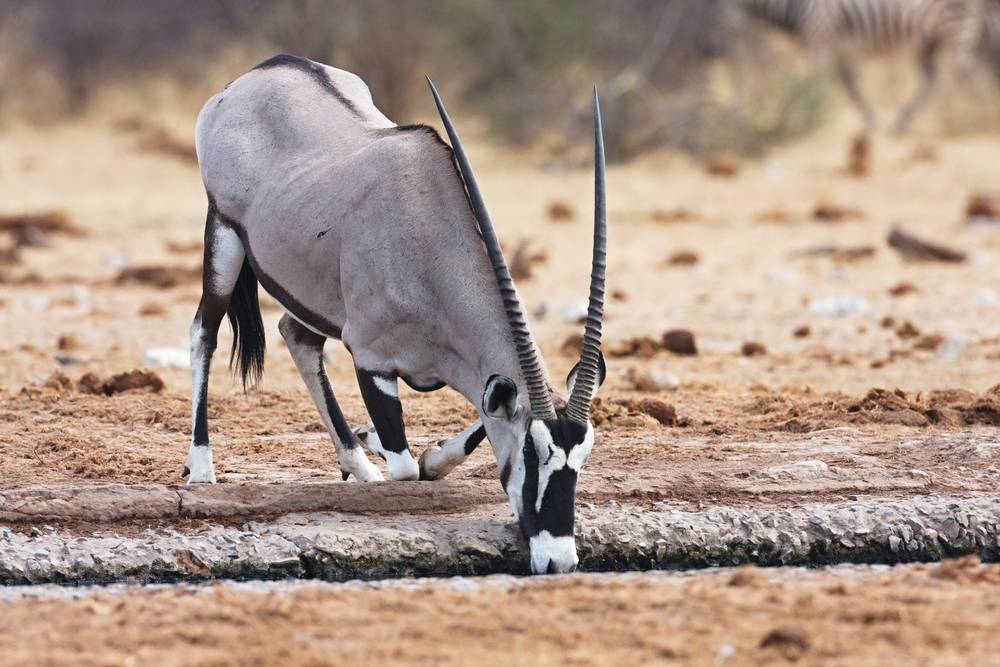
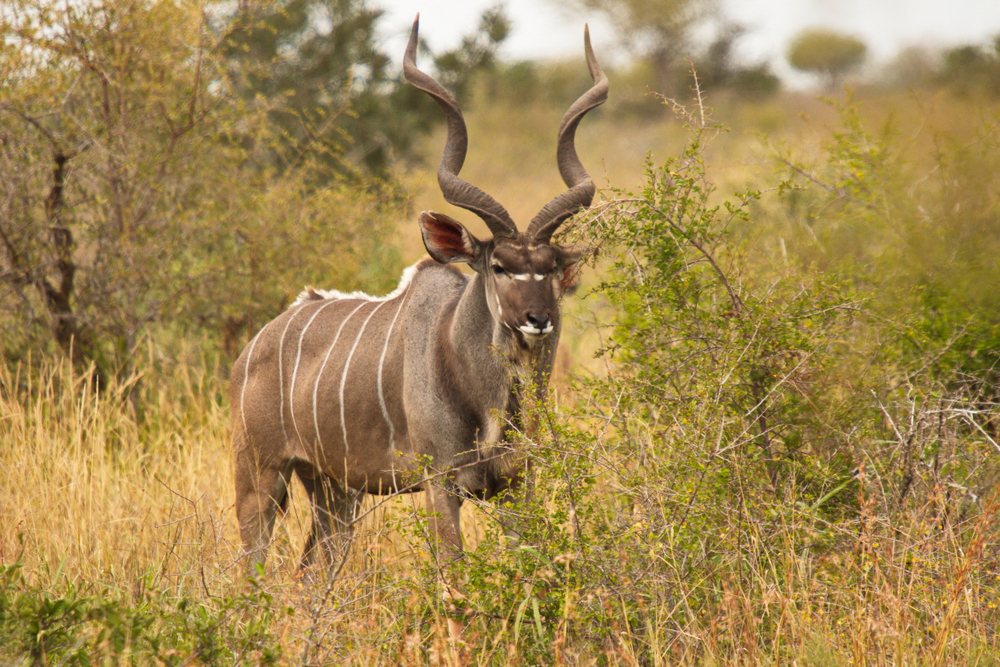
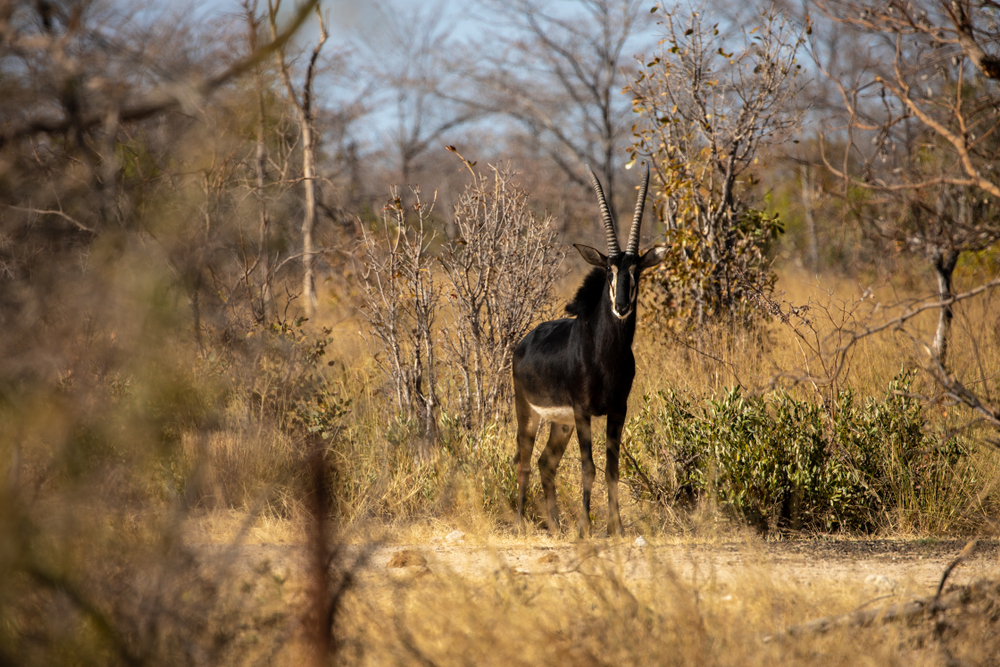
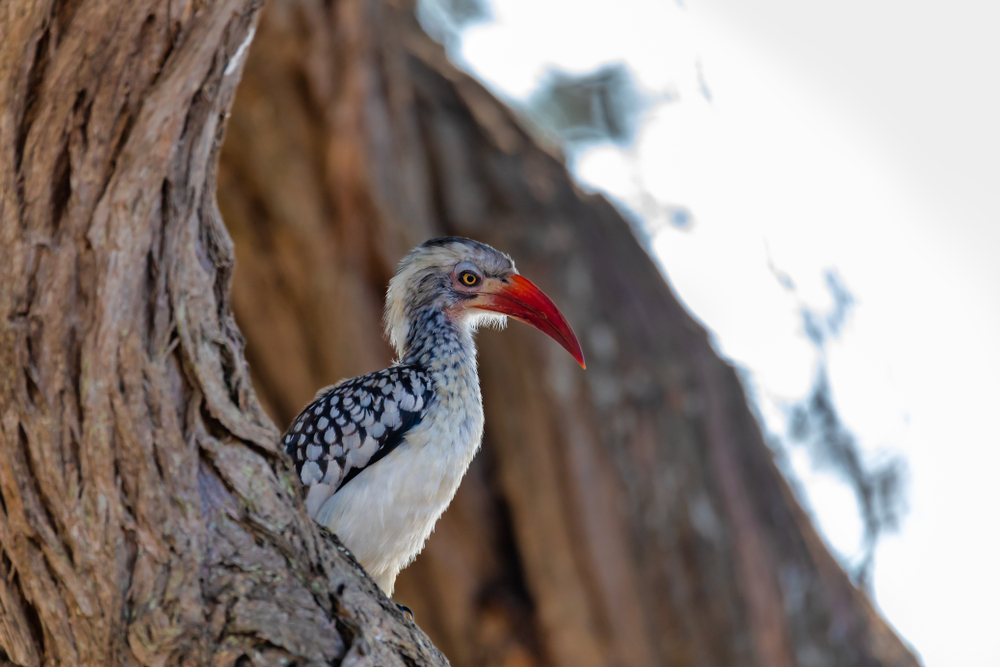
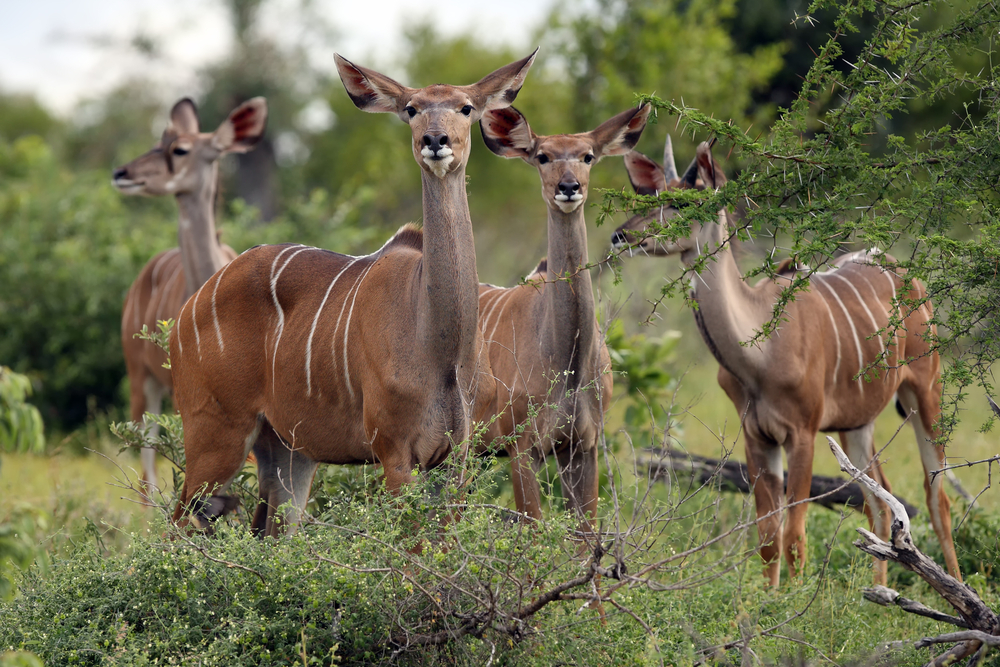
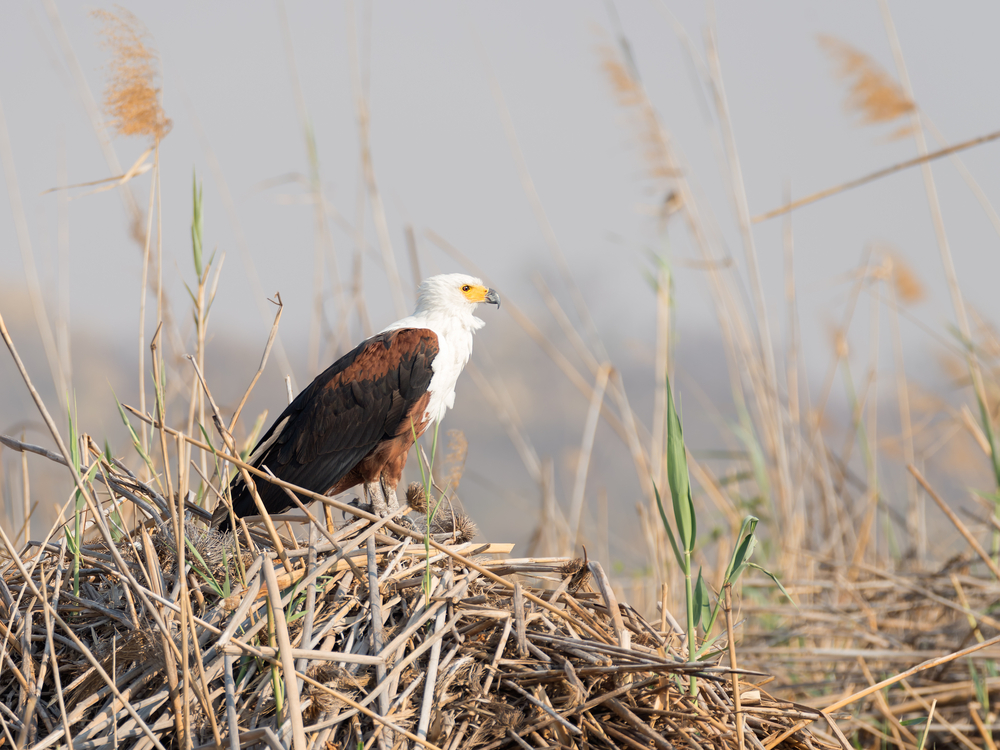
Antelope species, including kudu, roan, and sable, are well represented, while hippos and crocodiles are frequently found in the rivers. Birdlife is exceptionally rich, with hundreds of species recorded, making Bwabwata a prime destination for birdwatchers, particularly in the wetland areas.
Bwabwata National Park plays a vital role in conserving one of Africa’s most important transboundary ecosystems. Its unique approach to conservation—allowing local communities to live sustainably within its boundaries—demonstrates how people and wildlife can coexist in a mutually beneficial way. The park helps maintain critical migration routes for large mammals, ensuring genetic diversity and ecological balance across the wider region.
On a global scale, Bwabwata highlights the importance of landscape-level conservation that transcends political borders, protecting not just individual species but entire ecosystems. Its blend of rivers, woodlands, and wildlife corridors makes it a cornerstone of conservation in southern Africa and a powerful example of how collaborative efforts can preserve the natural world for future generations.
Photos

Things to See
Things To Do
Engaging Bwabwata


Bwabwata National Park Trails
Bwabwata National Park is not a traditional national park offering hiking and trails. This is a wildlife preserve and there are predator species roaming about the area. However, there are opportunities to hike in the area through guided walking safaris.
Park Protection
Bwabwata National Park was created to protect the migrating route of the African elephant as well as the diverse species of vegetation and wildlife. The park also protects and invests in the 5,500 inhabitants who live in the park. The residents also invest in the care of the park in a collaborative effort to protect the overall splendor of the region.
Sources
- African Travels, Bwabwata National Park, Namibia, https://africantravels.com/eng/destinations/namibia/national-parks/bwabwata-national-park/, retrieved August 2020.
- Atlas Obscura, Bwabwata National Park, https://www.atlasobscura.com/places/bwabwata-national-park, retrieved August 2020.
- Gondwana, Why Should You Visit Bwabwata National Park in Namibia, https://www.gondwana-collection.com/blog/why-should-you-visit-the-bwabwata-national-park-in-namibia/, retrieved August 2020.
- Lonely Planet, Bwabwata National Park, https://www.lonelyplanet.com/namibia/northeastern-namibia/bwabwata-national-park, retrieved August 2020.
- Ministry of Environment, Bwabwata National Park, http://www.met.gov.na/national-parks/bwabwata-national-park/213/, retrieved August 2020.
- Travel News Namibia, Bwabwata National Park, https://www.travelnewsnamibia.com/destinations/kavango-and-zambezi/bwabwata-national-park/, retrieved August 2020.
- Wiki Voyage, Bwabwata National Park, https://en.wikivoyage.org/wiki/Bwabwata_National_Park, retrieved August 2020.