

About
Iriqui National Park, locally known as “Parc National d’Iriqui,” is a remarkable protected area located in southern Morocco, between the Draa Valley and the vast dunes of the Sahara Desert.
Established in 1994, the park covers approximately 123,000 hectares (475 square miles) and is renowned for its stark desert landscapes, ephemeral lakes, and rich cultural heritage. Iriqui serves as a vital habitat for wildlife and a critical link in Morocco’s efforts to preserve its unique desert ecosystems.
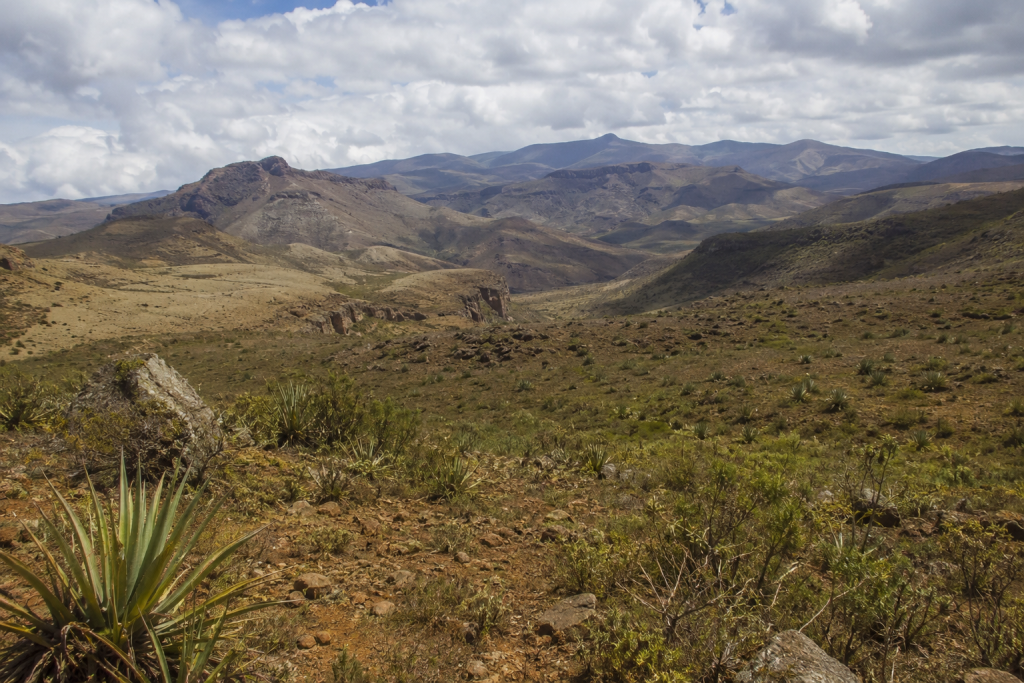
The terrain of Iriqui National Park is a diverse blend of arid plains, sand dunes, rocky plateaus, and dry lakebeds. The park’s centerpiece is Lake Iriqui, a seasonal salt pan that becomes a vibrant oasis after rare desert rains. During these times, the lake supports temporary wetlands, attracting migratory birds and rejuvenating the surrounding ecosystem. The vegetation is sparse but highly specialized, including acacia trees, tamarisks, and hardy desert shrubs that have adapted to survive in the extreme conditions.
Iriqui National Park is home to a variety of wildlife, many of which are well-adapted to its harsh desert environment. Mammals such as fennec foxes, dorcas gazelles, and golden jackals roam the arid plains, while reptiles like monitor lizards and geckos thrive in the rocky terrain. Bird species, including flamingos, storks, and sandgrouse, are often spotted near the lake during the wet season. The park also provides refuge for several endangered species, such as the houbara bustard and the Saharan cheetah, making it a critical area for conservation efforts.
Visitors to Iriqui National Park can experience its stark beauty and unique wildlife through guided desert treks and 4×4 expeditions that traverse its dunes and plateaus. Birdwatching is a highlight during the wet season when the ephemeral lake comes to life with migratory species. Visitors can also explore the region’s cultural heritage, including nearby Berber villages and ancient rock carvings that offer insights into the area’s rich history. Stargazing in the park’s vast, unpolluted skies is another unforgettable experience for travelers seeking a deeper connection to nature.
Despite its ecological and cultural importance, Iriqui National Park faces significant challenges. Overgrazing, desertification, and human encroachment threaten its fragile ecosystems, while climate change exacerbates the scarcity of water and impacts wildlife populations. Conservation efforts led by Moroccan authorities and environmental organizations focus on habitat restoration, sustainable tourism development, and community engagement. Educational programs aim to foster awareness among local populations about the value of preserving this unique desert landscape.
Iriqui National Park is a testament to the beauty and resilience of Morocco’s desert ecosystems. Its dramatic landscapes, rare wildlife, and cultural significance make it a must-visit destination for eco-tourists and adventurers. By protecting this extraordinary park, Morocco ensures the survival of its desert heritage and contributes to global biodiversity conservation efforts.
Things to See
Things To Do
Engaging Iriqui National Park

Park Protection
Iriqui National Park was created to protect the vast desert landscapes, dry lakebeds, sand dunes, rocky hamadas, and arid ecosystems of southern Morocco along the northern edge of the Sahara Desert. The park provides important habitat for several threatened and endangered species, including the critically endangered addax, the extinct-in-the-wild scimitar-horned oryx through reintroduction programs, and the vulnerable dorcas gazelle.
It also supports populations of fennec foxes, sand cats, Barbary sheep, desert reptiles, and numerous migratory birds that depend on seasonal wetlands. The park’s desert plains, wadis, and sparse vegetation preserve one of Morocco’s largest and most intact Saharan ecosystems while providing vital habitat for species specially adapted to extreme arid conditions.
The park is especially significant for protecting the former Lake Iriqui basin, a vast salt flat that occasionally fills with water after periods of exceptional rainfall, creating a temporary wetland in the heart of the Sahara. These rare flooding events attract flamingos and other migratory waterbirds, transforming the desert into a remarkable oasis.
Iriqui also plays a key role in restoring native Saharan wildlife through conservation and reintroduction efforts, helping recover species that once ranged widely across North Africa. Together, Iriqui National Park safeguards endangered desert wildlife, rare Saharan ecosystems, important migratory bird habitat, and one of Morocco’s most distinctive desert landscapes.
FAQ’s
What is the main reason people visit Iriqui National Park?
Iriqui National Park is primarily visited for its vast desert landscapes, fossil-rich terrain, dry lake bed, Sahara scenery, unique desert wildlife, and opportunities for off-road adventure.
Located in southeastern Morocco between the towns of Foum Zguid and M’Hamid, the park protects approximately 480 square miles (1,230 square kilometers) of desert ecosystems, sand dunes, rocky plains, acacia woodlands, and the historic Lake Iriqui basin.
Visitors come to experience remote Sahara landscapes, explore fossil sites, view desert wildlife, enjoy 4×4 excursions, and witness spectacular desert sunsets.
What animals can visitors hope to see in Iriqui National Park?
Iriqui National Park supports approximately 35 mammal species and a variety of desert-adapted reptiles, birds, and invertebrates.
Some of the most notable animals found in Iriqui National Park include:
- Dorcas Gazelle
- Cuvier’s Gazelle
- African Golden Wolf
- Red Fox
- Fennec Fox
- Rüppell’s Fox
- African Wildcat
- Sand Cat
- Caracal
- Striped Hyena
- Honey Badger
- Common Genet
- Egyptian Mongoose
- Cape Hare
- Desert Hedgehog
- North African Hedgehog
- Jerboa Species
- Fat Sand Rat
- Lesser Egyptian Jerboa
- North African Ground Squirrel
- Gerbil Species
- Desert Dormouse
- Sand Mouse Species
- Greater White-toothed Shrew
- Long-eared Bat Species
- Schreiber’s Bat
- Common Pipistrelle
- Desert Pipistrelle
- Sand Viper
- Horned Viper
- Egyptian Cobra (rare)
- Montpellier Snake
- Horseshoe Whip Snake
- Desert Monitor Lizard
- Spiny-tailed Lizard
- Moorish Gecko
- Sand Gecko Species
- Ocellated Skink
- Desert Agama
- Fringe-toed Lizard
- Spur-thighed Tortoise
- Sahara Frog
- Desert Toad Species
- Scorpion Species
- Camel Spider Species
- Desert Beetle Species
- Ant Species
- Termite Species
- Various Desert Reptiles
- Various Desert Invertebrates
What birds can visitors hope to see in Iriqui National Park?
Iriqui National Park is home to more than 100 bird species, including resident desert birds and migratory species that use the region during seasonal movements.
Some of the most popular birds seen in Iriqui National Park include:
- Houbara Bustard
- Cream-colored Courser
- Desert Sparrow
- Greater Hoopoe-Lark
- Bar-tailed Lark
- Thick-billed Lark
- Temminck’s Lark
- Desert Lark
- Hoopoe Lark
- Black-crowned Sparrow-Lark
- Trumpeter Finch
- Brown-necked Raven
- Common Raven
- Pharaoh Eagle-Owl
- Little Owl
- Long-eared Owl
- Golden Eagle
- Bonelli’s Eagle
- Short-toed Snake Eagle
- Booted Eagle
- Peregrine Falcon
- Barbary Falcon
- Lanner Falcon
- Common Kestrel
- Egyptian Vulture
- Griffon Vulture
- Black Kite
- Red-rumped Wheatear
- Desert Wheatear
- White-crowned Wheatear
- Mourning Wheatear
- Black Wheatear
- Blue Rock Thrush
- Rock Thrush
- Crag Martin
- Barn Swallow
- Red-rumped Swallow
- Alpine Swift
- Common Swift
- Eurasian Hoopoe
- Greater Short-toed Lark
- Corn Bunting
- Rock Bunting
- Cirl Bunting
- European Serin
- European Goldfinch
- House Sparrow
- Rock Sparrow
- Eurasian Magpie
- Desert Warbler
Is Iriqui National Park worth visiting?
Yes, Iriqui National Park is absolutely worth visiting, especially for travelers seeking authentic Sahara landscapes and remote desert experiences.
The park offers immense open spaces, dramatic desert scenery, fossil deposits, dry lake beds, sand dunes, wildlife, and some of the most isolated landscapes in Morocco. It is particularly appealing to photographers, adventure travelers, and those seeking a less-visited alternative to Morocco’s more famous destinations.
The primary hesitation is that wildlife sightings can be less frequent than in forest or savanna parks. However, the scenery and wilderness experience are exceptional.
What is the best time to visit Iriqui National Park?
Weather and Climate
The best time to visit Iriqui National Park is from October through April.
Typical conditions include:
- October–November: 60–85°F (16–29°C)
- December–February: 40–75°F (4–24°C)
- March–April: 55–90°F (13–32°C)
- May–September: Often exceeds 100°F (38°C)
During the cooler months:
- Temperatures are comfortable.
- Wildlife is more active.
- Hiking and exploration are safer.
- Desert photography conditions are excellent.
Summer can be extremely hot and challenging for outdoor activities.
How many days do you need to visit Iriqui National Park?
Recommended Length of Stay
Most visitors should plan for 1 to 2 days.
- Half day: Scenic desert drive.
- 1 day: Major highlights and photography.
- 2 days: Off-road exploration and overnight desert experiences.
- 3+ days: Extended desert expeditions and wildlife observation.
Two days provides the best opportunity to appreciate the park’s vast landscapes.
How do you get to Iriqui National Park?
International Access
Iriqui National Park is located in southeastern Morocco between:
- Foum Zguid
- M’Hamid
The closest major airports include:
- Ouarzazate Airport
- Marrakesh Menara Airport
Most visitors:
- Fly into Marrakesh or Ouarzazate.
- Travel south by vehicle.
- Enter the park using a 4×4 vehicle.
Lake Iriqui
The park’s defining feature is:
- Lake Iriqui
Although usually dry today, this ancient lake basin once held substantial water and remains one of the park’s most distinctive landscapes.
Erg Chegaga Dunes
Many visitors combine their visit with:
- Erg Chegaga
Known for:
- Massive sand dunes.
- Sahara landscapes.
- Camel excursions.
- Desert camping.
These dunes lie near the park and are among Morocco’s most impressive.
Fossil Sites
The region contains numerous fossil-rich areas where visitors may observe:
- Ancient marine fossils.
- Geological formations.
- Evidence of prehistoric environments.
Acacia Woodlands
The park also protects scattered:
- Acacia woodlands.
These habitats support many of the park’s wildlife species and provide important desert refuges.
Travel Times
Typical travel times include:
- Marrakesh to Foum Zguid: approximately 7–8 hours.
- Ouarzazate to Foum Zguid: approximately 3–4 hours.
- Foum Zguid to central park areas: approximately 1–2 hours by 4×4.
- M’Hamid to park access areas: approximately 1–2 hours.
A four-wheel-drive vehicle is strongly recommended.
Who is involved in protecting and supporting Iriqui National Park?
Conservation and Park Management
Several organizations help protect and support Iriqui National Park:
- National Agency for Water and Forests – manages Iriqui National Park.
- High Commission for Water, Forests and the Fight Against Desertification – supports conservation and ecosystem management.
- Moroccan Association for Nature and Environment Protection – supports environmental conservation efforts.
- Local ecotourism operators and conservation groups.
- Local communities including Saharan and nomadic populations with longstanding connections to the region.
What makes Iriqui National Park unique?
Iriqui National Park is unique because it protects one of Morocco’s most authentic Sahara environments, where vast dry lake beds, desert plains, acacia woodlands, fossil-rich landscapes, and nearby giant dunes combine to create an extraordinary wilderness experience.
Unlike more developed tourist destinations, Iriqui offers visitors a sense of remoteness and adventure that showcases the true scale and beauty of the Moroccan Sahara.
Sources
Here are sources you can explore for more information:
- AllTrails. Iriqui National Park. https://www.alltrails.com/morocco/souss-massa/iriqui-national-park, retrieved July 2026.
- Encyclopaedia Britannica. Sahara Desert. https://www.britannica.com/place/Sahara-desert, retrieved July 2026.
- Moroccan National Agency for Water and Forests (ANEF). Iriqui National Park. https://www.eauxetforets.gov.ma/, retrieved July 2026.
- Pilot Guides. Iriqui National Park. https://www.pilotguides.com/, retrieved July 2026.
- Protected Planet (UNEP-WCMC & IUCN). Iriqui National Park. https://www.protectedplanet.net/, retrieved July 2026.
- SafariBookings. Iriqui National Park. https://www.safaribookings.com/iriqui, retrieved July 2026.
- Wikipedia. Iriqui National Park. https://en.wikipedia.org/wiki/Iriqui_National_Park, retrieved July 2026.
- World Wildlife Fund (WWF). North Saharan Steppe and Woodlands. https://www.worldwildlife.org/ecoregions/pa1321, retrieved July 2026.