About

Dakhla National Park, known locally as “Parc National de Dakhla”, is a pristine conservation area located in the southern region of Western Sahara, Morocco. Encompassing the Dakhla Peninsula and surrounding coastal waters, the park is a unique blend of terrestrial and marine ecosystems. Spanning an area of approximately 14,000 square kilometers (5,405 square miles), it is one of the largest protected areas in the region. Its ecological and geographical diversity makes it a haven for a variety of species and an emerging destination for eco-tourism.

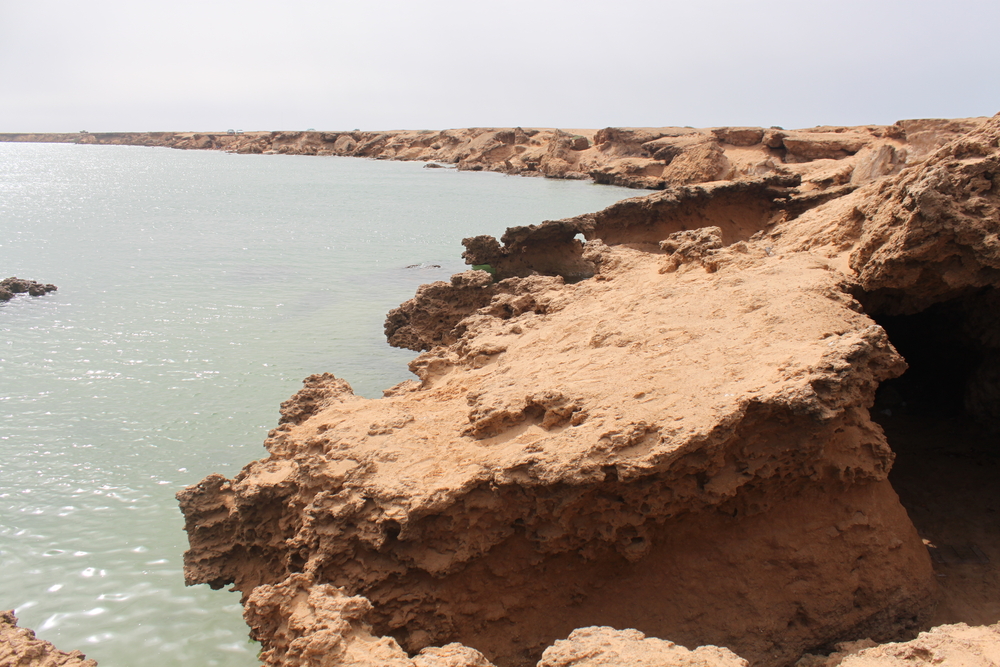
The terrain of Dakhla National Park is characterized by sweeping desert dunes, rugged coastal cliffs, and serene tidal lagoons. The Atlantic Ocean plays a significant role in shaping the park’s environment, creating nutrient-rich waters that support abundant marine life. Vegetation is sparse but adapted to the arid climate, consisting mainly of desert shrubs, salt-tolerant plants, and patches of seagrass in the coastal zones. The park’s unique blend of terrestrial and aquatic habitats supports a rich array of biodiversity.

Dakhla National Park is particularly renowned for its marine life. Dolphins, sea turtles, and various species of fish thrive in its waters, while migratory birds such as flamingos, pelicans, and ospreys are commonly seen along the coast and in the lagoons. The park is also home to desert-dwelling species such as fennec foxes, golden jackals, and monitor lizards. Its diverse habitats provide crucial nesting, feeding, and breeding grounds for wildlife, making it an ecological treasure in the region.

Visitors to Dakhla National Park can enjoy a variety of activities that highlight its natural beauty. The lagoons are famous for water sports such as kiteboarding and windsurfing, drawing enthusiasts from around the globe. Wildlife observation, particularly birdwatching, is a popular activity, with the park offering excellent opportunities to see migratory and resident species in their natural habitats. Guided eco-tours allow visitors to explore the park’s diverse landscapes, from its windswept dunes to its tranquil marine environments. For those seeking cultural experiences, the local Sahrawi communities offer insights into traditional desert lifestyles and their coexistence with the natural environment.

Despite its ecological significance, Dakhla National Park faces several challenges. Overfishing, pollution, and unregulated tourism threaten its marine and coastal ecosystems. Habitat degradation caused by climate change, including rising sea levels and desertification, adds to the pressures. Conservation efforts led by Moroccan authorities and international organizations focus on sustainable tourism development, marine habitat protection, and community engagement. Eco-tourism initiatives are being promoted to generate income while raising awareness of the park’s importance.

Dakhla National Park is a vital component of Morocco’s natural heritage and a global biodiversity hotspot. Its stunning landscapes, rich wildlife, and cultural significance make it a unique destination for eco-tourism and a critical area for conservation. Protecting Dakhla ensures the preservation of its ecosystems and supports global efforts to safeguard the planet’s natural resources for future generations.

Things to See
Popular

Popular

Dakhla National Park, located along the coast of Western Sahara, is a haven for a wide range of terrestrial and marine species, supported by its unique blend of desert landscapes and coastal ecosystems.

Dromedary Camel (Camelus dromedarius)
The iconic dromedary camel thrives in the park’s arid environment, adapted to endure harsh desert conditions while serving as a vital part of the ecosystem by spreading seeds and grazing selectively.

Fennec Fox (Vulpes zerda)
This small desert fox is distinguished by its large ears and remarkable adaptability to the extreme temperatures of the park’s sandy dunes, where it preys on insects, small mammals, and fruits.

Sand Cat (Felis margarita)
An elusive feline species, the sand cat is perfectly adapted to the desert, utilizing its camouflage and hunting small prey under the cover of night.

Desert Hedgehog (Paraechinus aethiopicus)
This nocturnal creature is equipped to survive the park’s dry climate, feeding on insects and small invertebrates while playing a role in pest control.

Barbary Sheep (Ammotragus lervia)
Barbary sheep are skilled climbers inhabiting rocky terrains, grazing on sparse vegetation and contributing to the ecosystem by controlling plant growth.

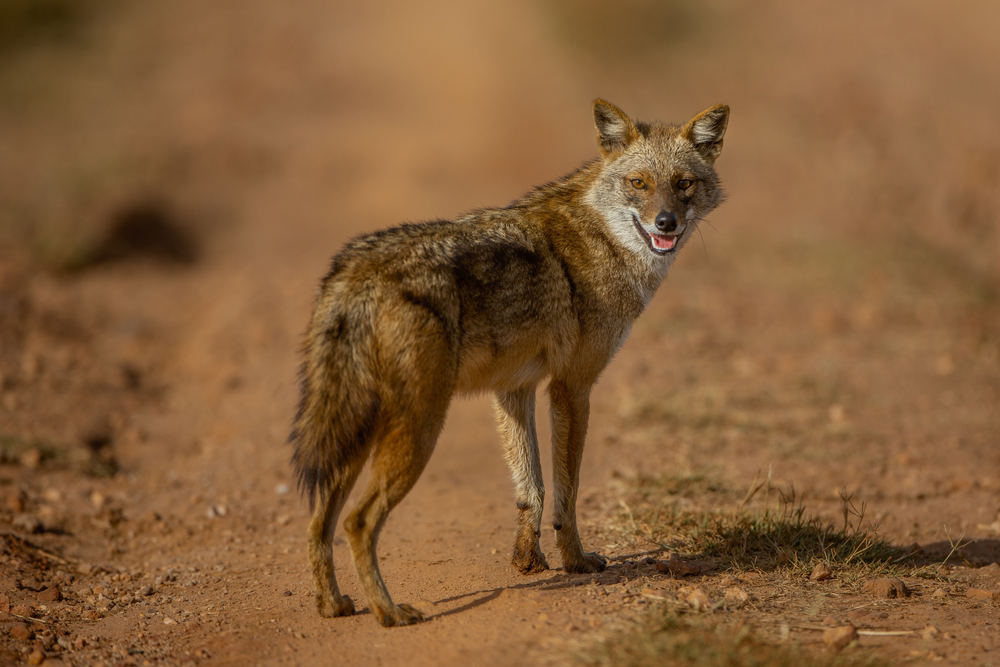
Golden Jackal (Canis aureus)
This adaptable predator roams the park’s desert and coastal edges, preying on small mammals, birds, and carrion, playing a role in nutrient recycling.

Dorcas Gazelle (Gazella dorcas)
This graceful antelope is well-suited to arid conditions, foraging for sparse vegetation and serving as a key prey species for larger predators.

Desert Monitor (Varanus griseus)
A large reptile native to arid regions, the desert monitor preys on small mammals, birds, and insects, maintaining balance within the ecosystem.

Moroccan Spiny-Tailed Lizard (Uromastyx acanthinura)
This herbivorous lizard inhabits rocky areas and sandy flats, contributing to seed dispersal through its plant-based diet.

Mediterranean Monk Seal (Monachus monachus)
This critically endangered marine mammal uses the park’s coastal areas for resting and breeding, playing a vital role in the local marine ecosystem.

Birds

Birds

Dakhla National Park’s coastal and desert landscapes provide critical habitats for a diverse array of bird species, from migratory seabirds to desert-adapted residents.

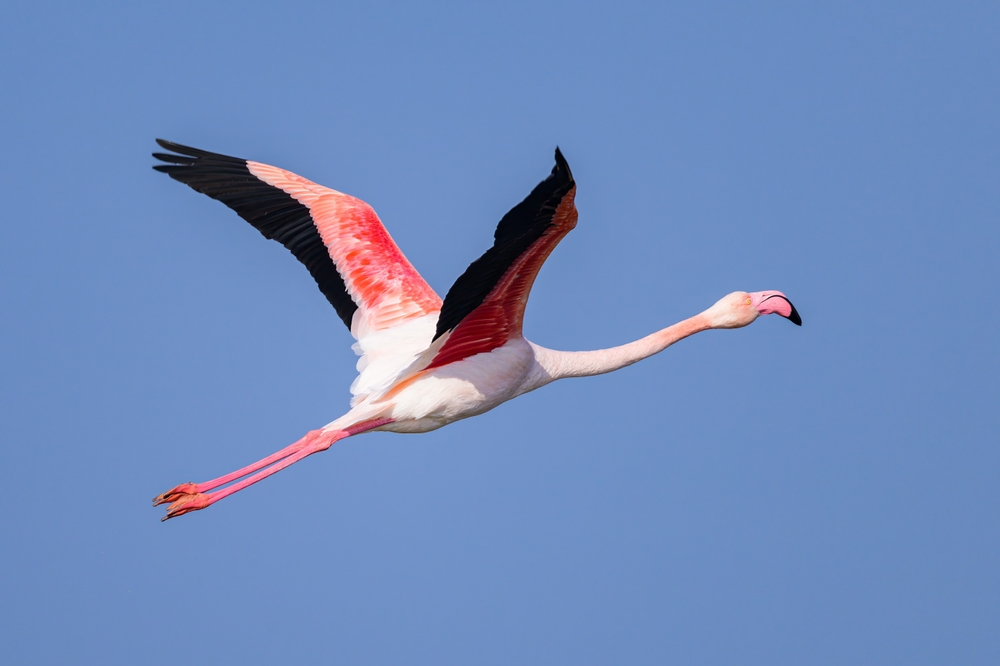
Greater Flamingo (Phoenicopterus roseus)
These striking birds are commonly seen in the park’s lagoons, feeding on algae and small invertebrates, contributing to the ecosystem’s balance.

Eurasian Spoonbill (Platalea leucorodia)
A wader found in the park’s wetlands, it uses its unique bill to filter-feed on aquatic organisms, supporting the health of the wetland ecosystem.

Osprey (Pandion haliaetus)
This raptor is often seen soaring along the coast, preying on fish and playing a key role in the marine food chain.

Slender-Billed Gull (Chroicocephalus genei)
A common sight along the coastline, this gull feeds on small fish and invertebrates, maintaining ecological balance in the marine environment.

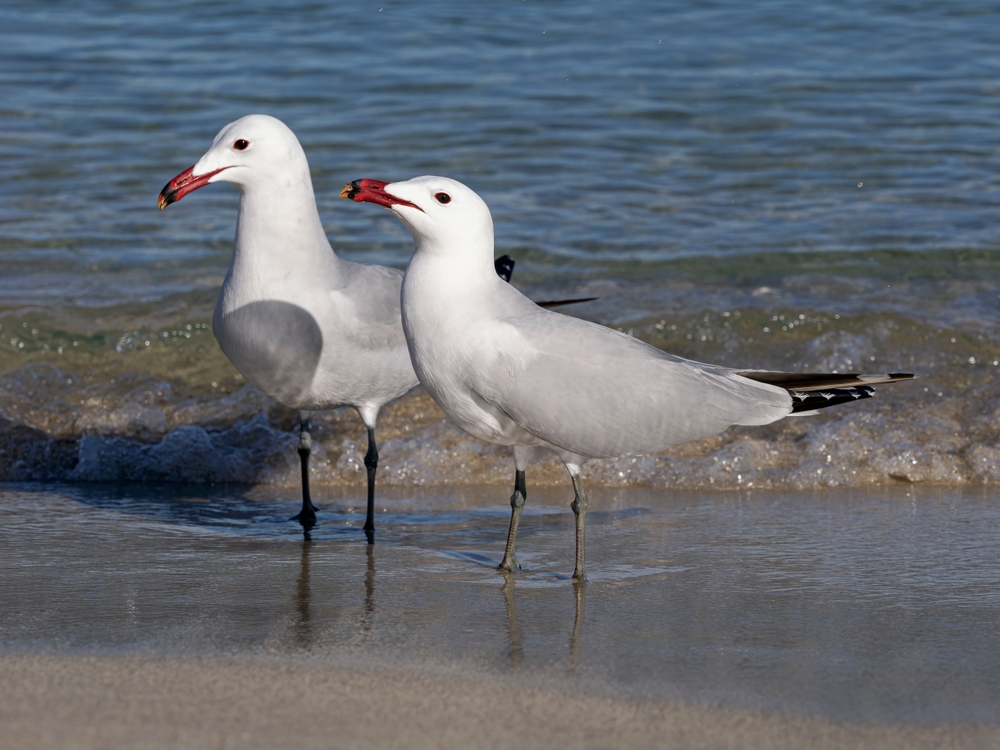
Audouin’s Gull (Ichthyaetus audouinii)
This rare gull nests along the coast and feeds on fish, contributing to the park’s avian diversity.

Kentish Plover (Charadrius alexandrinus)
This small shorebird nests on sandy beaches and feeds on insects and crustaceans, playing a role in the coastal ecosystem.

Western Reef Heron (Egretta gularis)
This adaptable heron frequents the park’s tidal flats and mangroves, preying on fish and aquatic insects.

Lanner Falcon (Falco biarmicus)
A skilled hunter, the lanner falcon preys on small birds and mammals, maintaining predator-prey dynamics in the park.

Caspian Tern (Hydroprogne caspia)
The largest tern species, it dives for fish in coastal waters, contributing to the marine food web.

Black-Winged Stilt (Himantopus himantopus)
A wading bird often seen in the park’s wetlands, feeding on aquatic insects and small invertebrates, supporting wetland health.

Things To Do

Engaging Dakhla National Park
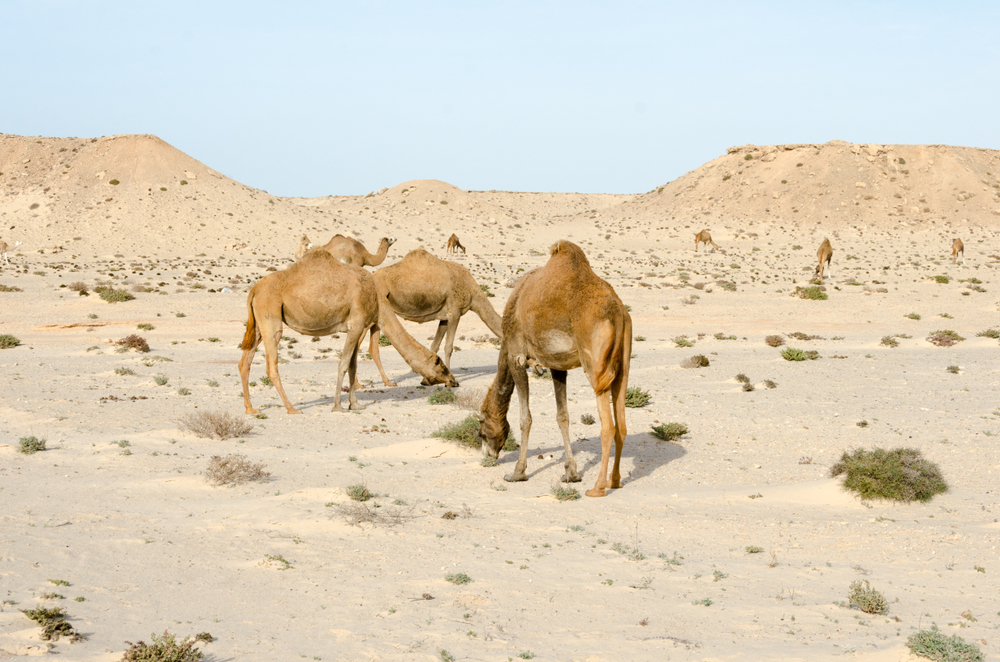
Camel Trekking

Camel Trekking

Kayaking

Kayaking

Birdwatching

Birdwatching