About
Tarvagatai Nuruu National Park (Mongolian: Тарвагатайн Нурууны Байгалийн Цогцолборт Газар) is located in central-western Mongolia within Arkhangai Province.
Established in 2000, the park covers approximately 1,120 square miles (2,900 sq km) and protects a significant portion of the Tarvagatai Mountain Range, one of Mongolia’s most scenic and ecologically important mountain systems.
The park lies west of the Khangai Mountains and forms part of a broader network of protected landscapes that preserve Mongolia’s highland ecosystems. Its remote location, dramatic mountain scenery, and rich biodiversity make it one of the country’s most valuable natural areas.
The park is best known for its rugged mountain landscapes, pristine forests, alpine meadows, and traditional nomadic culture. Visitors are drawn to the park’s sweeping valleys, crystal-clear rivers, and panoramic mountain vistas. The region remains largely undeveloped, offering an authentic experience of Mongolia’s wilderness.
During summer, alpine wildflowers blanket the meadows, while snow-capped peaks provide a stunning backdrop. The park also offers opportunities to encounter nomadic herding families whose lifestyles have remained closely tied to these mountains for centuries. This blend of natural beauty and cultural heritage makes Tarvagatai Nuruu one of Mongolia’s most distinctive protected areas.
Geographically, the park is characterized by rolling mountain ridges, forested slopes, alpine tundra, river valleys, and high-elevation grasslands. Elevations rise above 13,000 feet (4,000 m) in some areas, creating diverse habitats shaped by varying temperatures and precipitation levels.
Larch forests dominate lower mountain slopes, while higher elevations support alpine meadows and rocky summits. Numerous rivers and streams originate within the mountains, providing important water resources for wildlife and downstream communities. The park’s landscapes remain largely intact and reflect the ecological character of Mongolia’s central highlands.
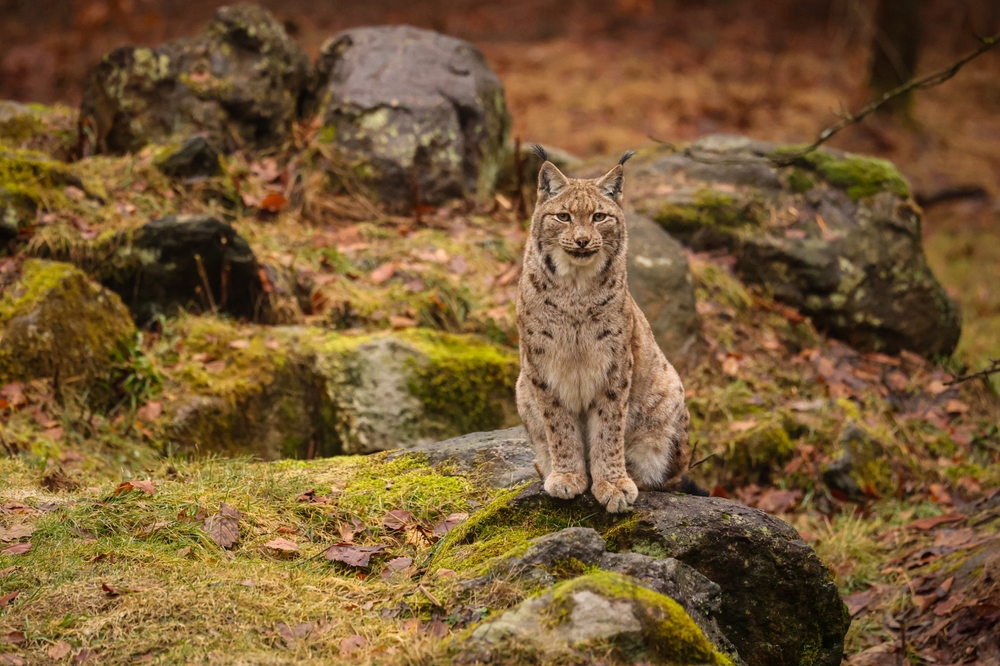
Wildlife within Tarvagatai Nuruu National Park is representative of Mongolia’s mountain ecosystems. Mammals include Siberian ibex, argali sheep, red deer, roe deer, wolves, foxes, lynx, and brown bears. The park provides important habitat for snow leopards in some of its more remote mountainous areas, although sightings are exceptionally rare.
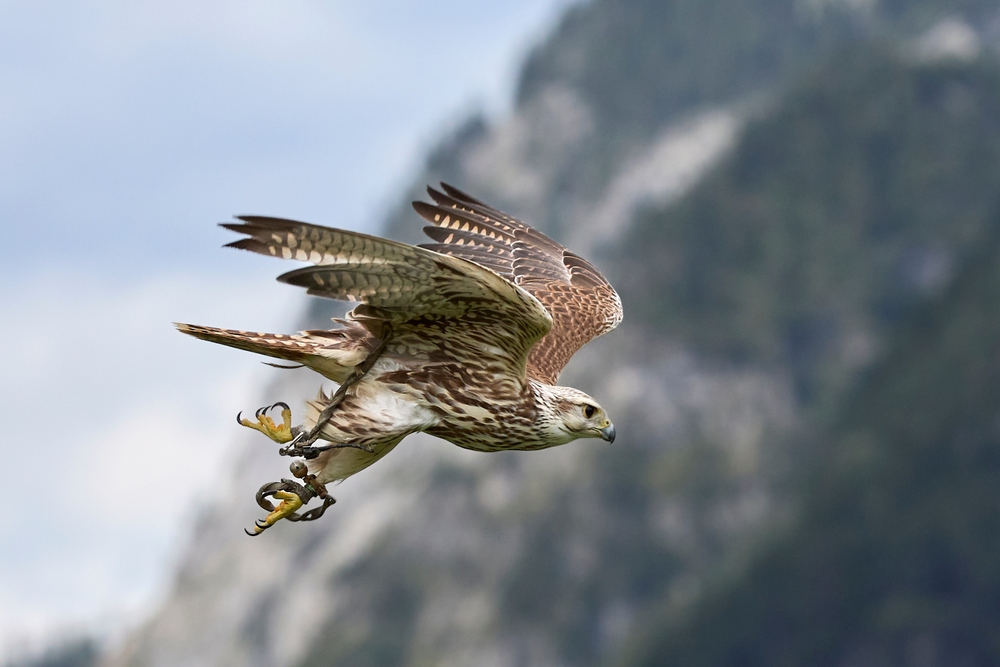
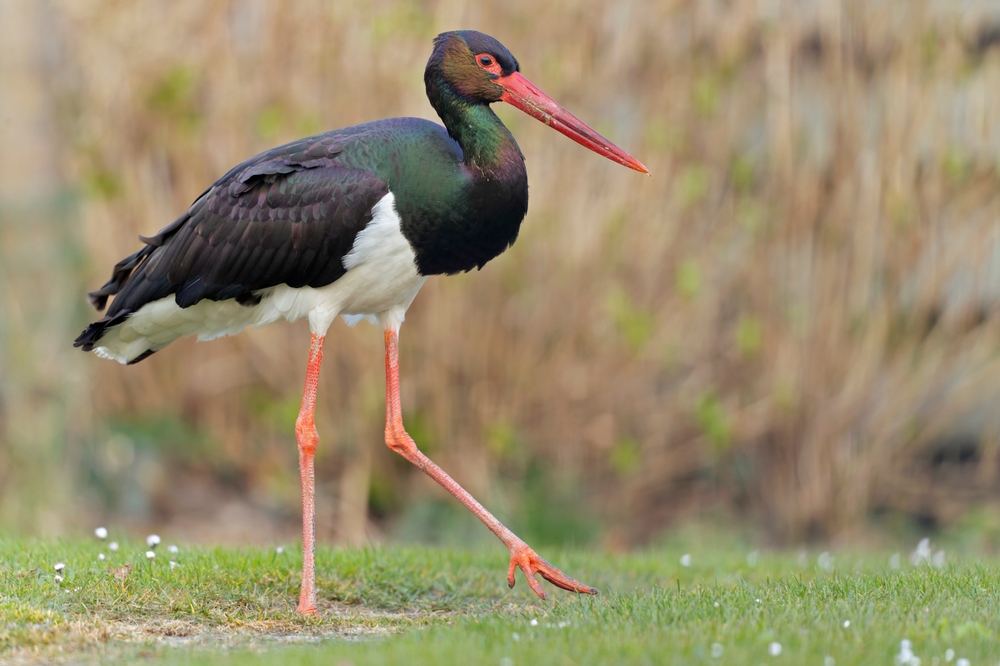
Birdlife is diverse and includes golden eagles, bearded vultures, upland buzzards, owls, and numerous migratory species. Rivers and wetlands support waterfowl and aquatic life, while alpine environments harbor species specially adapted to harsh mountain conditions. The diversity of habitats contributes to the park’s ecological significance.
Tarvagatai Nuruu National Park plays a crucial role in protecting Mongolia’s mountain biodiversity and preserving vital watersheds that support both wildlife and human communities. The park safeguards habitats for several threatened and regionally important species while maintaining ecological connectivity across the Khangai mountain region.
Its conservation value is often compared to mountain reserves such as Altai Tavan Bogd National Park and Sagarmatha National Park because of its high-elevation ecosystems, wildlife, and scenic grandeur. Through its alpine landscapes, pristine forests, rare wildlife, and enduring nomadic traditions, Tarvagatai Nuruu National Park stands as one of Mongolia’s most important protected areas and a remarkable example of Central Asia’s natural heritage.