

About
Boucle du Baoulé National Park, known locally as “Parc National de la Boucle du Baoulé,” is a significant protected area in western Mali, encompassing parts of the Kayes and Koulikoro regions. Established in 1982, the park covers approximately 25,330 square kilometers, making it one of the largest national parks in West Africa. The park is renowned for its rich cultural heritage, including prehistoric rock art and ancient tombs, as well as its diverse ecosystems that range from dry savannas to riverine forests.
The park’s landscape is characterized by gently rolling hills, expansive savannas, and a network of rivers and streams, including the Baoulé River, which forms a natural boundary to the west. While the park does not feature prominent mountains or large waterfalls, its varied terrain offers picturesque vistas and a sense of untouched wilderness. The diverse habitats within the park support a wide array of flora and fauna, contributing to its ecological significance.
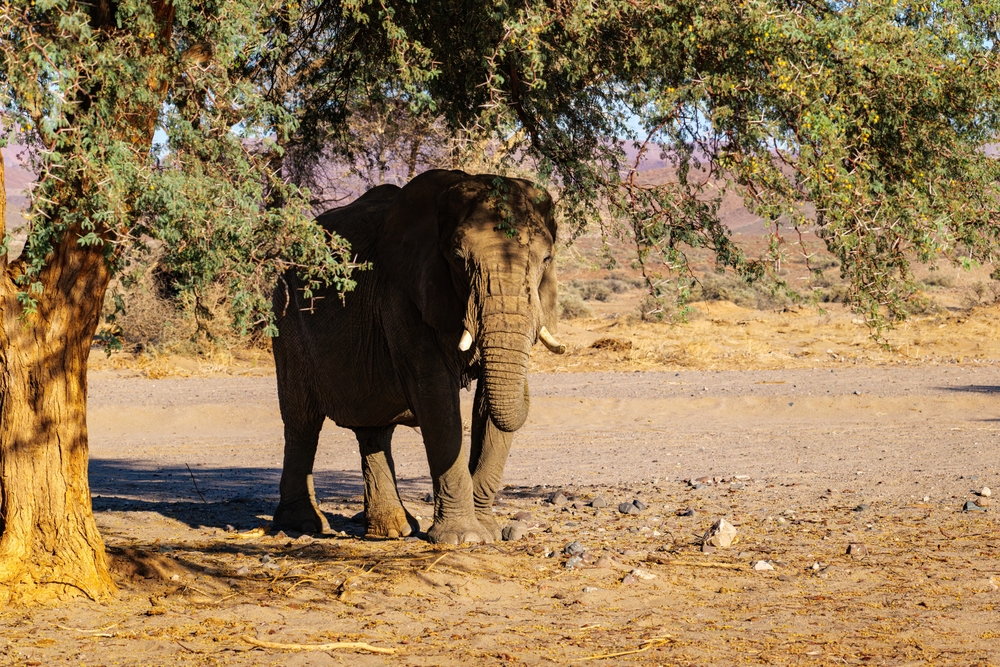
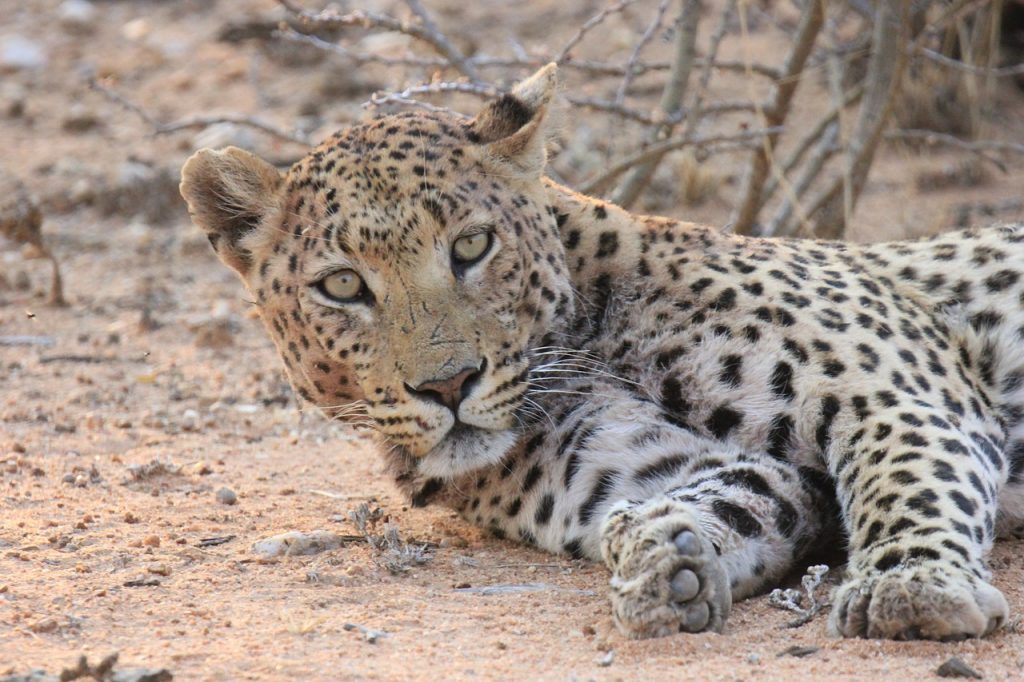
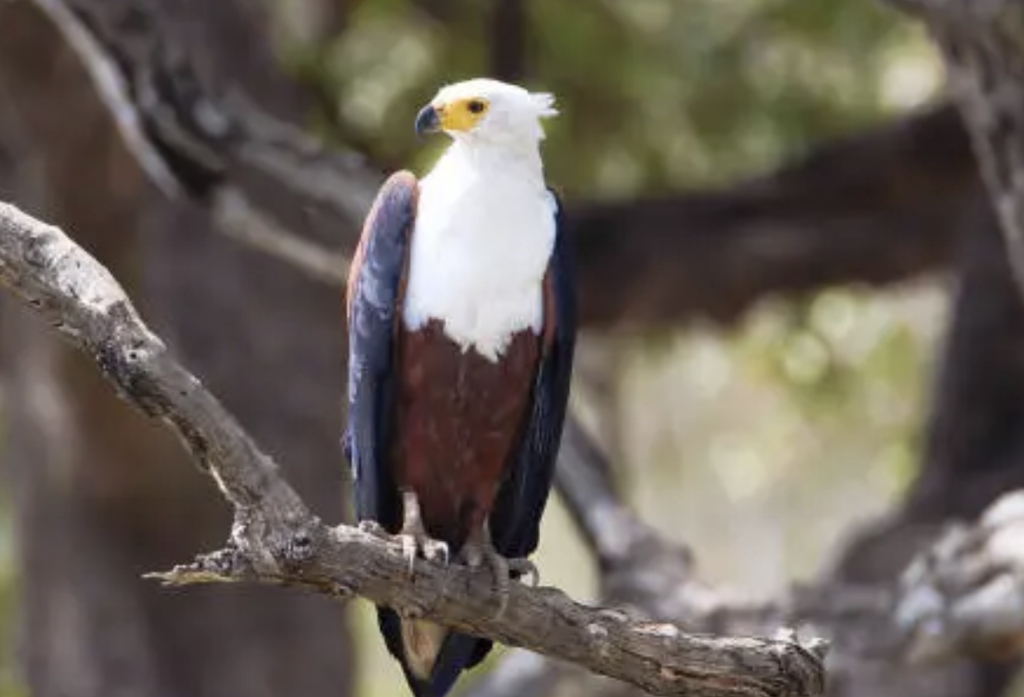
Boucle du Baoulé National Park is home to several wildlife species, including antelopes, warthogs, and various bird species. Notably, the park supports a population of the critically endangered Western chimpanzee (Pan troglodytes verus), which faces threats from poaching and habitat destruction. The park has been designated an Important Bird Area (IBA) by BirdLife International due to its support for significant populations of various bird species.
The park is also part of the UNESCO Boucle du Baoulé Biosphere Reserve, along with the Badinko Faunal Reserve to the southwest, the Fina Faunal Reserve to the south, and the Kongossambougou Faunal Reserve to the northeast.
In terms of conservation efforts, the management of Boucle du Baoulé National Park falls under the National Parks Department of the Ministry of Natural Resources and Animal Husbandry. However, the International Union for Conservation of Nature (IUCN) has noted challenges in effectively controlling protected areas within Mali, citing issues such as illegal hunting and encroachment by villagers for pastoralism and agriculture.
Visitors to Boucle du Baoulé National Park can explore its rich cultural heritage, including prehistoric rock art and ancient tombs, which offer insights into the region’s early inhabitants. The park’s diverse landscapes provide opportunities for wildlife observation, bird watching, and experiencing the tranquility of Mali’s natural environment. However, due to challenges such as poaching and habitat degradation, sightings of large wildlife may be limited.
In summary, Boucle du Baoulé National Park stands as a testament to Mali’s commitment to preserving its natural and cultural heritage. Despite facing significant conservation challenges, ongoing efforts aim to protect and restore the park’s ecosystems and historical sites, ensuring that future generations can appreciate the unique value of this expansive protected area.
Things to See
Things To Do
Engaging Boucle du Baoulé National Park

FAQ’s
Please share more about the rock art in the park.
Boucle du Baoulé National Park in Mali is renowned for its significant rock art heritage, offering a glimpse into the ancient cultural and historical narratives of the region. These rock art sites are scattered across the park’s rugged landscapes and provide a fascinating window into the lives of the people who once inhabited the area.
Prehistoric Engravings and Paintings
The park is home to a collection of prehistoric engravings and paintings etched onto rock surfaces, believed to date back thousands of years. These artworks depict scenes of daily life, including hunting, animal husbandry, and ceremonial activities, showcasing the deep connection between early humans and their environment. Stylized images of animals such as antelopes, elephants, and cattle dominate the art, reflecting the fauna that once thrived in the region.
Symbolic and Ceremonial Significance
Many of the rock art panels are thought to have held symbolic or ceremonial significance, possibly linked to spiritual practices or storytelling traditions. Abstract symbols and geometric patterns found in some sites suggest their use in rituals or as markers of territorial boundaries.
Preservation and Accessibility
While some of the rock art sites are relatively accessible, others require guided hikes through the park’s rocky terrains. These tours, led by knowledgeable guides, ensure the preservation of the fragile heritage while offering visitors insights into the cultural and historical context of the artwork.
Archaeological Importance
The rock art in Boucle du Baoulé National Park serves as a vital archaeological record, shedding light on the region’s prehistoric societies and their interaction with the changing environment. It is a testament to the artistic expression and ingenuity of early humans in West Africa.
Visiting these rock art sites provides a unique opportunity to connect with the ancient history of the region and appreciate the rich cultural heritage that Boucle du Baoulé National Park preserves.