

About

Penang National Park is located on the northwestern corner of an island located along the coast of northwestern Malaysia.  The national park area covers an area of 9.9 square miles (25.4 sq km) making it the smallest national park in the country.

The national park encompasses both a portion of land and sea providing a spectacular place to discover the richness of the natural wonders of the area.  The wealth of this natural habitat goes beyond drawing visitors by also attracting researchers as well.

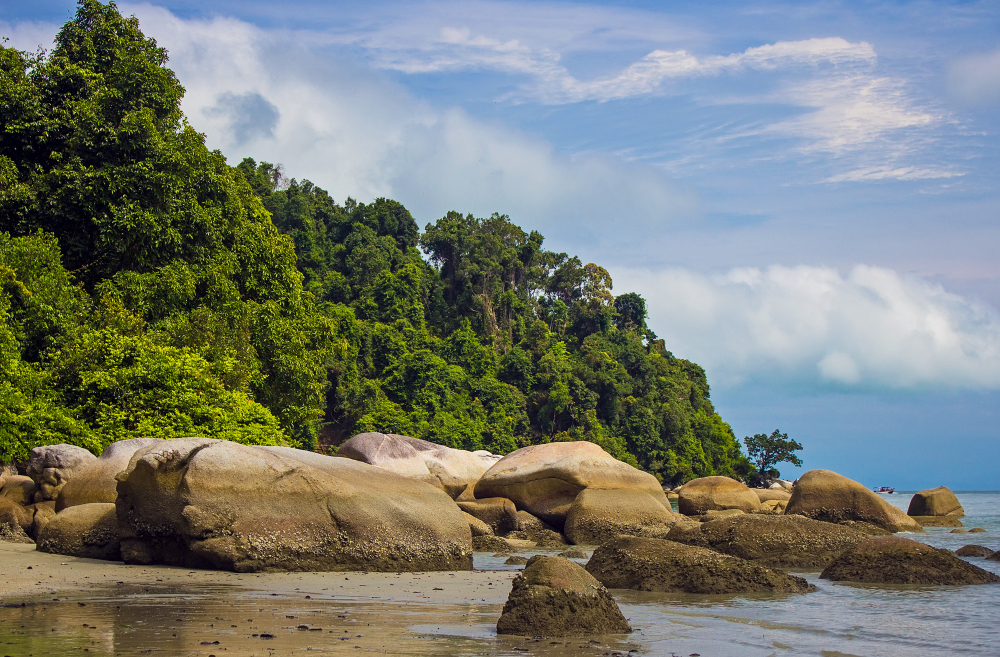
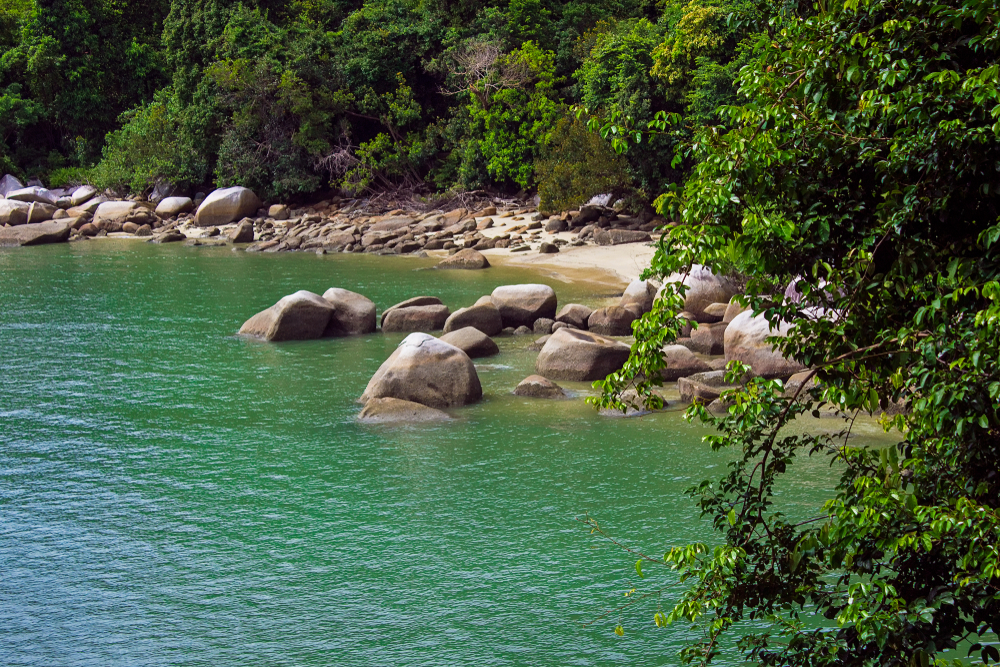
The park extends beyond the preservation of expected natural facets to also include archaeological, ethnological, and historical features.  The natural features are abundant including sandy beaches, mangrove forests, dipterocarp forests, and various elevation changes.  It has one of the more unique arrays of biodiversity in all of Malaysia.

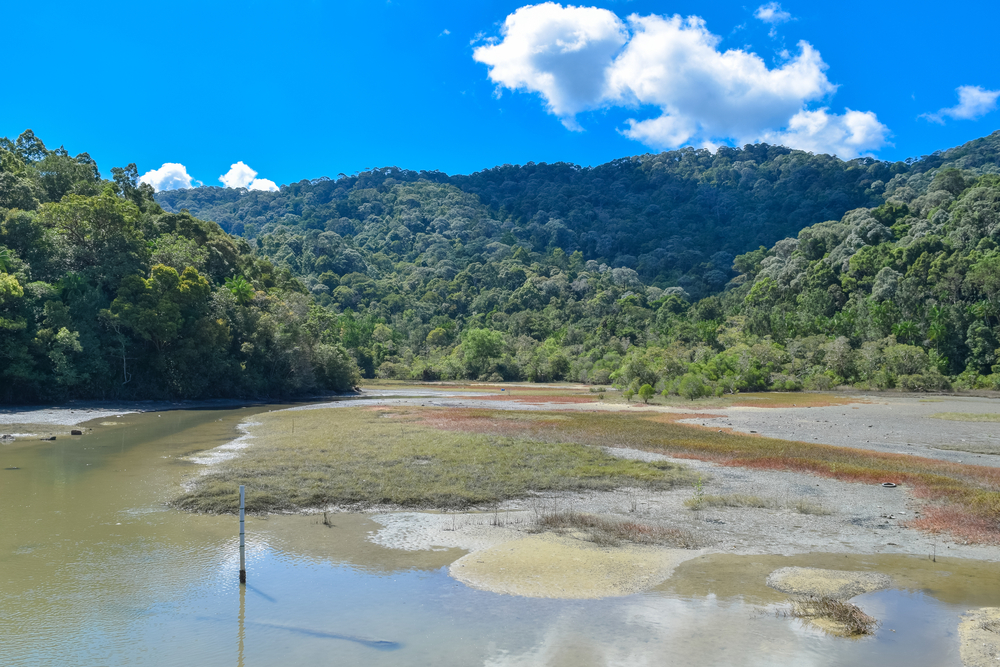
A truly unique aspect of the park is the meromictic lake which features a collection of fresh and saltwater species that live together in the same body of water but on different layers.  The warm saltwater lays along the bottom with the cooler freshwater sitting along with the upper level.  This only occurs between the months of May through November when the rains are heavier.

There are over 415 species of flora and over 140 species of wildlife dwelling in the boundaries of the park.  Mangroves are found along the coastal beach areas with secondary forest rising up off the coast.  The slopes are often blanketed with orchids creating one of the more aesthetically pleasing scenes for visitors.

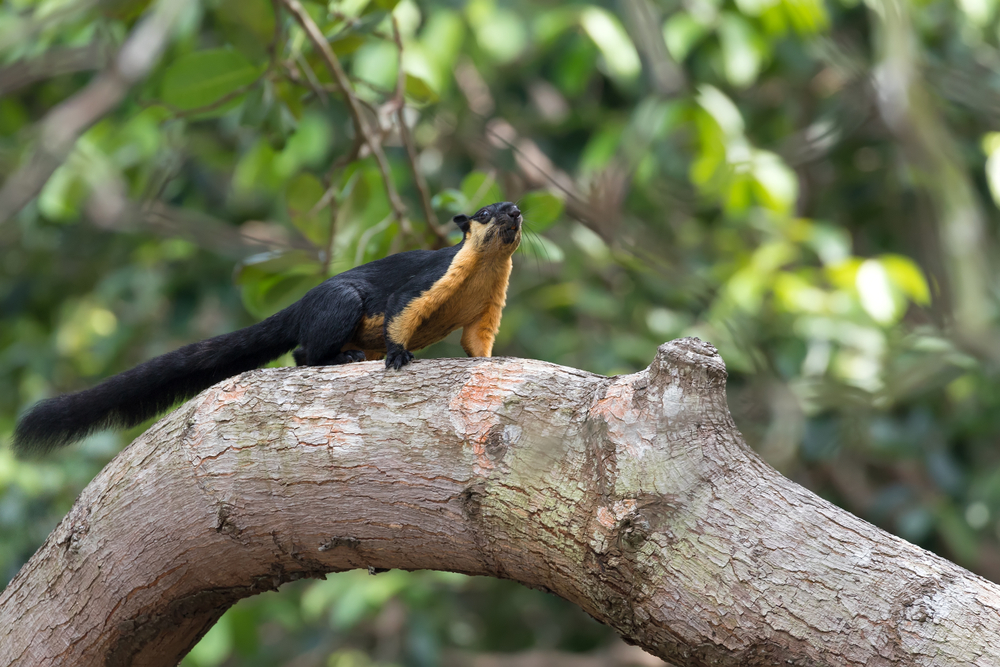
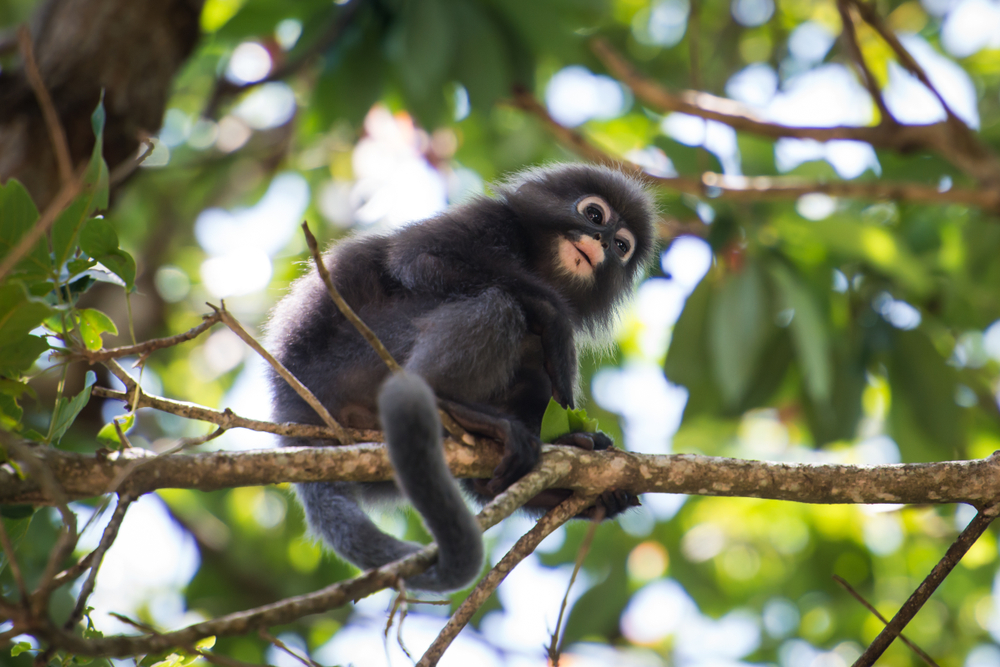
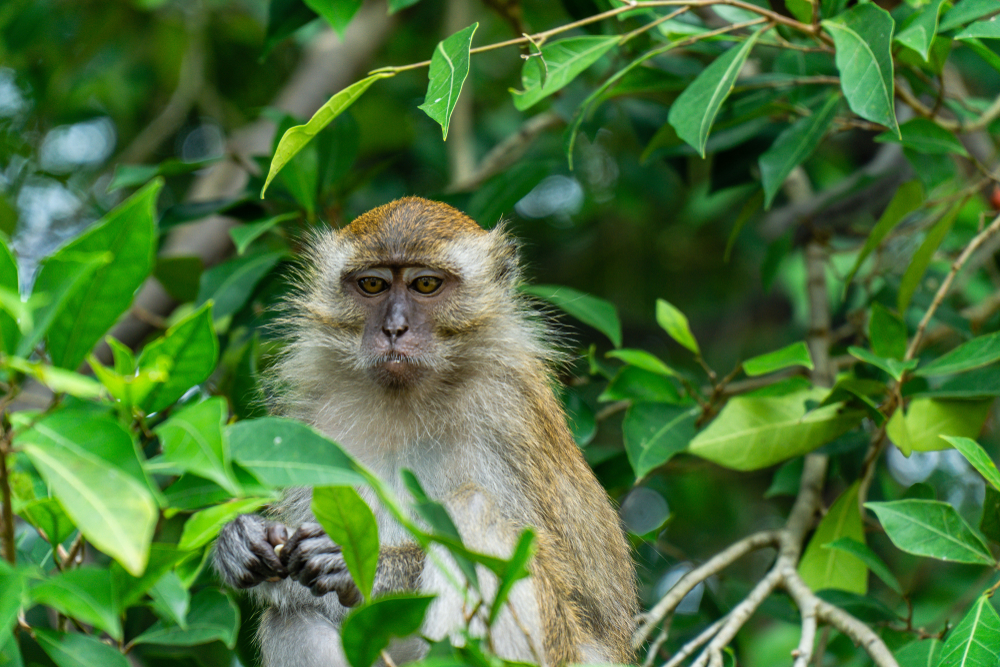
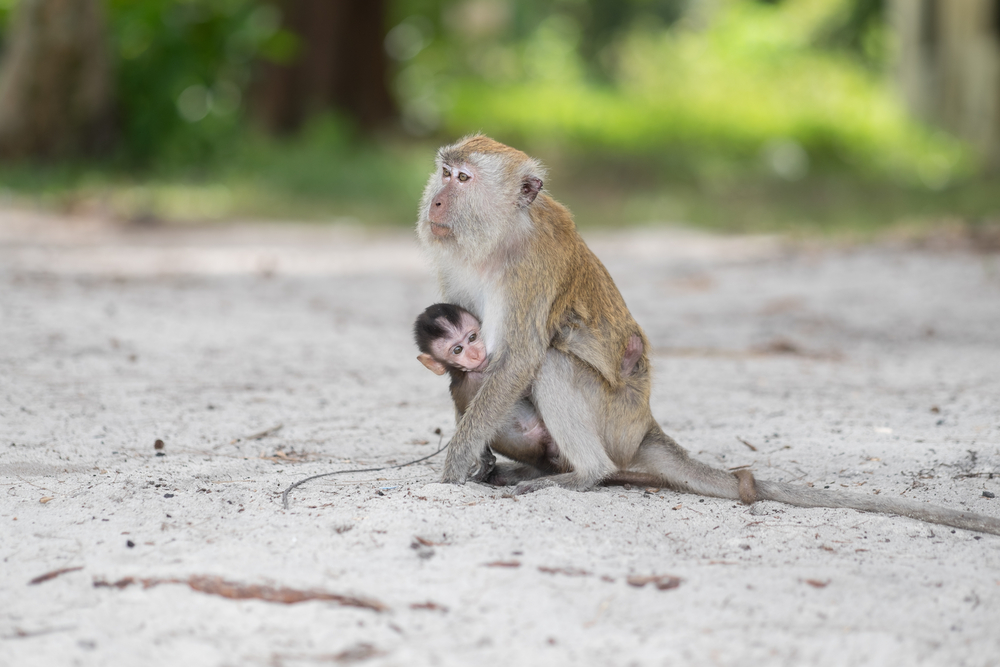
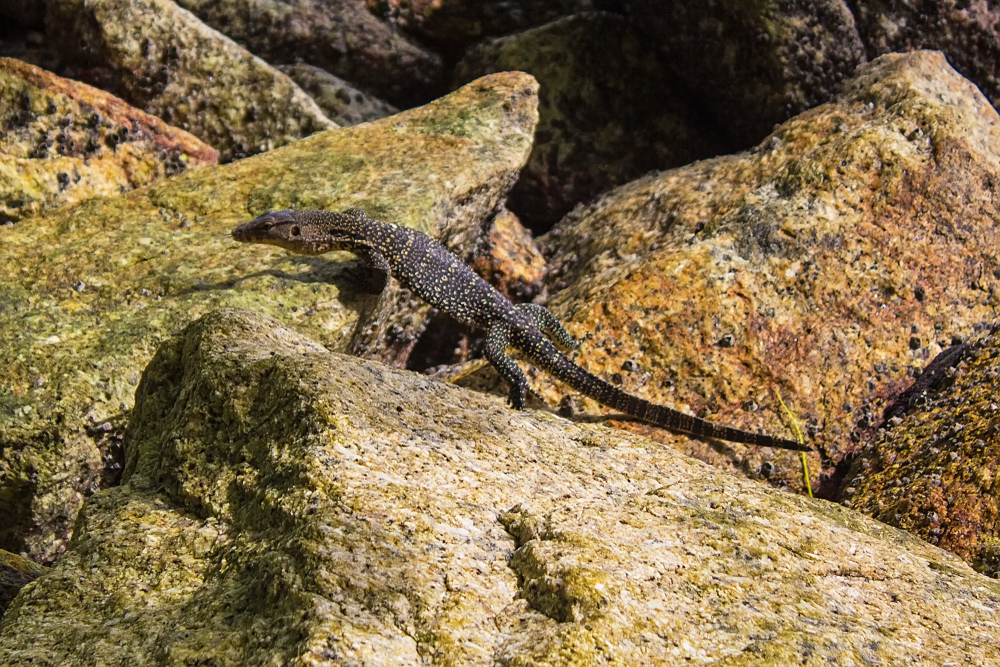
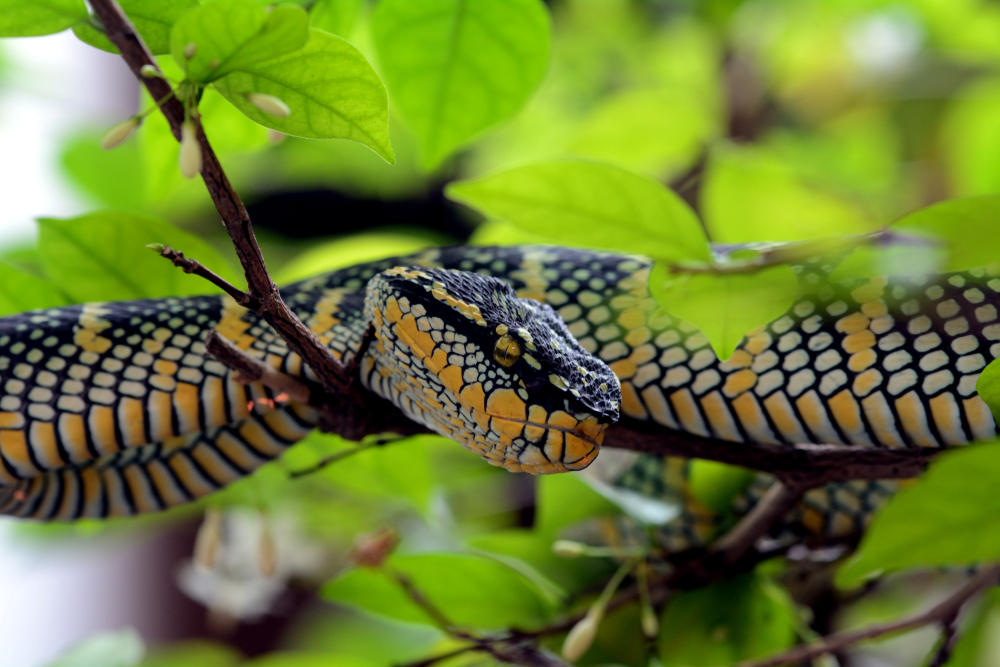
Much of the popular wildlife is found in the seas featuring dolphins, green turtles, hawksbill turtles, and sea otters.  Dusky leaf monkeys and long-tailed macaques roam the secondary forests of the park.  Other popular wildlife includes boar, wild cat, mouse deer, monitor lizards, squirrels, and varied bats with a total of 36 different species of mammals.

Green turtles visit and nest through the months between April and August.

Things to See

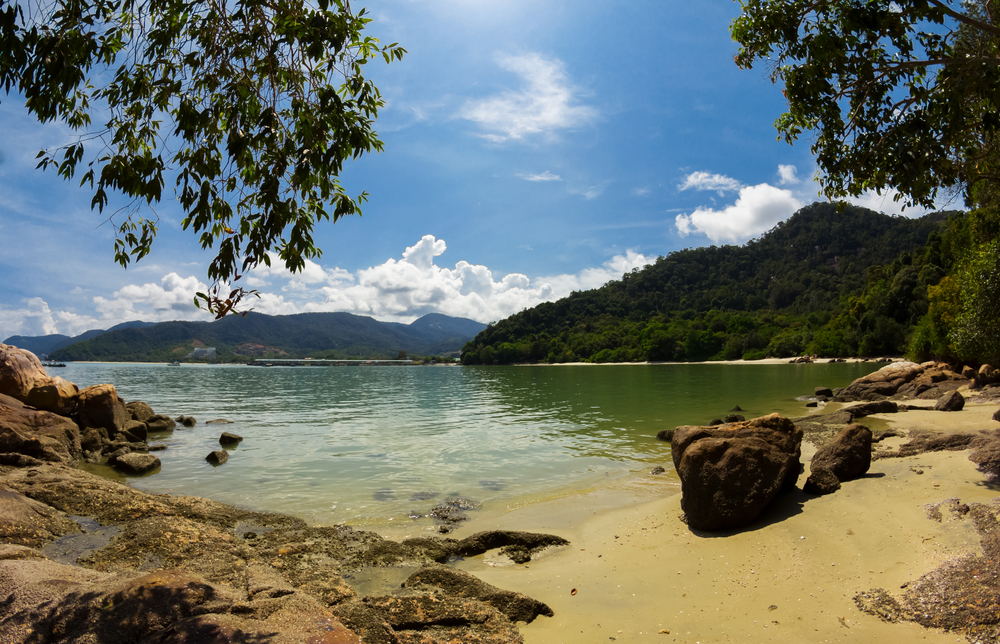
The remote nature of the island and national park create an amazing place for those who love beaches.  The most popular and preferred beach is Teluk Duyung, affectionately known as Monkey Beach.  This beach is void of much of the pollution found on some of the other beaches.  One of the highlights is the crab-eating macaques.

Penang National Park Trails

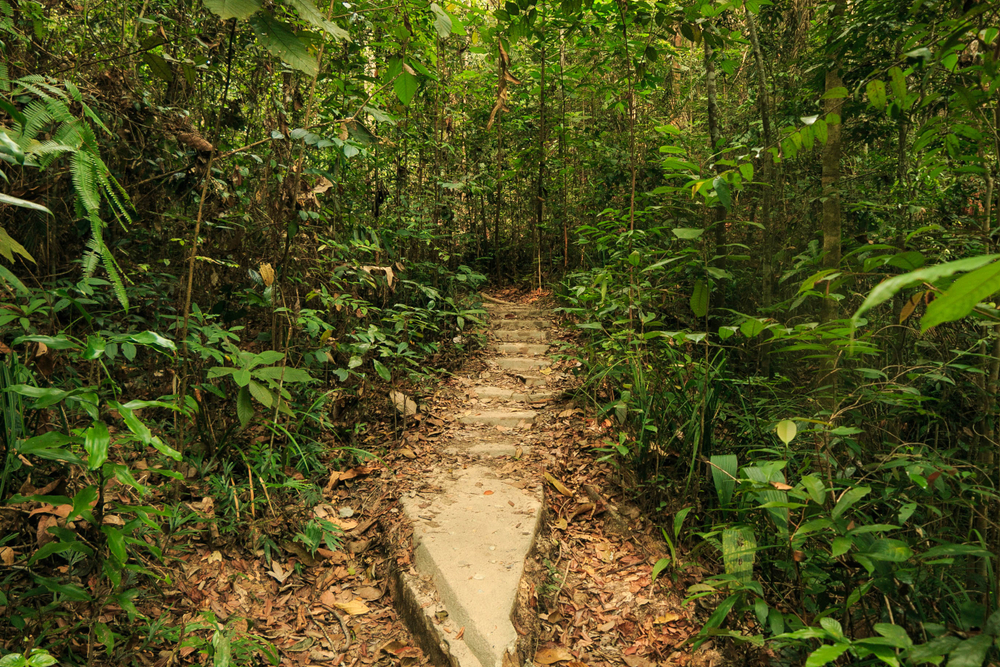
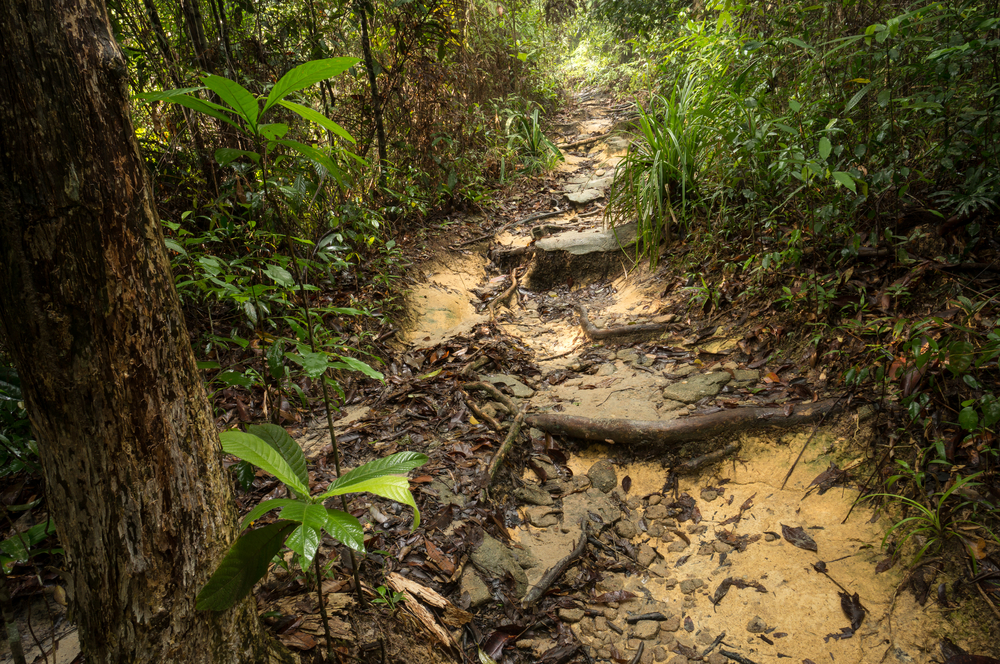
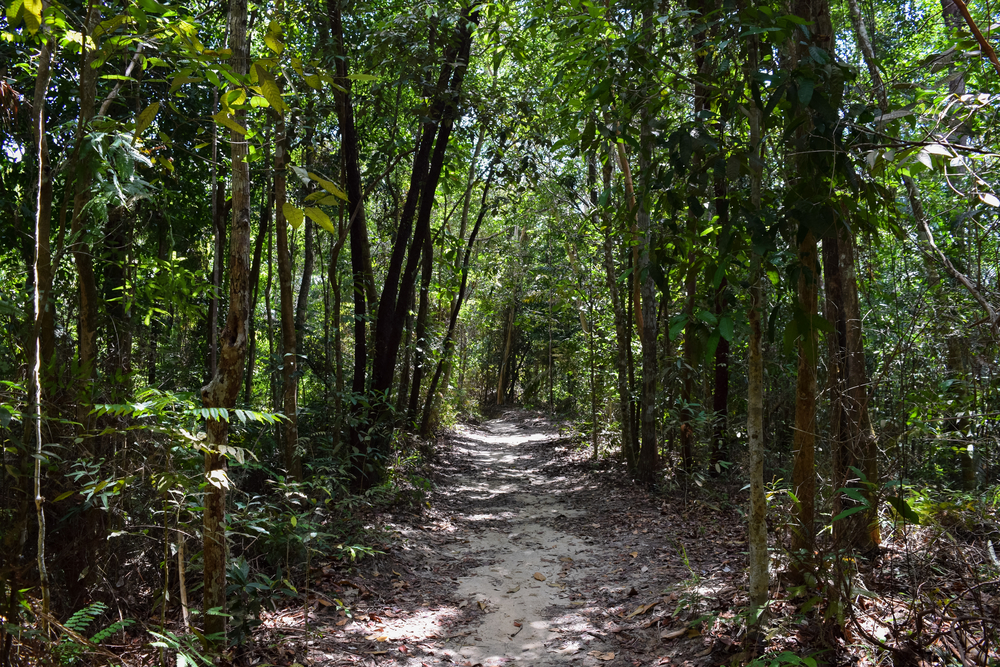
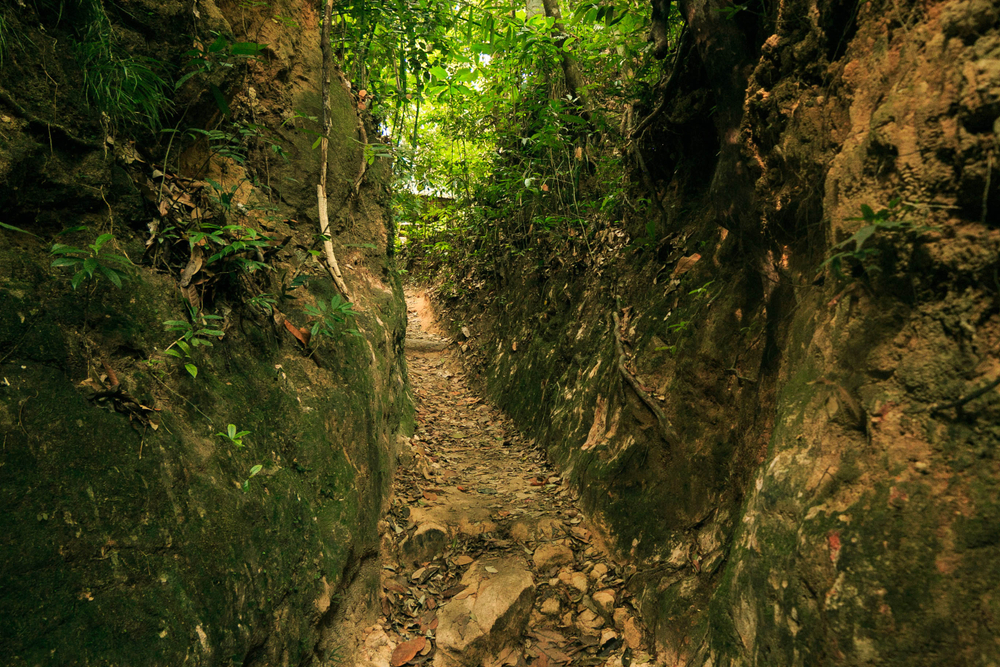
The national park features a variety of trails to help you discover and explore one of Malaysia’s natural wonders. The remaining trails in the park are constructed naturally protecting the natural aspects of the park.  They are well marked allowing visitors to explore the national park on their own.  Most of the trails feature resting huts along the way.

placeholder

Monkey Beach

This is a one-and-a-half-hour long hike traveling along the island coast taking visitors to the pristine Teluk Duyung beach.  After the 1.5 hour journey, visitors can look forward to a refreshing swim in the ocean which is void of jellyfish found in other locations.

placeholder

Pantai Kerachut

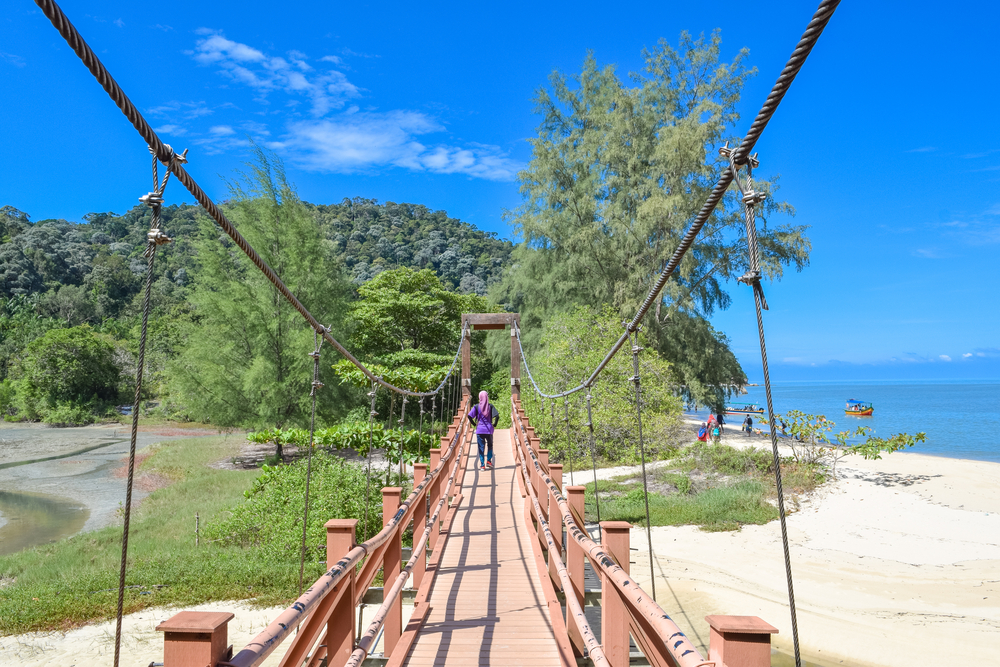
This is a trail through the jungle taking visitors to the Pantai Kerachut beach.  It features a meromictic lake which is a rarity in all of Asia.  This features a suspension bridge as well.  Caution is warranted for those interested in going in the water; jellyfish is a possible encounter.

placeholder

Canopy Walking

This is a (250 m) trail that travels in the canopy of the trees about 45 feet (15 m) off the ground.  This provides views of life in the treetops while also delivering unique views of the natural wilderness below.

placeholder

Canopy Walkway Trail

Rating: Easy

Distance and Elevation Gain: 250 meters one way, with minimal elevation gain.

Description: This short and easy trail features a suspended bridge among the treetops, offering a unique perspective of the park’s rich biodiversity.

Hikers can enjoy the thrill of being at canopy level, observing flora and fauna from a bird’s-eye view.

The walkway provides a quick yet immersive rainforest experience, suitable for all ages.

placeholder

Monkey Beach Trail

Rating: Moderate

Distance and Elevation Gain: 3.5 kilometers one way, with an elevation gain of about 100 meters.

Description: Leading to the serene Monkey Beach, this trail winds through dense forest, offering chances to spot wildlife, including the park’s namesake monkeys.

The hike is moderately challenging due to uneven terrain and humidity but rewards with a beautiful beach ideal for swimming and picnicking. The clear waters and shady trees make it a perfect spot to relax after the hike.

placeholder

Taman Negara Pulau Pinang Trail to Pantai Kerachut

Rating: Moderate

Distance and Elevation Gain: 5 kilometers one way, with an elevation gain of about 150 meters.

Description: This trail takes hikers to Pantai Kerachut, one of the park’s most beautiful beaches.

Along the way, hikers can visit a meromictic lake (a rare phenomenon where freshwater and seawater do not mix) and a turtle sanctuary.

The trail is well-marked but can be challenging due to its length and the humid tropical heat.

placeholder

Muka Head Lighthouse Trail

Rating: Moderate to Difficult

Distance and Elevation Gain: 2 kilometers one way, with an elevation gain of about 200 meters.

Description: This trail leads to the historic Muka Head Lighthouse, built in the late 19th century.

The path is steep and can be slippery, but it offers stunning views of the Andaman Sea from the lighthouse.

Hikers may also enjoy secluded beaches along the way, where they can take a refreshing dip.

placeholder

Teluk Kampi Trail

Rating: Moderate

Distance and Elevation Gain: 6 kilometers one way, with an elevation gain of about 100 meters.

Description: As the longest beach in Penang National Park, Teluk Kampi offers a secluded retreat for those willing to hike.

The trail to the beach is scenic, passing through mangroves and rainforest. It’s a moderate hike with some challenging sections, especially after rain.

The beach itself is a quiet spot for relaxation, with occasional sightings of dolphins and sea turtles offshore

placeholder

Canopy Walkway Trail

Rating: Easy

Distance and Elevation Gain: 250 meters one way, with minimal elevation gain.

Description: This short and easy trail features a suspended bridge among the treetops, offering a unique perspective of the park’s rich biodiversity.

Hikers can enjoy the thrill of being at canopy level, observing flora and fauna from a bird’s-eye view.

The walkway provides a quick yet immersive rainforest experience, suitable for all ages.

placeholder

Monkey Beach Trail

Rating: Moderate

Distance and Elevation Gain: 3.5 kilometers one way, with an elevation gain of about 100 meters.

Description: Leading to the serene Monkey Beach, this trail winds through dense forest, offering chances to spot wildlife, including the park’s namesake monkeys.

The hike is moderately challenging due to uneven terrain and humidity but rewards with a beautiful beach ideal for swimming and picnicking. The clear waters and shady trees make it a perfect spot to relax after the hike.

placeholder

Taman Negara Pulau Pinang Trail to Pantai Kerachut

Rating: Moderate

Distance and Elevation Gain: 5 kilometers one way, with an elevation gain of about 150 meters.

Description: This trail takes hikers to Pantai Kerachut, one of the park’s most beautiful beaches.

Along the way, hikers can visit a meromictic lake (a rare phenomenon where freshwater and seawater do not mix) and a turtle sanctuary.

The trail is well-marked but can be challenging due to its length and the humid tropical heat.

placeholder

Muka Head Lighthouse Trail

Rating: Moderate to Difficult

Distance and Elevation Gain: 2 kilometers one way, with an elevation gain of about 200 meters.

Description: This trail leads to the historic Muka Head Lighthouse, built in the late 19th century.

The path is steep and can be slippery, but it offers stunning views of the Andaman Sea from the lighthouse.

Hikers may also enjoy secluded beaches along the way, where they can take a refreshing dip.

placeholder

Teluk Kampi Trail

Rating: Moderate

Distance and Elevation Gain: 6 kilometers one way, with an elevation gain of about 100 meters.

Description: As the longest beach in Penang National Park, Teluk Kampi offers a secluded retreat for those willing to hike.

The trail to the beach is scenic, passing through mangroves and rainforest. It’s a moderate hike with some challenging sections, especially after rain.

The beach itself is a quiet spot for relaxation, with occasional sightings of dolphins and sea turtles offshore

Sources