About

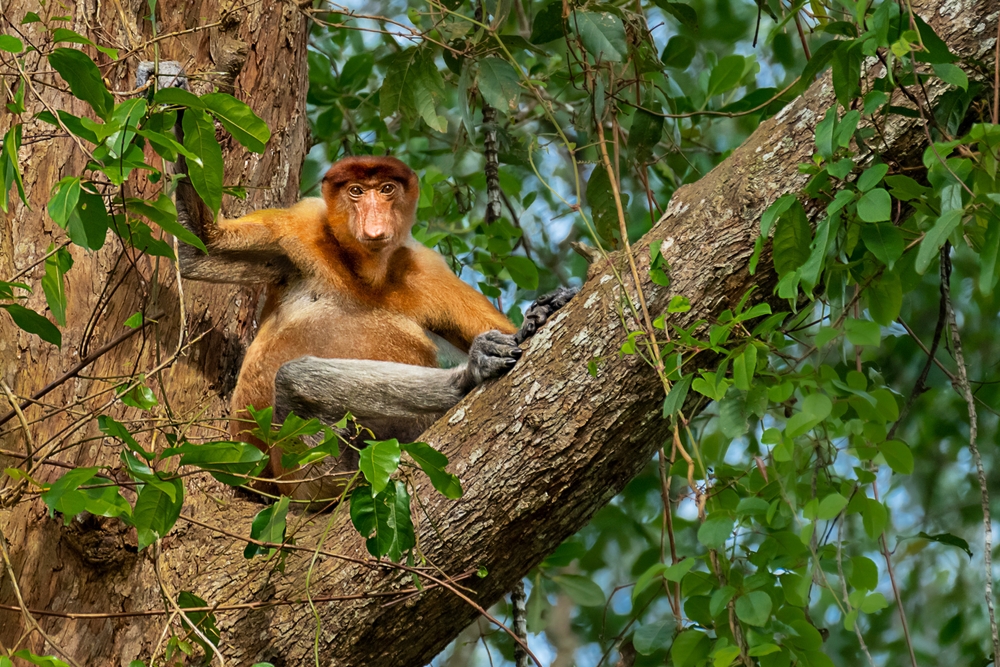
Bruit Island National Park (often referred to as Pulau Bruit National Park) is located on Bruit Island (Pulau Bruit) in the Rajang Delta of Sarawak, on the island of Borneo in Malaysia.

The protected area lies within one of the largest delta systems in Southeast Asia, where the mighty Rajang River empties into the South China Sea. The park protects a unique network of mangrove forests, peat swamps, tidal waterways, and coastal habitats that support a rich diversity of wildlife and provide critical ecological services to the surrounding region.

The park is best known for its extensive mangrove ecosystems and its role in conserving coastal habitats within the Rajang Delta. Visitors experience a landscape shaped by tides, rivers, and sediment deposits, creating a maze of channels and wetlands. Unlike mountain parks or rainforest reserves, Bruit Island’s appeal lies in its quiet waterways, abundant birdlife, and opportunities to explore one of Borneo’s most productive coastal environments. Traditional fishing communities also inhabit portions of the island, reflecting a long history of human interaction with the delta ecosystem.

Geographically, the park consists primarily of low-lying coastal terrain influenced by daily tidal cycles. Mangrove forests dominate much of the landscape, while peat swamp forests occur in less saline interior areas. Numerous rivers, estuaries, and tidal creeks weave through the island, creating ideal habitat for aquatic species and migratory birds.

The warm tropical climate and abundant rainfall support dense vegetation throughout the year. These wetlands play an important role in stabilizing shorelines, filtering water, storing carbon, and protecting coastal communities from storms and erosion.

Wildlife within Bruit Island National Park is typical of Borneo’s coastal and wetland ecosystems. Mammals may include long-tailed macaques, silvered langurs, otters, civets, and flying foxes. The mangrove habitats support a rich diversity of fish, crustaceans, and mollusks that form the foundation of the food web.

Birdlife is particularly important, with herons, egrets, kingfishers, brahminy kites, white-bellied sea eagles, and numerous migratory shorebirds utilizing the wetlands. Reptiles such as monitor lizards, crocodiles, and various snake species may also be found throughout the park’s waterways and forests.

Bruit Island National Park plays a critical role in protecting Sarawak’s coastal ecosystems and maintaining the ecological health of the Rajang Delta. The park safeguards important nursery grounds for marine life, preserves habitat for resident and migratory birds, and helps protect one of Southeast Asia’s most productive wetland environments.

Its conservation value is often compared to protected mangrove reserves such as Kuching Wetlands National Park and Sundarbans National Park, where mangrove ecosystems support exceptional biodiversity and provide vital environmental services. Through its wetlands, mangrove forests, wildlife habitats, and role in coastal conservation, Bruit Island National Park stands as an important component of Malaysia’s natural heritage and a valuable refuge for the biodiversity of Borneo’s coastline.
Things to See

Popular

Popular

Bruit Island National Park is a stunning natural area celebrated for its diverse wildlife, rugged coastal landscapes, and thriving marine ecosystems. Visitors can encounter a variety of remarkable species that call this island park home, ranging from unique reptiles to fascinating marine mammals. Below are some of the more popular species found in Bruit Island National Park:

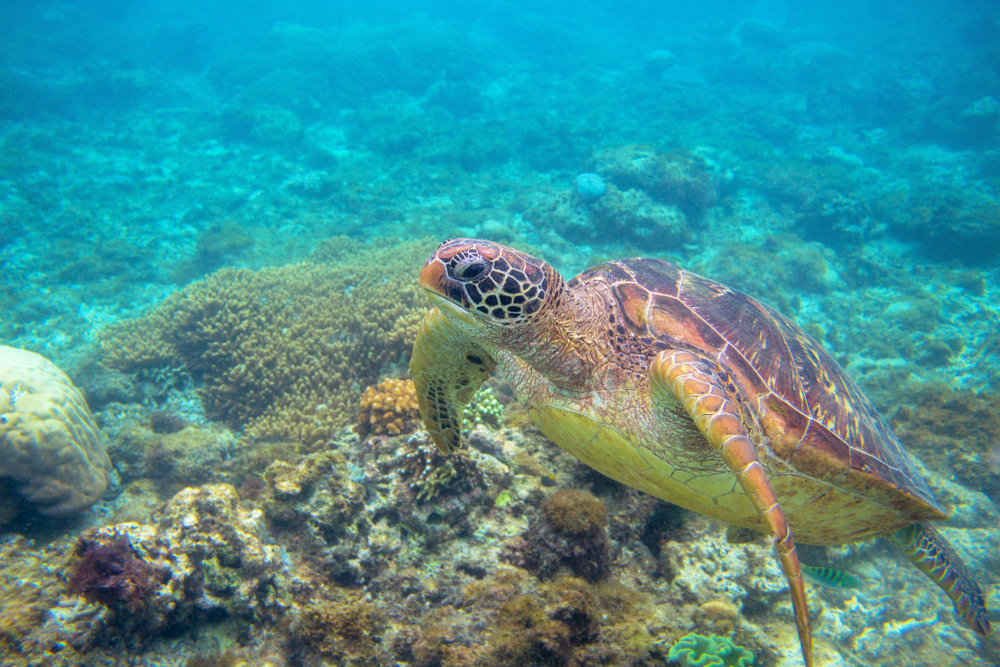
Green Sea Turtle
These turtles are frequent visitors to Bruit Island’s beaches, where they come to nest. They are known for their long migrations and play a vital role in marine ecosystems as grazers that maintain healthy seagrass beds.

Hawksbill Turtle
Recognizable by their sharp, pointed beaks and beautiful shell patterns, these critically endangered turtles are often seen around coral reefs in the park.

Saltwater Crocodile
Thriving in the brackish and freshwater areas of the park, this apex predator is a fascinating sight for visitors, embodying a mix of power and ancient lineage.

Dugong
A gentle marine mammal, the dugong is frequently spotted grazing on seagrass in shallow coastal areas, making it a highlight for marine wildlife enthusiasts.

Monitor Lizard
Large and agile, these lizards are often seen basking in the sun or searching for food along the island’s shorelines.

Coconut Crab
The world’s largest terrestrial arthropod, this crab is a remarkable sight, often seen climbing trees or scavenging along the beaches.

Spinner Dolphin
These playful marine mammals are known for their acrobatic leaps and spins, providing an enchanting display for visitors on boat tours.

Sea Snake
Highly adapted to marine life, sea snakes can often be spotted swimming gracefully in the park’s waters, though they are generally shy around humans.

Bottlenose Dolphin
Intelligent and social, bottlenose dolphins are a frequent sight in the park’s waters, where they are known to interact with boats and display playful behavior.

Whitetip Reef Shark
A key predator in the coral reef ecosystem, this small and docile shark can often be seen resting on the ocean floor during the day.

Birds

Birds

Bruit Island National Park is also home to an array of remarkable bird species that attract birdwatchers from around the world. These avian inhabitants range from coastal specialists to vibrant tropical residents. Below are ten popular bird species found in the park:

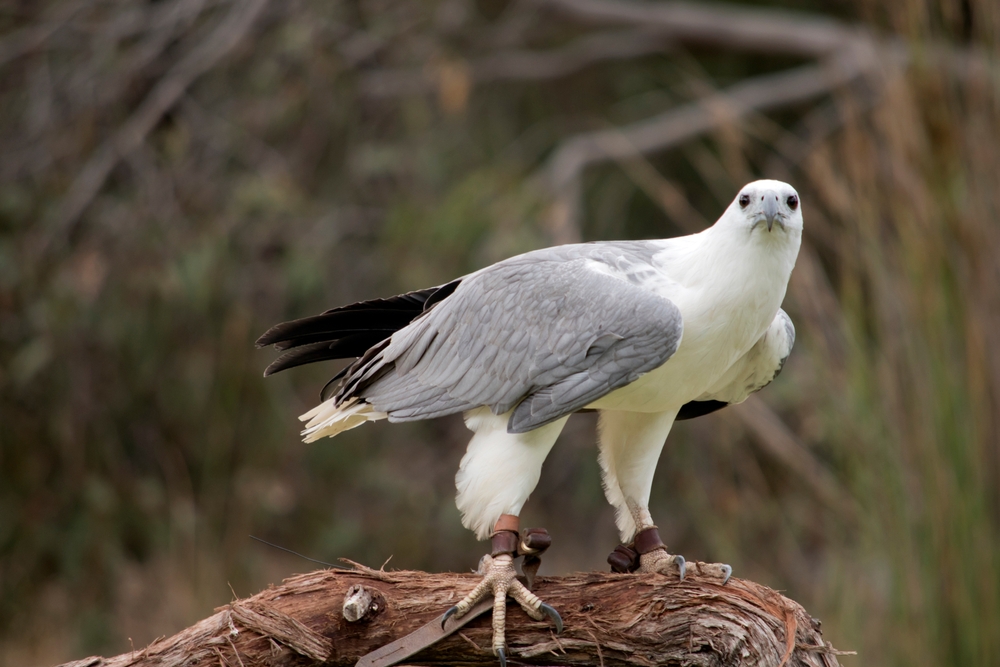
White-bellied Sea Eagle
This majestic raptor is a common sight soaring over the coastline, hunting for fish and other prey in the surrounding waters.

Frigatebird
Known for their forked tails and striking red throat pouches in males, frigatebirds are often seen gliding effortlessly above the park’s shores.

Pacific Reef Heron
A versatile hunter, this bird can be observed stalking prey along rocky shorelines or tidal pools. Its plumage ranges from white to slate gray.

Brown Booby
These seabirds are experts at diving into the water to catch fish and are a frequent sight on the rocky cliffs and nearby islets.

Roseate Tern
With its pale plumage and elegant flight, the roseate tern is a common visitor to the park’s coastal waters, particularly during the breeding season.

Great Egret
This tall, graceful bird is often found wading in the park’s shallow waters, where it hunts for small fish and crustaceans.

Black-naped Tern
A striking white bird with a black cap, the black-naped tern is a frequent visitor to the park’s sandy beaches and rocky outcrops.

Osprey
Often seen diving into the water for fish, the osprey is a skilled hunter that frequents the park’s coastlines and lagoons.

Lesser Crested Tern
These seabirds are often found in large flocks along the coast, recognizable by their bright orange bills and distinctive calls.

Pied Imperial Pigeon
A large, striking pigeon with pale plumage, this bird is often seen foraging in the park’s forests or flying between islands.

These species highlight the ecological significance of Bruit Island National Park as a haven for both resident and migratory birds, underscoring the importance of its conservation.