

About
Andasibe-Mantadia National Park, locally known as “Parc National d’Andasibe-Mantadia,” is one of Madagascar’s most accessible and iconic protected areas. Situated just 150 kilometers (93 miles) east of Antananarivo, the capital city, the park spans approximately 155 square kilometers (60 square miles) and is divided into two sections: the Analamazaotra Special Reserve and the Mantadia National Park. Established in 1989, this park is renowned for its lush rainforests, incredible biodiversity, and as a sanctuary for the indri, the largest living lemur species.
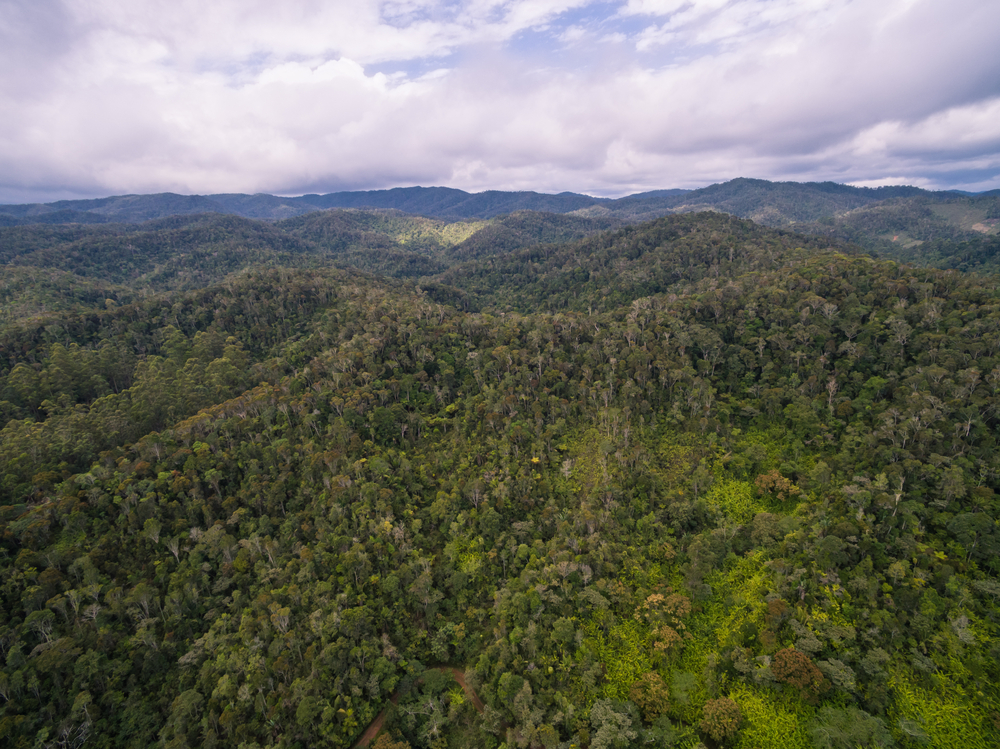
The terrain of Andasibe-Mantadia National Park is a mix of dense montane rainforest, rolling hills, and a network of rivers and streams. The vegetation is characterized by towering trees covered in moss and lianas, alongside a rich understory of orchids, ferns, and bamboo. The forest is perpetually green due to the area’s high rainfall, creating an ideal habitat for the wide variety of species that call it home. Numerous small waterfalls and tranquil ponds dot the landscape, adding to its picturesque charm.
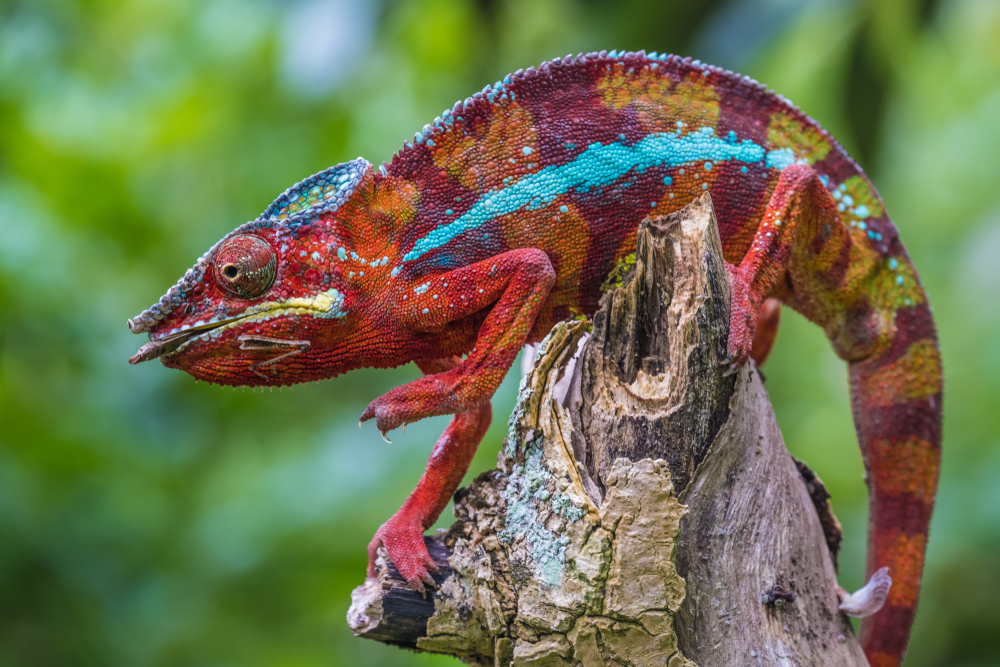
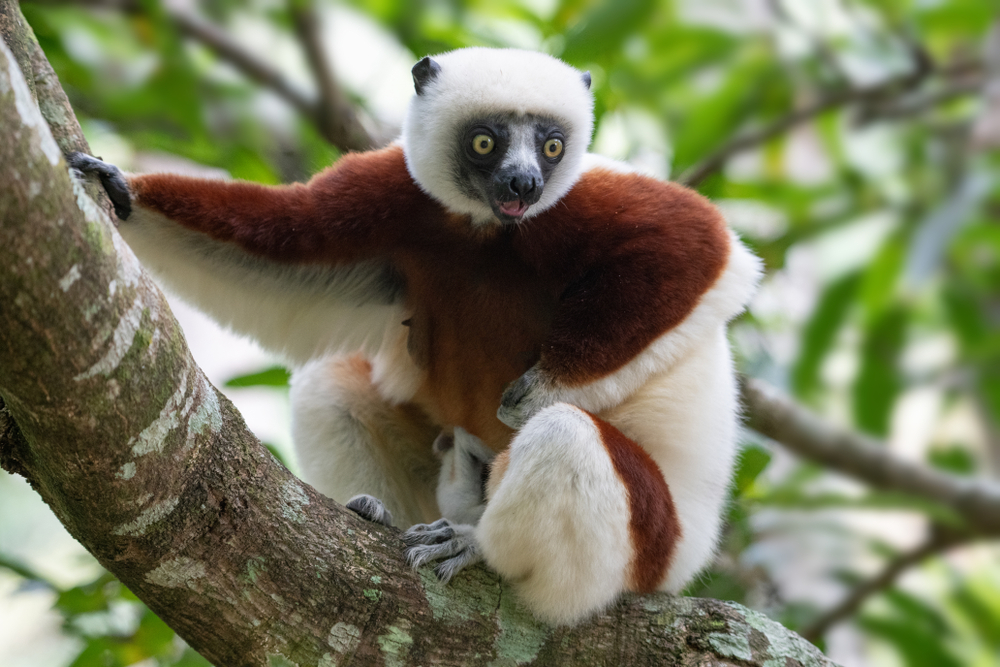
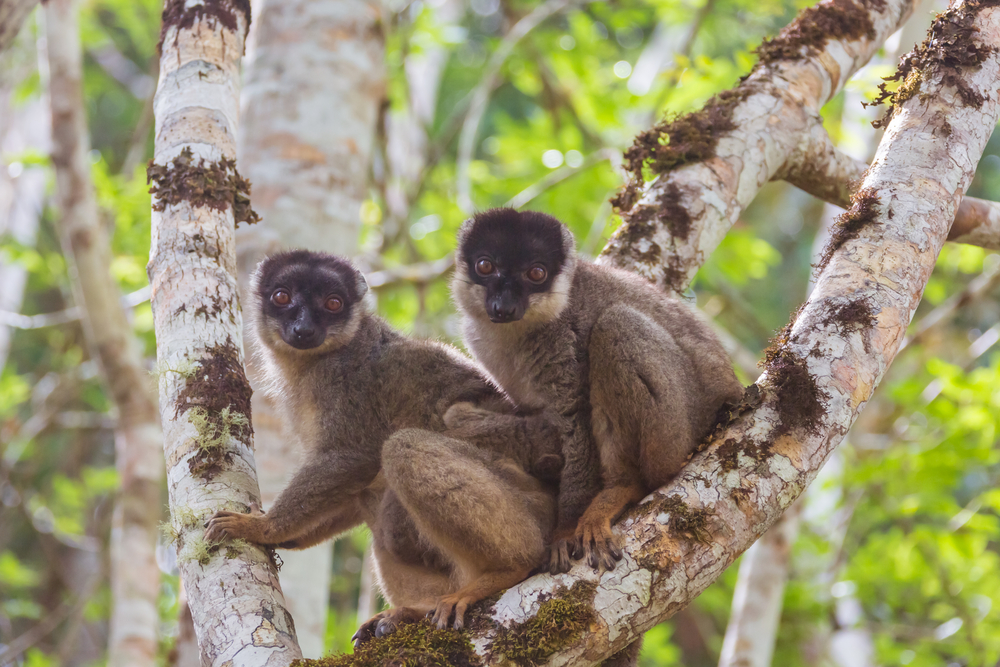
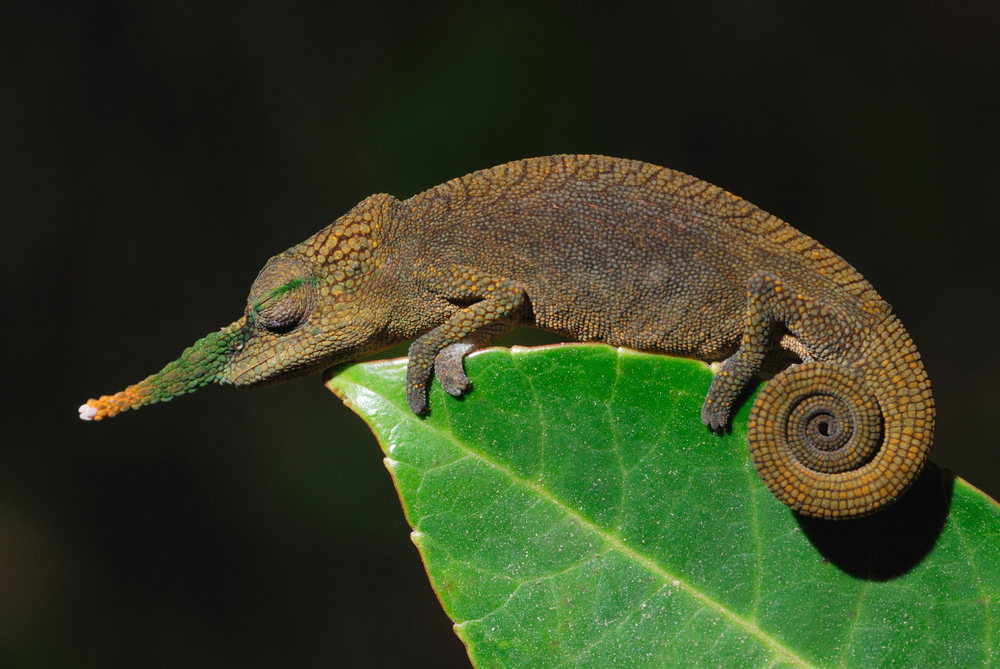
Andasibe-Mantadia is a biodiversity hotspot, hosting an array of endemic species. The park is most famous for the indri, whose haunting, melodic calls echo through the forest each morning. In addition to the indri, visitors can encounter other lemur species such as the diademed sifaka, common brown lemur, and bamboo lemur. The park is also home to over 100 species of birds, including the Madagascar crested ibis, blue coua, and velvet asity. Reptiles such as chameleons, geckos, and leaf-tailed geckos thrive in the forest, while colorful frogs add vibrancy to the environment. The flora is equally remarkable, with numerous orchid species blooming during the rainy season.
Visitors to Andasibe-Mantadia can engage in various activities that showcase the park’s natural beauty. Guided forest walks are a highlight, offering opportunities to spot lemurs, birds, and reptiles while learning about the park’s ecosystem. Birdwatching tours cater to ornithologists and nature enthusiasts, while the park’s waterfalls and rivers provide serene spots for photography and relaxation. Night walks are particularly popular, allowing visitors to see nocturnal species such as the mouse lemur and chameleons. Cultural tours with local Malagasy communities provide insights into traditional practices and their relationship with the forest.
Despite its popularity, Andasibe-Mantadia faces challenges such as deforestation, habitat fragmentation, and the pressures of tourism. Conservation efforts, led by Madagascar National Parks and international organizations, focus on habitat restoration, community engagement, and sustainable tourism practices. Environmental education programs aim to foster awareness among visitors and locals about the importance of preserving this unique ecosystem.
Andasibe-Mantadia National Park is a testament to Madagascar’s unparalleled natural heritage. Its lush rainforests, extraordinary wildlife, and cultural significance make it a must-visit destination for eco-tourists and researchers alike. Protecting this park ensures the survival of its endemic species and reinforces Madagascar’s role as a leader in global biodiversity conservation.
Things to See
Things To Do
Engaging Andasibe Mantadia
Park Protection
Andasibe-Mantadia National Park was created to protect the eastern montane rainforests, cloud forests, rivers, and wetlands of eastern Madagascar. The park provides critical habitat for several endangered and endemic species, including the critically endangered indri, the world’s largest living lemur, whose haunting calls are a defining feature of the forest. It also protects the endangered black-and-white ruffed lemur, the endangered diademed sifaka, and numerous other lemur species found only in Madagascar.
The park supports more than 100 bird species, many endemic to the island, as well as colorful chameleons, frogs, orchids, and hundreds of native plant species. Its ancient rainforest forms an important refuge within one of the world’s most distinctive biodiversity hotspots, where the vast majority of species occur nowhere else on Earth.
The park is especially significant for protecting one of Madagascar’s finest remaining tracts of eastern rainforest and one of the best places in the world to observe wild indris in their natural habitat. Its humid forests contain an extraordinary concentration of endemic wildlife that evolved during Madagascar’s millions of years of geographic isolation.
The combination of lush rainforest, exceptional amphibian diversity, and remarkable endemic flora makes the park unlike any other protected area. Together, Andasibe-Mantadia National Park safeguards endangered lemurs, unique rainforest ecosystems, extraordinary endemic biodiversity, and one of Madagascar’s most important conservation landscapes.
FAQ’s
What is Andasibe-Mantadia National Park known for
Andasibe Mantadia National Park, located in Madagascar, is renowned for its rich biodiversity, including unique flora and fauna. It is most famous for being home to the indri, the largest living lemur species, known for its distinctive calls and impressive acrobatic abilities.
The park also shelters numerous other lemur species, such as the diademed sifaka and the black-and-white ruffed lemur, along with a variety of chameleons, frogs, and bird species.
Additionally, Andasibe National Park is celebrated for its lush rainforests, pristine lakes, and stunning waterfalls, offering visitors an immersive experience in Madagascar’s natural wonders.
What about waterfalls in Andasibe Mantadia?
Andasibe-Mantadia National Park is home to several significant waterfalls, the most notable being the Cascade Mantadia. This waterfall cascades down a series of rocky steps, with a height of approximately 49 feet (15 meters). Its serene beauty and lush surroundings make it a popular attraction for visitors seeking a tranquil escape into nature.
Another prominent waterfall in the park is the Cascade Rianasoa, standing at around 82 feet (25 meters) tall. Its impressive height and picturesque setting amid the rainforest create a mesmerizing sight for visitors to behold. Both waterfalls contribute to the park’s stunning natural landscape and provide opportunities for memorable experiences amidst Madagascar’s biodiversity-rich environment.
What is the main reason people visit Andasibe-Mantadia National Park?
Andasibe-Mantadia National Park is primarily visited for its exceptional lemur viewing, lush rainforests, endemic wildlife, and opportunities to see the largest lemur species in Madagascar. Located in eastern Madagascar, the park protects approximately 60 square miles (155 square kilometers) of montane and lowland rainforest.
Visitors come to hear the haunting calls of the Indri, observe rare wildlife found nowhere else on Earth, explore pristine rainforest trails, and experience one of Madagascar’s most accessible and biologically diverse protected areas.
What animals can visitors hope to see in Andasibe-Mantadia National Park?
Andasibe-Mantadia National Park supports approximately 14 lemur species, more than 50 mammal species, and dozens of reptile and amphibian species. The park is considered one of Madagascar’s premier wildlife destinations.
Some of the most notable animals found in Andasibe-Mantadia National Park include:
- Indri
- Diademed Sifaka
- Common Brown Lemur
- Eastern Woolly Lemur
- Black-and-white Ruffed Lemur
- Gray Bamboo Lemur
- Eastern Lesser Bamboo Lemur
- Red-bellied Lemur
- Goodman’s Mouse Lemur
- Greater Dwarf Lemur
- Fat-tailed Dwarf Lemur
- Eastern Avahi
- White-footed Sportive Lemur
- Weasel Sportive Lemur
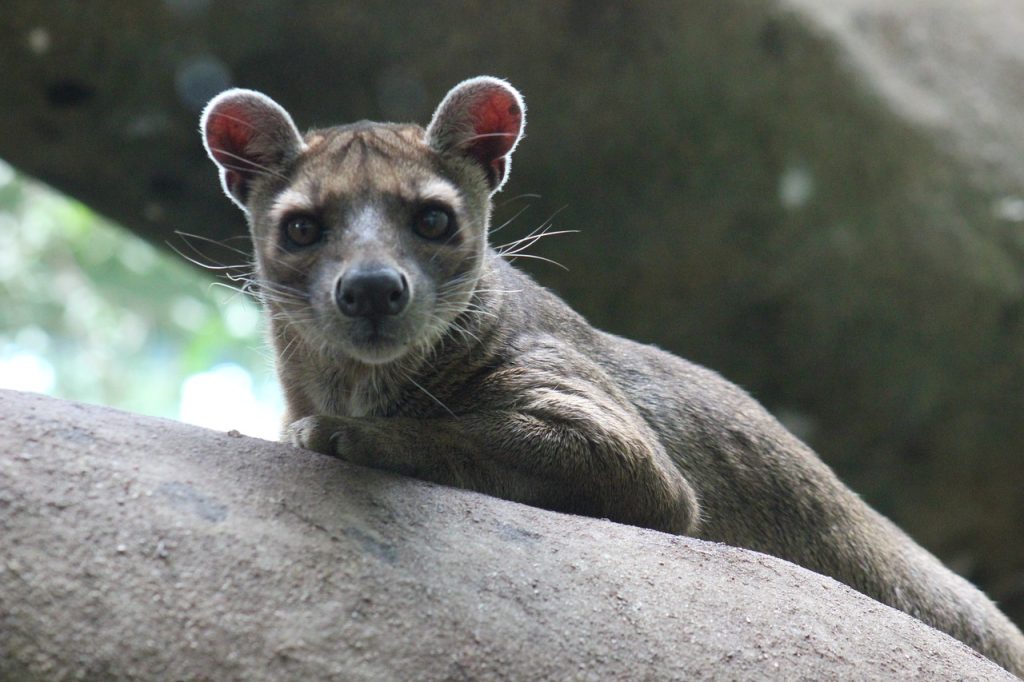
- Fossa
- Malagasy Civet
- Ring-tailed Mongoose
- Narrow-striped Mongoose
- Small-toothed Civet
- Madagascar Fruit Bat
- Madagascar Flying Fox
- Malagasy Free-tailed Bat
- Trident Bat
- Eastern Forest Rat
- Malagasy Giant Rat
- Tenrec Species
- Greater Hedgehog Tenrec
- Lesser Hedgehog Tenrec
- Shrew Tenrec
- Streaked Tenrec
- Eastern Mole-like Tenrec
- Native Rodent Species
- Parson’s Chameleon
- Short-horned Chameleon
- Panther Chameleon
- Leaf-tailed Gecko
- Day Gecko Species
- Madagascar Tree Boa
- Madagascar Ground Boa
- Malagasy Cat-eyed Snake
- Malagasy Blind Snake
- Ground Gecko Species
- Forest Gecko Species
- Malagasy Frog Species
- Mantella Frog Species
- Tomato Frog
- Tree Frog Species
- Rain Frog Species
- Madagascar Skink Species
- Various Endemic Amphibians and Reptiles
What birds can visitors hope to see in Andasibe-Mantadia National Park?
Andasibe-Mantadia National Park is home to approximately 110 bird species, including many endemic birds found only in Madagascar’s eastern rainforests.
Some of the most popular birds seen in Andasibe-Mantadia National Park include:
- Madagascar Blue Pigeon
- Velvet Asity
- Common Sunbird-Asity
- Nuthatch Vanga
- Blue Vanga
- Hook-billed Vanga
- Tylas Vanga
- Red-tailed Vanga
- Chabert Vanga
- Ward’s Flycatcher
- Madagascar Paradise Flycatcher
- Madagascar Pygmy Kingfisher
- Madagascar Kingfisher
- Madagascar Cuckoo
- Madagascar Coucal
- Ground Roller Species
- Pitta-like Ground Roller
- Short-legged Ground Roller
- Scaly Ground Roller
- Rufous-headed Ground Roller
- Collared Nightjar
- Madagascar Long-eared Owl
- Madagascar Scops Owl
- Madagascar Harrier-Hawk
- Madagascar Buzzard
- Madagascar Kestrel
- Henst’s Goshawk
- Crested Drongo
- Madagascar Magpie-Robin
- Forest Rock Thrush
- Madagascar Bulbul
- Long-billed Bernieria
- Spectacled Tetraka
- Gray-crowned Tetraka
- Dusky Tetraka
- Cryptic Warbler
- Wedge-tailed Jery
- Green Jery
- Common Jery
- Madagascar White-eye
- Souimanga Sunbird
- Nelicourvi Weaver
- Madagascar Red Fody
- Forest Fody
- Madagascar Mannikin
- Crossley’s Vanga
- Rand’s Warbler
- Brown Mesite
- Madagascar Wood Rail
- Red-fronted Coua
Is Andasibe-Mantadia National Park worth visiting?
Yes, Andasibe-Mantadia National Park is absolutely worth visiting and is widely considered one of the best wildlife destinations in Madagascar.
The park offers outstanding opportunities to observe lemurs, endemic birds, reptiles, amphibians, and rainforest ecosystems. It is also one of the most reliable places in the world to see the Indri, Madagascar’s largest living lemur.
The primary hesitation is that visitors seeking dramatic landscapes may find the experience more wildlife-focused than scenery-focused. However, for nature lovers and wildlife enthusiasts, the park is one of Madagascar’s finest destinations.
What is the best time to visit Andasibe-Mantadia National Park?
Weather and Climate
The best time to visit Andasibe-Mantadia National Park is from April through November.
Typical conditions include:
- April–May: 60–80°F (16–27°C)
- June–August: 50–75°F (10–24°C)
- September–November: 60–82°F (16–28°C)
- December–March: Rainy season, 68–86°F (20–30°C)
During the dry season:
- Trails are easier to navigate.
- Wildlife viewing is excellent.
- Birdwatching is productive.
- Humidity is lower.
- Hiking conditions are more comfortable.
September through November is often considered the optimal period.
How many days do you need to visit Andasibe-Mantadia National Park?
Recommended Length of Stay
Most visitors should plan for 2 to 3 days.
- 1 day: Lemur viewing and short hikes.
- 2 days: Full exploration of Analamazaotra and Mantadia sectors.
- 3 days: Wildlife photography, birding, and night walks.
- 4+ days: Comprehensive wildlife observation.
A two-day stay is generally recommended for most visitors.
How do you get to Andasibe-Mantadia National Park?
International Access
Andasibe-Mantadia National Park is located approximately 95 miles (150 km) east of:
- Antananarivo
The primary international gateway is:
- Ivato International Airport
Travel from Antananarivo
Most visitors:
- Arrive in Antananarivo.
- Travel east by vehicle.
- Reach the village of Andasibe.
- Access the park from local entrances.
Travel time:
- Approximately 3–4 hours by road.
Park Sectors
The park consists primarily of:
- Analamazaotra Special Reserve
- Mantadia National Park
Analamazaotra Reserve
This is the most visited area and is famous for:
- Indri sightings.
- Well-maintained trails.
- Guided walks.
- Excellent wildlife viewing.
Mantadia Sector
This section offers:
- More remote rainforest.
- Fewer visitors.
- Additional lemur species.
- Excellent birdwatching.
Travel Times
Typical travel times include:
- Antananarivo to Andasibe: 3–4 hours.
- Andasibe village to park entrance: 5–15 minutes.
- Analamazaotra to Mantadia sector: approximately 1 hour.
Who is involved in protecting and supporting Andasibe-Mantadia National Park?
Conservation and Park Management
Several organizations help protect and support Andasibe-Mantadia National Park:
- Madagascar National Parks – manages the park.
- Association Mitsinjo – supports conservation, environmental education, and community engagement.
- Fanamby – supports biodiversity conservation.
- Madagasikara Voakajy – conducts wildlife research and conservation programs.
- Local communities including the Betsimisaraka People, who maintain cultural ties to the region.
Can you do night walks in Andasibe-Mantadia National Park?
Yes. Guided night walks are among the park’s most popular activities and provide opportunities to see mouse lemurs, chameleons, frogs, geckos, and other nocturnal wildlife.
What makes Andasibe-Mantadia National Park unique?
Andasibe-Mantadia National Park is unique because it offers some of the best opportunities anywhere in the world to observe Madagascar’s endemic wildlife, particularly the Indri. Its lush rainforests, remarkable biodiversity, accessible location, and exceptional wildlife viewing make it one of Madagascar’s most important and rewarding national parks for nature enthusiasts.
Sources
Here are sources you can explore for more information:
- AllTrails. Andasibe-Mantadia National Park. https://www.alltrails.com/madagascar/analamanga/andasibe-mantadia-national-park, retrieved July 2026.
- Encyclopaedia Britannica. Andasibe-Mantadia National Park. https://www.britannica.com/place/Andasibe-Mantadia-National-Park, retrieved July 2026.
- Madagascar National Parks. Andasibe-Mantadia National Park. https://www.parcs-madagascar.com/parcs/andasibe-mantadia.php, retrieved July 2026.
- Pilot Guides. Andasibe-Mantadia National Park. https://www.pilotguides.com/, retrieved July 2026.
- Protected Planet (UNEP-WCMC & IUCN). Andasibe-Mantadia National Park. https://www.protectedplanet.net/, retrieved July 2026.
- SafariBookings. Andasibe-Mantadia National Park. https://www.safaribookings.com/andasibe-mantadia, retrieved July 2026.
- Wikipedia. Andasibe-Mantadia National Park. https://en.wikipedia.org/wiki/Andasibe-Mantadia_National_Park, retrieved July 2026.
- World Wildlife Fund (WWF). Madagascar Lowland Forests. https://www.worldwildlife.org/ecoregions/at0117, retrieved July 2026.