

About
Saiwa Swamp National Park, the park is located near the town of Kitale in Trans-Nzoia County in western Kenya. The park covers approximately 1.2 square miles (3 sq km), making it the smallest national park in Kenya.
Established in 1974, Saiwa Swamp National Park was created specifically to protect a unique wetland ecosystem and the rare wildlife that depends upon it. The park lies within Kenya’s fertile highland region and is situated west of the Mount Elgon National Park. Despite its modest size, Saiwa Swamp holds exceptional conservation importance and offers visitors an intimate wildlife experience unlike that found in Kenya’s larger national parks.
Saiwa Swamp National Park is best known as a sanctuary for the endangered sitatunga, a secretive semi-aquatic antelope specially adapted to life in wetlands. The park was established primarily to protect this rare species, which relies on dense swamp vegetation for food and shelter. Visitors are drawn to the park’s peaceful atmosphere, elevated boardwalks, and opportunities to observe wildlife in a natural wetland environment.
Unlike traditional safari destinations centered on large mammals and open savannas, Saiwa Swamp offers a quieter and more specialized experience focused on wetland ecology, birdwatching, and nature walks. Its accessibility and compact size make it particularly appealing for visitors seeking a short but rewarding wildlife excursion.
The geography of Saiwa Swamp National Park consists of a spring-fed wetland surrounded by riverine forest, sedge-filled marshes, and patches of woodland. The swamp is nourished by underground springs that maintain water levels throughout much of the year. Elevated boardwalks and observation platforms allow visitors to explore the wetland without disturbing sensitive habitats.
The landscape is characterized by dense papyrus vegetation, reeds, grasses, and forested areas that provide shelter for numerous species. Although small, the park contains a surprising variety of habitats that support an impressive diversity of wildlife. The combination of permanent water and lush vegetation creates a green oasis within the surrounding agricultural landscape.
Wildlife within Saiwa Swamp National Park is highly specialized and adapted to wetland conditions. The sitatunga remains the park’s most famous resident, often observed moving quietly through dense vegetation or feeding in shallow water. Other mammals include bushbuck, otter, vervet monkey, and several small mammal species.
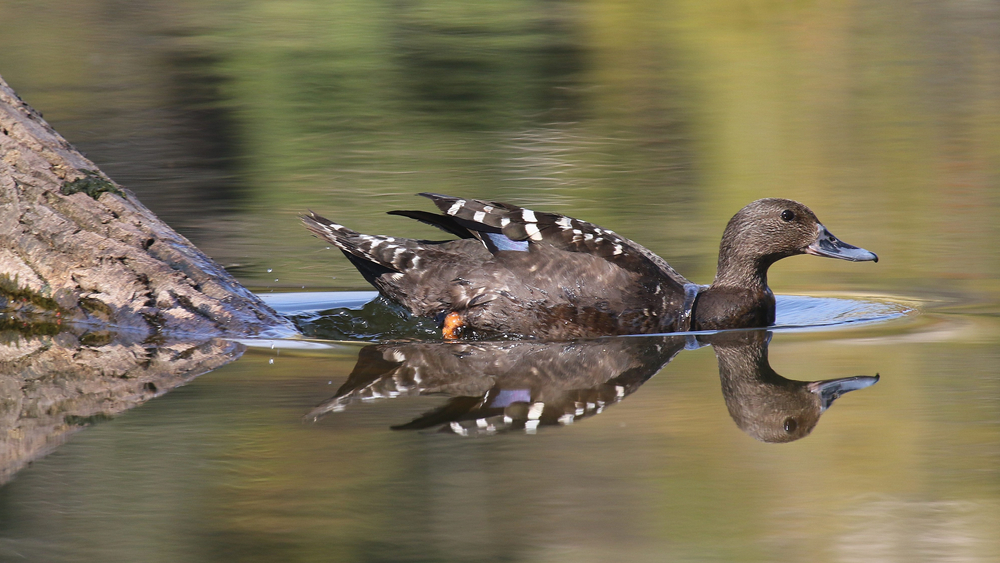
The park is also an outstanding destination for birdwatching, with more than 370 recorded bird species. Visitors may encounter crowned cranes, kingfishers, turacos, herons, weavers, sunbirds, and numerous migratory birds throughout the year. Butterflies, amphibians, and reptiles further contribute to the park’s biodiversity. The concentration of wildlife within such a small protected area creates excellent opportunities for observation and photography.
Saiwa Swamp National Park plays a vital role in conserving one of Kenya’s most important wetland ecosystems. The park protects critical habitat for the endangered sitatunga and numerous wetland-dependent species that face increasing pressure from habitat loss elsewhere in East Africa. Its conservation significance is similar to specialized wetland reserves around the world that safeguard rare species and fragile ecosystems.
While far smaller than parks such as Lake Nakuru National Park or Bwindi Impenetrable National Park, Saiwa Swamp demonstrates how even small protected areas can have enormous ecological value. Today, the park remains a vital refuge for biodiversity and a model for wetland conservation in Kenya.
Things to See
Things To Do
Engaging Saiwa Swamp National Park
