

About
Ruma National Park is located in western Kenya in Homa Bay County near the shores of Lake Victoria. The park covers approximately 46 square miles (120 sq km) and lies within the Lambwe Valley, bordered by the Kanyamwa Escarpment to the southeast and the volcanic Ruri Hills to the north.
Established as a national park in 1983, Ruma is Kenya’s only protected area where the endangered roan antelope occurs naturally. The park is situated southwest of Kakamega Forest National Reserve and serves as an important refuge for wildlife within western Kenya’s unique savanna ecosystem.
Ruma National Park is best known for its rare antelope species, open grasslands, and exceptional birdlife. Unlike Kenya’s more famous safari destinations, Ruma offers a peaceful and uncrowded experience where visitors can enjoy wildlife viewing without large numbers of tourists. The park is particularly renowned as the country’s last stronghold for the roan antelope, one of Africa’s most striking and endangered antelope species.
Visitors also come to experience the scenic beauty of the Lambwe Valley, where rolling grasslands stretch toward distant hills and escarpments. The combination of abundant wildlife, dramatic landscapes, and relative solitude makes Ruma one of Kenya’s hidden conservation treasures.
The geography of Ruma National Park is characterized by broad savanna grasslands, seasonal rivers, acacia woodlands, and gently rolling terrain. The park occupies the fertile Lambwe Valley, which receives more rainfall than many other Kenyan savannas. This favorable climate supports lush grasslands that provide excellent grazing habitat for herbivores.
Seasonal streams and wetlands contribute to the ecological diversity of the landscape, while scattered woodlands and rocky outcrops offer shelter for numerous species. The surrounding hills create a scenic backdrop and help define the valley’s distinctive character. These varied habitats support a rich array of plant and animal life within a relatively compact protected area.
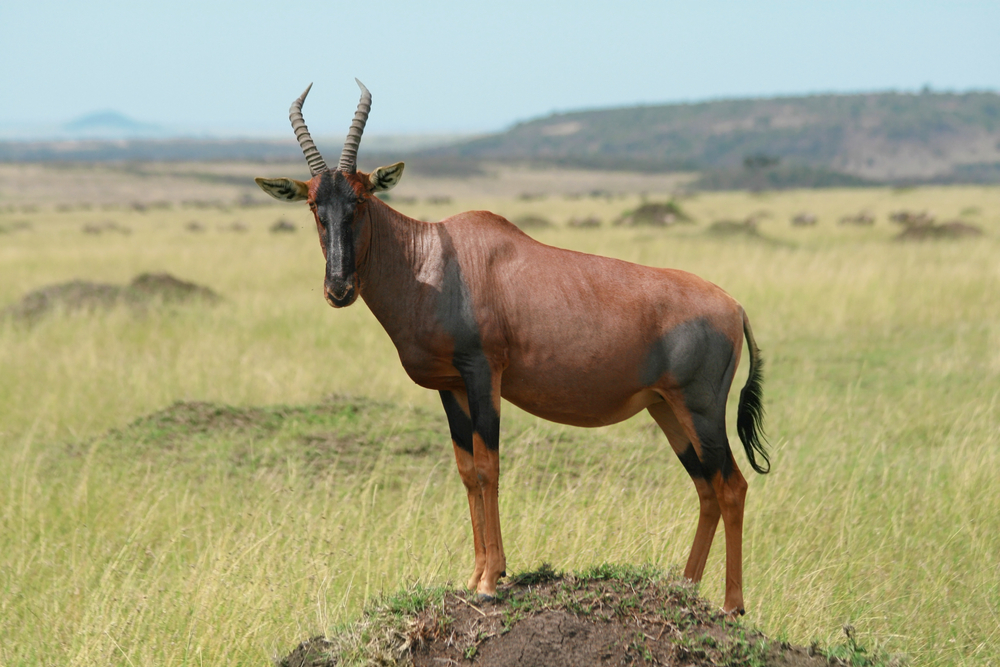
Wildlife is one of the park’s primary attractions. Ruma National Park supports populations of roan antelope, Rothschild’s giraffe, buffalo, zebra, impala, oribi, reedbuck, and warthog. Predators such as leopard, spotted hyena, serval, and occasionally lion can also be found within the park. The park is internationally important for bird conservation and supports more than 400 recorded bird species.
It is one of the few places in Kenya where visitors may observe the globally threatened blue swallow, a migratory species that relies on the park’s grassland habitats. Raptors, hornbills, kingfishers, weavers, and numerous waterbirds add to the park’s impressive avian diversity. The abundance of both wildlife and birdlife makes Ruma a rewarding destination for nature enthusiasts.
Ruma National Park plays a critical role in protecting some of Kenya’s most threatened wildlife and grassland ecosystems. The park safeguards the nation’s last indigenous population of roan antelope while providing important habitat for Rothschild’s giraffe and numerous bird species. Its conservation significance is comparable to specialized reserves elsewhere in Africa that protect endangered species with limited distributions.
Although smaller than iconic parks such as Tsavo East National Park or Masai Mara National Reserve, Ruma fulfills a uniquely important conservation mission. Today, the park stands as a vital refuge for western Kenya’s biodiversity and offers visitors a rare opportunity to experience one of the country’s most distinctive and ecologically valuable protected areas.
Things to See
Things To Do
Engaging Ruma National Park
