

About
Central Island National Park, the park is located within the waters of Lake Turkana in northern Kenya. The park covers approximately 2 square miles (5 sq km) and protects Central Island, a remote volcanic island situated near the center of the lake.
Established in 1983, the park forms part of the UNESCO World Heritage-listed Lake Turkana National Parks, together with the nearby Sibiloi National Park and South Island National Park. Although small in size, Central Island National Park protects one of the most extraordinary volcanic and wildlife habitats in East Africa. Its isolation within the world’s largest permanent desert lake creates a unique environment found nowhere else on the continent.
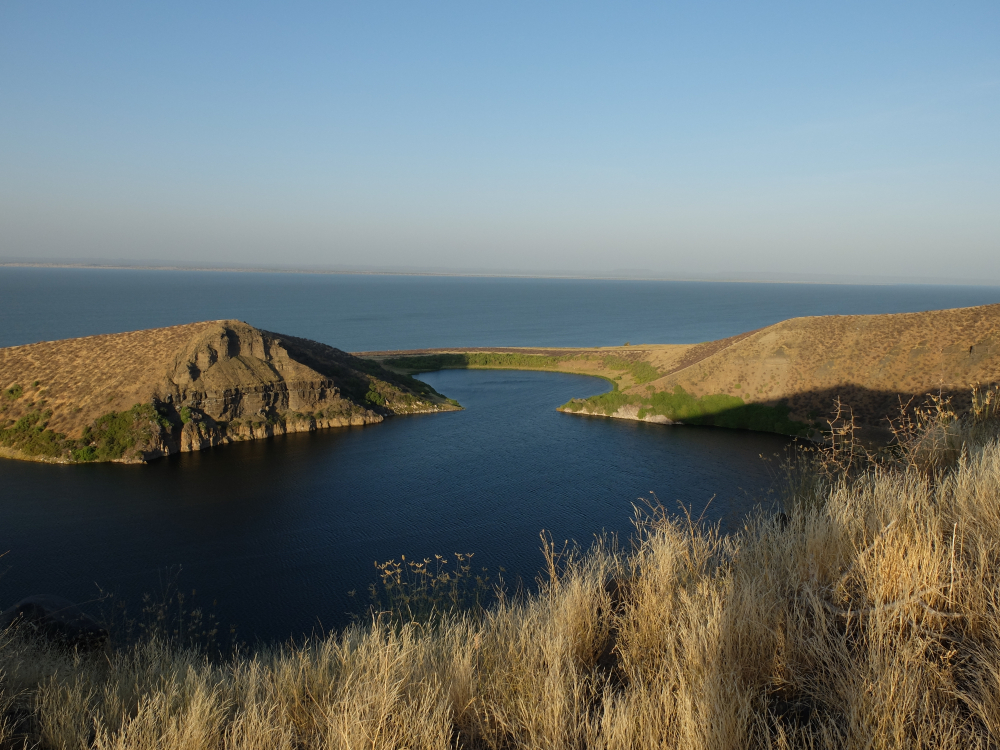
Central Island National Park is best known for its active volcanic landscape and immense populations of Nile crocodiles. Visitors are drawn by the island’s dramatic scenery, where volcanic craters rise above the turquoise waters of Lake Turkana. The island is accessible primarily by boat and offers a sense of adventure rarely found in more accessible national parks.
One of its most remarkable attractions is the presence of crater lakes that provide nesting and breeding habitat for thousands of crocodiles. The combination of volcanic geology, abundant wildlife, and remote wilderness creates an unforgettable experience for visitors interested in nature, geology, and conservation.
The geography of Central Island National Park is dominated by volcanic features that formed through eruptions associated with the East African Rift System. The island contains three prominent crater lakes known as Crocodile Lake, Flamingo Lake, and Tilapia Lake. These crater lakes vary in salinity and ecological conditions, supporting different plant and animal communities. Rocky lava formations, volcanic cones, and rugged slopes define much of the terrain.
Vegetation is sparse due to the region’s hot and arid climate, consisting primarily of drought-tolerant shrubs, grasses, and scattered hardy plants adapted to volcanic soils. The contrast between barren volcanic landscapes and the blue waters of Lake Turkana gives the island its striking appearance.
Wildlife is one of the park’s greatest attractions. Central Island is internationally recognized for supporting one of the largest concentrations of Nile crocodiles in Africa. Thousands of crocodiles utilize the island’s crater lakes and shoreline habitats for nesting and breeding. The surrounding waters of Lake Turkana support numerous fish species that sustain these crocodile populations.
Birdlife is also abundant, particularly around the crater lakes. Flamingos, pelicans, cormorants, gulls, and numerous migratory waterbirds gather on and around the island throughout the year. Reptiles, aquatic species, and various smaller animals adapted to arid environments further contribute to the park’s biodiversity. The interaction between volcanic habitats and aquatic ecosystems creates a remarkable concentration of wildlife within a relatively small area.
Central Island National Park plays a vital conservation role by protecting one of the world’s most important crocodile breeding sites and a unique volcanic ecosystem within Lake Turkana. The park safeguards habitats critical to numerous bird species and aquatic wildlife while preserving geological features of international significance.
Its conservation value is comparable to specialized island reserves such as Galápagos National Park and volcanic island ecosystems elsewhere in the world, where isolation has shaped unique ecological communities. Today, Central Island National Park remains one of Kenya’s most fascinating protected areas, preserving an extraordinary blend of geology, wildlife, and natural history within the heart of Lake Turkana.
Things to See
Things To Do
Engaging Central Island National Park
