About
Karkaraly National Park (Kazakh: Қарқаралы ұлттық табиғи паркі) is located in the Karaganda Region of central Kazakhstan within the scenic Karkaraly Mountains. Established in 1998, the park covers approximately 436 square miles (1,129 sq km) and protects one of the most distinctive mountain and forest landscapes in the Kazakh steppe.
Surrounded by vast grasslands, the park serves as an ecological island of forests, lakes, granite peaks, and wildlife. Its combination of rugged terrain, rich biodiversity, and cultural significance has made it one of Kazakhstan’s most important protected areas.
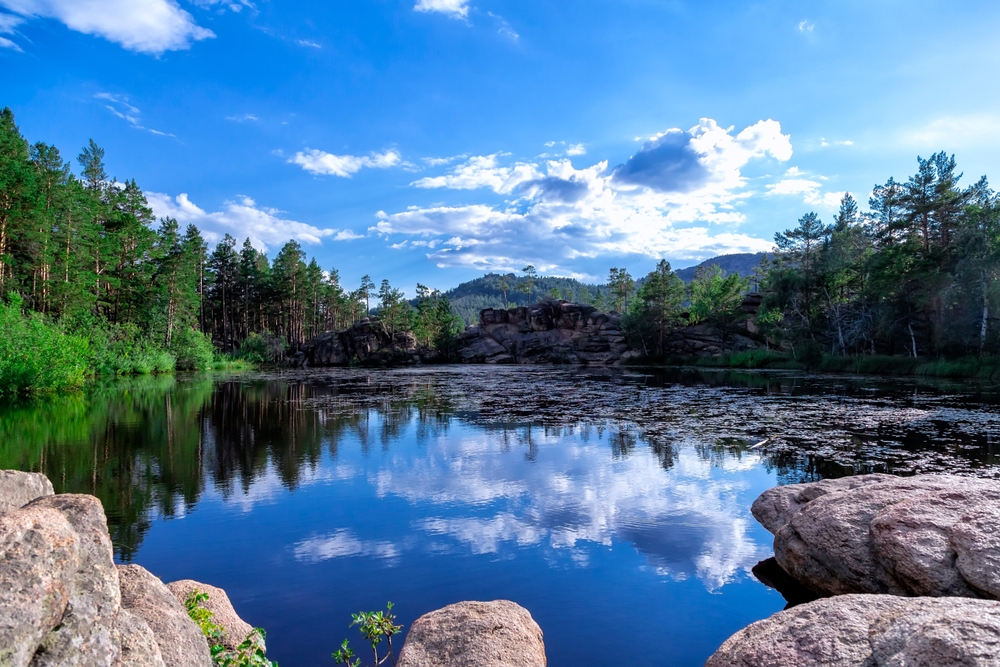
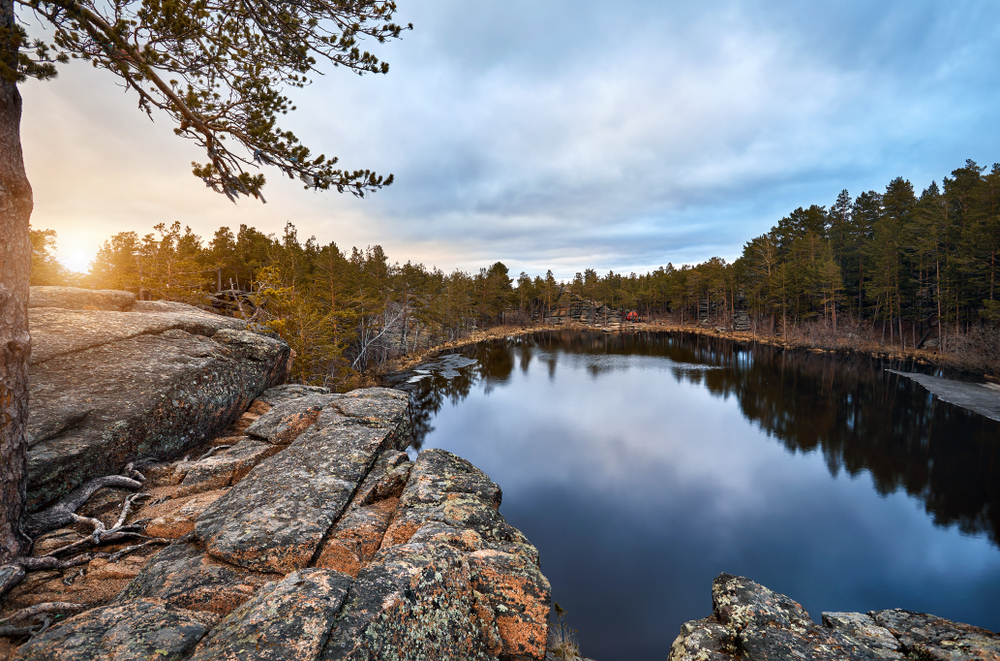
The park is best known for its striking granite rock formations, pine forests, and picturesque mountain lakes. Visitors are attracted by scenic hiking routes, panoramic viewpoints, unique geological formations, and opportunities to experience a landscape that differs dramatically from the surrounding steppe.
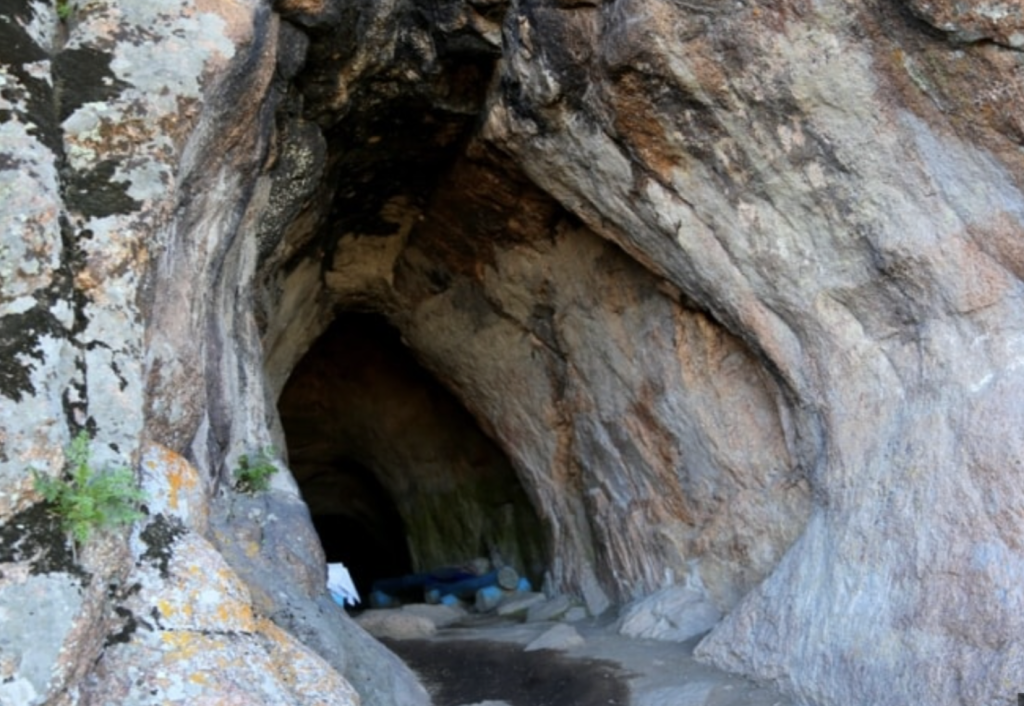
Popular attractions include Lake Shaitankol, often called the “Devil’s Lake,” and distinctive rock formations such as the Three Caves and Stone Tent. The park has long inspired local legends and folklore, adding cultural depth to its natural beauty. Hiking, camping, birdwatching, and photography are among the most popular recreational activities.
Geographically, Karkaraly National Park encompasses a series of low mountain ranges rising from the Kazakh Uplands. Elevations generally range from 1,600 to over 4,600 feet (500–1,400 m), with Komsomol Peak among the highest points in the region.
The landscape features granite outcrops, forested slopes, valleys, lakes, and rolling hills. Unlike much of central Kazakhstan’s open steppe, the park contains extensive forests of Siberian pine, birch, aspen, and juniper. Numerous springs and small streams support freshwater ecosystems and contribute to the park’s ecological diversity.
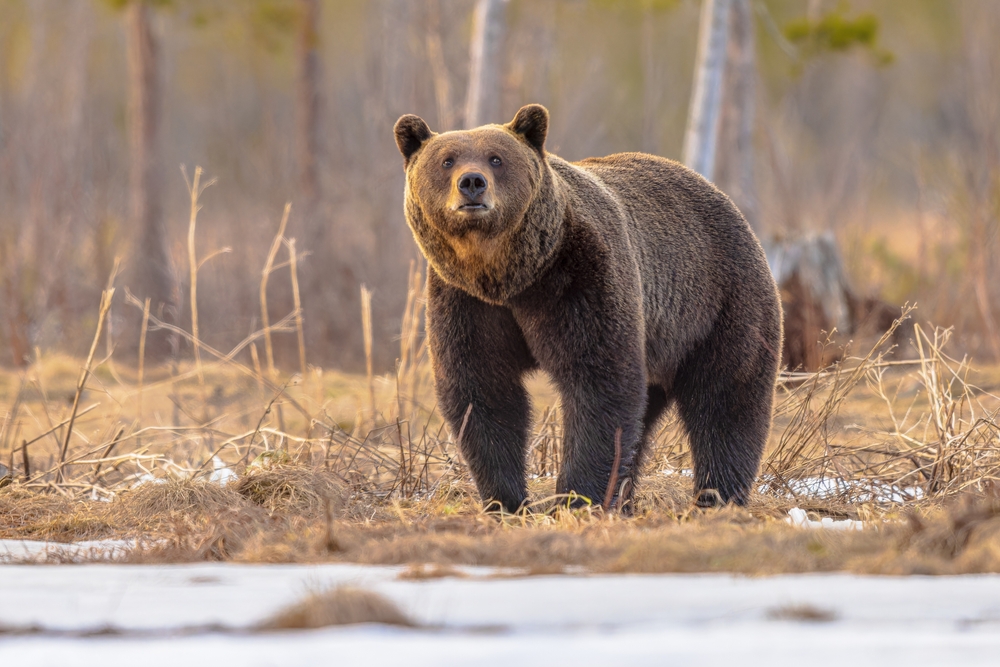
Wildlife within Karkaraly National Park reflects the transition between forest and steppe habitats. Mammals include Siberian roe deer, elk, wild boar, wolves, red foxes, badgers, corsac foxes, and hares. The park also supports populations of argali sheep in more remote mountainous areas.
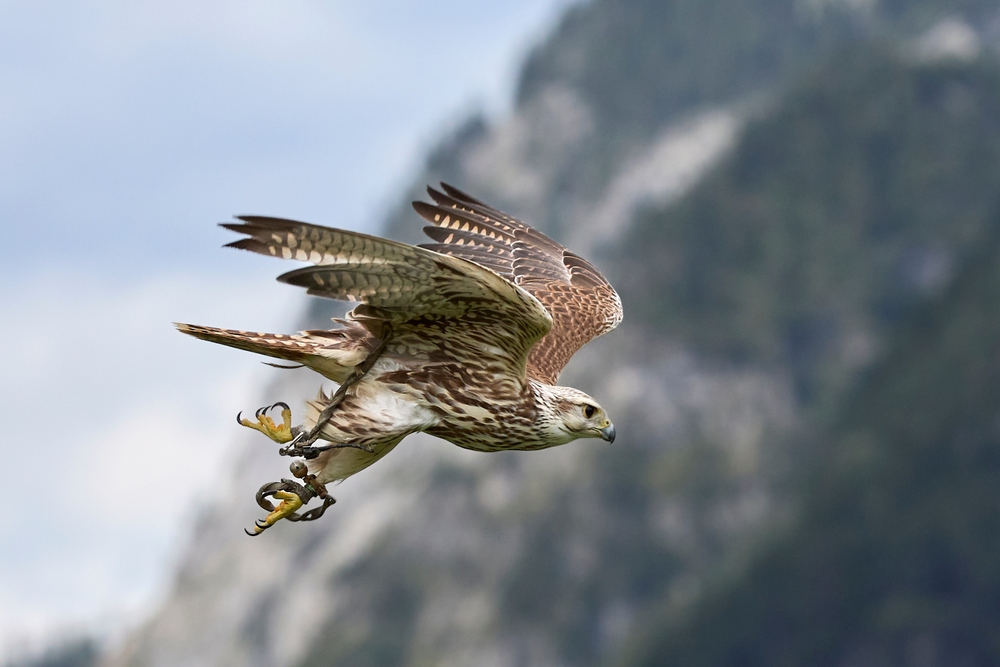
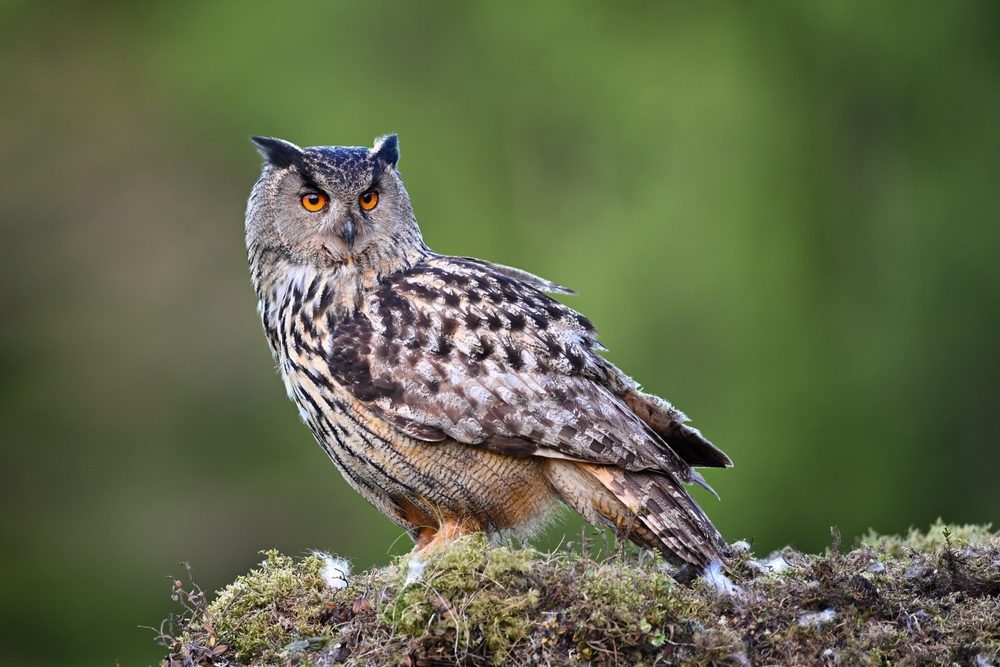
Birdlife is particularly rich, with golden eagles, steppe eagles, eagle owls, black storks, cranes, woodpeckers, and numerous migratory species inhabiting the region. Reptiles, amphibians, and diverse plant communities further contribute to the park’s ecological significance, with hundreds of plant species recorded throughout its varied habitats.
Karkaraly National Park plays a crucial role in conserving one of the most important forest-steppe ecosystems in Kazakhstan. The park protects vital wildlife habitat, preserves watersheds, and safeguards rare plant communities within a region otherwise dominated by grasslands.
Its conservation significance is often compared to Bayanaul National Park and Burabay National Park because of its granite mountains, forested landscapes, and biodiversity. Through its scenic lakes, pine forests, dramatic rock formations, rich wildlife, and cultural heritage, Karkaraly National Park stands as one of Kazakhstan’s most treasured protected areas and a remarkable natural oasis in the heart of the Eurasian steppe.
Things to See
Things To Do
Engaging Karkaraly National Park